Award-Winning AP English Language and Composition Tutors
serving Atlanta, GA
AP English Language and Composition
Tutors in Atlanta
Private 1-on-1 tutoring, weekly live classes for academic support, test prep & enrichment, practice tests and diagnostics, and more to elevate grades and test scores.
Based on 3.4M Learner Ratings
UniversitiesSchools & Universities
DeliveredHours Delivered
ProficiencyGrowth in Proficiency
Who needs tutoring?
No obligation. Takes ~1 minute.

Rhetoric is the backbone of AP Lang, and Jean's legal training gives her a practitioner's understanding of how arguments actually persuade. She teaches students to dissect an author's use of appeals, concessions, and strategic evidence — then apply those same techniques in their own synthesis and argument essays. Her students learn to read like lawyers: identifying what a writer is doing and why it works on the audience.
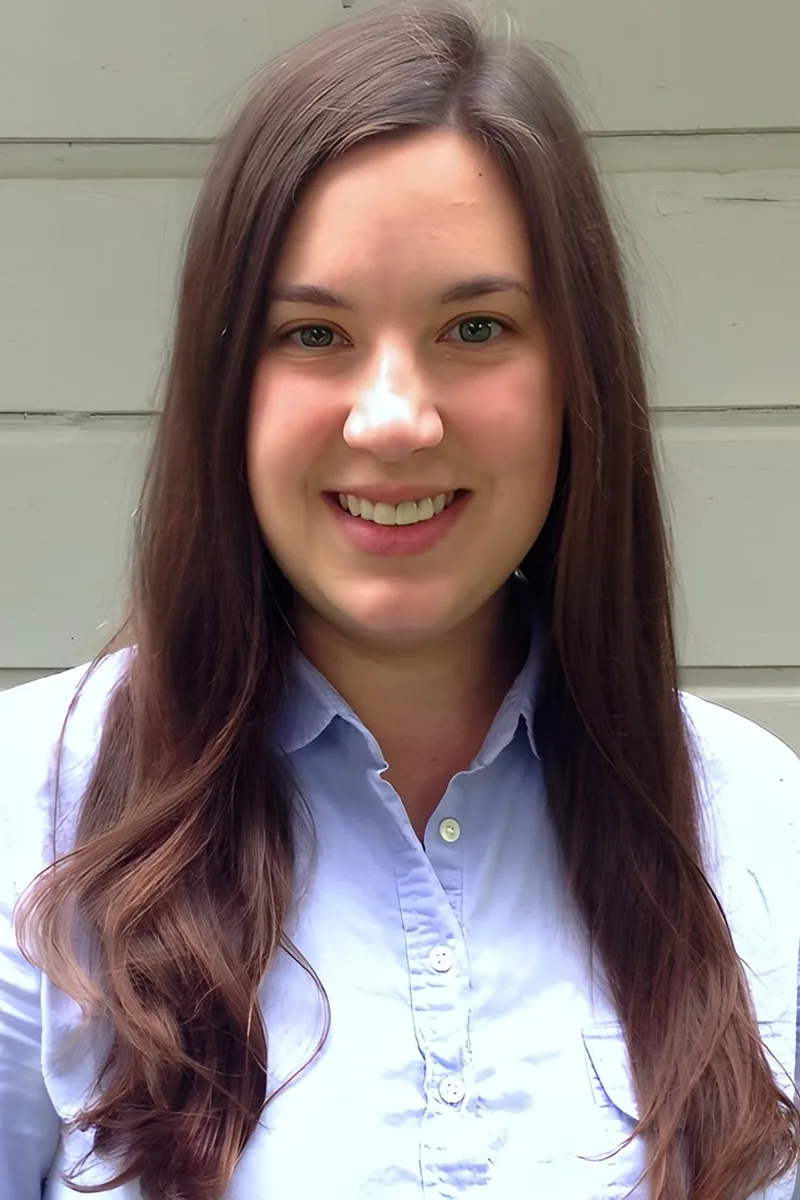
AP Lang is ultimately about rhetoric — how writers construct arguments, deploy evidence, and manipulate tone to persuade an audience. Anna's first-year writing seminars at UVA covered exactly this terrain, training students to dissect essays on topics like the American Dream and then produce their own tightly argued prose. She's especially sharp at teaching synthesis essays, where students must weave multiple sources into a single coherent claim.
Theater training at Northwestern taught Merav something most AP Lang students struggle to learn on their own: how to read a text for its performative dimension — the way a writer's pacing, word choice, and tonal shifts are calculated to produce a specific response in an audience. She brings that performer's ear to the exam's free-response essays, teaching students to articulate not just which rhetorical moves an author makes but why those moves land. Rated 5.0 by students.
AP English Language is essentially an argument class, and Jenna spent three years in law school doing nothing but dissecting and constructing arguments. She teaches students to identify rhetorical strategies like appeals, tone shifts, and structural choices in source texts, then deploy those same tools in their own synthesis and persuasive essays.
AP English Language is all about rhetoric — how writers construct arguments, deploy evidence, and manipulate tone to persuade — and Davien's MFA training means he's spent years dissecting exactly these moves in prose. He teaches students to write synthesis and rhetorical analysis essays that go beyond summary, showing them how to build claims around specific devices like juxtaposition, concession, and shifts in diction.
AP Lang is ultimately about argument — how writers construct it, how readers evaluate it, and how students produce it under timed pressure. Sahar's background spanning five languages gives her an unusual sensitivity to rhetorical choices like diction, syntax, and appeals, and she channels that into coaching students on both the multiple-choice analysis and the synthesis, rhetorical analysis, and argument essays.
AP Lang is fundamentally about argument, and David's philosophy training means he can dissect rhetorical strategies — ethos, logos, kairos — with real precision. He teaches students to read a passage for its persuasive architecture and then replicate those moves in their own synthesis and argument essays.
The AP Lang exam is really an exercise in reverse-engineering persuasion — identifying how authors use rhetorical strategies like juxtaposition, appeals, and tone shifts to build an argument. As a linguistics major at the University of Georgia, Caitlyn brings formal training in how language functions, which she applies to teaching students how to write sharp rhetorical analyses and evidence-driven arguments. She's particularly effective at showing students how to structure synthesis essays that weave multiple sources into a cohesive claim.
Two years of tutoring at a refugee center taught Akshadha something most AP Lang tutors don't get — practice breaking down complex English texts for audiences who process language differently, which sharpened her instinct for how diction, syntax, and tone actually land on a reader. She applies that ear to the free-response essays, coaching students to move past device-spotting and articulate why a writer's choices shift an audience's response. Rated 4.9 by students.
Rhetorical analysis is the backbone of AP Lang, and Sylvan unpacks it by teaching students to identify how authors deploy ethos, logos, and pathos in real arguments — op-eds, speeches, policy briefs. His experience with college essays and editing means he also knows how to coach the synthesis and argument essays where students lose the most points.
AP Lang is ultimately an argumentation exam — students need to dissect rhetorical strategies in source texts and then deploy those same strategies in their own synthesis, rhetorical analysis, and argument essays under time pressure. As a practicing attorney with a history degree, Ryan brings real-world persuasion skills to every prompt, teaching students how to identify an author's use of concession, appeals to ethos, and logical structure. Rated 5.0 by students.
Rhetoric is the backbone of AP English Language, and it's also central to Whitney's college composition courses — ENGL 1101 and 1102 — where she teaches students to analyze arguments, identify rhetorical strategies, and write across disciplines. She unpacks synthesis essays by showing students how to weave sources into a cohesive argument rather than just summarizing them. That dual perspective from high school and college classrooms makes her especially effective at bridging the gap AP Lang demands.
The rhetorical analysis essay on AP Lang is where most students lose points, often because they summarize the author's argument instead of dissecting how it's constructed. Cassandra teaches students to spot specific persuasive moves — appeals to authority, strategic concessions, shifts in diction — and explain their effect on the audience. She's rated 4.9 across her subjects.
Rhetorical analysis is the backbone of AP Lang, and most students struggle not with identifying devices but with explaining *why* an author's choices work on a specific audience. Amanda approaches this through the lens of persuasion psychology — her graduate work in child development at University College London involved analyzing how language shapes perception, which maps directly onto the AP Lang skill set. She's especially sharp on the synthesis essay, where students must juggle multiple sources into a cohesive argument.
Todd's social work training at the University of Chicago — where every case study demanded parsing competing narratives and constructing evidence-backed arguments — maps directly onto what AP Lang asks students to do with nonfiction prose. His biology background also means he's comfortable coaching students through the science-heavy source sets that frequently appear in synthesis prompts, where translating data into persuasive claims is half the battle. Rated 5.0 by students.
AP English Language is really a course in rhetoric — understanding how writers use structure, diction, and evidence to persuade specific audiences. Michelle's MA in American Studies at Columbia centered on exactly this: analyzing speeches, essays, and cultural texts for their argumentative strategies. She teaches students to write synthesis and rhetorical analysis essays that go beyond summary and actually engage with how a source works.
Rhetoric is the backbone of AP English Language, and Amy teaches students to dissect how authors use appeals, structure, and diction to build persuasive arguments. Her college-level English training means she can model the kind of sophisticated synthesis and argumentation the exam's free-response questions demand. She also tackles the multiple-choice section by showing students how to read like a writer — noticing choices an author made and why.
Rhetorical analysis clicks faster when a student can name exactly what an author is doing and why it works on a reader. Christopher breaks down AP Lang skills like argument structure, synthesis of sources, and strategic use of evidence, bringing the same analytical precision he applies to his Harvard engineering coursework to the craft of persuasive writing.
AP English Language is ultimately about rhetoric: understanding how writers persuade and then doing it yourself under a forty-minute clock. David digs into the synthesis, rhetorical analysis, and argument essays individually, teaching students to identify techniques like juxtaposition, appeals to authority, and strategic concession before they ever start writing. His dual English degrees and library science training make him especially sharp on evaluating sources and constructing evidence-driven arguments.
Scoring well on AP Lang means recognizing how writers construct arguments — the difference between an anecdote used as evidence and one used as an emotional hook, or why a concession strengthens rather than weakens a claim. Kirstie unpacks rhetorical strategies like ethos, logos, and kairos through real op-eds and speeches, then applies that same analytical lens to students' own argumentative writing. Her 1550 SAT reflects the kind of reading and writing precision this exam demands.
AP Lang is fundamentally about rhetoric — understanding how writers use evidence, tone, and structure to persuade. Tessa unpacks real arguments with students, teaching them to spot rhetorical strategies like concession, appeals to authority, and shifts in register, then translate that analysis into the synthesis, rhetorical analysis, and argument essays the exam demands. Her dual focus on math and history at Yale gives her a natural comfort with both logical reasoning and persuasive writing.
Medical anthropology trains you to read dense, argument-driven texts and extract how authors position evidence to support a claim — which is exactly what the AP Lang exam's multiple-choice and rhetorical analysis sections test. Katie applies that analytical rigor to teaching students how to unpack an author's strategic choices in nonfiction prose and then replicate those moves in their own timed essays. Rated 5.0 by students.
Rhetorical analysis is the backbone of AP Lang, and most students struggle not with identifying devices but with explaining *why* an author's choices matter for a specific audience. Jake unpacks arguments piece by piece — ethos appeals in an opening anecdote, strategic concessions in a counterargument — and teaches students to write analysis that goes beyond labeling techniques. His background in marketing gives him a practical lens on persuasion that translates directly to the exam.
Rhetoric isn't just for English majors — Elena spent years in graduate seminars dissecting how authors construct arguments across disciplines, from historical treatises to museum catalogs. She applies that same lens to AP Lang, teaching students to identify rhetorical strategies like appeals, tone shifts, and structural choices in nonfiction passages. Her students learn to write synthesis and argument essays that do more than summarize — they persuade.
Testimonials
Because the right AP English Language and Composition tutor makes all the difference.
Average Session Rating – Based on 3.4M Learner Ratings
Practice AP English Language and Composition
Free practice tests, flashcards, and AI tutoring for AP English Language and Composition
Nearby AP English Language and Composition Tutors
Other Atlanta Tutors
Related English Tutors in Atlanta
Frequently Asked Questions
AP English Language and Composition focuses on rhetoric, argumentation, and writing skills. Students analyze how authors use language to persuade and inform through reading passages, essays, and speeches. The course emphasizes understanding rhetorical strategies, developing clear arguments, and mastering timed writing—skills that translate directly to the exam's multiple-choice section and three free-response essays.
Varsity Tutors connects you with expert tutors who can identify your specific weaknesses—whether that's analyzing rhetorical devices, managing time during the timed essays, or understanding complex passage questions. Personalized 1-on-1 instruction allows tutors to create targeted practice schedules, review your essays with detailed feedback, and build test-taking confidence before exam day. With Atlanta's diverse student population across 219 schools, tutors understand the varying preparation levels students bring to the exam.
Score improvement depends on your starting point and how consistently you engage with tutoring. Students who work regularly with tutors on essay writing and rhetorical analysis typically see meaningful gains—often 1-2 points on the 5-point AP scale. The key is identifying weak areas early (like identifying ethos/pathos/logos or managing the 40-minute essay time limit) and practicing targeted strategies. Your tutor will help you track progress through practice tests and real AP exam questions.
Many students struggle with time management during the three free-response essays, especially the synthesis essay which requires integrating multiple sources. Others find it difficult to identify and analyze rhetorical strategies in unfamiliar passages, or to balance developing a strong argument while maintaining analytical depth. Test anxiety can also impact performance, particularly when reading dense passages under pressure. Expert tutors help students develop strategies to tackle each challenge systematically.
Essay practice is critical—the three free-response essays account for 55% of your AP score. Practicing under timed conditions helps you internalize the 40-minute essay format and develop efficient planning strategies. Your tutor can review drafts, identify patterns in your writing (like weak thesis statements or underdeveloped evidence), and help you refine your approach before test day. Consistent practice with real AP prompts builds both skill and confidence.
The multiple-choice section tests your ability to understand rhetorical strategies and author's purpose in complex passages. Effective strategies include annotating passages for tone and rhetorical devices, eliminating obviously incorrect answers, and practicing with actual AP questions to understand how the test writers phrase correct answers. Many students benefit from learning to identify common rhetorical patterns across passages. Tutors can teach you to work efficiently through passages while maintaining accuracy—critical for managing the 60-minute section.
Ideally, students benefit from starting tutoring in the fall or early winter before the May exam, giving at least 3-4 months for consistent practice and skill development. However, even starting in spring can help if you focus on targeted review of weak areas and intensive essay practice. Your tutor will assess your current level and create a study schedule that fits your timeline. The earlier you start, the more time you have to practice essays and build confidence with the exam format.
Varsity Tutors connects you with expert tutors who specialize in AP English Language and understand the specific demands of the exam. When you get matched with a tutor, look for someone with strong AP exam experience, familiarity with rhetorical analysis, and a teaching approach that fits your learning style. Many tutors offer an initial session to discuss your goals and current level before committing to ongoing tutoring. This personalized matching ensures you're working with someone who can address your unique needs.
Let’s find your perfect tutor
Answer a few quick questions. We’ll recommend the right plan and match you with a top 5% tutor.