Award-Winning English Tutors
serving Columbus, GA
English
Tutors in Columbus
Private 1-on-1 tutoring, weekly live classes for academic support, test prep & enrichment, practice tests and diagnostics, and more to elevate grades and test scores.
Based on 3.4M Learner Ratings
UniversitiesSchools & Universities
DeliveredHours Delivered
ProficiencyGrowth in Proficiency
Who needs tutoring?
No obligation. Takes ~1 minute.
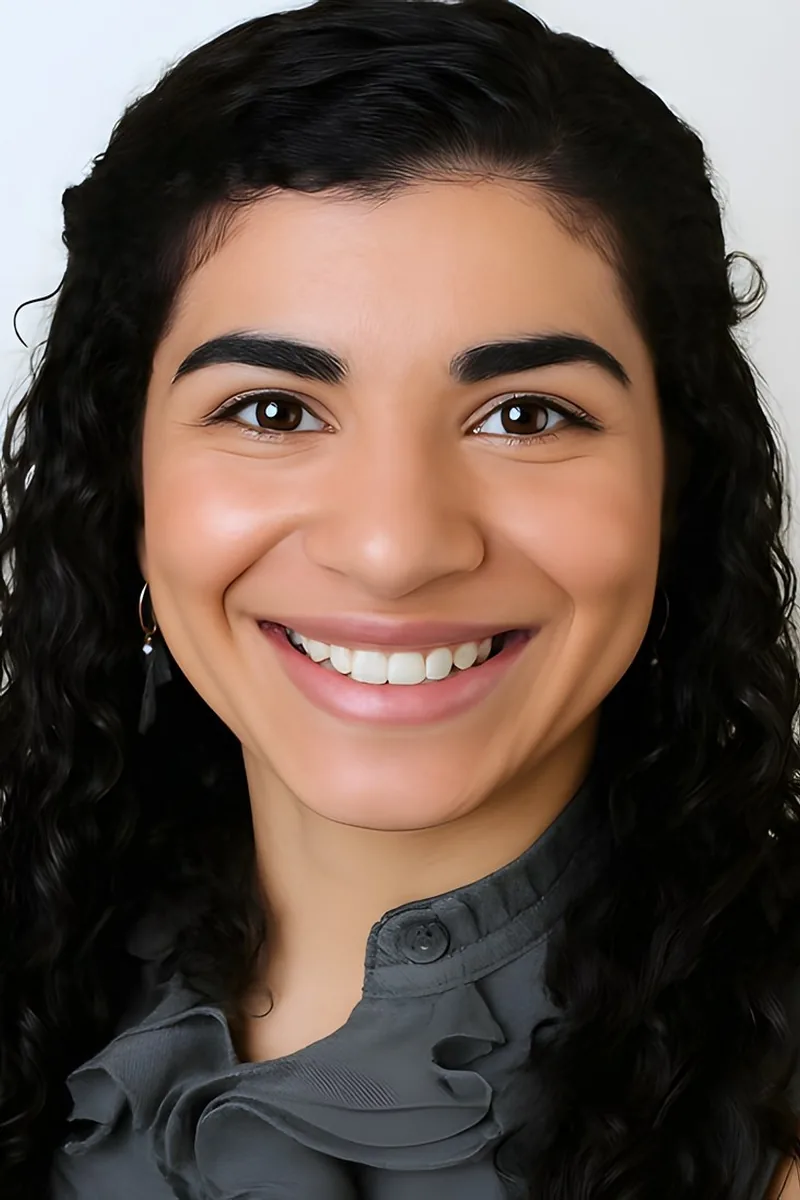
Paula's dual background in Communication Studies and Psychology gives her a sharp eye for how language works — from sentence-level grammar mechanics to the way a well-structured argument persuades a reader. She breaks down essay organization, thesis development, and revision strategies in ways that click for students who've been told to "just write better" without knowing what that actually means. Rated 4.8 by students, with SAT Reading and Writing scores to back up her command of the subject.

Reading a poem and reading a lab report actually require a similar skill: pulling meaning out of dense, precise language. Alina's science background sharpens the close-reading instincts she brings to literature and essay work, and she's particularly good at teaching students how to build a thesis from textual evidence rather than summarizing plot. Her 5.0 rating speaks to how well that analytical approach clicks with students.
Between her Ancient and Medieval Studies minor and her love of reading and writing, Isabella brings genuine literary curiosity to English tutoring — she's the rare STEM student who also knows how to dissect a thesis statement or trace a motif through a novel. She approaches essays the way she approaches proofs: every claim needs evidence, every paragraph needs a clear purpose. Rated 5.0 by students.
Having taught high school science and worked in college prep administration, Marion knows exactly what polished academic writing looks like across disciplines — and where students' grammar, structure, and argumentation tend to break down. She applies that editorial eye to English tutoring, especially when it comes to crafting clear thesis-driven essays and tightening prose that reads as vague or unfocused. Rated 5.0 by students.
Between a Duke history degree heavy on primary-source analysis and a law career built on persuasive writing, Jean brings two complementary lenses to English instruction. She tackles everything from thesis development to close reading of literary texts, teaching students how to build arguments that are both well-structured and grounded in textual evidence. Her 1500 SAT score speaks to the reading and writing fluency she brings to the table.
Erica's cognitive science background means she thinks deeply about how people process and interpret language, which translates directly into how she teaches reading comprehension, textual analysis, and argumentative writing. Whether a student is dissecting a passage for tone and purpose or building a thesis from evidence, she walks through the reasoning step by step. Rated 4.8 by students.
Rebecca's anthropology background gives her a distinctive lens for English — she teaches students to read texts the way an anthropologist reads a culture, pulling apart tone, context, and subtext to build interpretations that go beyond surface-level summaries. Whether it's crafting a thesis statement or close-reading a passage, she emphasizes the connection between clear thinking and clear writing.
Cognitive science at Brown means Alice spends her days studying how people process language — how readers extract meaning, how writers structure arguments to persuade, and why certain phrasings stick while others slide past. She channels that understanding of how the brain handles text into teaching essay construction, reading comprehension, and the kind of deliberate word choice that elevates student writing from adequate to sharp.
From thesis-driven essays to close reading passages, English class asks students to do several very different things well. Ethan breaks each skill down individually — annotating a text for rhetorical devices, outlining an argument before drafting, choosing evidence that actually supports a claim — so students know exactly what strong work looks like before they turn it in.
Between analyzing dense neuroscience research papers and constructing legal arguments for her minor, Bona reads and writes across very different styles — and that range is exactly what English demands. She's sharp at teaching close reading skills like identifying tone, tracking an author's argument, and pulling textual evidence that actually supports a thesis. Students working on literary analysis or timed essays get someone who can show them how to build a claim and defend it efficiently.
Few English tutors write professionally every day — Robert does, and that daily practice sharpens how he teaches close reading, thesis development, and textual analysis. Whether a student is unpacking a poem's figurative language or structuring a five-paragraph essay, he connects the craft of writing to the craft of reading in a way that makes both click. Rated 5.0 by students.
Between a master's in English Education from the University of Missouri and doctoral work in linguistics at UGA, Wei has spent years studying how people actually process written and spoken English — from close reading and textual analysis to crafting clear, well-organized essays. She's particularly sharp at teaching students how to build an argument with evidence, moving from a rough thesis to a polished piece of analytical writing.
Most science majors treat English as a requirement to survive; Saniya pursued it as a full minor alongside neuroscience, giving her genuine depth in close reading, thesis development, and analytical writing. She approaches English assignments by teaching students to build arguments from textual evidence, whether they're writing a literary analysis essay or unpacking a poem's structure. Her 5.0 rating speaks to that dual fluency.
Engineering majors don't usually get credit for their writing chops, but Ilesh pairs analytical rigor with a genuine love of reading and writing that shows up in how he teaches grammar, argument structure, and close reading. His approach treats English skills as tools for building clear, persuasive communication — whether a student is parsing a passage or drafting an essay. Rated 5.0 by students.
From close reading and literary analysis to crafting thesis-driven essays, Juliana covers the full range of skills English classes demand. Her background at Northwestern's writing center means she teaches students to build arguments from textual evidence and revise with purpose — the kind of process that carries from one assignment to the next.
Between tutoring literature, editing college essays, and coaching SAT Reading, Vignesh has spent a lot of time inside the mechanics of how written English actually works. He breaks reading comprehension and analytical writing into repeatable skills — identifying an author's argument, pulling textual evidence, structuring a clear response — and then drills each one until it becomes second nature.
Reading a poem or a novel closely and then articulating an argument about it in writing are two distinct skills, and Morgan teaches both. Her English literature studies at WashU mean she's constantly analyzing texts across genres and periods, so she can show students how to identify literary devices, develop a thesis, and structure an essay that actually says something. She holds a 5.0 rating from students.
Years of close-reading plays and literary texts gave Merav an instinct for subtext — the meaning hiding beneath what's actually written on the page. She brings that same skill to English tutoring, whether a student is analyzing a novel's themes, building a thesis for an essay, or learning to read more critically and actively. Her 1560 SAT speaks to the test-facing side of those skills as well.
A self-described lover of the arts with editorial experience at Columbia's Journal of International Affairs, Denise tackles English by linking reading comprehension and analytical writing into one skill. She shows students how to pull a thesis out of a text, support it with specific evidence, and revise until the argument is airtight — the same process she used editing scholarly articles for publication.
Reading comprehension and written expression are two sides of the same coin, and Tigist tackles both by connecting what students read to what they write. Her Master's coursework in Urban Education sharpened her ability to teach skills like identifying a text's main idea, supporting a claim with evidence, and revising drafts — particularly for learners who need extra structure to build confidence with language.
A triple major in Psychology, Spanish, and Religion gave Sydney an unusual depth of reading across genres — from American literary classics to philosophical texts to cultural criticism. She teaches close reading as an active skill, showing students how to trace an author's argument through word choice, structure, and tone rather than skimming for surface-level themes.
Between her coursework at Washington University in St. Louis and her experience editing essays and coaching public speakers, Abigail tackles English from both the analytical and creative sides — close reading a passage for rhetorical strategy one session, then workshopping a student's thesis statement the next. Her 33 ACT composite speaks to the kind of reading comprehension and language skills she brings to every session.
Reading a novel and actually understanding what an author is doing with tone, symbolism, or narrative structure are two very different skills. Ominira's literature and writing background — sharpened through years of coaching students on college essays and academic writing — means she connects close reading directly to stronger written analysis. She's particularly effective at teaching students how to pull textual evidence and build a paragraph that says something specific rather than just summarizing the plot.
Grammar, sentence structure, and clear argumentation aren't separate skills — Emily teaches them as interconnected parts of effective writing, drawing on years of editing essays for classes, college applications, and job applications. Her Spanish degree sharpened her understanding of English syntax from the outside in, giving her a knack for explaining why a sentence works or doesn't. Rated 4.7 by students, she's especially strong at helping writers rephrase muddy ideas into precise, confident prose.
Between her law degree and her love of French language instruction, Jenna has spent years dissecting how words create meaning — a skill she brings directly to English tutoring. She tackles reading comprehension, thesis development, and textual analysis by teaching students to ask what an author's choices accomplish, not just what the text says.
Chris pairs his Cornell education coursework with hands-on teaching experience across public schools, private tutoring, and summer programs to tackle English from multiple angles — whether that means dissecting an author's argument, strengthening thesis statements, or tightening paragraph structure. He's especially effective at connecting reading comprehension to stronger writing, showing students how good writers borrow techniques from what they read.
Reading a novel and understanding a novel are two very different things, and John bridges that gap by teaching students to track how literary devices — symbolism, narrative structure, tone shifts — build an author's argument. His English degree from the University of Georgia covered everything from Shakespeare to contemporary fiction, and his own love of books and writing makes close reading feel less like homework and more like detective work.
An avid reader and writer who also holds a PhD in engineering, Bettina bridges analytical and creative thinking in a way that makes English click for STEM-minded students. She tackles reading comprehension, literary analysis, and essay composition by teaching students to identify an author's argument and evaluate the evidence behind it. That structured lens turns vague responses into sharp, well-supported interpretations.
Between a 1570 SAT, extensive writing experience through college essays and research, and a minor that required close reading in two languages, Hailey brings real range to English tutoring. She unpacks everything from thesis development and textual analysis to the nuts-and-bolts revision skills that turn a rough draft into a polished piece.
Between literary analysis essays, research papers, and college application writing, Matthew's English tutoring draws on the heavy reading-and-writing load that comes with a political science degree. He's especially effective at teaching students how to build a thesis that does real argumentative work and then organize evidence around it — the skill that separates a B paper from an A.
Reading dense academic papers in a data analytics program and editing peer work at Georgia Tech sharpened Brian's eye for how arguments are constructed in English — thesis placement, evidence integration, and paragraph-level coherence. He unpacks both the reading comprehension and writing sides of English coursework, connecting what students analyze in texts to what they produce on the page.
A biochemistry major who also excels in writing might sound unusual, but Maddie's strength in English comes from treating reading and writing as skills you can systematically improve. She walks students through close-reading techniques for poetry and prose, then applies that same analytical rigor to crafting thesis statements and organizing argumentative essays.
An avid reader and writer outside her science career, Yasheen approaches English through close reading — teaching students to notice how word choice, structure, and tone shape meaning in a text. She's particularly strong at coaching essay writing, from building a clear thesis to revising for coherence and style. Her 5.0 student rating speaks to her range across both STEM and humanities subjects.
David brings an analytical reader's eye to English, treating essays and literary passages as arguments to be dissected rather than texts to simply summarize. His experience coaching college essays and editing student writing means he can pinpoint where a paragraph loses its thread and show how to restructure it for clarity and impact. Rated 5.0 by students.
Christopher's love of reading and writing extends well beyond his science career — he lists books, reading, and writing among his regular pursuits and has experience tutoring college essays and literature alongside editing. He approaches English by teaching students to read critically, identify an author's argument or narrative strategy, and articulate their own ideas in structured, evidence-driven prose. His analytical training in the sciences actually strengthens his English instruction, since he emphasizes logical organization and precise word choice in every piece of writing.
An avid reader and writer outside the classroom, Sean brings genuine enthusiasm for language to his English tutoring — whether that means unpacking an author's rhetorical choices in a novel or tightening the structure of a five-paragraph essay. His computer science background at UGA also sharpens his approach to grammar and syntax, treating sentence mechanics almost like debugging code until every piece clicks into place. Rated 4.8 by students.
Between his love of books, his experience editing college essays, and his work turning reluctant readers into engaged ones, Josh covers the full arc of English — from close reading and literary analysis to crafting a thesis and revising drafts. He's especially strong at teaching students how to pull textual evidence into their own arguments without just dropping in quotes. Rated 5.0 by students.
Between his LSAT prep and his dual-degree coursework in international affairs and economics, Max has written and revised more analytical prose than most people produce in a lifetime. He teaches students to build arguments through close reading — identifying an author's purpose, tracing how evidence supports a claim, and crafting responses that go beyond summary into genuine analysis.
Years of assigning and evaluating historical essays gave Alison a sharp eye for what makes writing clear, well-organized, and persuasive — skills that apply far beyond history class. She tackles English fundamentals like thesis construction, paragraph development, and textual analysis by showing students how to build an argument from evidence, whether they're writing about Shakespeare or a personal narrative.
Luci earned perfect scores on both the SAT verbal section and the SAT II Literature exam, then spent years sharpening those skills through journalism and legal practice. She teaches close reading as an active process — annotating for tone, identifying an author's rhetorical moves, and building interpretations that hold up under scrutiny.
Testimonials
Because the right English tutor makes all the difference.
Average Session Rating – Based on 3.4M Learner Ratings
Nearby English Tutors
Other Columbus Tutors
Related English Tutors in Columbus
Frequently Asked Questions
Varsity Tutors matches Columbus students with expert English tutors for 1-on-1 instruction. We pair each student with a tutor based on their specific needs, learning style, and goals.
Whether you need homework help, exam prep, or want to get ahead, our English tutors are ready to help.
Common challenges include gaps from earlier material, difficulty with specific concepts, and trouble applying learning to new problems. These issues can snowball quickly in English.
A tutor identifies where you're stuck, fills in gaps, and provides targeted practice. The 1-on-1 format means you get help exactly where you need it.
Tutors work with your student's actual coursework—homework assignments, class notes, and upcoming tests. This keeps tutoring directly relevant to what's happening in the classroom.
When you share information about your student's school and curriculum, we can match you with a tutor who has relevant experience.
All tutors complete background checks, credential verification, and teaching evaluation. Many of our English tutors hold advanced degrees or have years of teaching experience.
You can review tutor profiles to find someone with the right background for your student's level and needs.
Many students see improved grades within a few weeks, along with better understanding of English concepts and more confidence tackling challenging material.
Tutors track progress and adjust their approach to ensure continued improvement.
Most students benefit from 1-2 sessions per week. More frequent sessions help if your student is significantly behind or has an important exam coming up.
Your tutor can recommend a schedule based on your student's specific situation and goals.
Tutoring is purchased in packages of hours, with rates varying by tutor experience. Varsity Tutors offers several options to fit different budgets and needs.
You can discuss pricing during your consultation to find what works best.
Your tutor will assess where your student is, discuss goals, and start working on priority areas. Most students bring current homework or upcoming test material to focus on.
By the end, you'll have a clear sense of how the tutor can help and a plan for moving forward.
Let’s find your perfect tutor
Answer a few quick questions. We’ll recommend the right plan and match you with a top 5% tutor.