Award-Winning Art History Tutors
serving Winter Haven, FL
Art History
Tutors in Winter Haven
Private 1-on-1 tutoring, weekly live classes for academic support, test prep & enrichment, practice tests and diagnostics, and more to elevate grades and test scores.
Based on 3.4M Learner Ratings
UniversitiesSchools & Universities
DeliveredHours Delivered
ProficiencyGrowth in Proficiency
Who needs tutoring?
No obligation. Takes ~1 minute.
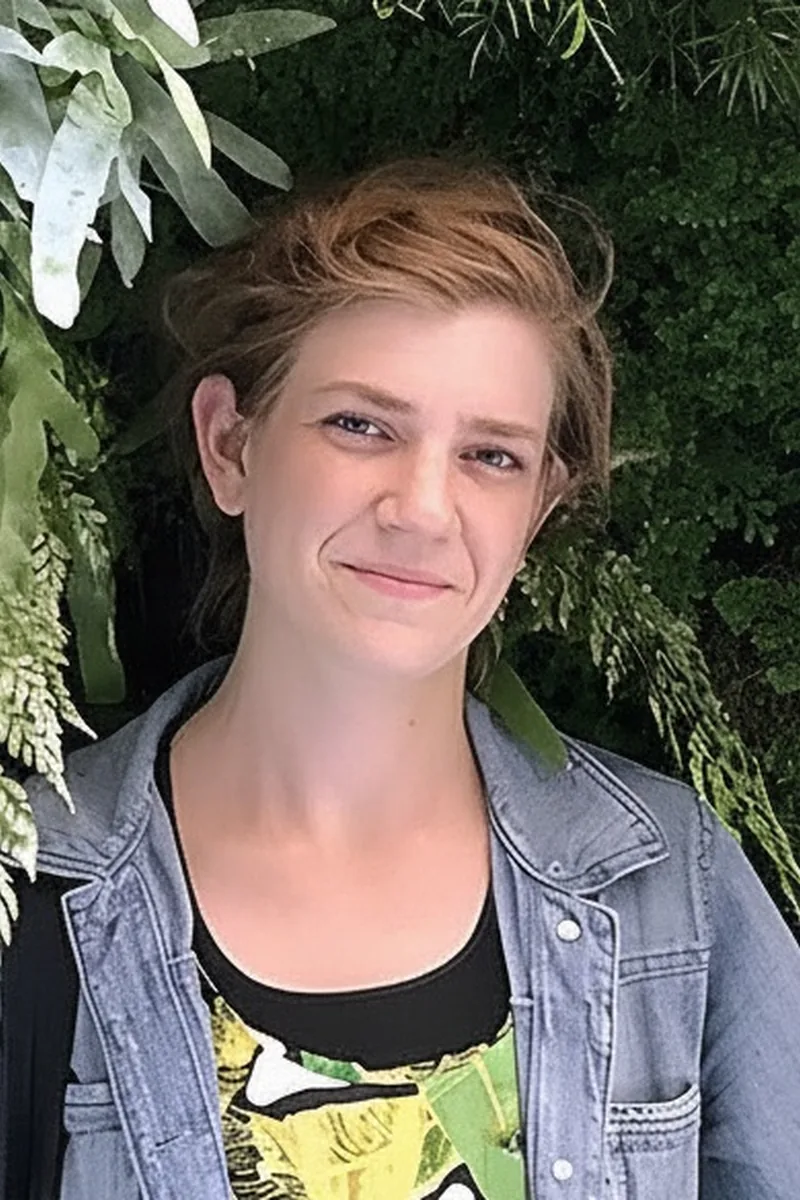
Few art history tutors have actually made art professionally. Emily's MFA in Photography from SCAD means she can explain compositional choices, material techniques, and visual rhetoric from the inside — whether a student is analyzing a Baroque altarpiece or a Cindy Sherman self-portrait. She teaches students to build interpretive arguments that connect formal analysis to broader cultural and historical contexts.
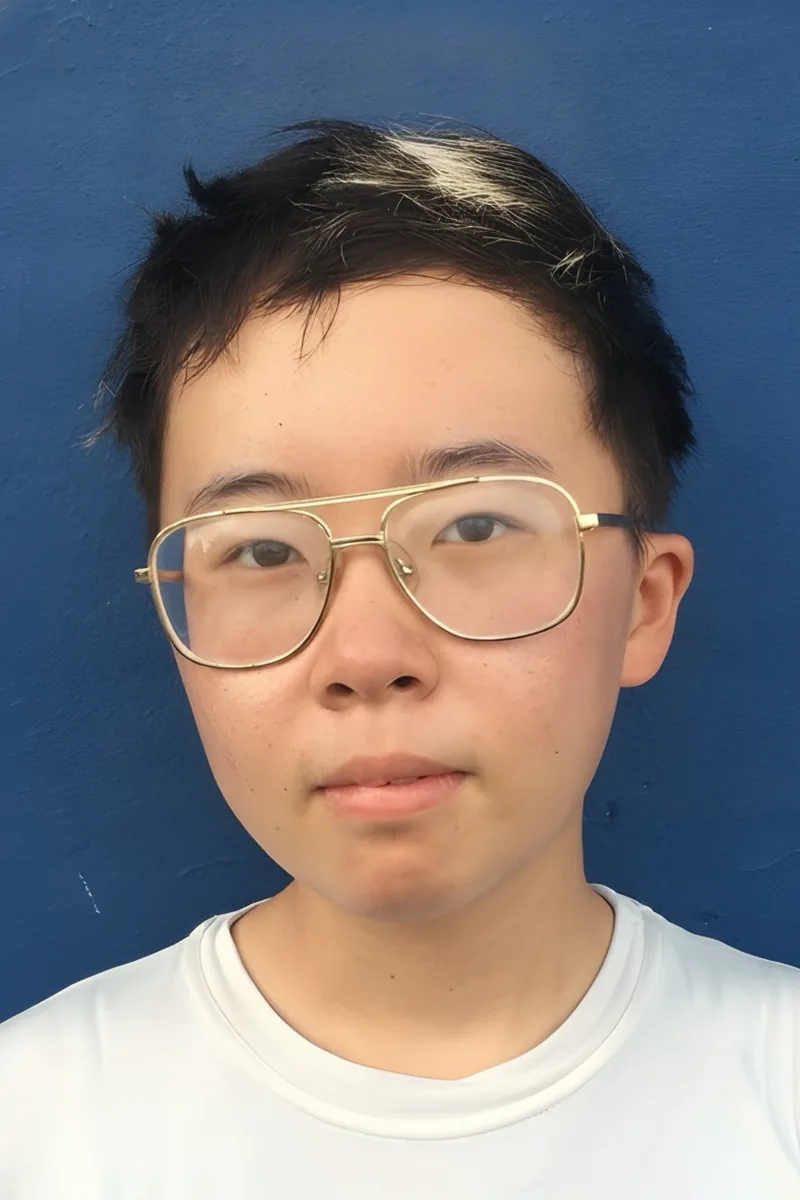
As a studio art major who spends time both making and studying art, Parker brings firsthand creative context to art history concepts like formal analysis, iconography, and period identification. He teaches students to look at a painting or sculpture and articulate not just what they see but why the artist made specific compositional choices within a broader cultural moment.
Every painting, sculpture, or building is an argument made in stone or pigment — and Vivian reads those arguments fluently. Her Medieval Studies and Classics training at Fordham covers iconography, patronage systems, and stylistic evolution from Greek temples through Gothic cathedrals, while her current role as a museum educator means she's practiced at making visual analysis intuitive rather than abstract.
I am a graduate of Florida State University, where I received a Bachelor of Arts in Art History and English, and University of North Carolina--Chapel Hill, where I received a Master of Science in Library Science. I currently work as Assistant Curator of Visual Resources in the History of Art department at Vanderbilt University. In my downtime I enjoy reading and hiking with my dog.
I am currently a first grade teacher in the New York City Department of Education. I teacher in an inclusive classroom using Math in the City, TERC, and the Teachers College Reading and Writing Project Units of Study. I have over 10 years of experience tutoring students of all levels in grades K-12. I have helped students with test prep for the ACT, SAT, and AP exams as well as middle school admissions. I also have experience supporting young students with early literacy and math skills. Most recently, I worked as a cocurrator on the TCRWP Classroom Libraries Project.
I am a senior at Yale University majoring in Humanities. That means I get to study a wide variety of subjects: history, english, philosophy, art history, political philosophy, and more! I've worked as a coach on a rock climbing team for 3 years, so I have a lot of experience working with kids and teens of all ages. Through my volunteer work at an ancient art museum, I also gained experience designing classes and presentations for adults. My passion is writing, so I'm most excited to tutor English and help with college applications; having recently gone through the college application process myself, I am confident I can help craft stellar applications. When I'm not studying or tutoring, I love to rock climb and generally do anything outside. I love hiking, wakeboarding, and kayaking, and can talk about the outdoors for hours!
Cognitive science trains you to think about how humans perceive, process, and make meaning from visual information — a surprisingly useful lens for art history, where understanding why a composition directs the eye or how color choices trigger emotional responses can deepen any formal analysis. Snipta's dual background in cognitive science and computer science gives a distinctive, science-informed angle on interpreting works across periods, from the symmetry principles in Classical Greek sculpture to the perceptual disruptions of Op Art. Rated 5.0 by students.
I am a senior at The University of Georgia studying finance and entrepreneurship. I have completed summer internships with SunTrust Robinson Humphrey in Atlanta as well as with Moelis & Company in New York City. After graduating in May, I will be joining Alvarez & Marsal, a management consultancy. I have a passion for learning as well as helping others unlock their potential.
I am a high school history teacher who has also worked as a teaching assistant at one of the country's top 10 colleges. I've taught ACT/SAT prep for about 4 years to students at all ends of the academic spectrum: from those working with learning disabilities/accommodations & struggling with timing to those trying to achieve perfect scores. Although I always create individualized plans, I focus on teaching every student the most effective, step-by-step way to approach each question on each section of the test. Beyond test prep, I've taught/tutored just about every academic subject through the undergraduate level. Outside the classroom, I enjoy reading about history, going to church, coaching sports (track & tennis), and spending time with my family. I really enjoy getting to know each student I teach as we work toward our goals.
Andrea's English Literature degree trained her to close-read texts for symbolism, context, and argument — skills that transfer directly to analyzing visual works, from reading the iconography in a medieval altarpiece to unpacking the cultural commentary in a Dadaist collage. Her background in Arabic adds a less common strength: familiarity with Islamic art traditions, geometric patterning, and calligraphic aesthetics that many Western-focused art history courses gloss over. Rated 4.7 by students.
A double concentration in Literary Arts and Visual Arts at Brown means Hasan doesn't just know art movements by name — he can unpack how formal choices in a painting connect to the philosophical, religious, and political currents of its era. He walks students through visual analysis techniques that turn a daunting slide identification into a structured, confident reading of any work.
Stephanie doesn't just study buildings in photographs — she has a master's in historic preservation and works on architectural restoration, so she understands artistic movements as living, material things. That perspective makes art history concepts like the shift from Romanesque to Gothic, or the ideological battles behind Modernism, far more concrete than a slideshow of dates and names. She connects formal analysis of style, space, and symbolism to the historical forces that produced each work.
I'm an experienced teacher and tutor with a Bachelors in English from the University of Alabama and a Masters in Literature and the Humanities from St. Edward's University, looking to help my students share in my love of learning!
I am a friendly, patient, sociable, articulate person and I look forward to helping you succeed!
Update: I completed a two-month full-time guest teacher assignment teaching World Languages Spanish to high school students (9th-12th) Spanish 1/2/3. By utilizing a student-centered learning approach, cultural competence, and equitable teaching, I support students with pedagogy rooted in inquiry, hypothesis, information gathering, problem-solving, and action. I encourage all students to adopt an open-minded approach, and provide support to gifted students, students with disabilities, English Language Learners, and Multilanguage Learners with equity. "Not everything that is faced can be changed, but nothing can be changed until it is faced." James Baldwin I am in my second year of grad school, pursuing a dual master's degree in K-8 Elementary Education and K-12 Special Education (Mild to Moderate Disabilities). With my education grad studies and BFA from the Rhode Island School of Design (RISD), I synthesize creativity and best practices in education to find creative ways of supporting learners. My pursuit and purpose is to guide with compassion and enthusiasm. I encourage students to take ownership of their learning. By promoting student agency, students empower themselves to achieve in academic, social, emotional, and behavioral development. As an ADHD adult, I enjoy working with ADHD students and adults experiencing anxiety + depression. What is effortful for our neurodivergent brains is also our superpower! In my career, I have lived and worked in NYC as an editorial photographer, actor, and dancer. I lived in Berlin and pursued performance art + music while honing my communications skills in digital art + copywriting in Marketing. In Los Angeles, I succeeded as a commercial and theatrical actor. My skill set is suited for collaboration with all students to support and develop their passion for learning, exploration, and critical thinking. I live in southeastern Washington State and teach in northeastern Oregon and southeastern Washington State public school districts. I support students in the following subjects: Elementary School Reading Elementary School Math AP English High School English Middle School English Middle School Math Digital Media & Graphic Design Fine Arts & Filmmaking Creative Writing Study Skills & Organization German 1/2 Spanish 1/2/3 Spanish Language Arts English Language Learners English Language Development Algebra 1/2 Special Education (all subjects) High School Math "We all have ability. The difference is how we use it." Stevie Wonder Thank you for reading! Ms. Anna C.
Philosophy trains you to trace how ideas move through history — and art history is where those ideas become visible, from the Neoplatonic ideals embedded in Renaissance painting to the existential ruptures of Abstract Expressionism. Adam's philosophy degree gives him a distinctive lens for teaching students to connect aesthetic movements to the intellectual currents that shaped them. He's especially useful for students who need to build interpretive arguments rather than just memorize slides.
Testimonials
Because the right Art History tutor makes all the difference.
Average Session Rating – Based on 3.4M Learner Ratings
Nearby Art History Tutors
Other Winter Haven Tutors
Related Social Studies Tutors in Winter Haven
Frequently Asked Questions
Varsity Tutors matches Winter Haven students with expert Art History tutors for 1-on-1 instruction. We pair each student with a tutor based on their specific needs, learning style, and goals.
Whether you need homework help, exam prep, or want to get ahead, our Art History tutors are ready to help.
Common challenges include gaps from earlier material, difficulty with specific concepts, and trouble applying learning to new problems. These issues can snowball quickly in Art History.
A tutor identifies where you're stuck, fills in gaps, and provides targeted practice. The 1-on-1 format means you get help exactly where you need it.
Tutors work with your student's actual coursework—homework assignments, class notes, and upcoming tests. This keeps tutoring directly relevant to what's happening in the classroom.
When you share information about your student's school and curriculum, we can match you with a tutor who has relevant experience.
All tutors complete background checks, credential verification, and teaching evaluation. Many of our Art History tutors hold advanced degrees or have years of teaching experience.
You can review tutor profiles to find someone with the right background for your student's level and needs.
Many students see improved grades within a few weeks, along with better understanding of Art History concepts and more confidence tackling challenging material.
Tutors track progress and adjust their approach to ensure continued improvement.
Most students benefit from 1-2 sessions per week. More frequent sessions help if your student is significantly behind or has an important exam coming up.
Your tutor can recommend a schedule based on your student's specific situation and goals.
Tutoring is purchased in packages of hours, with rates varying by tutor experience. Varsity Tutors offers several options to fit different budgets and needs.
You can discuss pricing during your consultation to find what works best.
Your tutor will assess where your student is, discuss goals, and start working on priority areas. Most students bring current homework or upcoming test material to focus on.
By the end, you'll have a clear sense of how the tutor can help and a plan for moving forward.
Let’s find your perfect tutor
Answer a few quick questions. We’ll recommend the right plan and match you with a top 5% tutor.