Award-Winning Art History Tutors
serving Orlando, FL
Art History
Tutors in Orlando
Private 1-on-1 tutoring, weekly live classes for academic support, test prep & enrichment, practice tests and diagnostics, and more to elevate grades and test scores.
Based on 3.4M Learner Ratings
UniversitiesSchools & Universities
DeliveredHours Delivered
ProficiencyGrowth in Proficiency
Who needs tutoring?
No obligation. Takes ~1 minute.
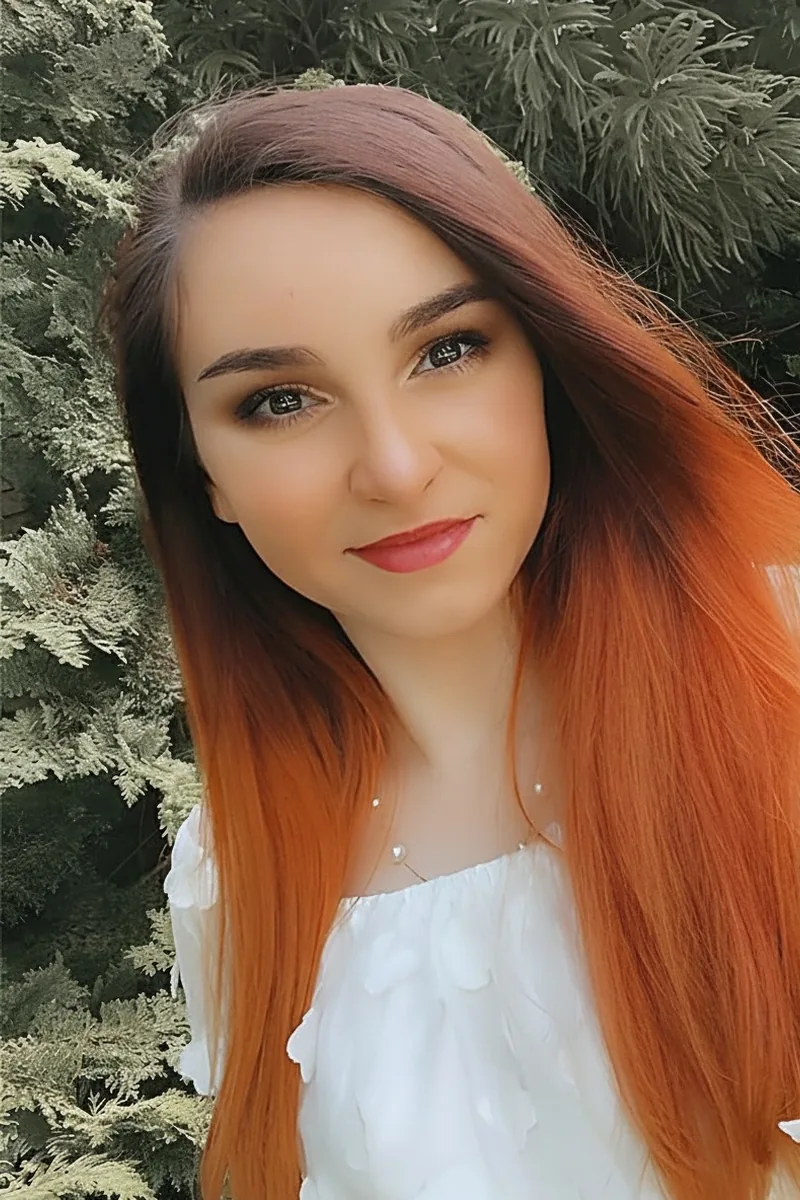
Every painting, sculpture, or building is an argument made in stone or pigment — and Vivian reads those arguments fluently. Her Medieval Studies and Classics training at Fordham covers iconography, patronage systems, and stylistic evolution from Greek temples through Gothic cathedrals, while her current role as a museum educator means she's practiced at making visual analysis intuitive rather than abstract.
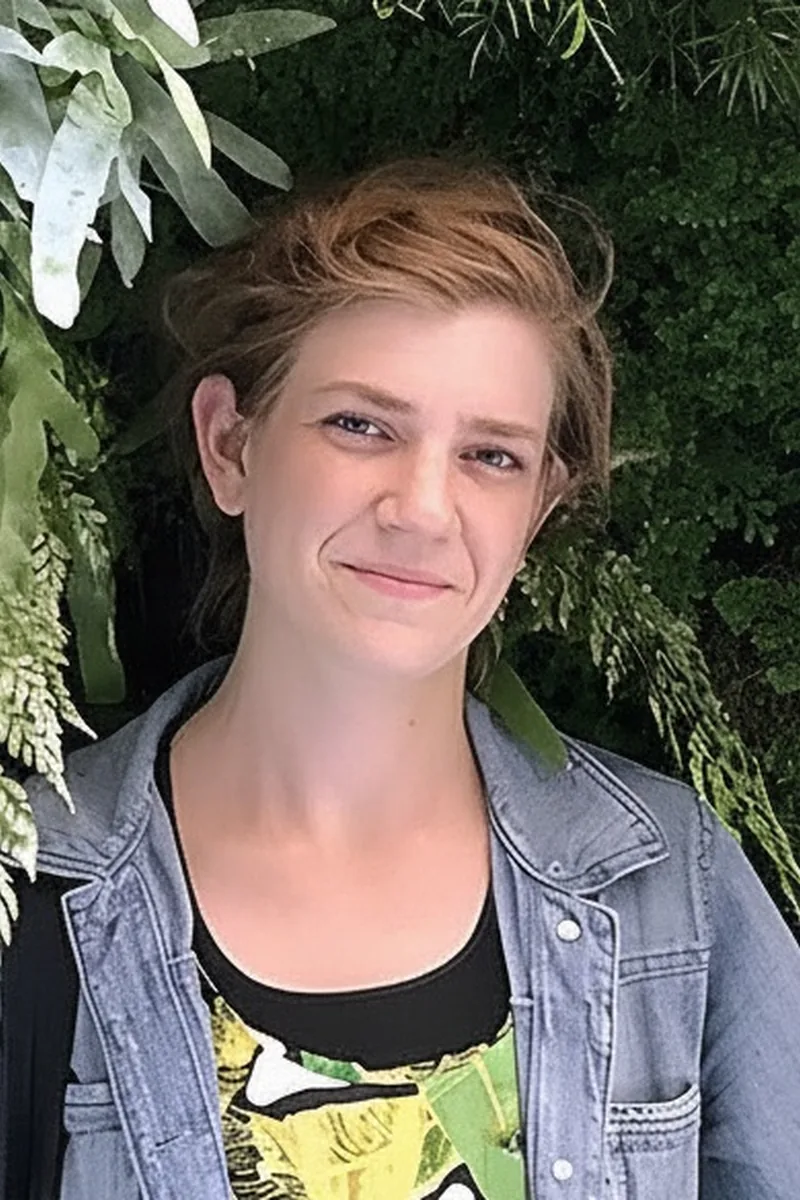
Few art history tutors have actually made art professionally. Emily's MFA in Photography from SCAD means she can explain compositional choices, material techniques, and visual rhetoric from the inside — whether a student is analyzing a Baroque altarpiece or a Cindy Sherman self-portrait. She teaches students to build interpretive arguments that connect formal analysis to broader cultural and historical contexts.
As a studio art major who spends time both making and studying art, Parker brings firsthand creative context to art history concepts like formal analysis, iconography, and period identification. He teaches students to look at a painting or sculpture and articulate not just what they see but why the artist made specific compositional choices within a broader cultural moment.
I am a graduate of Florida State University, where I received a Bachelor of Arts in Art History and English, and University of North Carolina--Chapel Hill, where I received a Master of Science in Library Science. I currently work as Assistant Curator of Visual Resources in the History of Art department at Vanderbilt University. In my downtime I enjoy reading and hiking with my dog.
Studying art history means learning to read a painting the way you'd read a primary source — asking who commissioned it, what conventions the artist followed or broke, and what the work reveals about its era. Kelly's liberal arts training and international travel give her a cross-cultural lens that's particularly useful when comparing Western European traditions to global artistic movements.
As a dedicated painter and visual artist, Nikki brings genuine enthusiasm to art history that goes beyond memorizing movements and dates. She connects artistic techniques — perspective, composition, use of light — to the cultural contexts that produced them, making it easier to remember why Impressionism broke from Realism or how Baroque drama differed from Renaissance balance.
Stephanie's dual degrees in English and History from Cornell, plus her current master's work in History at Penn, give her a sharp eye for the kind of cross-disciplinary reading art history demands — interpreting a work as both an aesthetic object and a product of its political and social moment. She's especially strong on helping students craft the written analyses that make or break art history courses, since she's spent years building arguments from primary sources across multiple humanities disciplines.
I'm a recent MA graduate from the University of Chicago with a concentration in History. I can help with History, English, Reading, and Writing, specifically with helping edit and write essays. My time in higher education has left me with a passion for furthering the educational goals of students. I believe tutoring is a great way to help students be more enthusiastic and confident about specific subject areas.
Mat's history minor at NYU and his extensive travel across cultures give him a useful angle on art history — he teaches students to situate works within the broader political, economic, and social forces that produced them, whether that's Medici patronage driving Florentine art or colonial encounters reshaping visual traditions. His finance and strategy background also sharpens his ability to break down the patronage and market dynamics that shaped artistic production across periods.
Few tutors bring Anneliza's combination of a BA in Art and a Master's in Landscape Architecture to art history. She connects movements like Baroque, Impressionism, and Modernism to the built environments and design philosophies that shaped them, making visual analysis and period identification click in ways a textbook alone can't.
Claudia's undergraduate work in art history and classical studies means she can trace visual traditions from ancient Greek and Roman art through their Renaissance revival and beyond — giving students a sense of continuity that makes periodization click rather than feel arbitrary. Her library science training also sharpens how she teaches research skills, so students learn to find and use scholarly sources when building arguments about iconography or patronage. Rated 5.0 by students.
I'm an experienced teacher and tutor with a Bachelors in English from the University of Alabama and a Masters in Literature and the Humanities from St. Edward's University, looking to help my students share in my love of learning!
Studying both Child Development and Art History at Vanderbilt means Elena lives in two disciplines that are all about close observation — reading a child's behavior or reading a Caravaggio use surprisingly similar analytical muscles. She brings that dual lens to teaching students how to connect visual details like brushwork, spatial composition, and iconographic choices to the broader cultural moments that produced them. Rated 5.0 by students.
Jennifer's communication and rhetoric training translates surprisingly well to art history, where every exam answer and essay boils down to constructing a persuasive argument about what you see and why it matters. She teaches students to move from vague impressions to structured visual readings — identifying how composition, symbolism, and historical context work together to support a clear thesis. Rated 5.0 by students.
I am a senior at The University of Georgia studying finance and entrepreneurship. I have completed summer internships with SunTrust Robinson Humphrey in Atlanta as well as with Moelis & Company in New York City. After graduating in May, I will be joining Alvarez & Marsal, a management consultancy. I have a passion for learning as well as helping others unlock their potential.
I am a freshman at the University of Michigan working towards a major in Economics with a Minor in Data Science. I think it's important to cherish education because it can genuinely teach you different skill-sets. I've tutored all throughout high school from Kumon to volunteering. I love working with all age ranges with different subjects (my favorite being spanish, algebra, geometry, english, and reading). I think it's important to have fun while you're learning and to genuinely understand the material, not just doing homework to get it done. It is also very important to take breaks while doing homework and to make sure to take your time. Also during standardized tests, it's a hard test and sometimes pressure gets to students. It's okay to make mistakes but practicing through it is the most important part!
Testimonials
Because the right Art History tutor makes all the difference.
Average Session Rating – Based on 3.4M Learner Ratings
Nearby Art History Tutors
Other Orlando Tutors
Related Social Studies Tutors in Orlando
Frequently Asked Questions
Many students struggle with memorizing artists, movements, and dates without understanding the broader context that connects them. Art History also requires developing visual analysis skills—the ability to examine composition, color, technique, and symbolism—which takes practice beyond what a typical classroom lecture allows. Personalized tutoring helps students build these analytical frameworks so they're not just memorizing facts, but truly understanding why artworks matter and how they relate to historical periods and cultural movements.
Your first session is about understanding where you are and where you want to go. A tutor will likely assess your current knowledge of art movements and periods, discuss your specific goals (whether that's AP Art History preparation, improving essay grades, or building visual analysis skills), and learn about your learning style. From there, they'll create a personalized plan that might include guided museum analysis, focused study of key artists and movements, practice with essay writing, or exam preparation—whatever best serves your needs.
Visual analysis is a skill that improves with guided practice and feedback. A tutor can walk you through a systematic approach to examining artworks—looking at formal elements like line, color, and composition, then connecting those observations to historical context and artist intent. Rather than passively viewing slides in a classroom, personalized instruction lets you practice analyzing artworks at your own pace, ask questions in real-time, and receive immediate feedback on your interpretations. This active engagement builds confidence and deeper understanding.
Yes. AP Art History requires mastering around 250 artworks across multiple cultures and time periods, plus the ability to write analytical essays under timed conditions. Personalized tutoring helps you develop efficient study strategies, understand the exam format and scoring rubric, practice timed essays with feedback, and focus on the artworks and periods where you need the most support. Many students find that working with a tutor significantly reduces test anxiety and improves both their understanding and their exam performance.
Art History essays require you to make arguments about artworks using visual evidence and historical context—a skill that's different from other types of writing. A tutor can help you structure arguments, develop thesis statements that go beyond description, learn how to integrate formal analysis with historical information, and practice revision. With personalized feedback on your drafts, you'll quickly see what's working and what needs strengthening, leading to measurable improvement in your grades.
In a classroom of 25+ students in Orlando's schools, it's difficult for teachers to give individual feedback on visual analysis or essay writing, and pacing is set for the whole group. Personalized tutoring lets you move at your own speed, focus deeply on the artworks and periods that challenge you most, and get immediate, detailed feedback on your thinking. You can also ask questions without worrying about slowing down the class, and your tutor can adapt their teaching style to how you learn best—whether that's through discussion, visual comparisons, or hands-on analysis.
Look for a tutor with strong knowledge of art history across multiple periods and cultures, experience teaching or tutoring the specific level you need (high school, AP, college), and ideally some background in art or art history education. They should be able to explain not just what happened in art history, but why it matters—connecting artworks to their historical, social, and cultural contexts. Varsity Tutors connects you with tutors who have demonstrated expertise and experience helping students succeed in Art History.
That depends on your starting point and goals. Students preparing for AP Art History often benefit from consistent weekly sessions over several months to build comprehensive knowledge and essay skills. For students working on specific challenges—like improving essay grades or mastering a particular period—even bi-weekly sessions with focused practice between sessions can lead to noticeable improvement. Your tutor will help you create a realistic plan based on your timeline and what you're trying to achieve.
Let’s find your perfect tutor
Answer a few quick questions. We’ll recommend the right plan and match you with a top 5% tutor.