Award-Winning Literature Tutors
serving Tampa, FL
Literature
Tutors in Tampa
Private 1-on-1 tutoring, weekly live classes for academic support, test prep & enrichment, practice tests and diagnostics, and more to elevate grades and test scores.
Based on 3.4M Learner Ratings
UniversitiesSchools & Universities
DeliveredHours Delivered
ProficiencyGrowth in Proficiency
Who needs tutoring?
No obligation. Takes ~1 minute.
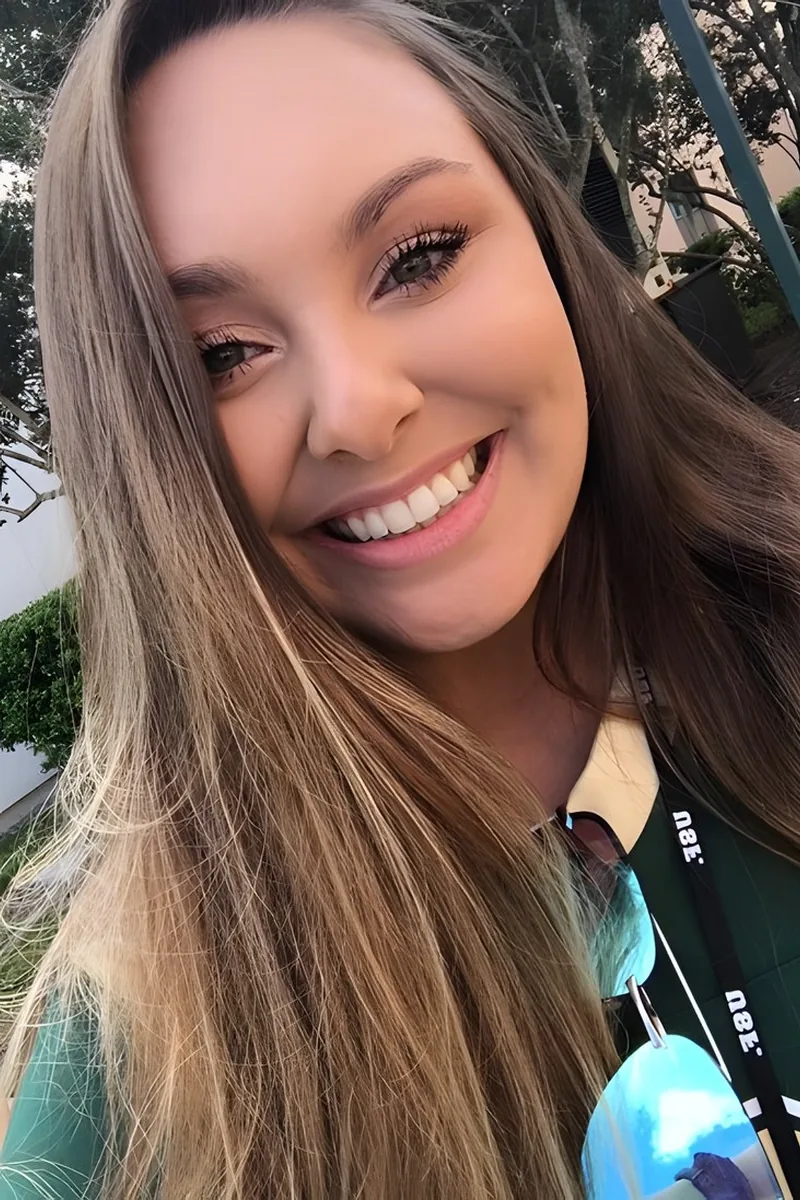
Reading a novel is one thing; building an argument about its themes, symbols, and narrative choices is an entirely different skill. Jordan approaches literature by teaching students to annotate with purpose — tracking motifs, questioning unreliable narrators, and pulling textual evidence that turns a surface-level response into a compelling analysis.
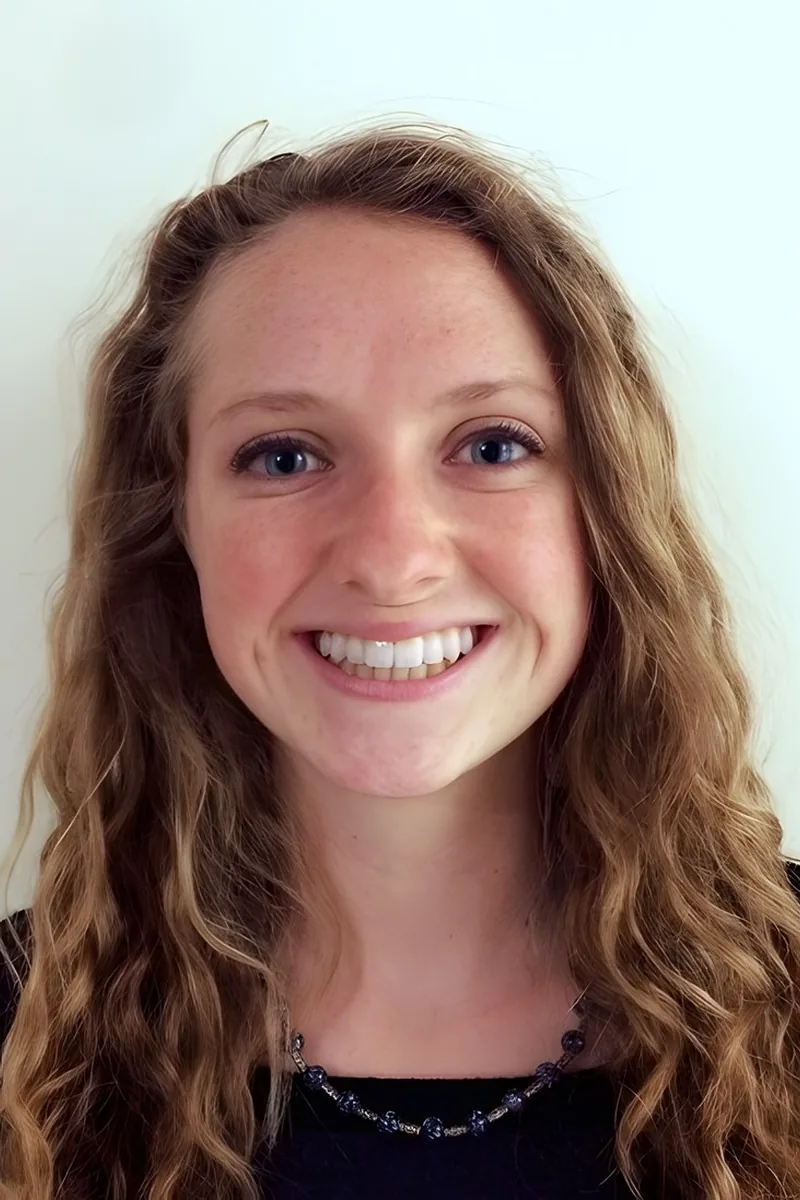
Reading literature well means learning to ask better questions — what's driving a character's choices, how does structure shape meaning, why does the author withhold information here? Genny is an avid reader herself, from novels to the Economist, and she teaches close-reading strategies that turn vague impressions into specific, textual arguments. That analytical lens transfers directly to writing stronger essays and class discussions.
Reading a novel closely means asking uncomfortable questions about what the author is actually doing with structure, imagery, and point of view — not just summarizing the plot. Adonai approaches literature analytically, teaching students to build interpretive arguments by pulling specific textual evidence and connecting it to larger themes. His love of reading and writing makes those close-reading conversations genuinely engaging.
Reading a novel and analyzing a novel are two very different skills, and the gap between them is where most students struggle. Sara teaches close-reading techniques — tracking imagery, identifying shifts in tone, unpacking an unreliable narrator — that turn vague impressions into precise literary arguments. Her own love of books makes the conversation feel less like homework and more like discovery.
Reading literature analytically means learning to ask better questions — not just 'what happened?' but 'why does the author use this image here?' or 'what's the argument embedded in this structure?' Perry's minor in Medical Humanities at Rice trained him to close-read across genres, and he brings that same attention to theme, tone, and textual evidence.
Reading a novel for pleasure and analyzing it for a literature class require completely different muscles — close reading, identifying rhetorical strategies, and building an argument about theme or structure. Jessica's history degree from Penn trained her to treat texts as arguments worth interrogating, and her writing certification means she can also teach students how to translate that analysis into polished literary essays. She's particularly effective with students who understand a book intuitively but struggle to articulate *why* it works on the page.
Reading a novel closely means more than tracking plot — it means noticing how imagery, narrative structure, and point of view shape meaning on every page. Michelle pursues a possible literature minor at Duke alongside her neuroscience degree, and she brings that dual analytical lens to poetry explication, close reading, and thematic essay writing.
Derek's CS training at Harvard might seem far from literary analysis, but his coursework across 16 AP subjects — including heavy reading and essay writing — built the kind of rigorous interpretive thinking that literature demands. He teaches students to treat a text's recurring motifs and narrative choices as evidence for an argument, turning vague thematic observations into precise, defensible claims.
Reading literature well means learning to sit with ambiguity — figuring out what an unreliable narrator is hiding, or why an author chose a particular structure over a more obvious one. Tiffany connects literary analysis to the close-reading skills she developed in law school, where every word in a text carries weight. She's especially effective at teaching students how to build interpretive arguments supported by textual evidence.
Reading literature through an analytical lens — identifying how an author builds theme through structure, diction, and point of view — comes naturally to someone trained in cognitive psychology and research methodology. Kaylah approaches close reading the way she approaches data: what patterns emerge, what's the evidence, and what argument can you build from it? That framework gives students a concrete method for tackling everything from poetry analysis to full-length novels.
Andrea reads voraciously — she'll recommend "Good Omens" to anyone who'll listen — and brings that enthusiasm to literary analysis. Whether a student is unpacking symbolism in a short story or tracing a character arc across a novel, she connects close reading techniques to the kind of analytical thinking her engineering training sharpened.
Reading a novel for class and actually analyzing it are two different tasks, and the gap usually shows up when students try to write about theme, symbolism, or narrative structure. Hari teaches close-reading techniques — annotating for patterns, tracking character development across scenes, connecting textual evidence to larger arguments — that turn passive readers into critical ones.
An avid reader outside the classroom, Joshitha brings genuine enthusiasm to literary analysis — whether that means unpacking unreliable narration in a novel or tracing how a poet's syntax reinforces theme. She teaches students to build arguments from textual evidence rather than surface-level summary, a skill that transfers directly to stronger analytical writing.
Reading a novel for plot is easy; reading it for how structure, point of view, and figurative language create meaning is the skill that transforms a student's relationship with literature. Olivia's American Studies degree immersed her in literary analysis across periods and genres, from Puritan sermons to contemporary fiction. She teaches students to build interpretive arguments about texts rather than just reacting to them.
Reading a novel closely means learning to track how an author builds meaning through imagery, dialogue, and structure — not just summarizing what happened. Caitlin's coursework in Asian and Middle Eastern Studies at Duke involves heavy literary analysis across cultures, which gives her practice connecting themes, historical context, and narrative technique in ways that translate directly to literature courses.
Pulling apart a text to find what it's really doing — how Toni Morrison uses fragmented time, or why a sonnet's volta lands where it does — is what Santiago enjoys most as a tutor. His English minor at Duke sharpened his ability to teach close reading as a skill, not a guessing game, and he's especially energized when analyzing literature in both English and Spanish.
Reading literature well means doing more than summarizing plot — it means noticing how an author's choices in structure, imagery, and point of view shape meaning. Anabel's double major at Vanderbilt trained her to analyze complex texts critically, a skill she applies whether the assignment involves Shakespeare's sonnets or Toni Morrison's narrative layering. She teaches students to build arguments about what they read, not just report what happened.
Analyzing literature requires the same close-reading instincts Gabriel sharpened while earning a 35 on the ACT — tracking how an author's word choices, structural decisions, and recurring motifs build meaning across a text. He walks students through techniques like identifying unreliable narrators, unpacking symbolism, and constructing thesis-driven arguments that go beyond plot summary. Rated 4.9 by students.
Reading literature well means doing more than summarizing plot — it means noticing how an author builds an argument through imagery, structure, and voice. Miriam's philosophy background and her experience designing an English and Engineering course in Colombia gave her practical tools for teaching close reading and textual analysis to students at every level of comfort with the written word.
An engineering major who reads closely might sound unusual, but Nicolas approaches literary analysis the way he approaches physics problems — by identifying structure, tension, and the logic holding an argument together. He teaches students to move past surface-level summaries and build interpretations grounded in textual evidence, whether they're unpacking a Shakespeare soliloquy or a Toni Morrison novel.
Reading literature across three languages — English, Spanish, and French — gives Manuela an unusual lens for unpacking themes like identity, colonialism, and cultural memory that surface in everything from García Márquez to Camus. She teaches close-reading techniques that go beyond plot summary, showing students how to trace motifs, analyze narrative structure, and build arguments grounded in textual evidence. Rated 5.0 by students.
I am graduated from Penn State University in Industrial Engineering in 2017. I've tutored ever since I was in high school, and I love helping people! I like to help my students understand math (and other topics) instead of just doing it blindly. My goal is to help my students improve their math (and other topics) and build skills that will help them find learning easier in the future! Fun fact, I used to work for Disney and I like to salsa dance!
Reading literature well means noticing what an author chose not to say as much as what they did. James approaches novels, poetry, and short stories by teaching students to track imagery, narrative voice, and structural choices — skills he sharpened through his own dual study of economics and Japanese, two fields that demand careful reading across very different texts. Rated 4.9 by students.
Anthropology and literature share a core skill — reading a text closely to understand what it reveals about people, power, and culture. Libby brings that ethnographic lens to poetry, novels, and drama, teaching students to analyze themes, symbolism, and narrative structure rather than just summarizing plot. Rated 5.0 by students.
Ten years of teaching both math and Mandarin in public schools gave Paulkey an unusual lens for literary analysis — she knows how to teach students to decode meaning in a text the same way they'd decode a character system or solve a multi-step problem, by slowing down and asking what each piece is doing. She zeroes in on how authors use dialogue, point of view, and figurative language to build theme, then walks students through turning those observations into clear, well-supported essays.
Reading a novel for plot is easy; reading it for how narrative voice, symbolism, and structure create meaning is a different skill entirely. Amanda's psychology training at Brandeis and UCL gives her a unique lens for literary analysis — she's particularly strong on character motivation, unreliable narration, and the way authors use interiority to drive thematic arguments. Whether a student is tackling Shakespeare or Toni Morrison, she teaches them to move from observation to interpretation.
Reading a novel and analyzing a novel are completely different skills, and the gap between them is where most literature students struggle. Destiny teaches close-reading techniques — tracking symbolism, identifying narrative shifts, unpacking an author's use of diction — that turn vague impressions into precise, arguable interpretations.
While Shellee's degrees are in engineering and business, her analytical training translates surprisingly well to literature — she teaches students to dissect a text's argument the same way an engineer dissects a system, identifying how structure, tone, and imagery work together. She's particularly useful for students who consider themselves "math people" and need a logical framework for literary analysis.
Reading a novel and analyzing a novel are different skills, and the gap between them trips up more students than any single text does. Dalila walks through close-reading techniques — tracking motifs, unpacking figurative language, building an argument about theme — that transfer across genres and time periods.
Jacob's daily work as a math teacher revolves around something most people don't associate with literature: getting students to explain their reasoning clearly and back up every claim with evidence. That skill — constructing an argument from specific details — is exactly what strong literary analysis demands, whether a student is interpreting a symbol in a novel or defending a reading of a poem's tone. His 5.0 rating suggests the translation works.
An engineering student might seem like an unusual literature tutor, but Wanqi approaches close reading the way she approaches problem sets — methodically, with attention to how each piece fits into a larger structure. She teaches students to identify literary devices like motif, irony, and narrative framing, then build arguments around textual evidence rather than gut reactions.
Reading literature analytically requires the same pattern recognition Ankit honed studying neuroscience — identifying how an author's choices in structure, imagery, and diction build meaning beneath the surface. He teaches students to move from "what happens in the text" to constructing interpretive arguments about theme and craft, whether they're unpacking a Shakespeare soliloquy or a contemporary novel.
Reading literature well means learning to ask better questions — why does this narrator contradict herself, what does this recurring image do, how does the structure shape meaning? Mariam approaches texts analytically, drawing on the same pattern-recognition skills her Vanderbilt neuroscience training sharpens daily. She's especially effective at teaching students to move from surface-level summary to the kind of close reading that produces strong analytical essays.
Literary analysis is fundamentally about building an argument from evidence, and Apoorva's analytical training in engineering gives her a surprisingly effective lens for breaking down texts. She teaches students to identify how authors use structure, imagery, and narrative voice to develop themes — then translate those observations into clear, well-supported essays.
Brandon's CS training — writing code where every semicolon matters — built a habit of reading with extreme precision, which he carries into literary analysis when students need to slow down and examine how an author's specific word choices or structural decisions create meaning. He's also spent significant time on college essays and English grammar, so he knows how to teach students to move from noticing patterns in a text to articulating those observations in a polished, thesis-driven essay.
Reading a novel for class and actually analyzing it are two different skills — Andrew bridges that gap by teaching students to identify literary devices like unreliable narration, symbolic imagery, and structural choices as they read, not after. His Writing minor means he approaches texts from a craft perspective, asking why an author made a specific choice and what effect it creates. That lens turns vague class discussions into concrete, evidence-driven arguments.
Graph theory and group theory — the subjects at the center of Benjamin's master's dissertation — are fundamentally about structure and relationships, which is exactly what literary analysis asks students to do with a text: map how characters, symbols, and narrative choices relate to one another and generate meaning. He teaches students to read with that same structural eye, identifying patterns in a work's language or imagery and building interpretations they can back up with specific evidence from the page.
Stephen's Yale undergraduate education steeped him in close reading and textual analysis across genres — skills he still uses when dissecting arguments in academic research. He approaches literature by teaching students to trace how an author builds a theme through structure, diction, and imagery rather than relying on summary-level responses.
Reading literature well means asking what a text is doing, not just what it's about — why Fitzgerald uses Nick as a narrator, or how Toni Morrison's sentence structure mirrors a character's psychology. Emerson's coursework at the University of Chicago trained him to unpack novels, poetry, and drama at that structural level. He connects literary analysis to the kind of critical thinking that transfers across every subject a student encounters.
Someone who reads novels, historical texts, and cultural studies for fun brings a different energy to literature instruction. Conor teaches students to dig into themes, narrative structure, and authorial intent — skills he sharpened through his anthropology training at UCLA, where analyzing texts across cultures was a daily practice.
Testimonials
Because the right Literature tutor makes all the difference.
Average Session Rating – Based on 3.4M Learner Ratings
Nearby Literature Tutors
Other Tampa Tutors
Related English Tutors in Tampa
Frequently Asked Questions
Literary analysis requires breaking down how authors use language, structure, and themes to create meaning. A Literature tutor can teach you frameworks for identifying literary devices like symbolism, imagery, and tone, then guide you through applying these concepts to specific texts. With personalized 1-on-1 instruction, you'll get real-time feedback on your interpretations and learn how to support your ideas with textual evidence—skills that directly strengthen your essay writing.
A strong thesis goes beyond summarizing the plot—it makes an argument about how or why something matters in the text. Rather than "Macbeth has ambition," a stronger thesis might be "Shakespeare uses Macbeth's unchecked ambition to explore how power corrupts moral judgment." A Literature tutor can help you move from vague observations to specific, defensible claims, then show you how to build your entire essay around supporting that central argument with well-chosen evidence.
Many students find dense literary texts challenging because they're reading passively rather than actively engaging with the material. A tutor can teach you strategies like annotating for key scenes, tracking character development, and asking critical questions as you read—techniques that actually speed up comprehension. For Tampa students juggling multiple Literature assignments across our 242 schools, personalized guidance on reading efficiency can mean the difference between rushing through texts and truly understanding them.
Writer's block often stems from trying to write perfectly on the first attempt. A tutor can help you break the writing process into manageable steps: start with brainstorming and free-writing to explore your ideas, create a detailed outline to organize your thoughts, then draft without worrying about perfection. Once you have a rough draft, personalized feedback helps you revise for clarity, flow, and evidence. This structured approach transforms essay writing from an overwhelming task into a logical sequence you can actually execute.
Both matter, but understanding your text comes first. That said, proper citation formatting shows respect for sources and avoids plagiarism—it's a non-negotiable part of academic writing. A Literature tutor can teach you formatting conventions quickly so they become automatic, freeing your mental energy for deeper literary analysis. Many students find that once they see how citations work in context (not just as abstract rules), they're much easier to apply consistently.
Effective exam prep involves more than re-reading—it requires active recall and spaced repetition. A tutor can help you create study guides that identify key themes, character arcs, and major scenes across texts, then quiz you strategically to strengthen your memory. For AP Literature, tutoring focuses on timed essay practice with real feedback on thesis development, evidence selection, and argumentation. With personalized instruction, you'll build both content mastery and test-taking confidence.
Varsity Tutors connects you with experienced Literature tutors in the Tampa area who understand the curriculum across our local schools and school districts. When you get matched with a tutor, you can discuss your specific course requirements, texts you're studying, and challenges you're facing—so the tutoring is tailored to exactly what you need. Whether you're working through classic literature, contemporary texts, or preparing for standardized exams, personalized 1-on-1 instruction ensures your tutor adapts to your learning style and goals.
Let’s find your perfect tutor
Answer a few quick questions. We’ll recommend the right plan and match you with a top 5% tutor.