Award-Winning Literature Tutors
serving Orlando, FL
Literature
Tutors in Orlando
Private 1-on-1 tutoring, weekly live classes for academic support, test prep & enrichment, practice tests and diagnostics, and more to elevate grades and test scores.
Based on 3.4M Learner Ratings
UniversitiesSchools & Universities
DeliveredHours Delivered
ProficiencyGrowth in Proficiency
Who needs tutoring?
No obligation. Takes ~1 minute.

Reading a novel for class and actually analyzing it are two different tasks, and the gap usually shows up when students try to write about theme, symbolism, or narrative structure. Hari teaches close-reading techniques — annotating for patterns, tracking character development across scenes, connecting textual evidence to larger arguments — that turn passive readers into critical ones.
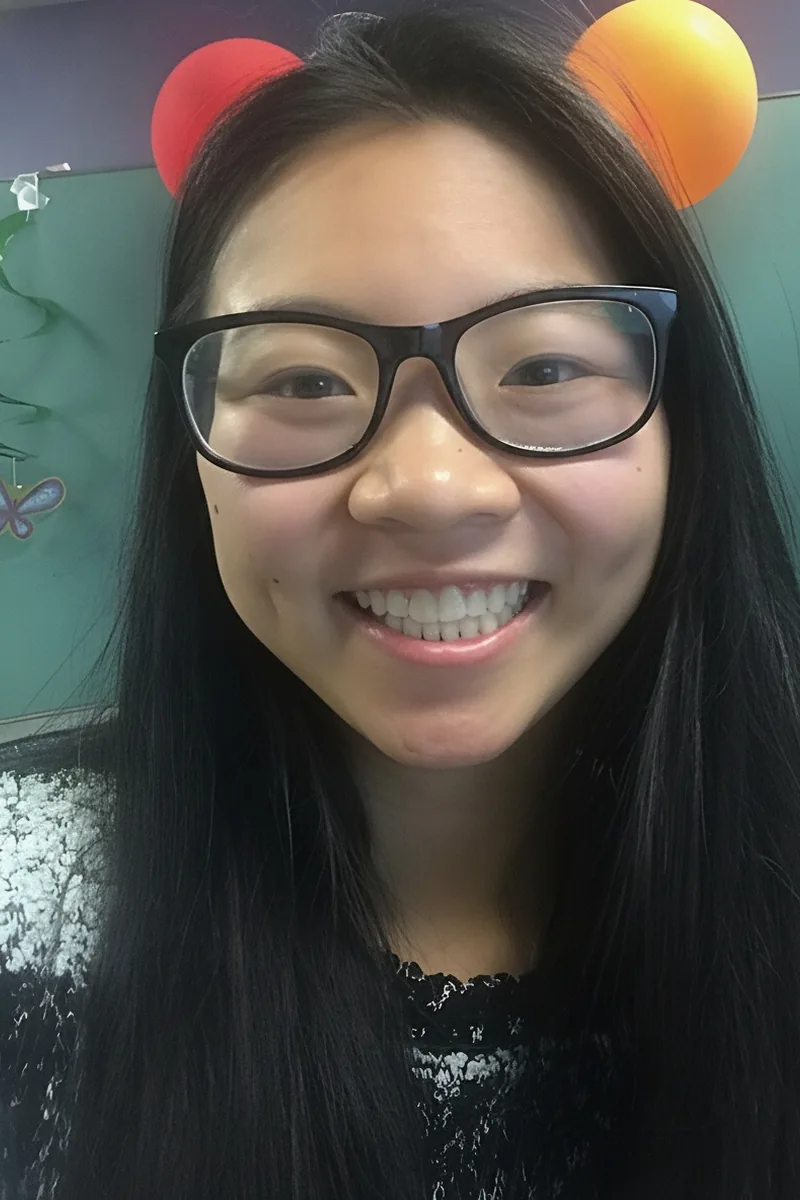
I am graduated from Penn State University in Industrial Engineering in 2017. I've tutored ever since I was in high school, and I love helping people! I like to help my students understand math (and other topics) instead of just doing it blindly. My goal is to help my students improve their math (and other topics) and build skills that will help them find learning easier in the future! Fun fact, I used to work for Disney and I like to salsa dance!
An engineering student might seem like an unusual literature tutor, but Wanqi approaches close reading the way she approaches problem sets — methodically, with attention to how each piece fits into a larger structure. She teaches students to identify literary devices like motif, irony, and narrative framing, then build arguments around textual evidence rather than gut reactions.
An IB diploma graduate, Vansh spent two years dissecting literary texts through the lens of IB English — analyzing narrative voice, symbolism, and authorial intent under timed conditions. He brings that same close-reading discipline to poetry, novels, and drama, teaching students how to build an argument about a text rather than just summarize it.
Reading literature closely means building an argument about a text, not just summarizing plot. Matthew approaches literary analysis the way his psychology training taught him to approach research — by examining evidence carefully, questioning assumptions, and constructing interpretations that hold up under scrutiny.
Jess earned her BA in English with a concentration in critical writing and film, which means she spent years analyzing narrative structure, symbolism, and authorial intent across genres. She teaches students to read actively — asking what a text is doing and why — so they can write about literature with genuine insight rather than surface-level summary.
Literature isn't Rick's primary subject, but his analytical training in the sciences translates surprisingly well to close reading — pulling apart a passage for evidence, identifying an author's argument, and building a supported interpretation. He approaches literary analysis the way he'd approach a research question: systematically, with attention to what the text actually says before layering on broader themes. That structured method is especially useful for students who feel lost when asked to "analyze" a poem or novel excerpt.
Reading literature well means learning to ask questions about character motivation, symbolism, and narrative structure — not just summarizing the plot. Hannah approaches texts by teaching students to identify what an author is doing with language and why those choices matter. Her background spanning both analytical and creative disciplines gives her a versatile lens for everything from poetry to novels.
Analyzing literature is really about building an argument from textual evidence — figuring out not just what an author said but why a particular metaphor or narrative choice matters. Kevin's dual background in biology and education studies at UCSD trained him to read critically across disciplines, and he brings that same close-reading rigor to poetry, novels, and drama.
Reading literature well means knowing how to pull apart an author's choices — why a metaphor lands, how narrative structure builds tension, what a shift in point of view actually accomplishes. Ema's creative writing minor and editorial experience give her a writer's eye for analyzing texts, which she brings to everything from poetry explication to novel-length close reading.
A lifelong reader with a deep love of books, Tanya approaches literature by teaching students to pull apart an author's argument — identifying themes, dissecting character motivation, and building interpretive claims supported by textual evidence. Her writing-intensive graduate work sharpened her ability to analyze complex texts and articulate nuanced readings.
Reading a novel or poem closely means asking what choices the author made and why — examining narrative voice, figurative language, and structure rather than just summarizing plot. Harrison's interdisciplinary academic background gives him a wide frame of reference for connecting literary themes to history, science, and philosophy, which deepens the kind of analysis that literature courses demand.
Reading literature analytically means moving past plot summary to ask what a text is doing with structure, imagery, and point of view. Fulton, an avid reader and writer himself, teaches students to build close-reading arguments by zeroing in on specific passages and explaining how language choices create meaning.
Reading a novel for class and actually analyzing it are two very different things. Joshua teaches students to identify literary devices like symbolism, motif, and narrative structure within the text, then articulate those observations in discussion and writing with specific, well-chosen evidence.
Reading a novel is one thing; articulating what makes its imagery, narrative voice, or symbolism effective is another skill entirely. Sebastian teaches students to build literary arguments from textual evidence, whether they're analyzing poetry, short fiction, or full-length works. His 4.8 rating speaks to how well that approach clicks.
Reading Beowulf in the context of Anglo-Saxon culture or tracing allegory through Dante requires more than plot summary — it requires knowing how to ask the right questions of a text. Vivian's Fordham studies in Medieval Studies, Classics, and philosophy built exactly that skill, and her museum education work keeps her practiced at making complex literary ideas accessible and vivid.
Analyzing a poem or novel means building an argument about how language creates meaning — identifying imagery, tone shifts, and narrative structure, then articulating why they matter. Nathan sharpened these skills across multiple AP English exams and brings an analytical, evidence-first approach to literary interpretation.
Reading literature through the lens of a neuroscience background gives Evan an unusual angle — he's genuinely curious about why characters make the decisions they do and how authors manipulate perception through narrative structure. He digs into themes, symbolism, and authorial intent by treating each text like a puzzle to decode rather than a chore to summarize.
Reading a novel closely means asking what the author is doing with structure, imagery, and point of view — not just summarizing what happened. Noelle teaches students to build analytical arguments from textual evidence, whether they're writing about symbolism in poetry or character development in a 400-page novel.
Analytical reading isn't just for English majors — Hassan's computer science training sharpens the same logic needed to trace a theme through a novel or unpack an author's argument. He approaches literary analysis like debugging: identify the claim, follow the evidence, and figure out where the meaning breaks open.
Reading literature well means doing more than summarizing plot — it means noticing how an author uses symbolism, tone, and narrative structure to build meaning. Dolmecia's years teaching middle grades gave her a toolbox of strategies for breaking down complex texts, from poetry analysis to novel study, so students can articulate what a passage is really doing.
Reading a novel closely means noticing what an author does with point of view, imagery, and pacing — and then articulating why those choices matter. Lane teaches students to move from gut reactions to well-supported literary analysis, whether they're unpacking a Shakespeare soliloquy or a contemporary short story.
I am a senior at Rollins College and have my IB diploma from high school. I did TOK, HLs: Psych, Econ, language and literature, and SLs: Spanish, biology, and mathematical studies. I prefer psych, econ, business, and anything English or literature related. I can do paper revisions, essay help, reading comprehension, elementary/middle/high school math. I would prefer more basic math and science, can help with reading and writing in Spanish, and am up for anything.
An avid reader who lists books and writing among her core interests, Annalyn approaches literature by teaching students to trace themes across a text — tracking how an author builds symbolism, develops character arcs, or uses narrative structure to shape meaning. Her analytical engineering mindset actually sharpens close-reading skills, since she treats each passage like a system to be understood rather than a mystery to guess at.
An avid reader who lists books among her top hobbies, Dana approaches literature by teaching students to slow down and interrogate the text — what's the author doing with imagery in this passage, why does the point of view shift here, what argument is the structure itself making? Her background in analytical thinking from engineering translates surprisingly well to close reading and literary analysis.
Reading critically means noticing how an author's choices — structure, imagery, point of view — create meaning, not just summarizing what happens. An avid reader and writer herself, Emyli walks students through close-reading techniques that sharpen their ability to analyze poetry, fiction, and nonfiction with the kind of textual evidence teachers expect in essays.
Reading literature closely means learning to track how an author builds meaning through imagery, dialogue, and structure — not just summarizing what happens. Suchir teaches students to identify literary devices like motifs and unreliable narration, then connect those observations into cohesive analytical arguments. His cross-disciplinary background brings a fresh, logic-driven lens to interpreting texts.
Testimonials
Because the right Literature tutor makes all the difference.
Average Session Rating – Based on 3.4M Learner Ratings
Nearby Literature Tutors
Other Orlando Tutors
Related English Tutors in Orlando
Frequently Asked Questions
During your first session, a tutor will assess your current reading level, discuss which literary texts or topics you're studying, and identify specific areas where you need support—whether that's essay writing, character analysis, or test preparation. This helps create a personalized plan tailored to your goals and learning style.
Tutors provide personalized feedback on every stage of your essay—from developing a strong thesis and organizing your arguments to refining your analysis and polishing your prose. Rather than just marking errors, they help you understand how to construct compelling arguments backed by textual evidence, a skill that strengthens your writing across all subjects.
A tutor can break down challenging passages, teach you active reading strategies, and help you identify key themes, symbolism, and character development. They'll work at your pace, ensuring you grasp not just what happens in a text, but why it matters and how authors use language to create meaning.
Yes. Tutors can help you master AP Lit skills like close reading, rhetorical analysis, and timed essay writing. They'll guide you through practice exams, teach you how to identify literary devices and their effects, and develop strategies for the multiple-choice and free-response sections.
Tutors teach brainstorming techniques, outlining strategies, and thesis development methods that help you move past the blank page. They can also help you understand the difference between perfecting as you write versus drafting freely first, which often unlocks creativity and reduces the anxiety that causes writer's block.
Absolutely. Tutors can teach you proper citation format, help you integrate quotes smoothly into your essays, and explain why citations matter beyond just avoiding plagiarism. They'll ensure you're citing correctly and consistently, whether you're working with MLA, APA, or Chicago style.
Yes. Varsity Tutors connects students across Orange County Public Schools, Osceola County Schools, and other districts in the Orlando area with tutors who understand local curriculum standards and can support you whether you're in middle school, high school, or AP-level literature courses.
Tutors working with Varsity Tutors have strong backgrounds in literature and writing—many hold degrees in English, Comparative Literature, or related fields, and bring real experience teaching or tutoring literary analysis and composition. Each tutor is matched to your specific needs and learning goals to ensure the best fit.
Let’s find your perfect tutor
Answer a few quick questions. We’ll recommend the right plan and match you with a top 5% tutor.