Award-Winning Literature Tutors
serving Miami, FL
Literature
Tutors in Miami
Private 1-on-1 tutoring, weekly live classes for academic support, test prep & enrichment, practice tests and diagnostics, and more to elevate grades and test scores.
Based on 3.4M Learner Ratings
UniversitiesSchools & Universities
DeliveredHours Delivered
ProficiencyGrowth in Proficiency
Who needs tutoring?
No obligation. Takes ~1 minute.
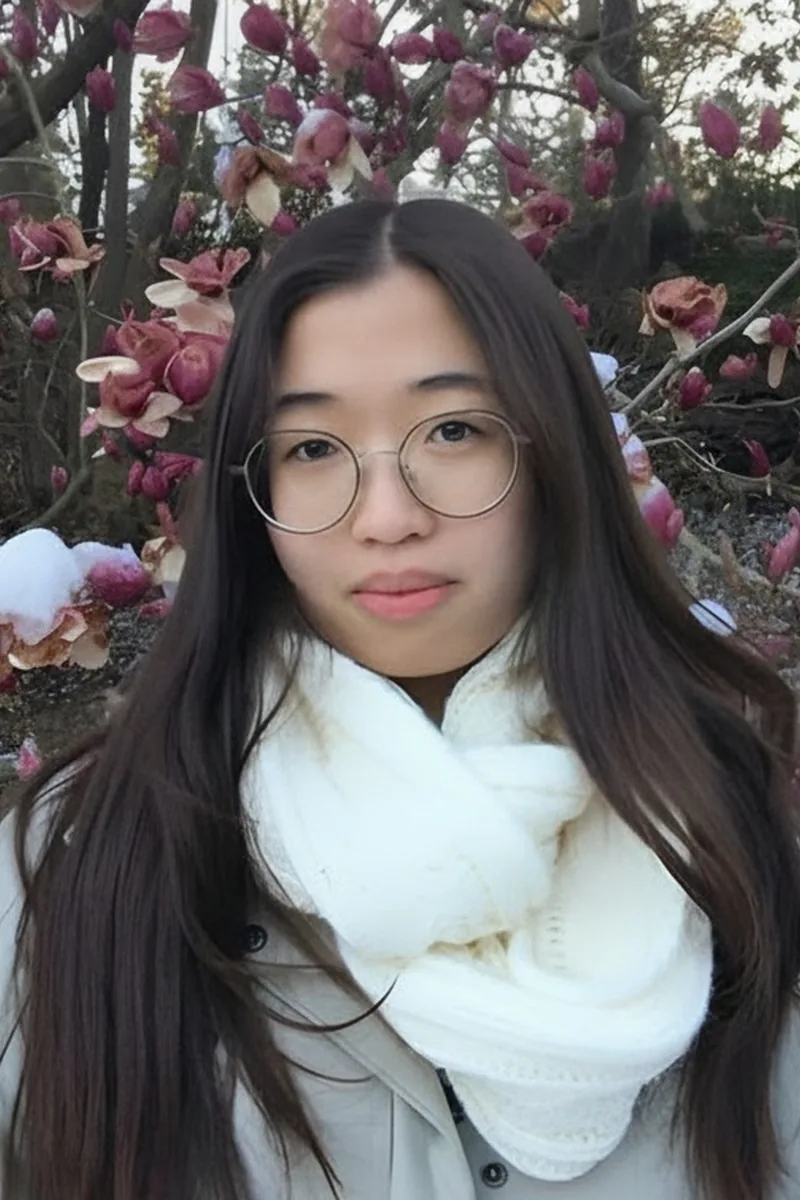
Reading a novel closely means more than tracking plot — it means noticing how imagery, narrative structure, and point of view shape meaning on every page. Michelle pursues a possible literature minor at Duke alongside her neuroscience degree, and she brings that dual analytical lens to poetry explication, close reading, and thematic essay writing.
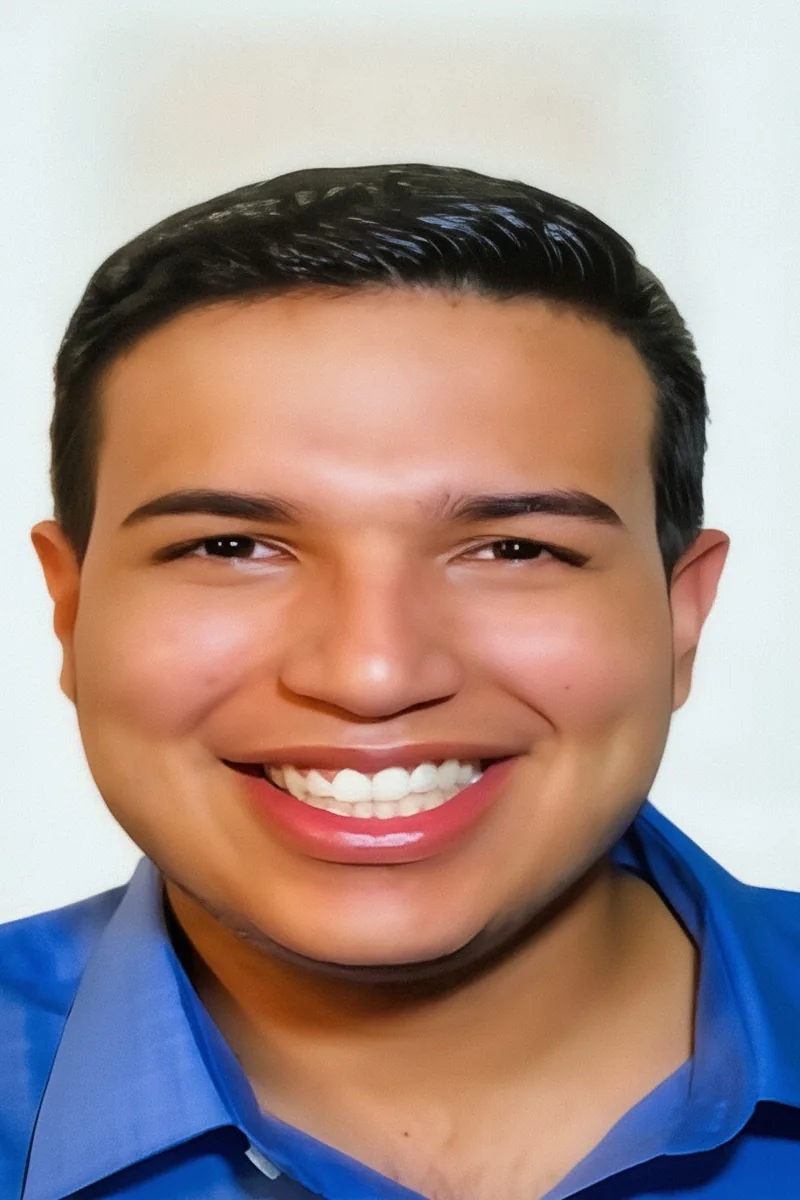
Derek's CS training at Harvard might seem far from literary analysis, but his coursework across 16 AP subjects — including heavy reading and essay writing — built the kind of rigorous interpretive thinking that literature demands. He teaches students to treat a text's recurring motifs and narrative choices as evidence for an argument, turning vague thematic observations into precise, defensible claims.
Reading a novel closely means learning to track how an author builds meaning through imagery, dialogue, and structure — not just summarizing what happened. Caitlin's coursework in Asian and Middle Eastern Studies at Duke involves heavy literary analysis across cultures, which gives her practice connecting themes, historical context, and narrative technique in ways that translate directly to literature courses.
Reading literature across three languages — English, Spanish, and French — gives Manuela an unusual lens for unpacking themes like identity, colonialism, and cultural memory that surface in everything from García Márquez to Camus. She teaches close-reading techniques that go beyond plot summary, showing students how to trace motifs, analyze narrative structure, and build arguments grounded in textual evidence. Rated 5.0 by students.
An engineering major who reads closely might sound unusual, but Nicolas approaches literary analysis the way he approaches physics problems — by identifying structure, tension, and the logic holding an argument together. He teaches students to move past surface-level summaries and build interpretations grounded in textual evidence, whether they're unpacking a Shakespeare soliloquy or a Toni Morrison novel.
Reading a novel and analyzing a novel are different skills, and the gap between them trips up more students than any single text does. Dalila walks through close-reading techniques — tracking motifs, unpacking figurative language, building an argument about theme — that transfer across genres and time periods.
Literary analysis is fundamentally about building an argument from evidence, and Apoorva's analytical training in engineering gives her a surprisingly effective lens for breaking down texts. She teaches students to identify how authors use structure, imagery, and narrative voice to develop themes — then translate those observations into clear, well-supported essays.
Reading a novel for class and actually analyzing it are two different skills — Andrew bridges that gap by teaching students to identify literary devices like unreliable narration, symbolic imagery, and structural choices as they read, not after. His Writing minor means he approaches texts from a craft perspective, asking why an author made a specific choice and what effect it creates. That lens turns vague class discussions into concrete, evidence-driven arguments.
An avid reader with wide-ranging interests in books, writing, and art, Lance approaches literature through close textual analysis — examining how an author's diction, structure, and imagery build meaning. He teaches students to move from surface-level plot summary to crafting interpretive arguments that hold up under scrutiny in essays and class discussion.
Someone who reads novels, historical texts, and cultural studies for fun brings a different energy to literature instruction. Conor teaches students to dig into themes, narrative structure, and authorial intent — skills he sharpened through his anthropology training at UCLA, where analyzing texts across cultures was a daily practice.
Reading a novel is one thing — knowing how to pull apart its use of symbolism, unreliable narration, or structural choices is another skill entirely. Robert's English Literature degree trained him to do exactly that across genres and periods, from Victorian poetry to contemporary fiction. He teaches close-reading techniques that turn vague impressions into precise, arguable interpretations.
Reading a novel for plot is easy; reading it for how structure, voice, and figurative language create meaning is the skill that literature courses actually demand. Adriana tackles close reading as a learnable craft, teaching students to annotate for rhetorical moves and build interpretive arguments grounded in textual evidence. Her history training at Rice sharpened her ability to place literary works in their cultural and political contexts.
Reading literature analytically — identifying motifs, unpacking an unreliable narrator, or connecting a text to its historical moment — is a skill that transfers across every humanities course a student will take. Marissa pairs close-reading techniques with clear frameworks for building thesis-driven arguments, so students leave sessions knowing how to write about what they've read, not just summarize it.
Medical school trains you to read case studies the way a literary critic reads a novel — pulling meaning from what's emphasized, what's omitted, and how the narrative is framed. Viraj applies that same interpretive rigor to poetry and prose, teaching students to zero in on an author's use of voice, figurative language, or structural pacing and build a cohesive argument around what they find.
After volunteering as an English tutor in rural Guatemala, Marina developed a knack for making texts accessible across cultural and linguistic boundaries — a skill that sharpens her literature teaching considerably. Her Women's Studies training at UCLA centered on critical reading of texts through lenses like gender, power, and social context, which gives students a concrete framework for interpreting everything from 19th-century novels to contemporary memoir.
Reading literature across cultures and legal traditions gave Ashley an unusual lens for close textual analysis. She teaches students to pull apart an author's rhetorical choices — symbolism, narrative structure, tone shifts — and build interpretive arguments that go beyond surface-level summary.
Reading a novel for class is one thing; building an argument about its themes, symbols, or narrative structure is something else entirely. Solange's IB coursework required exactly that kind of close analytical reading across genres and time periods. She teaches students to annotate with purpose and develop interpretations they can actually defend in essays and discussions.
Analyzing literature means building an argument about a text, not just summarizing its plot — identifying how an author uses symbolism, narrative structure, or point of view to create meaning. Juan approaches literary analysis the way he approaches problem-solving in engineering: break the question down, find the evidence, and construct a clear, logical interpretation. That analytical rigor translates well for students who feel more comfortable with data than with poetry.
Cavan earned his IB diploma at Coral Gables Senior High, which meant writing literary commentaries under timed conditions and defending interpretations with textual evidence — skills that transfer directly to any literature course. He teaches students to read for structure, tracking how an author's choices in imagery, syntax, and narrative perspective build toward a larger argument rather than just a plot.
Kelsey's entire degree is built on reading literature — Homer, Shakespeare, Dostoevsky, Austen, Woolf — and discussing it in small seminars where every interpretation has to be defended with textual evidence. That training makes her especially sharp at teaching close reading, thematic analysis, and the kind of argument-driven literary essays that high school and college courses demand. She's tutored literature more than any other subject and calls it the most rewarding part of her work.
An avid reader outside her engineering studies, Veronica brings genuine enthusiasm to literary analysis — she's the kind of person who reads for fun and then wants to talk about narrative structure. She teaches students to build arguments around textual evidence, whether they're analyzing symbolism in a novel or dissecting a poem's use of meter. That analytical rigor from her STEM training translates surprisingly well to close reading.
An avid reader of everything from contemporary fiction to classic poetry, Dylann earned her English degree with a Creative Writing focus at the University of Miami — which means she doesn't just assign readings but digs into how authors construct meaning through imagery, symbolism, and narrative structure. She teaches students to move from surface-level plot summary to the kind of close textual analysis that produces strong literary arguments. Rated 5.0 by students.
An avid reader who counts novels among her favorite hobbies, Madeline approaches literature by teaching students to dig into a text's structure — how an author's diction, imagery, and narrative choices build meaning. She's particularly effective at showing students how to move from a surface-level summary to an analytical argument they can defend in essays and class discussions.
Reading literature closely is surprisingly similar to diagnosing a patient — both require gathering evidence, weighing competing interpretations, and building an argument from details others overlook. Felix applies that analytical rigor to poetry, novels, and drama, teaching students to move from surface-level summary to claims they can actually defend with textual evidence.
Studying literature means learning to read beneath the surface — tracking how an author uses imagery, narrative structure, or point of view to build meaning. Max's background in history gives him a particular strength in contextualizing texts within the periods that shaped them, connecting a novel's themes to the social and political forces its author was responding to. That historical lens often unlocks interpretations students wouldn't reach through close reading alone.
Reading a novel closely means doing more than summarizing plot — it means tracking how an author uses imagery, dialogue, and structure to build meaning. Gianfranco teaches students to develop arguments about texts by grounding every claim in specific passages, a skill that transfers directly to timed essays and class discussions alike.
Studying English at the University of Chicago means living inside close reading — dissecting how a single passage from Toni Morrison or Shakespeare builds meaning through diction, syntax, and imagery. Isabella teaches students to move from gut reactions ("I liked it") to precise literary analysis that holds up in class discussion and on timed essays. She's especially sharp on American and world literature spanning multiple periods.
Reading a novel for class is one thing; building an argument about its themes, symbols, or narrative choices is another skill entirely. Valerie teaches students to move from surface-level plot summary to close textual analysis, walking through how to identify an author's rhetorical moves and turn those observations into a coherent interpretive claim.
An English Literature minor gave Veena serious practice in close reading — pulling apart imagery, unreliable narrators, and thematic structure across poetry, novels, and drama. She teaches students to build interpretive arguments from textual evidence rather than summarizing plot, a skill that transfers directly to timed essays and class discussions.
Reading literature through an analytical lens — identifying how an author's rhetorical choices shape meaning — is a skill Noah sharpened through his pre-law training at the University of Miami. He teaches students to break down passages by examining narrative structure, figurative language, and thematic development so they can build stronger interpretive arguments in class discussions and essays.
I am working towards a Bachelor of Arts in Pure and Applied Mathematics as well as a Bachelor of Arts in Astronomy and Physics. I have enjoyed studying math and science since I was in elementary school. I would always help my friends out by answering their questions about the material. For about the last five years, I have had my own tutoring business where I have tutored a wide variety of math courses from elementary school math to pre-calculus and calculus. I like to make sure my students have a complete understanding of the core concepts before going into practice questions. I have also had experience helping my peers with physics and computer science courses.
A science major who reads voraciously on the side, Sofia approaches literary analysis with fresh eyes and genuine curiosity. She teaches students to dig into a text's structure — identifying motifs, tracking character arcs, and building thesis statements grounded in textual evidence rather than surface-level summary.
Reading a novel or poem closely means asking uncomfortable questions: Why does the narrator contradict herself? What does that recurring image of water actually do? Mary's training in Russian literature at Indiana University Bloomington — where she analyzed everything from Dostoevsky's unreliable narrators to Akhmatova's compressed imagery — gave her tools that apply across any literary tradition. She teaches students to build interpretive arguments grounded in textual evidence rather than summary.
I am looking to help you with your math and physics questions. I am a graduate student studying hurricane physics and enjoy using my deep understanding of material to help others. Hope to meet you soon!
I am certified in the state of Florida to teach Middle Grades Mathematics 5-9. I have a bachelors degree in Finance and Masters degree in Sustainable Real Estate Development from Tulane University. I previously worked in real estate for two years prior to moving to Miami and was involved as a mentor with Big Brothers Big Sisters for much of that time.
Reading literature well means learning to sit with ambiguity — figuring out what an unreliable narrator is hiding, or why an author chose a fractured timeline. Stephanie's love of books and writing gives her a natural entry point into close reading, thematic analysis, and the kind of interpretive thinking that produces strong literary essays.
Reading a novel closely means asking what the author is doing with structure, symbolism, and point of view — not just summarizing the plot. Jairo's wide reading habit and training in analytical writing give him a knack for unpacking texts across genres, from poetry to longer fiction. He teaches students to build interpretive arguments they can defend with textual evidence.
Christine approaches literary analysis the way she approaches a math proof: every claim needs evidence, and every piece of evidence needs to connect back to a larger argument. Whether a student is unpacking symbolism in a novel or tracing a character's transformation across acts of a play, she teaches them to build interpretations that go beyond surface-level plot summary.
Breaking apart a poem or novel gets easier once a student learns to ask the right questions about structure, voice, and context instead of hunting for a single "correct" meaning. Jessica approaches literary analysis as a skill that builds incrementally, teaching students to support interpretations with specific textual evidence.
Alec's psychology background gives him a unique lens for literary analysis — he teaches students to examine characters through motivation, cognitive bias, and social dynamics rather than relying on surface-level plot summary. Whether unpacking unreliable narrators or tracing symbolic patterns across a novel, he makes close reading feel like detective work.
Testimonials
Because the right Literature tutor makes all the difference.
Average Session Rating – Based on 3.4M Learner Ratings
Nearby Literature Tutors
Other Miami Tutors
Related English Tutors in Miami
Frequently Asked Questions
Literary analysis requires more than summarizing a plot—it demands the ability to examine how authors use language, structure, and literary devices to create meaning. A tutor provides personalized feedback on your analysis essays, helping you move beyond surface-level observations to deeper interpretations. They'll work with you on identifying themes, understanding character motivation, and supporting your arguments with textual evidence, ultimately strengthening your critical thinking skills across all your coursework.
A strong thesis goes beyond restating the prompt—it should make a specific claim about how the text works or what it means. Rather than "Shakespeare uses symbolism in Macbeth," aim for something like "Shakespeare uses blood imagery to explore Macbeth's descent into moral corruption." Varsity Tutors connects you with tutors who can guide you through thesis development, helping you craft arguments that are specific enough to defend but broad enough to sustain an essay. They'll also show you how to refine your thesis as your ideas develop through the writing process.
Active reading strategies—like annotating, asking questions as you read, and identifying key passages—make a significant difference in comprehension and retention. A tutor can teach you personalized reading techniques that work with your learning style, whether that's creating character maps, tracking themes throughout a text, or breaking longer works into manageable sections. These strategies not only help you remember what you've read but also prepare you to write stronger analytical essays and participate more confidently in class discussions.
Many students view tutoring as proofreading, but personalized instruction focuses on the entire writing process—from brainstorming and organizing ideas to drafting, revising, and polishing. A tutor helps you develop your unique voice, break through writer's block, and learn revision strategies that go deeper than fixing grammar. They'll work with you on strengthening arguments, improving paragraph flow, and making sure your evidence supports your claims. This approach builds skills that transfer across all your writing, not just Literature assignments.
Yes. Varsity Tutors connects students in Miami with tutors who understand the literature curricula across Miami-Dade County Public Schools, Miami Beach Senior High, Christopher Columbus High School, and other local schools. Whether you're studying classic American literature, British texts, world literature, or contemporary works, tutors can provide targeted support aligned with your school's specific assignments, reading lists, and academic standards. This local expertise helps ensure your tutoring directly supports your coursework.
MLA (Modern Language Association) is the standard for Literature and humanities courses, while APA (American Psychological Association) is used more in social sciences. In MLA, you'll use in-text citations with author and page number, and your Works Cited page lists sources alphabetically. A tutor can teach you proper citation mechanics and, more importantly, why citations matter—they're not just formatting rules but a way to give credit and allow readers to find your sources. Understanding citations also helps you develop academic integrity and avoid plagiarism in all your coursework.
Literary devices work together to create meaning, and learning to spot them requires practice and guidance. A tutor helps you move from simply identifying a symbol to explaining what it represents and why the author chose it. They'll teach you to ask questions like: How does this device connect to the theme? What effect does it create for the reader? Does its meaning change throughout the text? With personalized instruction and feedback on your analysis, you'll develop confidence in recognizing patterns and writing sophisticated essays that explore how these devices shape the reader's experience.
Let’s find your perfect tutor
Answer a few quick questions. We’ll recommend the right plan and match you with a top 5% tutor.