Award-Winning Literature Tutors
serving Jacksonville, FL
Literature
Tutors in Jacksonville
Private 1-on-1 tutoring, weekly live classes for academic support, test prep & enrichment, practice tests and diagnostics, and more to elevate grades and test scores.
Based on 3.4M Learner Ratings
UniversitiesSchools & Universities
DeliveredHours Delivered
ProficiencyGrowth in Proficiency
Who needs tutoring?
No obligation. Takes ~1 minute.
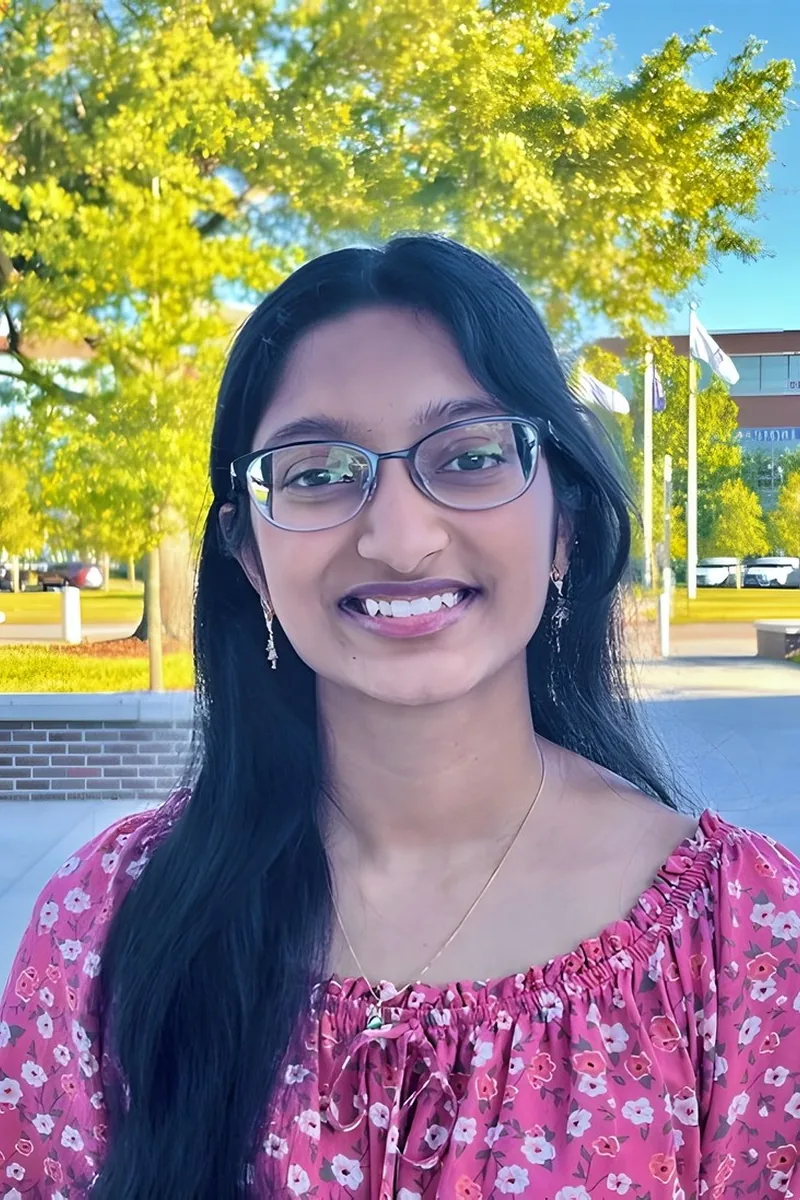
An avid reader outside the classroom, Joshitha brings genuine enthusiasm to literary analysis — whether that means unpacking unreliable narration in a novel or tracing how a poet's syntax reinforces theme. She teaches students to build arguments from textual evidence rather than surface-level summary, a skill that transfers directly to stronger analytical writing.
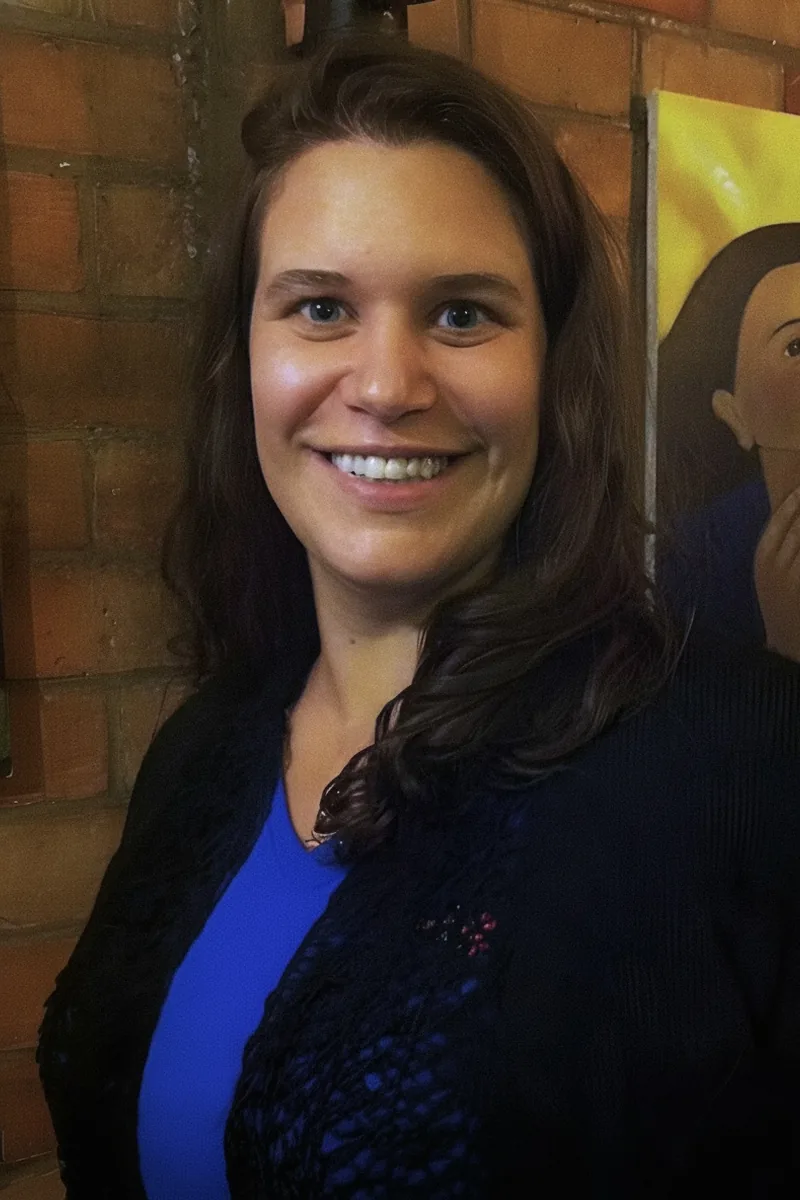
Reading literature well means doing more than summarizing plot — it means noticing how an author builds an argument through imagery, structure, and voice. Miriam's philosophy background and her experience designing an English and Engineering course in Colombia gave her practical tools for teaching close reading and textual analysis to students at every level of comfort with the written word.
Reading literature well means asking what a text is doing, not just what it's about — why Fitzgerald uses Nick as a narrator, or how Toni Morrison's sentence structure mirrors a character's psychology. Emerson's coursework at the University of Chicago trained him to unpack novels, poetry, and drama at that structural level. He connects literary analysis to the kind of critical thinking that transfers across every subject a student encounters.
Reading a novel or poem closely means asking what the author is doing with structure, language, and point of view — not just summarizing the plot. Tanisha teaches students to pull apart passages for tone, symbolism, and argument, then articulate their analysis in clear, well-organized writing. Her background in academic research gives her a disciplined eye for textual evidence and interpretation.
Reading a novel closely means tracking more than plot — it means noticing how an author uses imagery, narrative structure, and point of view to build meaning. Michael's lifelong love of books and writing gives him a knack for asking the kinds of questions that turn a student's vague impression of a text into a precise, evidence-grounded interpretation.
Reading a novel for class and actually analyzing it are two different skills, and the gap usually shows up when students try to write about theme or symbolism. Daniel teaches close-reading techniques — tracking patterns in imagery, identifying shifts in tone, connecting a character's choices to larger arguments — that turn surface-level summaries into real literary analysis. His experience with both essay writing and SAT Reading sharpens his eye for textual evidence.
Emily reads literature the way she reads photographs — attending to composition, framing, and what's deliberately left out of the picture. Her MFA training in visual storytelling translates directly into teaching students how to analyze symbolism, narrative structure, and authorial intent across poetry, novels, and drama. Rated 5.0 by students, she's especially sharp at helping visual thinkers unlock dense texts.
Reading a novel is one thing — pulling apart its themes, symbolism, and narrative structure is another skill entirely. Krina teaches students how to move from surface-level plot summary to crafting analytical arguments about character motivation, authorial intent, and literary devices like irony and foreshadowing. Rated 5.0 by students, she makes close reading feel less intimidating.
Reading literature well means doing more than summarizing plot — it means noticing how an author's word choices, structure, and imagery build meaning. Anushree approaches literary analysis by teaching students to ask sharper questions of a text: why this metaphor, why this narrator, why this ending. Her interdisciplinary background gives her a lens that connects themes across genres and time periods.
Priya approaches literature analytically — the same way she'd dissect a research paper. She teaches students to trace how an author builds an argument through imagery, structure, and diction, turning vague impressions about a text into claims they can defend with specific evidence.
Reading literature well means learning to build an argument from textual evidence — identifying themes, tracking character development, and interpreting figurative language with precision. Stephen approaches literary analysis the way he approached complex audit reports at PwC: systematically, pulling apart the details to construct a coherent interpretation. Rated 5.0 by students.
Analytical thinking transfers surprisingly well from the lab to the page — Daniel approaches literary analysis the way he'd approach an experiment, breaking a text into its components and asking what each one does. He teaches students to build arguments around specific passages rather than making vague thematic claims, a skill that pays off in everything from AP Lit essays to college-level seminars.
Samantha approaches literature by teaching students to ask better questions of a text — not just "what happened" but why an author chose a particular point of view, or how a recurring symbol shifts meaning across chapters. Her experience spanning multiple grade levels means she can adjust that analytical lens whether the book is *Hatchet* or *The Great Gatsby*.
Reading a novel closely is a different skill than reading it for pleasure, and Leo treats literature study as learning to ask better questions — about symbolism, narrative voice, historical context, and authorial intent. His own wide-ranging reading habit means he's comfortable moving from Shakespeare to Toni Morrison to poetry analysis without skipping a beat.
Reading is one of Jason's core hobbies, and that genuine engagement with books shapes how he approaches literature — not as a checklist of themes and devices, but as a conversation between author and reader. He teaches students to dig into how narrative structure, figurative language, and point of view create meaning, building the analytical skills that carry over into essays and class discussions.
Reading a novel is one thing; analyzing how an author uses symbolism, narrative structure, or unreliable narration to build meaning is another skill entirely. An avid reader across genres, Danielle teaches students to move from surface-level summary to close reading — pulling apart passages to construct arguments that hold up in class discussion and on essays.
Reading a novel for class is easy; building an argument about theme, symbolism, or narrative structure is where most students need support. Jenna teaches close-reading techniques — annotating for patterns, tracking character development across chapters, and connecting textual evidence to a thesis — that turn surface-level summaries into analytical writing.
Reading a novel for class and actually analyzing it are two very different skills. Harrison teaches students to track recurring motifs, narrative perspective shifts, and authorial choices about structure — the kinds of observations that turn a surface-level summary into a sharp literary argument. His background spanning Latin, history, and English gives him useful context for texts across genres and time periods.
Literary analysis shares more with scientific reasoning than most students expect — both require close observation, pattern recognition, and building an argument from textual evidence. Nicholas applies that analytical rigor to unpacking symbolism, narrative structure, and authorial intent across poetry and prose. While his primary expertise is in the sciences, his 1530 SAT and strong verbal reasoning make him effective at teaching students how to construct and defend a literary thesis.
Reading a novel for class is one thing; building an argument about its themes, symbols, or narrative structure is another skill entirely. Peyton's coursework in literature, anthropology, and sociology gives her a toolkit for connecting texts to their cultural and historical contexts — whether that's examining power dynamics in a Shakespeare play or tracing identity in a Toni Morrison novel. She teaches students to move from observation to interpretation with evidence that holds up.
Reading Homer in the original Greek changes how you think about narrative structure, symbolism, and authorial intent — and that's exactly the lens Leslie brings to literature tutoring. Her Classics degree means she can trace a motif from ancient epic through Shakespeare to contemporary fiction, making close reading feel like detective work rather than busywork.
Hannah has presented literary research at Simon Fraser's graduate English program and completed a thesis she's currently pursuing for publication — so close reading, thematic analysis, and argument-building are second nature. She teaches students to move from surface-level plot summary to examining how an author's choices in imagery, structure, and point of view create meaning. Her specialties in comparative and American literature give her range across poetry, fiction, and nonfiction.
Testimonials
Because the right Literature tutor makes all the difference.
Average Session Rating – Based on 3.4M Learner Ratings
Nearby Literature Tutors
Other Jacksonville Tutors
Related English Tutors in Jacksonville
Frequently Asked Questions
A literature tutor helps you develop critical reading and analytical skills across novels, poetry, drama, and essays. They work with you on literary analysis, essay writing, thesis development, and understanding complex themes and symbolism. Tutors also provide personalized feedback on your writing, helping you strengthen argumentation and refine your voice as a writer.
Tutors guide you through the entire essay process—from developing a clear thesis and organizing your arguments to revising for clarity and impact. They help you move beyond plot summary to deeper analysis, teaching you how to use textual evidence effectively and build compelling arguments about a text's meaning. With personalized feedback on your drafts, you'll see concrete improvements in structure, argumentation, and analytical depth.
Absolutely. Many students find dense or unfamiliar texts challenging, and tutors are skilled at breaking down complex passages, explaining context, and helping you identify key themes and symbolism. They use strategies like close reading, annotation techniques, and discussion to deepen your comprehension. Over time, these skills transfer to new texts, making reading more manageable and enjoyable.
Writer's block often stems from unclear thinking or perfectionism, and tutors help by asking guiding questions that clarify your ideas before you write. During revision, they teach you to read your own work critically—identifying weak arguments, redundancy, and areas needing stronger evidence. This collaborative process builds your confidence and gives you concrete strategies to overcome blocks on your own.
Yes. Varsity Tutors connects you with tutors familiar with literature standards taught across Jacksonville's schools and districts. Whether you're working on AP Literature, honors English, or standard curriculum requirements, tutors tailor their approach to your specific coursework and teacher expectations. This alignment ensures the skills you develop directly support your classroom success.
Your first session focuses on getting to know you—your reading and writing strengths, specific challenges, and goals. The tutor may assess your current skills through discussion or by reviewing a piece of your writing. Together, you'll create a personalized plan addressing your priorities, whether that's essay writing, test preparation, or deepening your literary analysis skills.
Varsity Tutors matches you with tutors who have strong backgrounds in literature and proven teaching experience. You can discuss your needs upfront—whether you want someone focused on creative writing, test prep, or classical literature—and connect with a tutor whose expertise aligns with your goals. The personalized matching process ensures you work with someone who understands both the subject and your learning style.
Yes. While literature tutoring emphasizes analysis and argumentation, tutors also address the mechanics that strengthen your writing—grammar, punctuation, and proper citation in MLA or APA format. Rather than just correcting errors, they teach you the 'why' behind conventions, helping you develop a stronger command of formal academic writing. This builds skills that apply across all your classes.
Let’s find your perfect tutor
Answer a few quick questions. We’ll recommend the right plan and match you with a top 5% tutor.