Award-Winning Statistics Graduate Level Tutors
serving Sarasota, FL
Statistics Graduate Level
Tutors in Sarasota
Private 1-on-1 tutoring, weekly live classes for academic support, test prep & enrichment, practice tests and diagnostics, and more to elevate grades and test scores.
Based on 3.4M Learner Ratings
UniversitiesSchools & Universities
DeliveredHours Delivered
ProficiencyGrowth in Proficiency
Who needs tutoring?
No obligation. Takes ~1 minute.
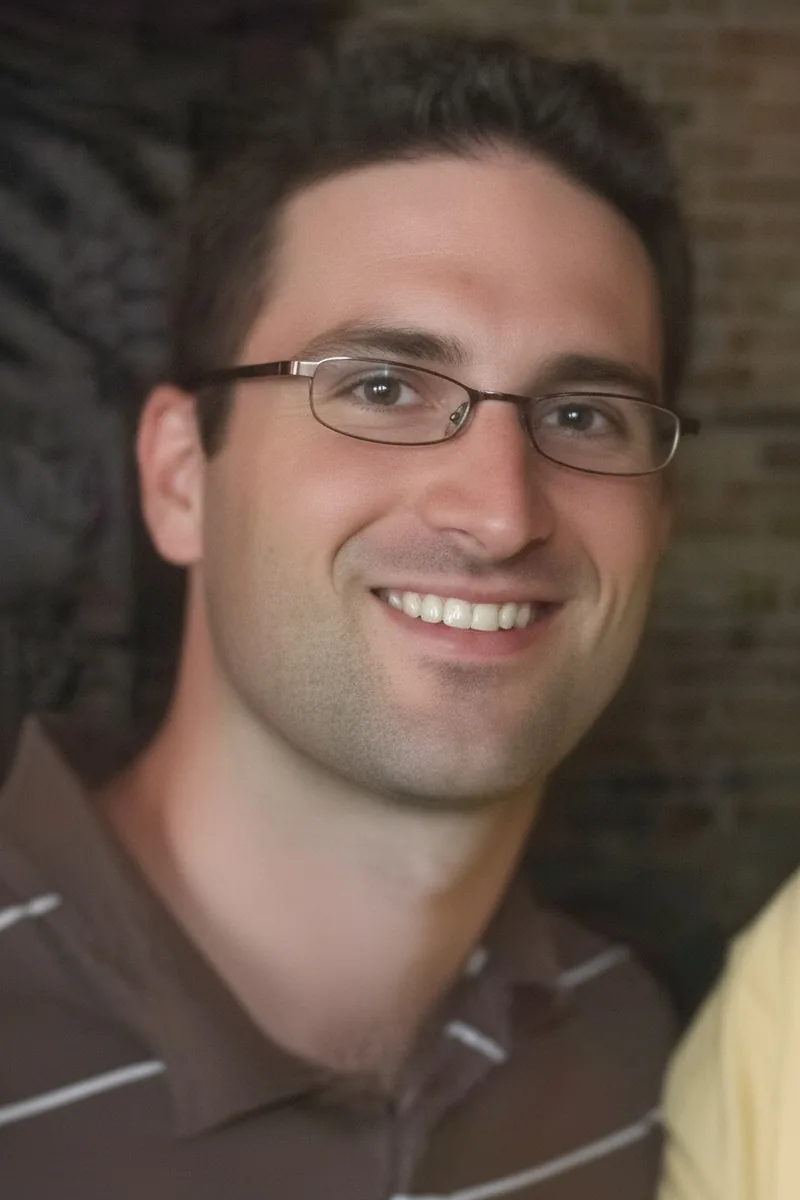
Graduate-level statistics is where Matthew lives professionally — his Master's in Educational Measurement and Statistics at the University of South Florida has him deep in topics like multivariate analysis, psychometrics, and inferential modeling on a daily basis. He's also served as a T.A. and instructor trainee for undergraduate statistics, so he knows how to unpack dense concepts like maximum likelihood estimation or ANOVA assumptions for students who are encountering them for the first time at the graduate level.
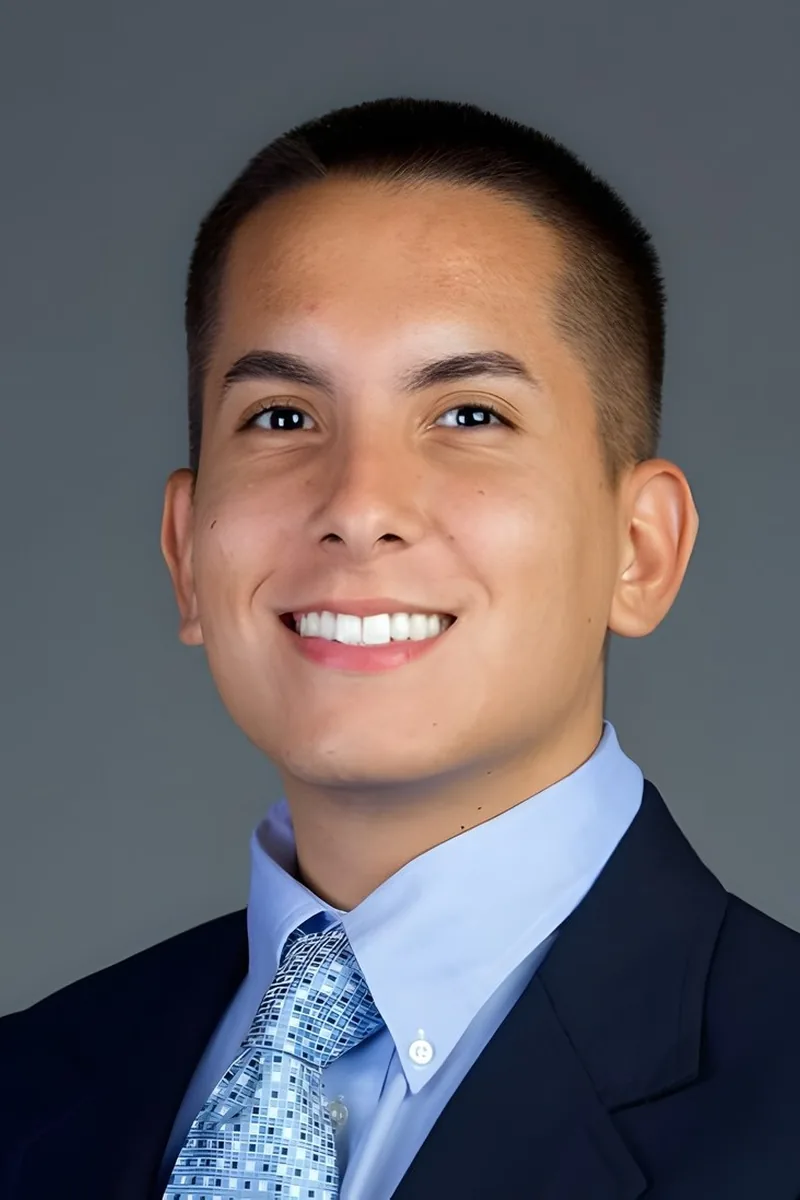
Graduate-level statistics moves quickly from probability theory into regression modeling, hypothesis testing frameworks, and ANOVA designs that require both mathematical rigor and software fluency. Juan is completing a statistics degree at the University of Florida alongside his engineering program, so he's immersed in these methods right now — from Bayesian inference to experimental design. His 4.9 rating speaks to how clearly he communicates dense material.
I am listening to and learning about him or her as an individual. I can also discover what motivates the student during this conversation and plan for how to frame future tutoring sessions in terms of what the student already knows and enjoys.
Graduate-level statistics demands fluency with concepts like maximum likelihood estimation, Bayesian inference, and multivariate analysis — not just running software but understanding the theory underneath. Michelle brings a quantitative biology perspective to these methods, having applied advanced statistical frameworks to biological data throughout her science training. Rated 4.9 by students.
Graduate-level statistics becomes far more intuitive when the examples come from real research — and Nicholas has applied multivariate analysis, mixed models, and hypothesis testing frameworks extensively throughout his genetics PhD work. He breaks down concepts like maximum likelihood estimation and ANOVA designs by tying them to the kinds of messy, real-world datasets students actually encounter in their own programs. Rated 4.8 by students.
I am highly praised by my students and supervisors. Even today I still kept the communication with many students.
Graduate-level statistics throws students into the deep end — maximum likelihood estimation, Bayesian inference, multivariate regression diagnostics — and expects fluency, not just familiarity. Evan is currently completing his own graduate work in statistics, so he's actively immersed in the theory and computation these courses demand. He also codes in Python and SQL, which means he can walk through both the mathematical proofs and the applied implementation side.
Graduate-level statistics demands comfort with proofs and derivations that most intro courses skip — maximum likelihood estimation, Bayesian inference, and the mathematical foundations behind common tests. Brian's Caltech background in economics and computer science gave him deep exposure to these methods in both theoretical and applied contexts, and he breaks down dense notation into intuitive steps.
Graduate-level statistics demands comfort with concepts like maximum likelihood estimation, Bayesian inference, and hypothesis testing frameworks that go well beyond intro courses. Abhi's M.S. in Data Science from UIUC and current PhD work at NYU mean he uses these tools daily in research — he teaches the theory alongside the practical intuition for when and why each method applies.
I am a Molecular Engineering major at the University of Chicago, I am currently taking time off to focus on other aspects of my career but I don't want to stop tutoring outside college campus!. I am a child of immigrants and have spent my life tutoring my siblings and younger students, and I loved working with them! See y'all in class!
Graduate-level statistics demands comfort with concepts like hypothesis testing, regression modeling, and ANOVA that go well beyond intro courses. Dillon's engineering background — including a master's in welding engineering technology — required heavy applied statistics work, from designing experiments to interpreting multivariate data in real research contexts. He teaches the reasoning behind each method so students can choose and defend the right analytical approach.
Graduate-level statistics throws students into multivariate analysis, hierarchical modeling, and software-driven data work that textbooks alone rarely make clear. Tashina uses MATLAB and Python in her own doctoral research in Psychological and Brain Sciences, so she can walk through both the mathematical theory and the practical implementation side by side. Rated 4.7 by students.
Currently, I am a student at the University of Windsor, pursuing a PhD of Mechanical Engineering under the supervision of Dr. Altenhof. In 2005, I earned a Bachelor of Science degree in Mechanical Engineering from Azad University. The undergraduate curriculum in Mechanical Engineering introduced me to a wide variety of subjects, providing me with a strong foundation in the theoretical concepts of this major. Since I was interested in expanding my knowledge, acquiring skills in new technologies and methods, and opening pathways into additional employment opportunities, I applied for a master's degree in Solid Mechanic Engineering at Azad University. In 2006, I got admitted to the MSc program in Solid Mechanic Engineering at Azad University. During the first year, the coursework helped me to obtain a more in-depth understanding of the field. I engaged in research projects, presentations, and report submissions in the second year. In addition, as a Teaching Assistant, I developed pedagogical knowledge and skills. My MSc thesis project, "Experimental and numerical study of in-plane loading of thin-walled tubes," exposed me to new skills in experimental testing and software programs (LS- DYNA). I successfully earned my MSc in 2008 and ranked in the top 10% of students in my class. This two-year graduate program not only made me an expert in the field but also enhanced my critical thinking, analytic abilities, time management, and research skills. In 2009, Azad University of Tuyserkan offered me a Lecturer position. As a researcher who couldn't leave the dynamic atmosphere of the scholastic world and as a potential teacher who was constantly engaged in critical reflection, I accepted the offer. In the beginning, I took "Assessment & Evaluation in Higher Education" and " University Teaching Skills" courses to be eligible for teaching. These two mandatory courses increased my knowledge of evaluation methods, testing, and measurement in education. I learned how to motivate and activate students, encourage personal initiative and choose the most suitable teaching style. As a lecturer, I gained a great experience in teaching. I have taught Statics, Strength of Materials, and Design of machine elements courses at the undergraduate level. I believe that it has been an excellent opportunity to provide a great learning experience for a diverse group of students. As a faculty member, I have worked cooperatively and collaboratively with the campus community, including faculty members, employees, students, and others. I have contributed to the field as a researcher by conducting scholarly activities. I received two research grants from the university, conducted research and published three papers in prestigious ISI journals, and presented my research at 20 national and international conferences on Mechanical Engineering. I have valuable experience in optimizing energy absorption in thin-walled aluminum and composite tubes. I am also experienced working with Hopkinson instruments and gas gun testing equipment. In addition, I have significant experience working with the Santam instrument and the Instron testing machine. This machine can obtain the tensile and compressive strength of the specimens, input for LS Dyna software. I also became interested in Metal Matrix Composite after designing and manufacturing diffusion instruments to prepare metal matrix composite productions. As a faculty member, I provided administrative services. In 2011, I was appointed as the head of the Mechanical Engineering department for two years. I was responsible for faculty recruitment and development, faculty evaluation, program development, program review, curriculum development, class schedule planning, etc. In 2013, I was appointed as the "Vice Chancellor for Academic Affairs" for three years. In this position, I was the chair of the Academic Affairs committee. I was responsible for planning, developing, organizing, directing, and evaluating academic programs, policies, procedures, and guidelines. These two administrative services enhanced my management skills, such as strategic thinking, planning, communication, decision-making, motivating, and interpersonal skills. Driven by my dedication to sustainable engineering, I decided to pursue a Ph.D. in mechanical engineering overseas. My goal is to expand my expertise and confront fresh challenges in the realm of composite materials. If granted the chance to engage with Long Fiber Thermoplastic (LFT) composite materials during this internship, I am excited to explore industrial-scale manufacturing and design processes. I look forward to collaborating closely with fellow research engineers, anticipating that such collaboration will significantly enhance my skills and knowledge in the field. S
Graduate-level statistics demands more than running tests — it requires understanding why you'd choose a mixed-effects model over a fixed-effects one, or when bootstrapping outperforms parametric assumptions. Snipta's computer science and cognitive science training at UT Dallas, plus hands-on research at the National Institutes of Health, means she's applied techniques like Bayesian inference and multivariate regression to real datasets, not just textbook exercises.
Graduate-level statistics demands fluency with concepts like maximum likelihood estimation, hypothesis testing frameworks, and regression diagnostics — all of which Shoaib uses regularly in his economics research at Rutgers. His master's coursework involved heavy econometric modeling, so he can unpack the intuition behind proofs and derivations that textbooks often gloss over.
Graduate-level statistics throws curveballs that intro courses never prepare you for — survival analysis, mixed-effects models, high-dimensional inference. Nina earned her master's in biostatistics at Columbia and is currently pursuing her doctorate at NYU, so she's actively immersed in the theory and application behind these methods. She also served as a teaching assistant at Columbia, giving her a sharp sense of where grad students typically get stuck.
Graduate-level statistics lives at the intersection of theory and application — ANOVA designs, regression diagnostics, multilevel modeling, and knowing when each tool fits. Joshua's master's work in cognitive psychology at Purdue required heavy use of these methods on real experimental data, so he teaches statistical reasoning the way researchers actually use it. He's especially sharp on translating between the math and the conceptual logic behind hypothesis testing.
Testimonials
Because the right Statistics Graduate Level tutor makes all the difference.
Average Session Rating – Based on 3.4M Learner Ratings
Nearby Statistics Graduate Level Tutors
Other Sarasota Tutors
Related Math Tutors in Sarasota
Frequently Asked Questions
Graduate statistics programs usually build on foundational probability and inference to include advanced topics like multivariate analysis, Bayesian methods, experimental design, time series analysis, and statistical modeling. The specific curriculum varies by program—some emphasize theoretical foundations while others focus on applied methods—so it's helpful to align tutoring with your particular coursework and textbook approach.
Many graduate statistics students struggle with the transition from computational procedures to deeper conceptual understanding—knowing not just how to run a test, but why it works and when it's appropriate. Other frequent challenges include connecting abstract mathematical theory to real-world applications, interpreting complex output from statistical software, and building intuition around probability distributions and sampling behavior.
Personalized 1-on-1 instruction allows tutors to identify gaps in your foundational understanding and help you build the conceptual bridges between theory and application. Tutors can work through challenging problem sets with you, explain the reasoning behind statistical methods, help you interpret results from your research or coursework, and develop problem-solving strategies that go beyond memorization.
During your first session, expect to discuss your specific program requirements, current coursework, and areas where you're struggling most. The tutor will likely assess your comfort level with foundational concepts and ask about your learning goals—whether you're preparing for comprehensive exams, working on a thesis, or trying to strengthen your understanding of particular topics. This helps them create a personalized plan for your needs.
Varsity Tutors connects you with tutors who have expertise in graduate statistics and understand the rigor of advanced coursework. When you reach out, share your program details and specific challenges—whether that's theoretical concepts, software proficiency, or research methodology—so you can be matched with someone whose background aligns with your needs.
Yes. Many graduate statistics programs require proficiency with software like R, Python, SAS, or Stata. Tutors can help you understand the statistical concepts behind the code, debug your analyses, interpret software output, and develop good practices for reproducible research. This bridges the gap between theoretical knowledge and practical application in your research or coursework.
Graduate statistics involves mathematical rigor that can feel intimidating, but breaking proofs into logical steps and understanding the "why" behind each one makes them more manageable. Tutors can work through derivations with you, help you see patterns in how proofs are structured, and show you how theoretical results connect to the statistical methods you use in practice.
Absolutely. Tutors can help you select appropriate statistical methods for your research questions, design your analysis plan, troubleshoot issues as you work through your data, and ensure you're interpreting results correctly. This kind of personalized guidance is especially valuable when you're applying statistics to novel research problems and need to think critically about methodology.
Let’s find your perfect tutor
Answer a few quick questions. We’ll recommend the right plan and match you with a top 5% tutor.