Award-Winning Statistics Graduate Level Tutors
serving North Port, FL
Statistics Graduate Level
Tutors in North Port
Private 1-on-1 tutoring, weekly live classes for academic support, test prep & enrichment, practice tests and diagnostics, and more to elevate grades and test scores.
Based on 3.4M Learner Ratings
UniversitiesSchools & Universities
DeliveredHours Delivered
ProficiencyGrowth in Proficiency
Who needs tutoring?
No obligation. Takes ~1 minute.
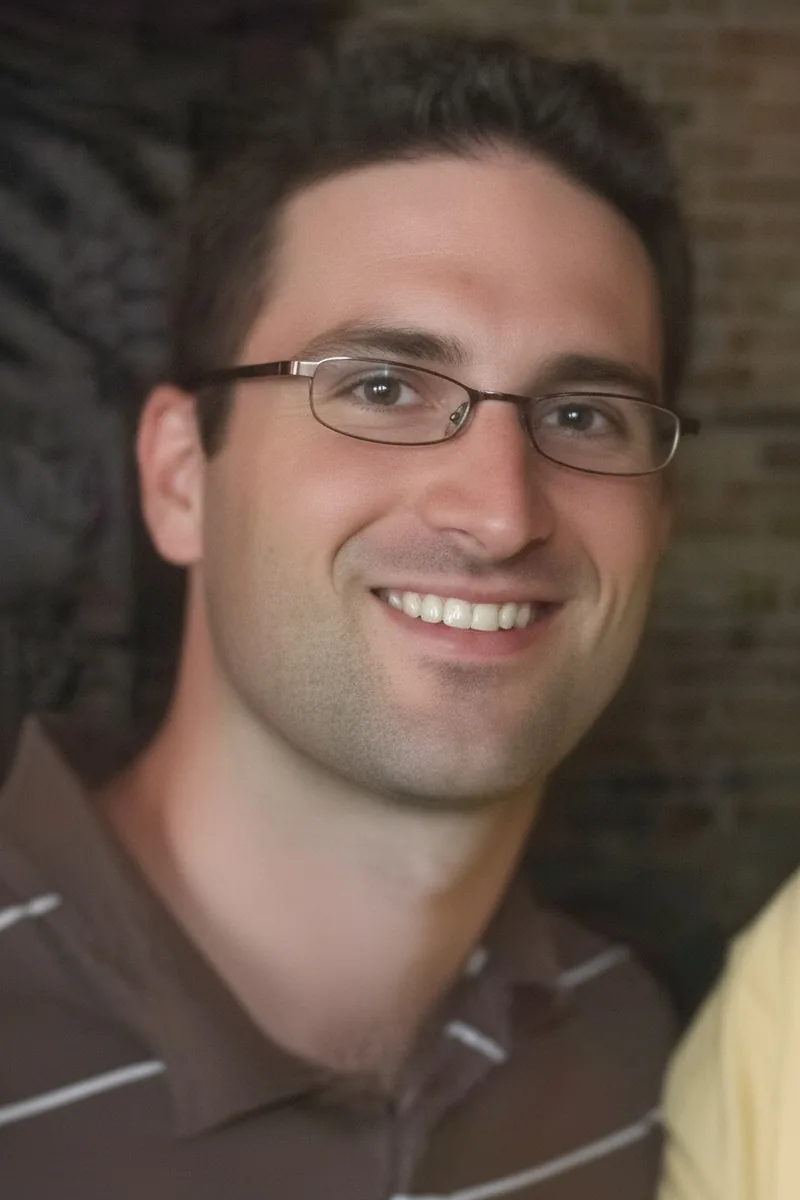
Graduate-level statistics is where Matthew lives professionally — his Master's in Educational Measurement and Statistics at the University of South Florida has him deep in topics like multivariate analysis, psychometrics, and inferential modeling on a daily basis. He's also served as a T.A. and instructor trainee for undergraduate statistics, so he knows how to unpack dense concepts like maximum likelihood estimation or ANOVA assumptions for students who are encountering them for the first time at the graduate level.
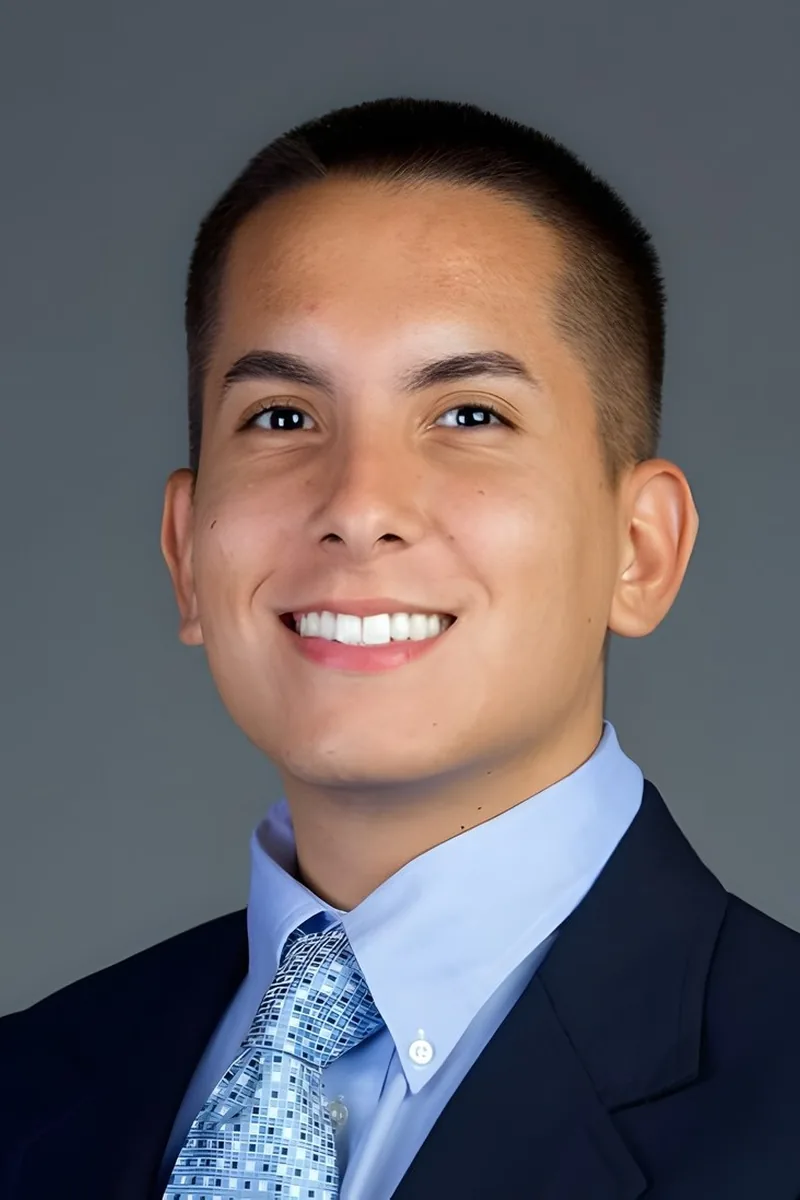
Graduate-level statistics moves quickly from probability theory into regression modeling, hypothesis testing frameworks, and ANOVA designs that require both mathematical rigor and software fluency. Juan is completing a statistics degree at the University of Florida alongside his engineering program, so he's immersed in these methods right now — from Bayesian inference to experimental design. His 4.9 rating speaks to how clearly he communicates dense material.
I am listening to and learning about him or her as an individual. I can also discover what motivates the student during this conversation and plan for how to frame future tutoring sessions in terms of what the student already knows and enjoys.
Graduate-level statistics demands fluency with concepts like maximum likelihood estimation, Bayesian inference, and multivariate analysis — not just running software but understanding the theory underneath. Michelle brings a quantitative biology perspective to these methods, having applied advanced statistical frameworks to biological data throughout her science training. Rated 4.9 by students.
Graduate-level statistics becomes far more intuitive when the examples come from real research — and Nicholas has applied multivariate analysis, mixed models, and hypothesis testing frameworks extensively throughout his genetics PhD work. He breaks down concepts like maximum likelihood estimation and ANOVA designs by tying them to the kinds of messy, real-world datasets students actually encounter in their own programs. Rated 4.8 by students.
I am currently finishing my thesis. For the past two years I was an adjunct instructor at The City College of New York, teaching statistics and introductory neuroscience, where I learned the importance of communicating complicated concepts clearly at an individualized level. All of my classes performed above average, and I discovered how satisfying it is to help people understand difficult ideas. I've found that by creating a good rapport with my students I am able to more effectively impart difficult concepts to them while causing them less stress. My passion is people, which first led me to study psychology, leading to my work in statistics, and later into teaching.
Graduate-level statistics demands fluency with proofs and derivations that introductory courses barely touch — moment-generating functions, maximum likelihood estimation, and the theory behind hypothesis testing. Victor's master's in Applied Mathematics gave him direct experience with these topics, and he brings that rigor to sessions while keeping notation and logic organized. He holds a 5.0 client rating.
Graduate-level statistics demands comfort with concepts like maximum likelihood estimation, Bayesian inference, and hypothesis testing frameworks that go well beyond intro courses. Abhi's M.S. in Data Science from UIUC and current PhD work at NYU mean he uses these tools daily in research — he teaches the theory alongside the practical intuition for when and why each method applies.
Graduate-level statistics demands comfort with proofs and distributions that most intro courses barely touch — moment-generating functions, maximum likelihood estimation, and Bayesian inference all require a different kind of mathematical maturity. Liban's dual training in mathematics and economics gives him fluency in both the theoretical framework and the applied modeling that graduate programs expect. Rated 4.8 by students, he brings the rigor without losing the intuition.
Graduate-level statistics throws curators of data into the deep end — multivariate analysis, mixed-effects models, Bayesian inference — and Michael's biology master's work required him to live in that world daily. He teaches the logic behind each method so students can choose the right test for their research design, not just run code blindly. Rated 5.0 by students.
I am a Molecular Engineering major at the University of Chicago, I am currently taking time off to focus on other aspects of my career but I don't want to stop tutoring outside college campus!. I am a child of immigrants and have spent my life tutoring my siblings and younger students, and I loved working with them! See y'all in class!
Graduate-level statistics demands more than plugging data into software — it requires understanding why you'd choose a Cox regression over a logistic model, or when maximum likelihood estimation breaks down. Naushaba's Master's in Epidemiology means she learned these methods by applying them to real research questions, from survival analysis to multivariate modeling. She teaches the reasoning behind each technique so students can defend their statistical choices in dissertations and publications.
Graduate-level statistics demands comfort with mathematical proofs and distribution theory that undergraduate courses barely touch — moment-generating functions, maximum likelihood estimation, Bayesian inference. Sabry's Ph.D. training in Chemical and Biomolecular Engineering required rigorous statistical modeling for experimental data, so he approaches these topics as tools with real stakes, not just textbook exercises. He's particularly effective at connecting abstract theory to applied research contexts.
Seven years of experimental psychology research means Anna doesn't just teach graduate statistics — she uses it daily, from designing multivariate models to running hierarchical regressions and interpreting interaction effects. Her PhD work at Saint Louis University required mastering advanced techniques like structural equation modeling and mediation analysis, so she teaches these methods with the fluency of someone who actually applies them. Rated 4.9 by students.
Graduate-level statistics demands fluency with concepts like maximum likelihood estimation, Bayesian inference, and multivariate distributions that go far beyond introductory coursework. Yuanxin's master's in financial engineering at USC required exactly this depth — she built and analyzed stochastic models where getting the statistics wrong meant getting the entire financial model wrong.
Graduate-level statistics demands comfort with proofs and derivations that most intro courses skip — maximum likelihood estimation, Bayesian inference, and the mathematical foundations behind common tests. Brian's Caltech background in economics and computer science gave him deep exposure to these methods in both theoretical and applied contexts, and he breaks down dense notation into intuitive steps.
Graduate-level statistics in medical and biomedical research relies heavily on survival analysis, logistic regression, and interpreting multivariate models — all tools Elise used extensively through her M.D. training at Creighton. She breaks down the reasoning behind test selection (why a Cox model instead of a chi-square, for instance) so the methodology clicks rather than just the formulas.
Testimonials
Because the right Statistics Graduate Level tutor makes all the difference.
Average Session Rating – Based on 3.4M Learner Ratings
Nearby Statistics Graduate Level Tutors
Other North Port Tutors
Related Math Tutors in North Port
Frequently Asked Questions
Varsity Tutors matches North Port students with expert Statistics Graduate Level tutors for 1-on-1 instruction. We pair each student with a tutor based on their specific needs, learning style, and goals.
Whether you need homework help, exam prep, or want to get ahead, our Statistics Graduate Level tutors are ready to help.
Common challenges include gaps from earlier material, difficulty with specific concepts, and trouble applying learning to new problems. These issues can snowball quickly in Statistics Graduate Level.
A tutor identifies where you're stuck, fills in gaps, and provides targeted practice. The 1-on-1 format means you get help exactly where you need it.
Tutors work with your student's actual coursework—homework assignments, class notes, and upcoming tests. This keeps tutoring directly relevant to what's happening in the classroom.
When you share information about your student's school and curriculum, we can match you with a tutor who has relevant experience.
All tutors complete background checks, credential verification, and teaching evaluation. Many of our Statistics Graduate Level tutors hold advanced degrees or have years of teaching experience.
You can review tutor profiles to find someone with the right background for your student's level and needs.
Many students see improved grades within a few weeks, along with better understanding of Statistics Graduate Level concepts and more confidence tackling challenging material.
Tutors track progress and adjust their approach to ensure continued improvement.
Most students benefit from 1-2 sessions per week. More frequent sessions help if your student is significantly behind or has an important exam coming up.
Your tutor can recommend a schedule based on your student's specific situation and goals.
Tutoring is purchased in packages of hours, with rates varying by tutor experience. Varsity Tutors offers several options to fit different budgets and needs.
You can discuss pricing during your consultation to find what works best.
Your tutor will assess where your student is, discuss goals, and start working on priority areas. Most students bring current homework or upcoming test material to focus on.
By the end, you'll have a clear sense of how the tutor can help and a plan for moving forward.
Let’s find your perfect tutor
Answer a few quick questions. We’ll recommend the right plan and match you with a top 5% tutor.