Award-Winning Statistics Graduate Level Tutors
serving Winter Haven, FL
Statistics Graduate Level
Tutors in Winter Haven
Private 1-on-1 tutoring, weekly live classes for academic support, test prep & enrichment, practice tests and diagnostics, and more to elevate grades and test scores.
Based on 3.4M Learner Ratings
UniversitiesSchools & Universities
DeliveredHours Delivered
ProficiencyGrowth in Proficiency
Who needs tutoring?
No obligation. Takes ~1 minute.
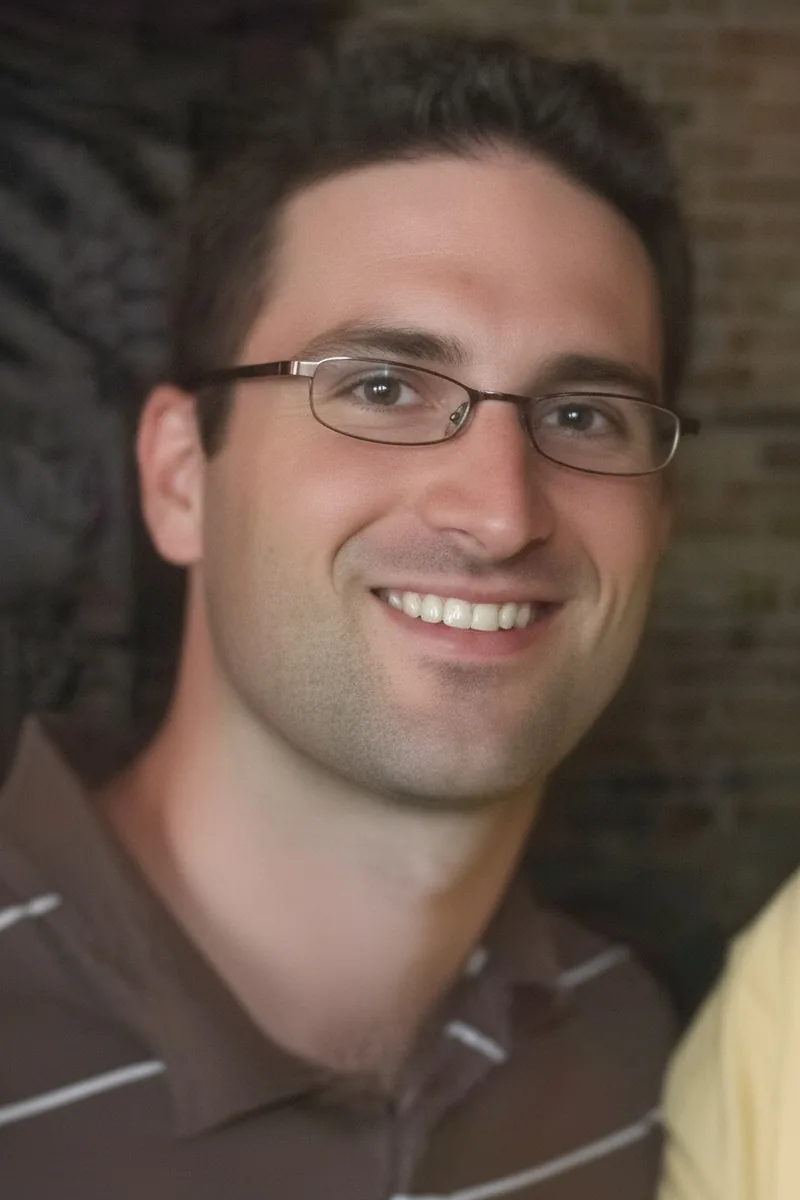
Graduate-level statistics is where Matthew lives professionally — his Master's in Educational Measurement and Statistics at the University of South Florida has him deep in topics like multivariate analysis, psychometrics, and inferential modeling on a daily basis. He's also served as a T.A. and instructor trainee for undergraduate statistics, so he knows how to unpack dense concepts like maximum likelihood estimation or ANOVA assumptions for students who are encountering them for the first time at the graduate level.
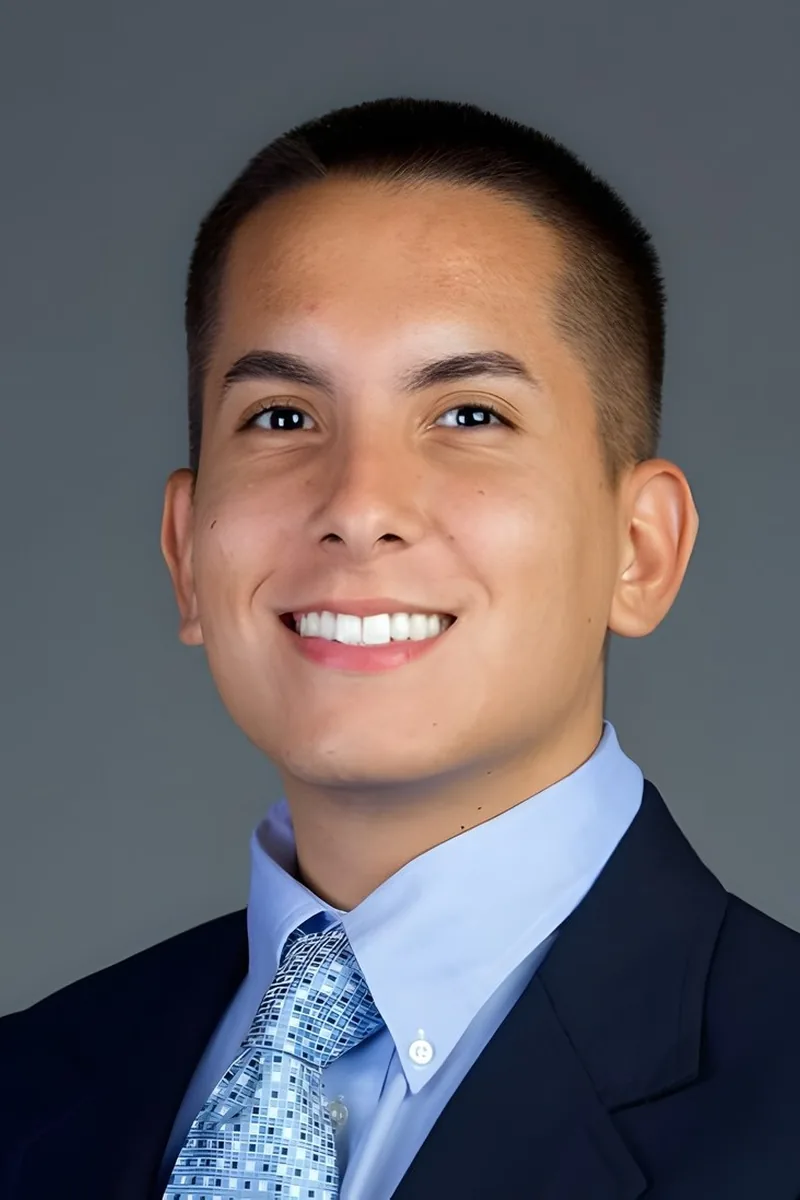
Graduate-level statistics moves quickly from probability theory into regression modeling, hypothesis testing frameworks, and ANOVA designs that require both mathematical rigor and software fluency. Juan is completing a statistics degree at the University of Florida alongside his engineering program, so he's immersed in these methods right now — from Bayesian inference to experimental design. His 4.9 rating speaks to how clearly he communicates dense material.
I am listening to and learning about him or her as an individual. I can also discover what motivates the student during this conversation and plan for how to frame future tutoring sessions in terms of what the student already knows and enjoys.
Graduate-level statistics demands fluency with concepts like maximum likelihood estimation, Bayesian inference, and multivariate analysis — not just running software but understanding the theory underneath. Michelle brings a quantitative biology perspective to these methods, having applied advanced statistical frameworks to biological data throughout her science training. Rated 4.9 by students.
Graduate-level statistics becomes far more intuitive when the examples come from real research — and Nicholas has applied multivariate analysis, mixed models, and hypothesis testing frameworks extensively throughout his genetics PhD work. He breaks down concepts like maximum likelihood estimation and ANOVA designs by tying them to the kinds of messy, real-world datasets students actually encounter in their own programs. Rated 4.8 by students.
Victor earned his B.S. in Economics with a statistics concentration from Purdue, where he tackled regression analysis, hypothesis testing, and probability distributions as core coursework. That quantitative foundation, combined with his time as a Supplemental Instruction Leader, means he can unpack dense concepts like multivariate analysis or ANOVA in ways that actually click. Rated 5.0 by students.
Graduate-level statistics demands comfort with mathematical proofs and distributional theory that go far beyond introductory courses — maximum likelihood estimation, Bayesian inference, and multivariate analysis all require real mathematical maturity. Yasaman's Ph.D. research in Electrical and Computer Engineering at McMaster has her working with advanced statistical methods regularly, so she can unpack both the theory and the computational implementation behind each technique.
Graduate-level statistics in the health sciences — biostatistics, survival analysis, logistic regression — requires more than formula memorization; it demands understanding which test fits which study design and why. Julia's Doctor of Science in Pharmacy means she's applied these methods firsthand in clinical research contexts, interpreting p-values and confidence intervals with real patient data on the line. She teaches students to think like researchers, connecting statistical output back to the questions driving the analysis.
Graduate-level statistics demands more than running tests — it requires understanding why you'd choose a mixed-effects model over a fixed-effects one, or when bootstrapping outperforms parametric assumptions. Snipta's computer science and cognitive science training at UT Dallas, plus hands-on research at the National Institutes of Health, means she's applied techniques like Bayesian inference and multivariate regression to real datasets, not just textbook exercises.
Graduate-level statistics lives at the intersection of Laura's two degrees — her IT background covers the computational side (Python, data mining, regression modeling), while her MBA sharpened her ability to interpret results in a business context. She digs into topics like hypothesis testing, ANOVA, and multivariate analysis with an emphasis on knowing which test to run and why the output matters.
Graduate-level statistics demands fluency with techniques like regression modeling, ANOVA, and hypothesis testing frameworks that go well beyond introductory coursework. Scott applies these methods actively in his doctoral research at NYU, where he analyzes complex datasets on human development — so he can walk through both the theory and the practical decision-making behind choosing the right analysis for a given research question.
Graduate-level statistics demands fluency with proofs and derivations that introductory courses barely touch — moment-generating functions, maximum likelihood estimation, and the theory behind hypothesis testing. Victor's master's in Applied Mathematics gave him direct experience with these topics, and he brings that rigor to sessions while keeping notation and logic organized. He holds a 5.0 client rating.
Graduate-level statistics pushes well beyond t-tests into maximum likelihood estimation, Bayesian inference, and multivariate regression diagnostics — territory where intuition from introductory courses often breaks down. Kathleen's experience across biostatistics and bioinformatics means she can ground abstract theory in real analytical workflows. Rated 4.9 by students, she brings both mathematical rigor and applied perspective to advanced coursework.
Graduate-level statistics often demands fluency with multivariate analysis, mixed models, and experimental design — topics Dan tackled extensively during his Master's in Plant Biology and Conservation, where statistical modeling was central to his research. He breaks down the logic behind tests like ANOVA, regression diagnostics, and maximum likelihood estimation so the methodology clicks, not just the software output. Rated 5.0 by students.
Graduate-level statistics throws curveballs that intro courses never prepare you for — survival analysis, mixed-effects models, high-dimensional inference. Nina earned her master's in biostatistics at Columbia and is currently pursuing her doctorate at NYU, so she's actively immersed in the theory and application behind these methods. She also served as a teaching assistant at Columbia, giving her a sharp sense of where grad students typically get stuck.
Graduate-level statistics demands more than plugging data into software — it requires understanding why a likelihood ratio test applies in one scenario and a Wald test in another. Mayuri's PhD in Physics meant designing experiments and running advanced statistical analyses firsthand, from Bayesian inference to multivariate regression. She breaks down the mathematical derivations behind each method so the theory clicks alongside the application.
Graduate-level statistics demands comfort with concepts like maximum likelihood estimation, ANOVA designs, and regression diagnostics that go well beyond introductory coursework. Sasha's training in both biology and science education gives her a practical lens for these methods — she connects statistical theory to real research applications, which is especially useful for grad students analyzing their own data.
Testimonials
Because the right Statistics Graduate Level tutor makes all the difference.
Average Session Rating – Based on 3.4M Learner Ratings
Nearby Statistics Graduate Level Tutors
Other Winter Haven Tutors
Related Math Tutors in Winter Haven
Frequently Asked Questions
Varsity Tutors matches Winter Haven students with expert Statistics Graduate Level tutors for 1-on-1 instruction. We pair each student with a tutor based on their specific needs, learning style, and goals.
Whether you need homework help, exam prep, or want to get ahead, our Statistics Graduate Level tutors are ready to help.
Common challenges include gaps from earlier material, difficulty with specific concepts, and trouble applying learning to new problems. These issues can snowball quickly in Statistics Graduate Level.
A tutor identifies where you're stuck, fills in gaps, and provides targeted practice. The 1-on-1 format means you get help exactly where you need it.
Tutors work with your student's actual coursework—homework assignments, class notes, and upcoming tests. This keeps tutoring directly relevant to what's happening in the classroom.
When you share information about your student's school and curriculum, we can match you with a tutor who has relevant experience.
All tutors complete background checks, credential verification, and teaching evaluation. Many of our Statistics Graduate Level tutors hold advanced degrees or have years of teaching experience.
You can review tutor profiles to find someone with the right background for your student's level and needs.
Many students see improved grades within a few weeks, along with better understanding of Statistics Graduate Level concepts and more confidence tackling challenging material.
Tutors track progress and adjust their approach to ensure continued improvement.
Most students benefit from 1-2 sessions per week. More frequent sessions help if your student is significantly behind or has an important exam coming up.
Your tutor can recommend a schedule based on your student's specific situation and goals.
Tutoring is purchased in packages of hours, with rates varying by tutor experience. Varsity Tutors offers several options to fit different budgets and needs.
You can discuss pricing during your consultation to find what works best.
Your tutor will assess where your student is, discuss goals, and start working on priority areas. Most students bring current homework or upcoming test material to focus on.
By the end, you'll have a clear sense of how the tutor can help and a plan for moving forward.
Let’s find your perfect tutor
Answer a few quick questions. We’ll recommend the right plan and match you with a top 5% tutor.