Award-Winning Java Tutors
serving Victorville, CA
Java
Tutors in Victorville
Private 1-on-1 tutoring, weekly live classes for academic support, test prep & enrichment, practice tests and diagnostics, and more to elevate grades and test scores.
Based on 3.4M Learner Ratings
UniversitiesSchools & Universities
DeliveredHours Delivered
ProficiencyGrowth in Proficiency
Who needs tutoring?
No obligation. Takes ~1 minute.
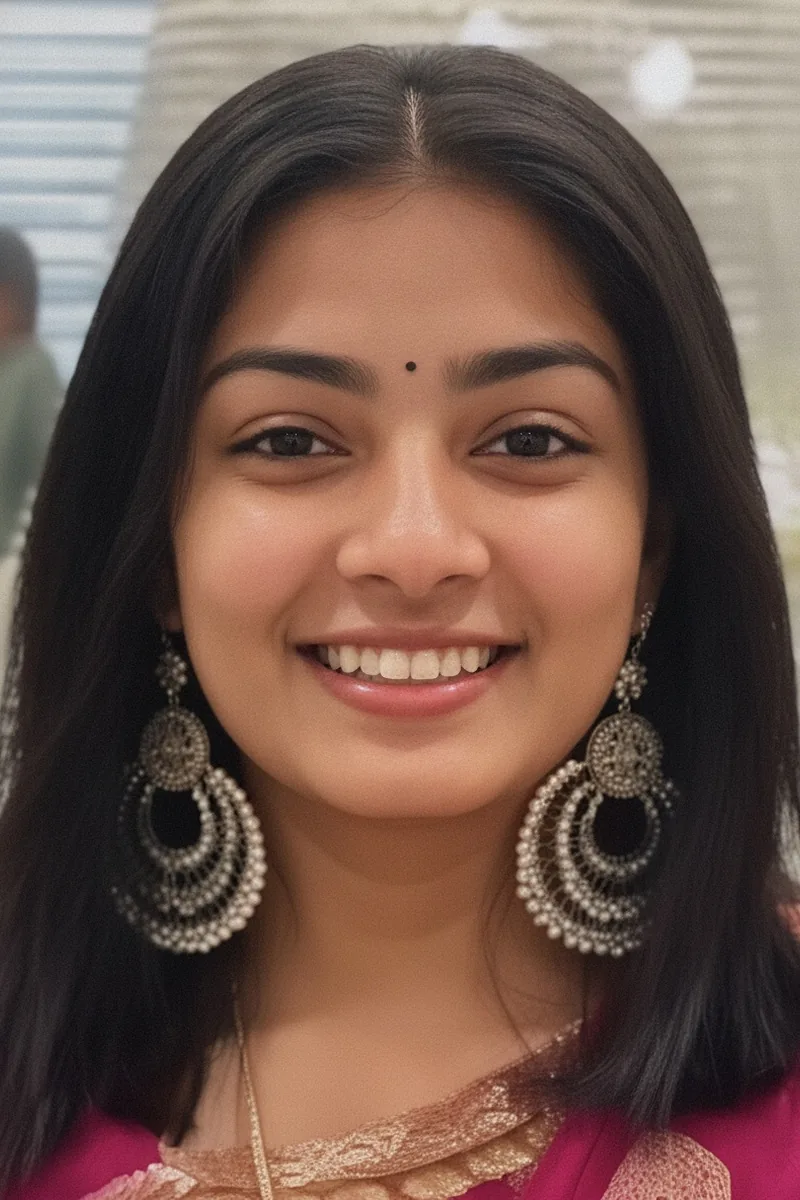
Object-oriented programming clicks faster when someone can explain why you'd use inheritance over composition, not just how to write the syntax. Sabira's computer science degree at Johns Hopkins means she teaches Java concepts like polymorphism, exception handling, and data structures with the kind of depth that carries over into coursework and technical interviews. Rated 5.0 by students.
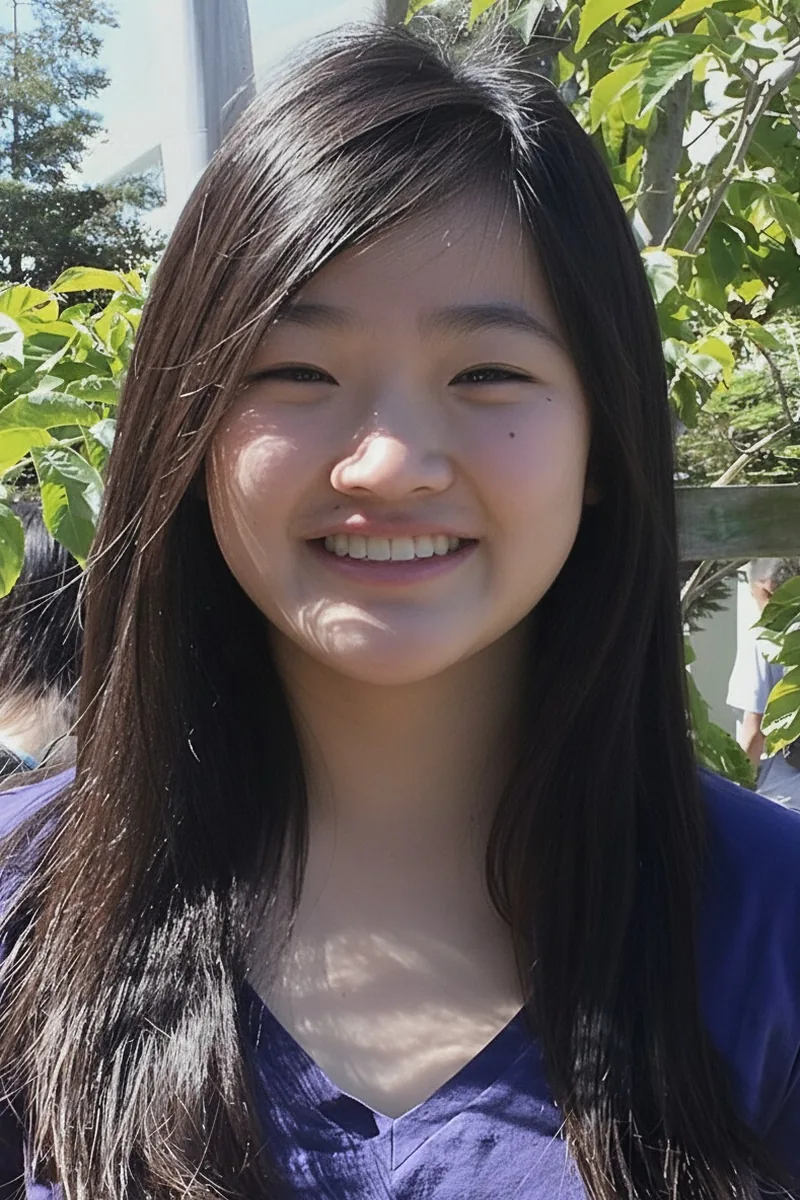
Julie's Statistics and Machine Learning certificate at Princeton means she writes Java regularly — from implementing data structures like linked lists and hash maps to building algorithmic solutions for computational problems. She breaks down object-oriented concepts like inheritance and polymorphism by connecting them to concrete examples students can trace through step by step.
Stanford's EECS program throws you into Java from day one — data structures, algorithms, systems projects — and Jai came out the other side with a 1590 SAT and a management consulting career that still leans on structured, logical thinking. He's especially useful for students wrestling with how to architect a program from scratch: deciding which classes to create, how methods should communicate, and why your code compiles but doesn't do what you expected.
While Java isn't Kate's primary teaching area, her engineering training involved significant programming work, and she approaches code the same way she approaches math: by building logic step by step. She's comfortable walking through object-oriented concepts like inheritance, loops, and array manipulation.
Brian learned Java as part of his Computer Science curriculum at Caltech, where coursework emphasized not just syntax but algorithmic thinking — data structures, object-oriented design, and writing code that scales. He breaks down concepts like inheritance, polymorphism, and exception handling by tying them to real programming problems rather than abstract definitions.
After earning his MS in Computer Science from Stanford, David taught app development to high school students in Palestine — an experience that sharpened his ability to explain object-oriented concepts like inheritance, polymorphism, and exception handling to beginners. He walks through Java by building real programs, so students understand not just syntax but why design decisions matter. His teaching covers everything from AP Computer Science A prep to more advanced data structures work.
Debugging a NullPointerException or untangling a recursive method call requires a specific way of thinking that's hard to pick up from textbooks alone. JF studies computational science at Stanford and writes Java regularly, so he can walk through object-oriented design, data structures, and control flow in a way that builds genuine programming intuition. He's rated 5.0 by students.
Learning Java alongside engineering coursework at Johns Hopkins means Bidyut understands how to teach object-oriented thinking — inheritance, polymorphism, data structures — in ways that connect to real problem-solving rather than abstract exercises. He walks through debugging and program design step by step, building the kind of fluency that makes writing classes and methods feel intuitive.
Applied mathematics at Stanford involves significant programming, and Alex uses that experience to teach Java's core concepts — object-oriented design, loops, conditionals, and data structures like arrays and ArrayLists. He approaches debugging the same way he approaches a proof: isolating assumptions, testing edge cases, and tracing logic step by step. That analytical rigor is especially useful for students building their first projects or preparing for AP Computer Science A.
Java's object-oriented structure clicks faster when someone walks you through how inheritance, polymorphism, and interfaces actually solve design problems — not just what the syntax looks like. Kevin's Stanford CS background spans AI and systems programming, and he connects Java concepts to the kind of software engineering thinking that carries into internships and technical interviews.
Stanford's computer science program gave Margaret hands-on experience with Java from object-oriented fundamentals through data structures like linked lists, stacks, and binary trees. She teaches students to think through problems before coding — sketching out logic with pseudocode and tracing through loops by hand — so debugging becomes a skill rather than a guessing game.
Samuel's applied math program at Caltech involves heavy computational work in Java, from implementing data structures like linked lists and hash maps to writing algorithms for numerical analysis. He teaches not just syntax but the logic underneath — how to trace through a loop, debug a NullPointerException, and design a class hierarchy that actually makes sense.
Learning Java means getting comfortable with object-oriented thinking — classes, inheritance, polymorphism — not just memorizing syntax. Emily, who also tutors MATLAB and broader coding concepts, approaches programming by having students build small projects that make abstract ideas like loops and data structures tangible. She's especially good at translating the logical precision from her science background into clean, well-structured code.
Object-oriented programming clicks once you stop memorizing syntax and start thinking in terms of how classes, methods, and data structures interact. Clive teaches Java by building up from core concepts — inheritance, polymorphism, loops, and array manipulation — so students can debug their own code instead of copying solutions. His background in AP Computer Science A and broader programming gives him a clear sense of where beginners get stuck.
Dylan's computer science minor at Vanderbilt gives him hands-on experience writing Java for coursework and projects, from object-oriented design patterns to data structures like arrays, linked lists, and hash maps. He explains concepts by tracing through code line by line, making sure students understand what's happening in memory — not just what compiles.
Robotics competitions and hackathons at Brown have given June hands-on Java experience that goes well beyond classroom assignments — she's written code under time pressure, debugged collaboratively, and shipped working projects. She teaches object-oriented concepts like inheritance, polymorphism, and interface design by tying them to tangible problems students can actually build something with.
Java's object-oriented structure trips up a lot of beginners once classes, inheritance, and polymorphism enter the picture. Nicholas teaches these concepts by connecting them to real design problems — why you'd use an interface here, when abstraction actually saves you time — drawing on the programming he does as part of his engineering and applied math coursework at Johns Hopkins. He also digs into debugging strategies so students learn to read stack traces and fix their own code independently.
As a Computer Science major at Cornell, Aditi writes Java regularly and knows exactly where beginners get tripped up — object-oriented concepts like inheritance and polymorphism, debugging NullPointerExceptions, or structuring a class hierarchy for the first time. She walks through code line by line, explaining not just what works but why it works, so students build genuine programming intuition.
Learning Java means getting comfortable with object-oriented thinking — classes, inheritance, polymorphism — before the syntax even matters. As an electrical engineering student at Duke, Brooke writes code regularly and breaks down programming logic into small, testable steps so students can debug their own reasoning, not just their compiler errors.
As a computer science student at Vanderbilt, Christian writes Java regularly for coursework and projects, from object-oriented design patterns to data structures like linked lists, trees, and hash maps. He explains not just syntax but the reasoning behind design decisions — why you'd choose an ArrayList over a LinkedList, or when inheritance makes more sense than composition.
Object-oriented thinking clicks faster when someone can show you why inheritance or polymorphism matters in a real codebase, not just a textbook diagram. Rhamy's computer engineering background at Vanderbilt means he teaches Java by building — constructing classes, debugging logic errors, and writing clean methods from scratch.
Object-oriented thinking in Java — inheritance hierarchies, polymorphism, interface design — clicks faster when someone explains the *why* behind each pattern, not just the syntax. Anna's extensive computer science background means she can unpack concepts like exception handling and data structures in a way that builds real programming intuition. Her 5.0 rating speaks to how well that approach lands with students.
Sarah's primary strengths are in writing and math rather than software development, so she's best suited for students just getting started with Java — understanding how to structure a program, work through conditionals and loops, and build basic logic from scratch. Her analytical instincts from a strong SAT performance and Dartmouth coursework translate well to walking beginners through that initial learning curve where reading error messages feels harder than writing the code itself.
As a computer science major at Duke who has TA'd courses like Intro to Databases and Computer Network Architecture, Florence writes Java in an academic and professional context daily. She digs into object-oriented fundamentals — inheritance hierarchies, interface design, exception handling — and connects them to real software patterns she's encountered during internships at IBM and TIAA.
As a computer science major at Duke, Bryce writes Java regularly for coursework and projects, from object-oriented design patterns to data structures like linked lists and binary trees. He breaks down abstract concepts like inheritance, polymorphism, and recursion into step-by-step logic that makes the language feel less intimidating for newer programmers.
As a teaching assistant at Penn, Keenan has watched hundreds of students struggle with the same Java stumbling blocks — object-oriented design, inheritance hierarchies, and debugging recursive methods. He walks through each concept by building small, runnable programs rather than lecturing from slides, so students see immediately how classes, interfaces, and data structures behave in practice.
As experienced and passionated educator with a Bachelor's degree in Computer Science from Rice University, I am passionate about empowering students to achieve their academic goals. With over 3 years of tutoring experience in subjects such as AP Computer Science A, Machine Learning, and SAT Math, I adapt to different learning styles and create a supportive learning environment. My teaching philosophy centers on personalized instruction, where I connect with each student to understand their unique learning styles and challenges. I take pride in guiding students through the complexities of computer science and college application essays, equipping them with the skills they need for future success. Outside of tutoring, I enjoy exploring new technologies and engaging in coding projects to improve my teaching approach.
Sabrina programs in Java as part of her electrical engineering coursework at Princeton, where the language shows up in everything from data structures assignments to algorithm design. She's strong at explaining object-oriented concepts like inheritance and polymorphism in plain terms, then walking through how to debug and test code systematically.
Learning Java at MIT means Brice didn't just memorize syntax — he built projects involving data structures, object-oriented design patterns, and algorithm optimization from the ground up. He explains concepts like inheritance, polymorphism, and exception handling by connecting them to real programming problems rather than abstract definitions, which makes the logic click faster.
Object-oriented thinking is where most Java students get stuck — inheritance hierarchies, polymorphism, interface design — and Matthew breaks these down using the kind of structured reasoning his math and CS background demands. He walks through how to design classes before writing a single line of code, so students stop guessing at syntax and start thinking like programmers.
As a computer science major at Stony Brook, Kiran has written Java extensively — from object-oriented design patterns to data structures like linked lists, trees, and hash maps. He digs into how the JVM actually handles memory and inheritance so students understand why their code behaves the way it does, not just how to get it to compile.
Eric digs into Java at the level where most students get stuck: object-oriented design. Understanding why you'd use inheritance over composition, or when an interface makes more sense than an abstract class, is the leap from writing code that works to writing code that's actually well-structured. As a CS major at Washington University in St. Louis, he brings current coursework directly into his tutoring sessions.
Object-oriented programming in Java makes a lot more sense when someone walks you through why classes, inheritance, and polymorphism are designed the way they are — not just how to type them. Michelle earned her B.S. in Computer Science from Duke and is entering a PhD program at Michigan, so she can take students from writing their first for-loop through building full multi-class projects.
I am graduated from Penn State University in Industrial Engineering in 2017. I've tutored ever since I was in high school, and I love helping people! I like to help my students understand math (and other topics) instead of just doing it blindly. My goal is to help my students improve their math (and other topics) and build skills that will help them find learning easier in the future! Fun fact, I used to work for Disney and I like to salsa dance!
Java's object-oriented model — inheritance hierarchies, polymorphism, interface contracts — clicks faster when the person explaining it uses those patterns daily in production code. Firas built large-scale Java applications in industry before completing his Ph.D. in Computer Science and moving to machine learning research at Princeton. He walks through everything from basic class design to collections, generics, and multithreading with real engineering context behind each concept.
Object-oriented programming clicks once you stop memorizing syntax and start understanding why classes, inheritance, and polymorphism exist in the first place. Ryan teaches Java by building small projects that make abstract concepts tangible — writing a linked list from scratch, for instance, or designing a simple game loop that uses interfaces. His CS coursework at Cornell keeps him current with the language features and design patterns students encounter in both AP and college-level courses.
David earned his bachelor's in computer science at UT Austin and has continued applying programming in his graduate research at Columbia and UChicago. He teaches Java with an emphasis on object-oriented design — classes, inheritance, polymorphism — and connects each concept to practical projects so the abstractions click rather than just compile.
Java's object-oriented structure trips up beginners who try to memorize syntax without understanding why classes, inheritance, and polymorphism exist. Michael, a working software developer, teaches Java by building small programs from scratch so students see how each concept — from constructors to exception handling — solves a specific design problem. He holds a 4.9 rating across his subjects.
Engineering coursework at Yale means Andrew writes Java regularly — from object-oriented design patterns to data structures like linked lists and hash maps. He breaks down concepts like inheritance, polymorphism, and exception handling by building small working programs alongside students so the logic clicks before the syntax overwhelms.
Studying computer science at Penn, Bryan codes in Java across coursework that ranges from data structures to software design — so he knows where students typically trip up on things like exception handling, scope, and debugging multi-file projects. His engineering mindset means he teaches code architecture as a set of deliberate choices, not just syntax to memorize. Rated 5.0 by students.
Testimonials
Because the right Java tutor makes all the difference.
Average Session Rating – Based on 3.4M Learner Ratings
Nearby Java Tutors
Other Victorville Tutors
Related Technology and Coding Tutors in Victorville
Frequently Asked Questions
Varsity Tutors matches Victorville students with expert Java tutors for 1-on-1 instruction. We pair each student with a tutor based on their specific needs, learning style, and goals.
Whether you need homework help, exam prep, or want to get ahead, our Java tutors are ready to help.
Common challenges include gaps from earlier material, difficulty with specific concepts, and trouble applying learning to new problems. These issues can snowball quickly in Java.
A tutor identifies where you're stuck, fills in gaps, and provides targeted practice. The 1-on-1 format means you get help exactly where you need it.
Tutors work with your student's actual coursework—homework assignments, class notes, and upcoming tests. This keeps tutoring directly relevant to what's happening in the classroom.
When you share information about your student's school and curriculum, we can match you with a tutor who has relevant experience.
All tutors complete background checks, credential verification, and teaching evaluation. Many of our Java tutors hold advanced degrees or have years of teaching experience.
You can review tutor profiles to find someone with the right background for your student's level and needs.
Many students see improved grades within a few weeks, along with better understanding of Java concepts and more confidence tackling challenging material.
Tutors track progress and adjust their approach to ensure continued improvement.
Most students benefit from 1-2 sessions per week. More frequent sessions help if your student is significantly behind or has an important exam coming up.
Your tutor can recommend a schedule based on your student's specific situation and goals.
Tutoring is purchased in packages of hours, with rates varying by tutor experience. Varsity Tutors offers several options to fit different budgets and needs.
You can discuss pricing during your consultation to find what works best.
Your tutor will assess where your student is, discuss goals, and start working on priority areas. Most students bring current homework or upcoming test material to focus on.
By the end, you'll have a clear sense of how the tutor can help and a plan for moving forward.
Let’s find your perfect tutor
Answer a few quick questions. We’ll recommend the right plan and match you with a top 5% tutor.