Award-Winning Java Tutors
serving Mission Viejo, CA
Java
Tutors in Mission Viejo
Private 1-on-1 tutoring, weekly live classes for academic support, test prep & enrichment, practice tests and diagnostics, and more to elevate grades and test scores.
Based on 3.4M Learner Ratings
UniversitiesSchools & Universities
DeliveredHours Delivered
ProficiencyGrowth in Proficiency
Who needs tutoring?
No obligation. Takes ~1 minute.
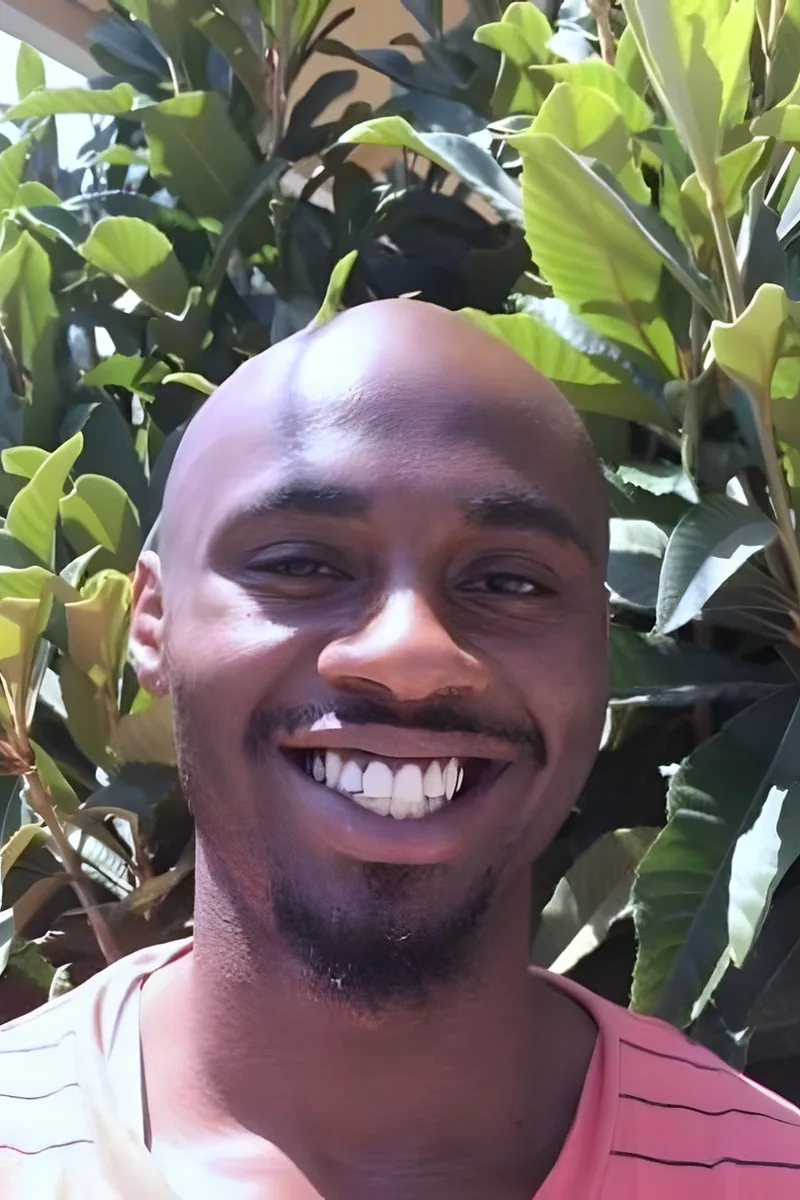
Brian learned Java as part of his Computer Science curriculum at Caltech, where coursework emphasized not just syntax but algorithmic thinking — data structures, object-oriented design, and writing code that scales. He breaks down concepts like inheritance, polymorphism, and exception handling by tying them to real programming problems rather than abstract definitions.
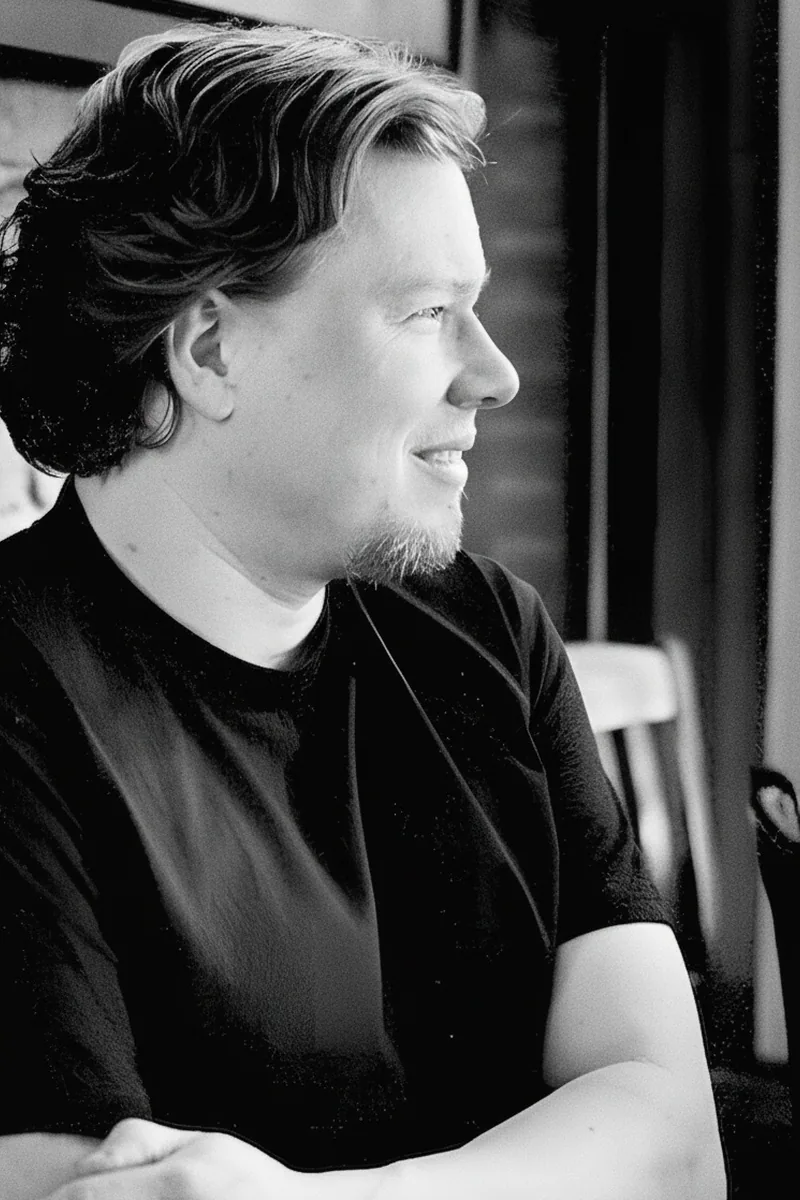
Java's object-oriented structure can feel overwhelming the first time a student encounters classes, inheritance, and polymorphism all at once. Dennis unpacks each concept with hands-on coding exercises, building small programs that make abstract ideas like encapsulation tangible. He teaches across multiple CS levels — from AP to college courses — so he knows exactly where beginners tend to get stuck and how to get them unstuck.
As a Computer Science major at Cornell, Aditi writes Java regularly and knows exactly where beginners get tripped up — object-oriented concepts like inheritance and polymorphism, debugging NullPointerExceptions, or structuring a class hierarchy for the first time. She walks through code line by line, explaining not just what works but why it works, so students build genuine programming intuition.
I'm trying to work on personal projects. I really enjoy snowboarding, and have been doing that since the third grade. I also enjoy playing sports and video games.
Object-oriented programming clicks once you stop memorizing syntax and start thinking in terms of classes, inheritance, and how objects interact. Sidharth, a computer science student at Penn, teaches Java by building projects incrementally — starting with control flow and methods, then layering in data structures and design patterns so each concept has a concrete use case.
Engineering coursework at Yale means Andrew writes Java regularly — from object-oriented design patterns to data structures like linked lists and hash maps. He breaks down concepts like inheritance, polymorphism, and exception handling by building small working programs alongside students so the logic clicks before the syntax overwhelms.
Object-oriented thinking in Java — inheritance hierarchies, polymorphism, interface design — clicks faster when someone explains the *why* behind each pattern, not just the syntax. Anna's extensive computer science background means she can unpack concepts like exception handling and data structures in a way that builds real programming intuition. Her 5.0 rating speaks to how well that approach lands with students.
Data Analytics majors at Ohio State don't just run queries — Vishank's coursework in database management means he writes Java to manipulate, process, and structure real datasets, which gives him a practical angle on teaching fundamentals like arrays, methods, and file I/O. He connects programming concepts to data problems that produce meaningful output, making early Java assignments feel less abstract. Rated 4.9 by students.
Object-oriented programming clicks once you stop memorizing syntax and start understanding why classes, inheritance, and polymorphism exist in the first place. Ryan teaches Java by building small projects that make abstract concepts tangible — writing a linked list from scratch, for instance, or designing a simple game loop that uses interfaces. His CS coursework at Cornell keeps him current with the language features and design patterns students encounter in both AP and college-level courses.
Object-oriented programming clicks once you stop memorizing syntax and start thinking in terms of how classes, methods, and data structures interact. Clive teaches Java by building up from core concepts — inheritance, polymorphism, loops, and array manipulation — so students can debug their own code instead of copying solutions. His background in AP Computer Science A and broader programming gives him a clear sense of where beginners get stuck.
As a computer science major at Duke who has TA'd courses like Intro to Databases and Computer Network Architecture, Florence writes Java in an academic and professional context daily. She digs into object-oriented fundamentals — inheritance hierarchies, interface design, exception handling — and connects them to real software patterns she's encountered during internships at IBM and TIAA.
Object-oriented thinking — classes, inheritance, polymorphism — trips up a lot of new Java programmers because the concepts feel abstract until you build something with them. Ashton approaches Java the way his Rice engineering coursework demands: by writing real code, debugging it line by line, and understanding why the compiler complains, not just how to make it stop.
Stanford's EECS program throws you into Java from day one — data structures, algorithms, systems projects — and Jai came out the other side with a 1590 SAT and a management consulting career that still leans on structured, logical thinking. He's especially useful for students wrestling with how to architect a program from scratch: deciding which classes to create, how methods should communicate, and why your code compiles but doesn't do what you expected.
Dylan's computer science minor at Vanderbilt gives him hands-on experience writing Java for coursework and projects, from object-oriented design patterns to data structures like arrays, linked lists, and hash maps. He explains concepts by tracing through code line by line, making sure students understand what's happening in memory — not just what compiles.
Testimonials
Because the right Java tutor makes all the difference.
Average Session Rating – Based on 3.4M Learner Ratings
Nearby Java Tutors
Other Mission Viejo Tutors
Related Technology and Coding Tutors in Mission Viejo
Frequently Asked Questions
Your first session is about understanding your goals and current skill level. A tutor will assess whether you're just starting with Java fundamentals, working through object-oriented programming concepts, or tackling more advanced topics like data structures and algorithms. They'll ask about your learning style and any specific challenges you're facing—whether that's understanding syntax, debugging errors, or grasping algorithmic thinking—so they can tailor future sessions to your needs.
Many students struggle with the difference between knowing Java syntax and actually understanding how to solve problems with code. Tutors help you develop algorithmic thinking by walking through how to break down problems step-by-step, then show you how to express those solutions in Java syntax. This combination—learning the "why" behind your code alongside the "how" to write it—builds real programming confidence rather than just memorizing rules.
Absolutely. Debugging is one of the most practical skills in programming, and tutors excel at teaching you how to read error messages, trace through your code logically, and identify where things went wrong. Instead of just fixing the error for you, a tutor will guide you through the debugging process so you develop problem-solving strategies you can apply to future errors on your own.
Data structures and algorithms are foundational to Java programming but can feel abstract without hands-on practice. Tutors help you understand concepts like arrays, lists, trees, and sorting algorithms by working through real code examples and having you implement them yourself. This project-based approach makes these concepts stick far better than lectures alone.
Yes. Java is used across many fields—from backend web development with Spring frameworks to game development with engines like LibGDX. Tutors can tailor your learning path based on your interests, focusing on the libraries, frameworks, and project types most relevant to your goals while building your core Java fundamentals.
Many tutors incorporate project-based learning into sessions, helping you build real applications rather than just working through textbook problems. This hands-on approach reinforces concepts like object-oriented design, code organization, and debugging in a practical context. Your tutor can also review your code, suggest improvements, and help you understand best practices as you build.
Look for tutors with demonstrated Java expertise—ideally those with professional programming experience or strong computer science backgrounds. The best tutors can explain complex concepts clearly and adapt their teaching style to your learning pace. When you connect with a tutor, ask about their experience with your specific needs, whether that's AP Computer Science, college coursework, or interview preparation.
With 33 schools across Mission Viejo serving over 21,000 students, many are offering computer science and AP Computer Science courses. Tutors understand these curricula and can help you master the Java concepts you're learning in class, work through challenging assignments, and prepare for AP exams. Personalized 1-on-1 instruction is especially valuable in computer science, where hands-on coding practice and immediate feedback accelerate your learning.
Let’s find your perfect tutor
Answer a few quick questions. We’ll recommend the right plan and match you with a top 5% tutor.