Award-Winning Java Tutors
serving Long Beach, CA
Java
Tutors in Long Beach
Private 1-on-1 tutoring, weekly live classes for academic support, test prep & enrichment, practice tests and diagnostics, and more to elevate grades and test scores.
Based on 3.4M Learner Ratings
UniversitiesSchools & Universities
DeliveredHours Delivered
ProficiencyGrowth in Proficiency
Who needs tutoring?
No obligation. Takes ~1 minute.
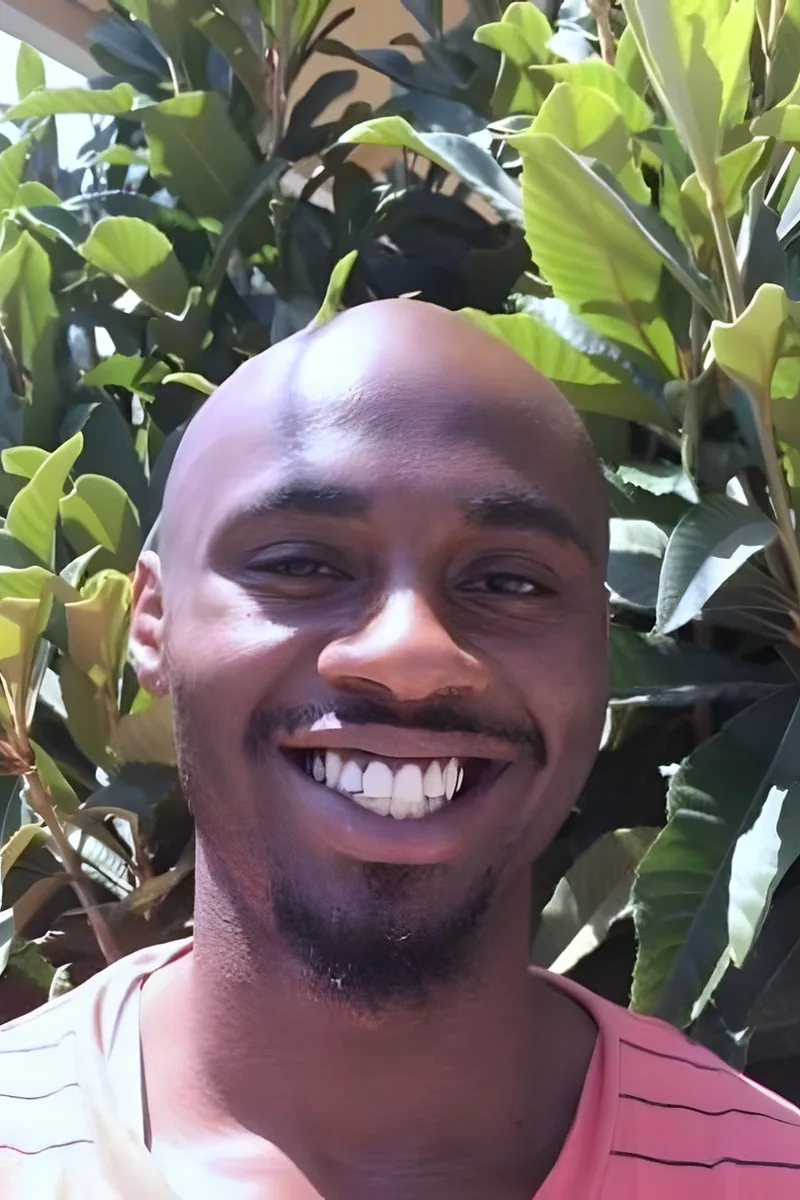
Brian learned Java as part of his Computer Science curriculum at Caltech, where coursework emphasized not just syntax but algorithmic thinking — data structures, object-oriented design, and writing code that scales. He breaks down concepts like inheritance, polymorphism, and exception handling by tying them to real programming problems rather than abstract definitions.
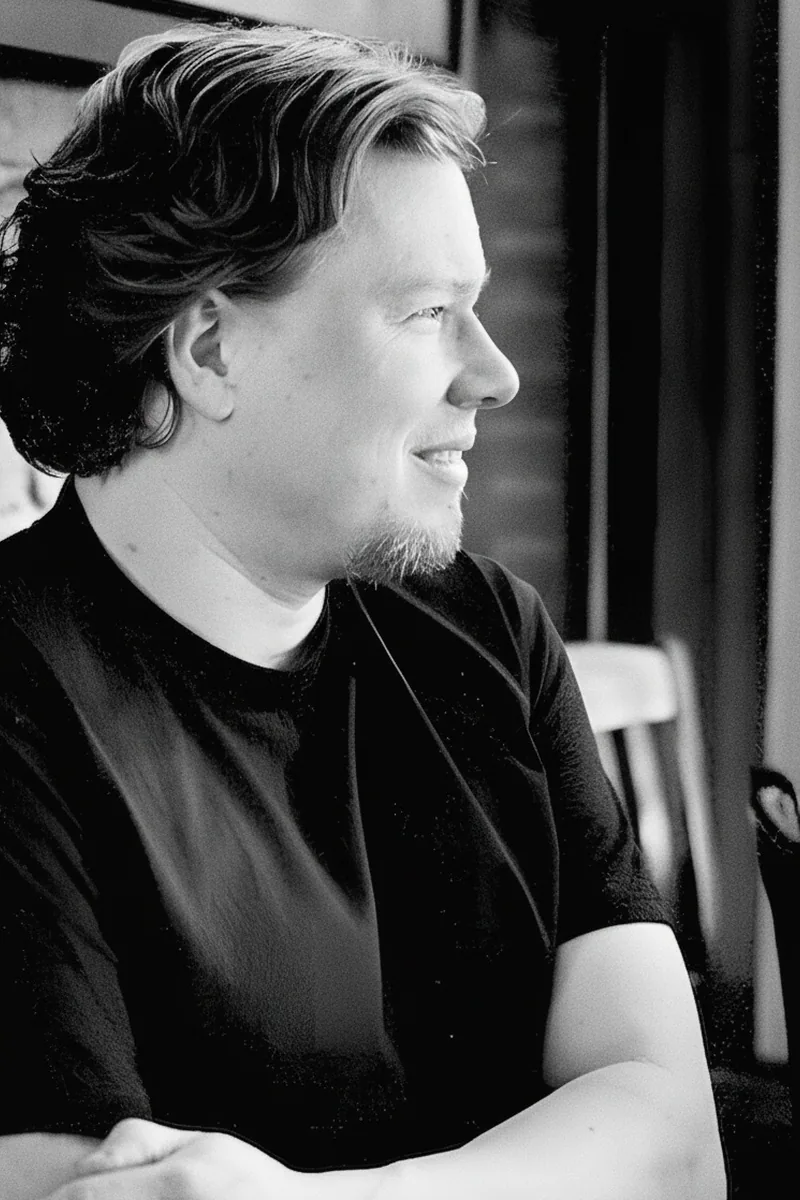
Java's object-oriented structure can feel overwhelming the first time a student encounters classes, inheritance, and polymorphism all at once. Dennis unpacks each concept with hands-on coding exercises, building small programs that make abstract ideas like encapsulation tangible. He teaches across multiple CS levels — from AP to college courses — so he knows exactly where beginners tend to get stuck and how to get them unstuck.
David earned his bachelor's in computer science at UT Austin and has continued applying programming in his graduate research at Columbia and UChicago. He teaches Java with an emphasis on object-oriented design — classes, inheritance, polymorphism — and connects each concept to practical projects so the abstractions click rather than just compile.
Learning Java at MIT means Brice didn't just memorize syntax — he built projects involving data structures, object-oriented design patterns, and algorithm optimization from the ground up. He explains concepts like inheritance, polymorphism, and exception handling by connecting them to real programming problems rather than abstract definitions, which makes the logic click faster.
Electrical engineering at Vanderbilt means writing real Java code — from object-oriented design patterns to data structures that actually power systems. Daniel breaks down concepts like inheritance, recursion, and array manipulation by tying them to projects that make the logic click, not just compile.
Java's object-oriented model — inheritance hierarchies, polymorphism, interface contracts — clicks faster when the person explaining it uses those patterns daily in production code. Firas built large-scale Java applications in industry before completing his Ph.D. in Computer Science and moving to machine learning research at Princeton. He walks through everything from basic class design to collections, generics, and multithreading with real engineering context behind each concept.
Java's object-oriented structure clicks faster when someone walks you through how inheritance, polymorphism, and interfaces actually solve design problems — not just what the syntax looks like. Kevin's Stanford CS background spans AI and systems programming, and he connects Java concepts to the kind of software engineering thinking that carries into internships and technical interviews.
Learning Java means getting comfortable with object-oriented thinking — classes, inheritance, polymorphism — not just memorizing syntax. Emily, who also tutors MATLAB and broader coding concepts, approaches programming by having students build small projects that make abstract ideas like loops and data structures tangible. She's especially good at translating the logical precision from her science background into clean, well-structured code.
Hailey's mathematics background at UGA gives her a structural approach to Java — she treats concepts like loops, conditionals, and object-oriented design as logical systems to reason through, not just syntax to memorize. She's particularly effective at walking through how methods, classes, and data structures connect to solve real problems.
Java's object-oriented structure trips up beginners who try to memorize syntax without understanding why classes, inheritance, and polymorphism exist. Michael, a working software developer, teaches Java by building small programs from scratch so students see how each concept — from constructors to exception handling — solves a specific design problem. He holds a 4.9 rating across his subjects.
Object-oriented programming clicks faster when someone walks you through why classes, inheritance, and polymorphism are designed the way they are — not just how to make the code compile. Joel, pursuing computer science at Cornell alongside his physics major, digs into Java fundamentals like data structures, recursion, and algorithm design with real problem-solving context.
As a computer science major at Stony Brook, Kiran has written Java extensively — from object-oriented design patterns to data structures like linked lists, trees, and hash maps. He digs into how the JVM actually handles memory and inheritance so students understand why their code behaves the way it does, not just how to get it to compile.
Studying computer science at Cornell means Chris writes Java daily — from object-oriented design patterns to data structures like linked lists, trees, and hash maps. He explains concepts like inheritance, polymorphism, and recursion by building small programs alongside the student, so abstract ideas become tangible the moment they compile and run.
Object-oriented thinking — classes, inheritance, polymorphism — trips up a lot of new Java programmers because the concepts feel abstract until you build something with them. Ashton approaches Java the way his Rice engineering coursework demands: by writing real code, debugging it line by line, and understanding why the compiler complains, not just how to make it stop.
Testimonials
Because the right Java tutor makes all the difference.
Average Session Rating – Based on 3.4M Learner Ratings
Nearby Java Tutors
Other Long Beach Tutors
Related Technology and Coding Tutors in Long Beach
Frequently Asked Questions
Your first session is all about understanding where you are in your Java journey. A tutor will discuss your current experience level, specific goals (whether that's acing AP Computer Science, building web applications, or mastering data structures), and any challenges you're facing. They'll then create a personalized plan tailored to your pace and learning style, so you're set up for success from day one.
Debugging is a critical skill that many Java students struggle with alone. Tutors work through errors with you step-by-step, teaching you how to read error messages, use debugging tools, and think through what your code is actually doing versus what you intended. This hands-on approach builds your problem-solving confidence and turns frustrating bugs into learning opportunities.
Syntax is the rules of the Java language—how to write statements correctly. Logic is the thinking process behind solving problems algorithmically. Many students memorize syntax but struggle with logic, which is why personalized tutoring is valuable; tutors help you develop algorithmic thinking through practice problems, code walkthroughs, and real-world examples, not just grammar rules.
Data structures (arrays, lists, maps) and OOP concepts (classes, inheritance, polymorphism) are foundational to Java but abstract for many learners. Tutors break these down with visual explanations, code examples, and practice problems that help you see how these concepts work in real applications. This builds your understanding so you can apply them confidently in projects and exams.
Absolutely. Many tutors emphasize project-based learning—whether you're building a game, a web application, or a data analysis tool. Working on real projects reinforces what you're learning, gives you portfolio-worthy work, and makes Java feel practical rather than abstract. Your tutor can guide you through design decisions, code review, and debugging as you build.
Yes. Long Beach has 118 schools across 8 school districts, and Varsity Tutors connects you with tutors familiar with the Java curricula taught in local high schools and community colleges. Whether you're preparing for AP Computer Science, a college placement exam, or coursework at Long Beach City College, you'll get matched with someone who understands your specific program's expectations.
Definitely. Java is used across many fields—web development with Spring, data science with libraries like Apache Spark, and game development with engines like LibGDX. Tutors can help you explore these paths, recommend relevant projects, and guide you toward specializations that match your interests while building strong foundational Java skills.
Pricing varies based on the tutor's experience level and your specific needs, typically ranging from $25-$80+ per hour. Many students find that even a few sessions focused on debugging techniques or data structures can unlock their understanding and save hours of frustration. Varsity Tutors can help you find tutors at different price points to fit your budget.
Let’s find your perfect tutor
Answer a few quick questions. We’ll recommend the right plan and match you with a top 5% tutor.