Award-Winning Java Tutors
serving San Jose, CA
Java
Tutors in San Jose
Private 1-on-1 tutoring, weekly live classes for academic support, test prep & enrichment, practice tests and diagnostics, and more to elevate grades and test scores.
Based on 3.4M Learner Ratings
UniversitiesSchools & Universities
DeliveredHours Delivered
ProficiencyGrowth in Proficiency
Who needs tutoring?
No obligation. Takes ~1 minute.
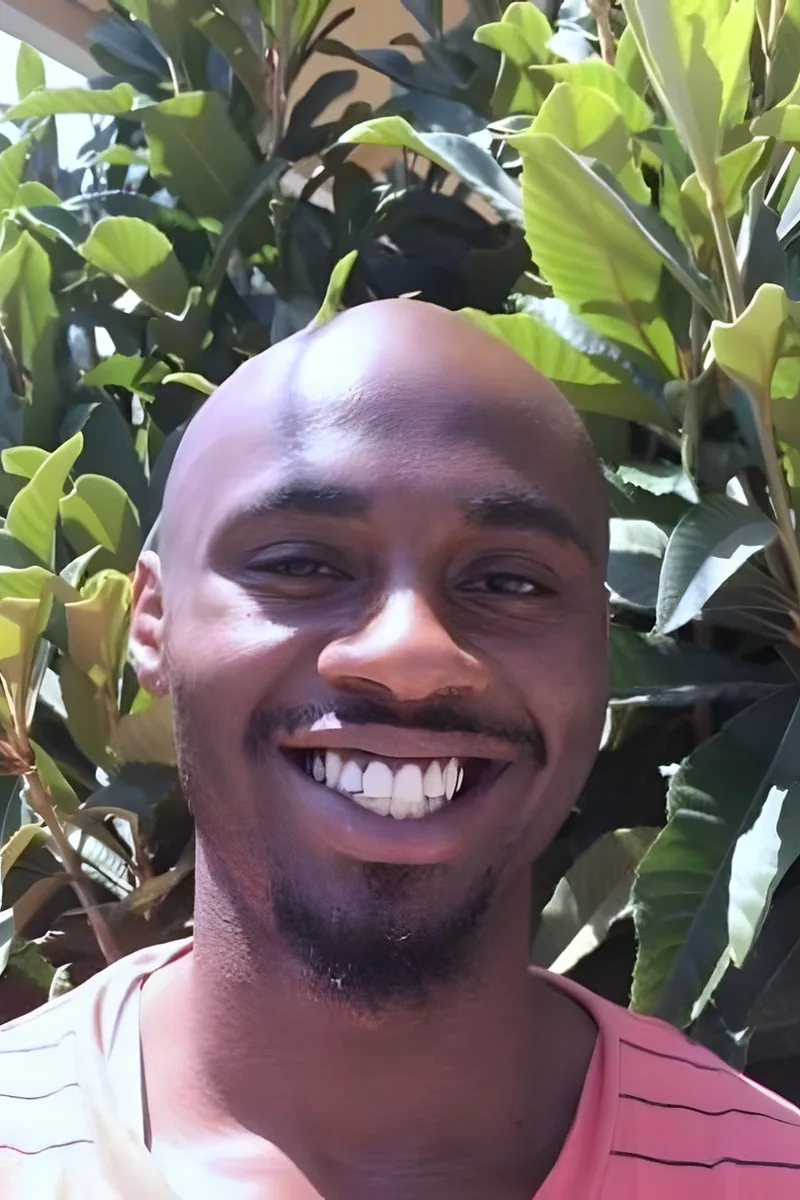
Brian learned Java as part of his Computer Science curriculum at Caltech, where coursework emphasized not just syntax but algorithmic thinking — data structures, object-oriented design, and writing code that scales. He breaks down concepts like inheritance, polymorphism, and exception handling by tying them to real programming problems rather than abstract definitions.
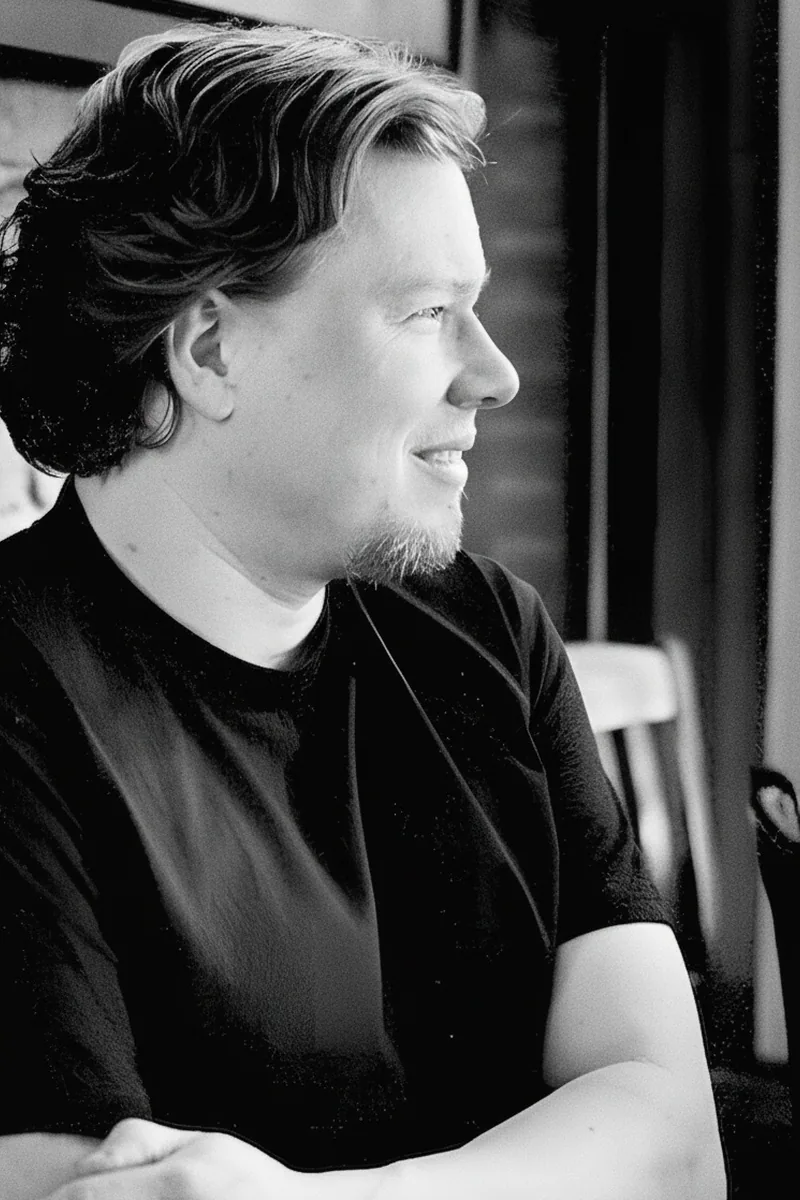
Java's object-oriented structure can feel overwhelming the first time a student encounters classes, inheritance, and polymorphism all at once. Dennis unpacks each concept with hands-on coding exercises, building small programs that make abstract ideas like encapsulation tangible. He teaches across multiple CS levels — from AP to college courses — so he knows exactly where beginners tend to get stuck and how to get them unstuck.
Object-oriented thinking — classes, inheritance, polymorphism — trips up a lot of new Java programmers because the concepts feel abstract until you build something with them. Ashton approaches Java the way his Rice engineering coursework demands: by writing real code, debugging it line by line, and understanding why the compiler complains, not just how to make it stop.
Object-oriented programming clicks once you stop memorizing syntax and start thinking in terms of how classes, methods, and data structures interact. Clive teaches Java by building up from core concepts — inheritance, polymorphism, loops, and array manipulation — so students can debug their own code instead of copying solutions. His background in AP Computer Science A and broader programming gives him a clear sense of where beginners get stuck.
Object-oriented thinking comes naturally to someone trained in engineering systems, and Earnest applies that logic to teaching Java concepts like inheritance, polymorphism, and exception handling. He walks students through building actual programs step by step, so abstract ideas like class hierarchies and data structures click through hands-on practice.
Debugging a NullPointerException or untangling a recursive method call requires a specific way of thinking that's hard to pick up from textbooks alone. JF studies computational science at Stanford and writes Java regularly, so he can walk through object-oriented design, data structures, and control flow in a way that builds genuine programming intuition. He's rated 5.0 by students.
As a Computer Science major at Cornell, Aditi writes Java regularly and knows exactly where beginners get tripped up — object-oriented concepts like inheritance and polymorphism, debugging NullPointerExceptions, or structuring a class hierarchy for the first time. She walks through code line by line, explaining not just what works but why it works, so students build genuine programming intuition.
Data Analytics majors at Ohio State don't just run queries — Vishank's coursework in database management means he writes Java to manipulate, process, and structure real datasets, which gives him a practical angle on teaching fundamentals like arrays, methods, and file I/O. He connects programming concepts to data problems that produce meaningful output, making early Java assignments feel less abstract. Rated 4.9 by students.
Jacob's computer science master's degree means he doesn't just teach Java syntax — he explains why object-oriented principles like inheritance and polymorphism exist and when to actually use them. He walks students through building real programs, from designing class hierarchies to debugging NullPointerExceptions, so the language starts to feel like a tool rather than a set of rules to memorize.
Maggie picked up Java alongside MATLAB and Python during her biomedical engineering training, where she used it to build data processing tools and simulation frameworks. She breaks down object-oriented concepts like inheritance, polymorphism, and encapsulation by connecting them to real engineering problems rather than abstract textbook examples.
Object-oriented programming clicks once you stop memorizing syntax and start thinking in terms of classes, inheritance, and how objects interact. Sidharth, a computer science student at Penn, teaches Java by building projects incrementally — starting with control flow and methods, then layering in data structures and design patterns so each concept has a concrete use case.
As a computer science student at Vanderbilt, Christian writes Java regularly for coursework and projects, from object-oriented design patterns to data structures like linked lists, trees, and hash maps. He explains not just syntax but the reasoning behind design decisions — why you'd choose an ArrayList over a LinkedList, or when inheritance makes more sense than composition.
Object-oriented thinking in Java — inheritance hierarchies, polymorphism, interface design — clicks faster when someone explains the *why* behind each pattern, not just the syntax. Anna's extensive computer science background means she can unpack concepts like exception handling and data structures in a way that builds real programming intuition. Her 5.0 rating speaks to how well that approach lands with students.
Object-oriented programming clicks faster when someone can explain why you'd use inheritance over composition, not just how to write the syntax. Sabira's computer science degree at Johns Hopkins means she teaches Java concepts like polymorphism, exception handling, and data structures with the kind of depth that carries over into coursework and technical interviews. Rated 5.0 by students.
Testimonials
Because the right Java tutor makes all the difference.
Average Session Rating – Based on 3.4M Learner Ratings
Nearby Java Tutors
Other San Jose Tutors
Related Technology and Coding Tutors in San Jose
Frequently Asked Questions
Your first session is an opportunity to discuss your current Java experience, specific goals (whether that's AP Computer Science, building web applications, or preparing for technical interviews), and any challenges you're facing. A tutor will assess your understanding of programming fundamentals and create a personalized learning plan tailored to your pace and objectives. This foundation helps ensure every subsequent session builds on what matters most to you.
One of the biggest hurdles in learning Java is deciphering error messages and understanding why code doesn't work as expected. Tutors help you develop systematic debugging strategies—reading stack traces, using print statements effectively, and thinking through logic step-by-step—rather than just fixing syntax. This approach builds confidence and makes you independent at troubleshooting, which is essential for real programming work.
Syntax is the rules of the Java language (how to write correct statements), while logic is the problem-solving approach (how to break down a problem and write algorithms to solve it). Many students can memorize syntax but struggle with logic—knowing how to use a loop is different from knowing when and why to use one. Personalized tutoring focuses on both, ensuring you understand not just the "what" but the "why" behind your code.
Yes—tutors work with you on real coding projects, whether you're building a game, a web application, or a data analysis tool. They review your code, suggest improvements, and help you understand best practices like clean code structure and efficient algorithms. This hands-on approach is far more effective than just studying theory, and it builds a portfolio of work you can be proud of.
Absolutely. Java is used across many fields—web development with Spring Boot, data science with libraries like Apache Spark, Android app development, and more. Tutors can help you explore what interests you most and guide your learning accordingly. Whether you're aiming for AP Computer Science, a coding bootcamp, or a specific career path, personalized instruction ensures your studies align with your goals.
Data structures like arrays, lists, maps, and trees are foundational to Java programming but can feel abstract at first. Tutors use visualizations, coding exercises, and real-world examples to make these concepts concrete. Rather than memorizing definitions, you'll build intuition about when to use each structure and how they affect your code's efficiency—skills that matter far beyond Java.
Yes. Varsity Tutors connects students in San Jose with expert Java tutors who understand the curriculum at local schools and can provide personalized 1-on-1 instruction. Whether you attend one of the 298 schools across San Jose's 58 school districts or are learning Java independently, you can find a tutor who matches your experience level and learning style.
Pricing varies based on the tutor's experience, your location, and session frequency. Most students benefit from consistent, regular sessions—whether weekly or bi-weekly—rather than sporadic help. When you connect with Varsity Tutors, you can discuss your budget and goals to find a tutoring arrangement that works for you.
Let’s find your perfect tutor
Answer a few quick questions. We’ll recommend the right plan and match you with a top 5% tutor.