Award-Winning Java Tutors
serving Los Angeles, CA
Java
Tutors in Los Angeles
Private 1-on-1 tutoring, weekly live classes for academic support, test prep & enrichment, practice tests and diagnostics, and more to elevate grades and test scores.
Based on 3.4M Learner Ratings
UniversitiesSchools & Universities
DeliveredHours Delivered
ProficiencyGrowth in Proficiency
Who needs tutoring?
No obligation. Takes ~1 minute.
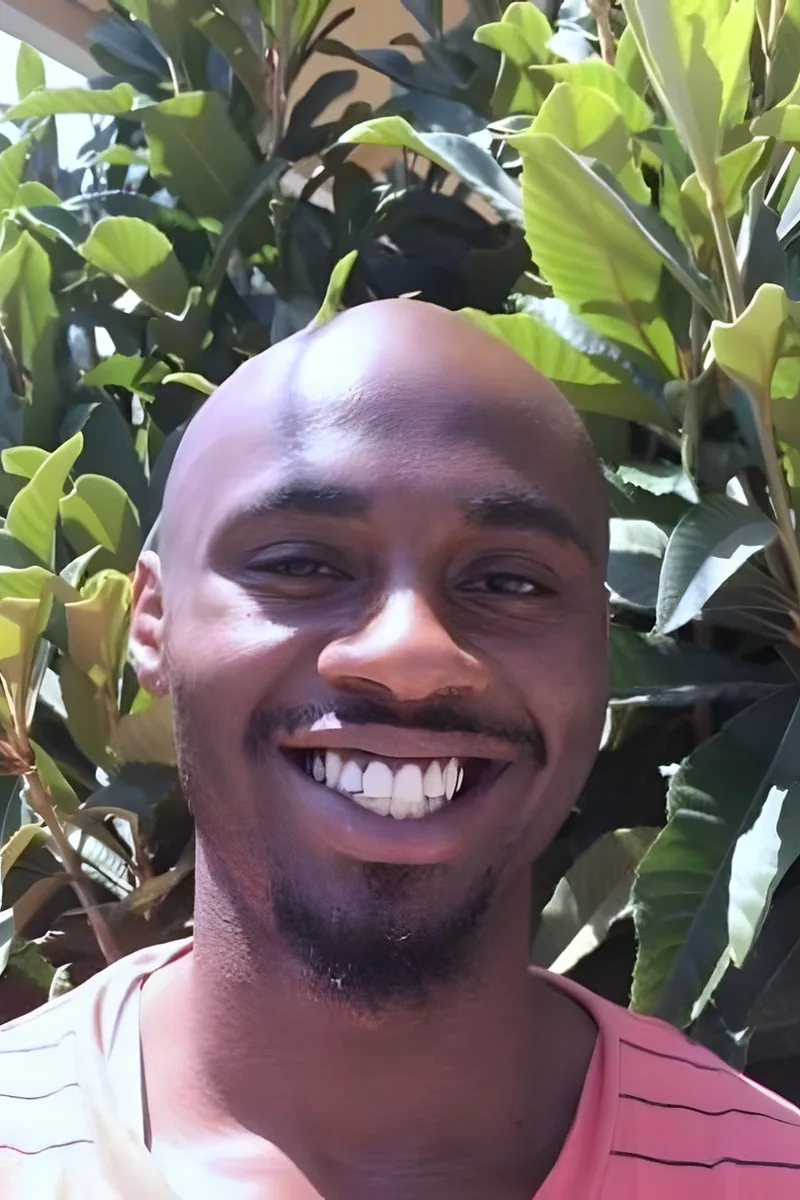
Brian learned Java as part of his Computer Science curriculum at Caltech, where coursework emphasized not just syntax but algorithmic thinking — data structures, object-oriented design, and writing code that scales. He breaks down concepts like inheritance, polymorphism, and exception handling by tying them to real programming problems rather than abstract definitions.

Java's object-oriented structure can feel overwhelming the first time a student encounters classes, inheritance, and polymorphism all at once. Dennis unpacks each concept with hands-on coding exercises, building small programs that make abstract ideas like encapsulation tangible. He teaches across multiple CS levels — from AP to college courses — so he knows exactly where beginners tend to get stuck and how to get them unstuck.
As a computer science major at Stony Brook, Kiran has written Java extensively — from object-oriented design patterns to data structures like linked lists, trees, and hash maps. He digs into how the JVM actually handles memory and inheritance so students understand why their code behaves the way it does, not just how to get it to compile.
Object-oriented programming clicks faster when someone walks you through why classes, inheritance, and polymorphism are designed the way they are — not just how to make the code compile. Joel, pursuing computer science at Cornell alongside his physics major, digs into Java fundamentals like data structures, recursion, and algorithm design with real problem-solving context.
Java's object-oriented structure trips up a lot of beginners once classes, inheritance, and polymorphism enter the picture. Nicholas teaches these concepts by connecting them to real design problems — why you'd use an interface here, when abstraction actually saves you time — drawing on the programming he does as part of his engineering and applied math coursework at Johns Hopkins. He also digs into debugging strategies so students learn to read stack traces and fix their own code independently.
Learning Java means getting comfortable with object-oriented thinking — classes, inheritance, polymorphism — not just memorizing syntax. Emily, who also tutors MATLAB and broader coding concepts, approaches programming by having students build small projects that make abstract ideas like loops and data structures tangible. She's especially good at translating the logical precision from her science background into clean, well-structured code.
Object-oriented thinking — classes, inheritance, polymorphism — trips up a lot of new Java programmers because the concepts feel abstract until you build something with them. Ashton approaches Java the way his Rice engineering coursework demands: by writing real code, debugging it line by line, and understanding why the compiler complains, not just how to make it stop.
Maggie picked up Java alongside MATLAB and Python during her biomedical engineering training, where she used it to build data processing tools and simulation frameworks. She breaks down object-oriented concepts like inheritance, polymorphism, and encapsulation by connecting them to real engineering problems rather than abstract textbook examples.
As a computer science student at Vanderbilt, Christian writes Java regularly for coursework and projects, from object-oriented design patterns to data structures like linked lists, trees, and hash maps. He explains not just syntax but the reasoning behind design decisions — why you'd choose an ArrayList over a LinkedList, or when inheritance makes more sense than composition.
As a teaching assistant at Penn, Keenan has watched hundreds of students struggle with the same Java stumbling blocks — object-oriented design, inheritance hierarchies, and debugging recursive methods. He walks through each concept by building small, runnable programs rather than lecturing from slides, so students see immediately how classes, interfaces, and data structures behave in practice.
Julie's Statistics and Machine Learning certificate at Princeton means she writes Java regularly — from implementing data structures like linked lists and hash maps to building algorithmic solutions for computational problems. She breaks down object-oriented concepts like inheritance and polymorphism by connecting them to concrete examples students can trace through step by step.
Object-oriented thinking clicks faster when someone can show you why inheritance or polymorphism matters in a real codebase, not just a textbook diagram. Rhamy's computer engineering background at Vanderbilt means he teaches Java by building — constructing classes, debugging logic errors, and writing clean methods from scratch.
Noelle's STEM background at Princeton means she thinks about Java not just as syntax but as problem-solving logic — loops, conditionals, object-oriented design, and debugging strategies that carry across programming languages. She unpacks concepts like inheritance and polymorphism using concrete examples so the abstract class hierarchy actually clicks.
Debugging a NullPointerException or untangling a recursive method call requires a specific way of thinking that's hard to pick up from textbooks alone. JF studies computational science at Stanford and writes Java regularly, so he can walk through object-oriented design, data structures, and control flow in a way that builds genuine programming intuition. He's rated 5.0 by students.
Testimonials
Because the right Java tutor makes all the difference.
Average Session Rating – Based on 3.4M Learner Ratings
Nearby Java Tutors
Other Los Angeles Tutors
Related Technology and Coding Tutors in Los Angeles
Frequently Asked Questions
Your first session is about understanding your goals and current skill level. A tutor will assess whether you're learning Java fundamentals, preparing for AP Computer Science, or building toward web development or data science. They'll discuss your biggest challenges—whether that's understanding object-oriented concepts, debugging errors, or algorithmic thinking—and create a personalized plan to help you progress.
Both matter, but logic comes first. Understanding how to think through a problem—breaking it into steps, recognizing patterns, and designing algorithms—is more important than memorizing syntax. A tutor will help you develop problem-solving skills while teaching syntax as a tool to express those ideas. Once you grasp the logic, syntax becomes much easier to learn and remember.
Debugging is a skill that improves with guided practice. Tutors teach systematic approaches: reading error messages carefully, using print statements or debuggers to track variable values, and testing small sections of code in isolation. Rather than just fixing your errors, a tutor will walk you through the debugging process so you develop independence and confidence troubleshooting your own code.
Object-oriented concepts like classes, inheritance, and polymorphism are easier to understand through real examples and hands-on practice. A tutor will use relatable projects—building a game character class, designing a banking system, or creating a library database—to show how OOP solves real problems. This project-based approach makes abstract concepts concrete and helps you see why Java's design matters.
Data structures are tools for organizing and accessing information efficiently. A tutor will explain when to use each one by showing practical scenarios: arrays for fixed-size collections, ArrayLists for dynamic lists, and HashMaps for fast lookups. Hands-on coding practice—building projects that use these structures—helps you internalize when and how to apply them rather than just memorizing definitions.
Absolutely. Java is used in web development (Spring frameworks), data science (libraries like Apache Spark), Android app development, and enterprise software. Varsity Tutors connects you with tutors who can tailor your learning toward your interests, whether that's building web applications, working with databases, or exploring other specializations. They'll guide your project choices and skill development accordingly.
Yes. AP Computer Science A is Java-based and focuses on programming fundamentals, algorithms, and data structures. Tutors can help you master the required concepts, practice with released exam questions, and develop strong coding habits that earn points on the free-response section. With personalized instruction, you'll build both the conceptual understanding and test-taking confidence needed to succeed.
Varsity Tutors matches you with tutors based on your specific needs—whether you're a beginner learning loops and conditionals, an intermediate student tackling OOP, or preparing for AP exams or technical interviews. During the matching process, you'll discuss your experience level, learning style, and goals. This personalized approach ensures you get instruction that's challenging but achievable, not too easy or overwhelming.
Let’s find your perfect tutor
Answer a few quick questions. We’ll recommend the right plan and match you with a top 5% tutor.