Award-Winning Java Tutors
serving Concord, CA
Java
Tutors in Concord
Private 1-on-1 tutoring, weekly live classes for academic support, test prep & enrichment, practice tests and diagnostics, and more to elevate grades and test scores.
Based on 3.4M Learner Ratings
UniversitiesSchools & Universities
DeliveredHours Delivered
ProficiencyGrowth in Proficiency
Who needs tutoring?
No obligation. Takes ~1 minute.
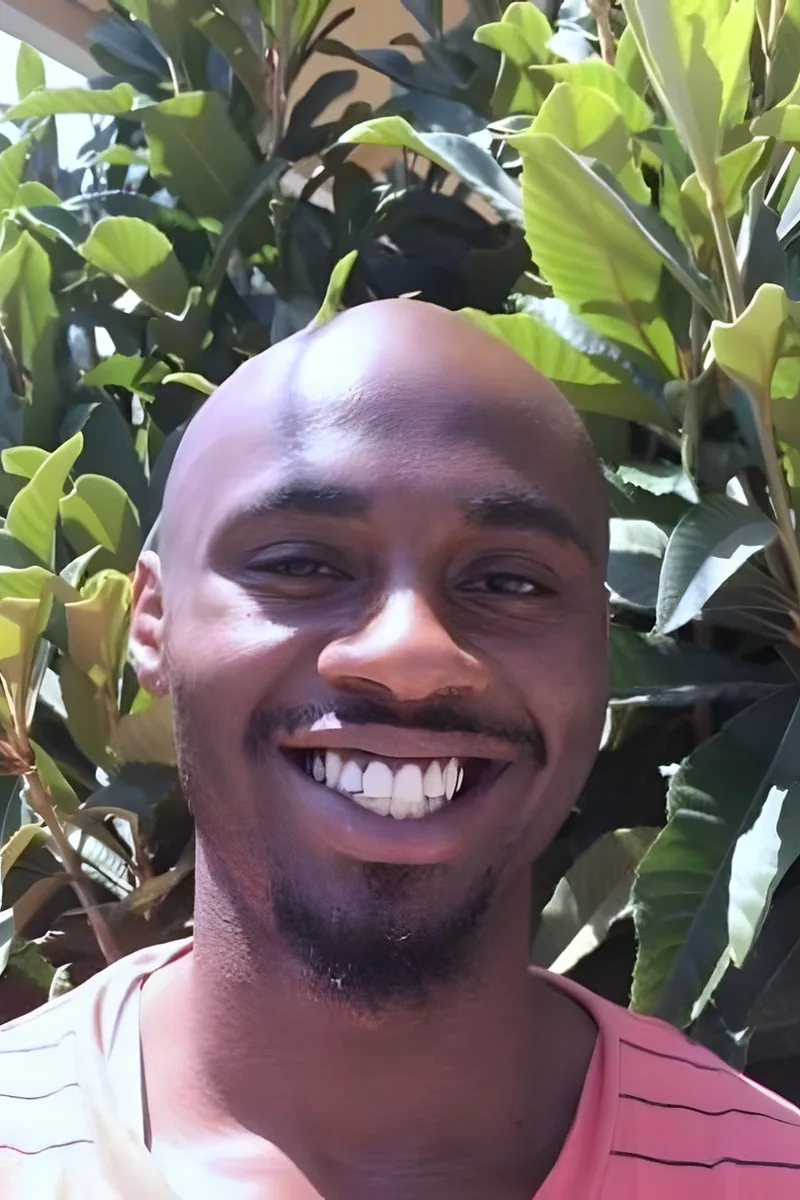
Brian learned Java as part of his Computer Science curriculum at Caltech, where coursework emphasized not just syntax but algorithmic thinking — data structures, object-oriented design, and writing code that scales. He breaks down concepts like inheritance, polymorphism, and exception handling by tying them to real programming problems rather than abstract definitions.

Java's object-oriented structure can feel overwhelming the first time a student encounters classes, inheritance, and polymorphism all at once. Dennis unpacks each concept with hands-on coding exercises, building small programs that make abstract ideas like encapsulation tangible. He teaches across multiple CS levels — from AP to college courses — so he knows exactly where beginners tend to get stuck and how to get them unstuck.
Applied mathematics at Stanford involves significant programming, and Alex uses that experience to teach Java's core concepts — object-oriented design, loops, conditionals, and data structures like arrays and ArrayLists. He approaches debugging the same way he approaches a proof: isolating assumptions, testing edge cases, and tracing logic step by step. That analytical rigor is especially useful for students building their first projects or preparing for AP Computer Science A.
Object-oriented thinking clicks faster when someone can show you why inheritance or polymorphism matters in a real codebase, not just a textbook diagram. Rhamy's computer engineering background at Vanderbilt means he teaches Java by building — constructing classes, debugging logic errors, and writing clean methods from scratch.
Object-oriented thinking is where most Java students get stuck — inheritance hierarchies, polymorphism, interface design — and Matthew breaks these down using the kind of structured reasoning his math and CS background demands. He walks through how to design classes before writing a single line of code, so students stop guessing at syntax and start thinking like programmers.
After earning his MS in Computer Science from Stanford, David taught app development to high school students in Palestine — an experience that sharpened his ability to explain object-oriented concepts like inheritance, polymorphism, and exception handling to beginners. He walks through Java by building real programs, so students understand not just syntax but why design decisions matter. His teaching covers everything from AP Computer Science A prep to more advanced data structures work.
Milo has been writing Java since before college and earned both his bachelor's and current master's in computer science at UMass Amherst, where Java is a primary teaching language. He digs into object-oriented design, inheritance hierarchies, and common pitfalls like null pointer exceptions and off-by-one errors — the stuff that trips students up once programs grow beyond a single class.
Object-oriented programming clicks once you stop memorizing syntax and start thinking in terms of classes, inheritance, and how objects interact. Sidharth, a computer science student at Penn, teaches Java by building projects incrementally — starting with control flow and methods, then layering in data structures and design patterns so each concept has a concrete use case.
Java's object-oriented structure trips up a lot of beginners — inheritance hierarchies, interface contracts, and the difference between passing by value versus passing a reference can feel abstract without the right examples. Nicholas earned his CS degree at Penn State writing Java extensively, and he teaches these concepts by building small, working programs alongside students so each idea has something tangible behind it.
As a computer science major at Stony Brook, Kiran has written Java extensively — from object-oriented design patterns to data structures like linked lists, trees, and hash maps. He digs into how the JVM actually handles memory and inheritance so students understand why their code behaves the way it does, not just how to get it to compile.
I'm trying to work on personal projects. I really enjoy snowboarding, and have been doing that since the third grade. I also enjoy playing sports and video games.
Eric digs into Java at the level where most students get stuck: object-oriented design. Understanding why you'd use inheritance over composition, or when an interface makes more sense than an abstract class, is the leap from writing code that works to writing code that's actually well-structured. As a CS major at Washington University in St. Louis, he brings current coursework directly into his tutoring sessions.
As experienced and passionated educator with a Bachelor's degree in Computer Science from Rice University, I am passionate about empowering students to achieve their academic goals. With over 3 years of tutoring experience in subjects such as AP Computer Science A, Machine Learning, and SAT Math, I adapt to different learning styles and create a supportive learning environment. My teaching philosophy centers on personalized instruction, where I connect with each student to understand their unique learning styles and challenges. I take pride in guiding students through the complexities of computer science and college application essays, equipping them with the skills they need for future success. Outside of tutoring, I enjoy exploring new technologies and engaging in coding projects to improve my teaching approach.
Java's object-oriented model clicks once a student truly understands how classes, inheritance, and polymorphism work together — not just in toy examples but in real codebases. Brandon brings two years of professional software development experience alongside his master's research, so he can walk through everything from basic syntax and data structures to design patterns and multithreading. He's particularly strong on the debugging mindset that turns frustrating compiler errors into learning moments.
Testimonials
Because the right Java tutor makes all the difference.
Average Session Rating – Based on 3.4M Learner Ratings
Nearby Java Tutors
Other Concord Tutors
Related Technology and Coding Tutors in Concord
Frequently Asked Questions
Your first session is about understanding your goals and current skill level. A tutor will assess whether you're just starting with programming fundamentals, working through a high school or college curriculum, or preparing for specific projects. They'll discuss what you're struggling with—whether that's syntax, debugging, or algorithmic thinking—and create a personalized plan to help you progress.
Both matter, but logic comes first. Understanding how to break down problems and think algorithmically is the foundation; Java syntax is just the tool to express that logic. A tutor helps you develop problem-solving skills while teaching you Java-specific syntax, so you're not just memorizing code—you're learning to write it purposefully.
Students often struggle with understanding error messages, grasping object-oriented concepts like classes and inheritance, and translating logic into working code. Debugging—figuring out why code isn't doing what you expect—is another major hurdle. Personalized tutoring helps you work through these challenges with immediate feedback and explanations tailored to how you learn.
It's essential. Reading about Java concepts is helpful, but actually writing code, running it, breaking it, and fixing it is how you truly learn. Tutors guide you through building real projects—from simple programs to more complex applications—while teaching you best practices and code review skills that go beyond just getting something to work.
Absolutely. Java is versatile, and tutors can tailor lessons to your specific interests. Whether you're learning Java for web backend development, data structures for computer science courses, or game development with frameworks like LibGDX, a tutor can guide you toward the concepts and projects most relevant to your goals.
Yes. Whether you're working through your school's Java course, preparing for AP Computer Science, or following a specific textbook or online platform, tutors can align their instruction with your curriculum. They'll help you understand assignments, prepare for assessments, and fill gaps in your understanding of the material.
Debugging is a skill that improves with guided practice. Tutors teach you systematic approaches to finding bugs—reading error messages carefully, using print statements or debuggers, and isolating problems step-by-step. Rather than just fixing your code for you, they guide you through the problem-solving process so you develop independence and confidence.
Varsity Tutors connects you with expert tutors who understand Java and can work with your schedule and learning style. After you share your goals and what you're working on, you'll be matched with a tutor experienced in helping students like you. The process is straightforward—no long contracts, just personalized instruction designed for your needs.
Let’s find your perfect tutor
Answer a few quick questions. We’ll recommend the right plan and match you with a top 5% tutor.