Award-Winning AP English Literature and Composition Tutors
serving San Francisco, CA
AP English Literature and Composition
Tutors in San Francisco
Private 1-on-1 tutoring, weekly live classes for academic support, test prep & enrichment, practice tests and diagnostics, and more to elevate grades and test scores.
Based on 3.4M Learner Ratings
UniversitiesSchools & Universities
DeliveredHours Delivered
ProficiencyGrowth in Proficiency
Who needs tutoring?
No obligation. Takes ~1 minute.
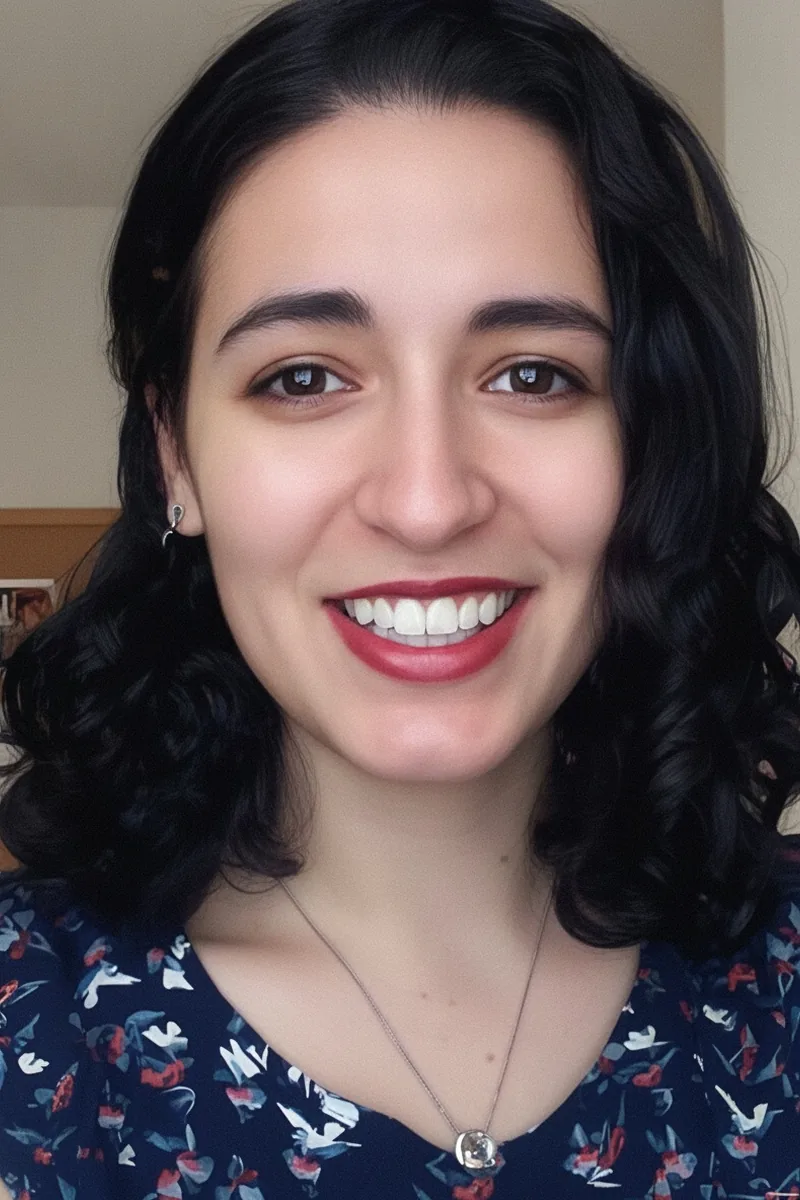
Poetry analysis is where Carla comes alive. Her deep background in English literature means she can teach students to unpack a Dickinson poem's slant rhyme or trace the symbolic architecture of a Toni Morrison novel — exactly the kind of close reading that earns high marks on AP Lit free-response essays. She also coaches students on managing the multiple-choice section's time pressure without sacrificing careful reading.
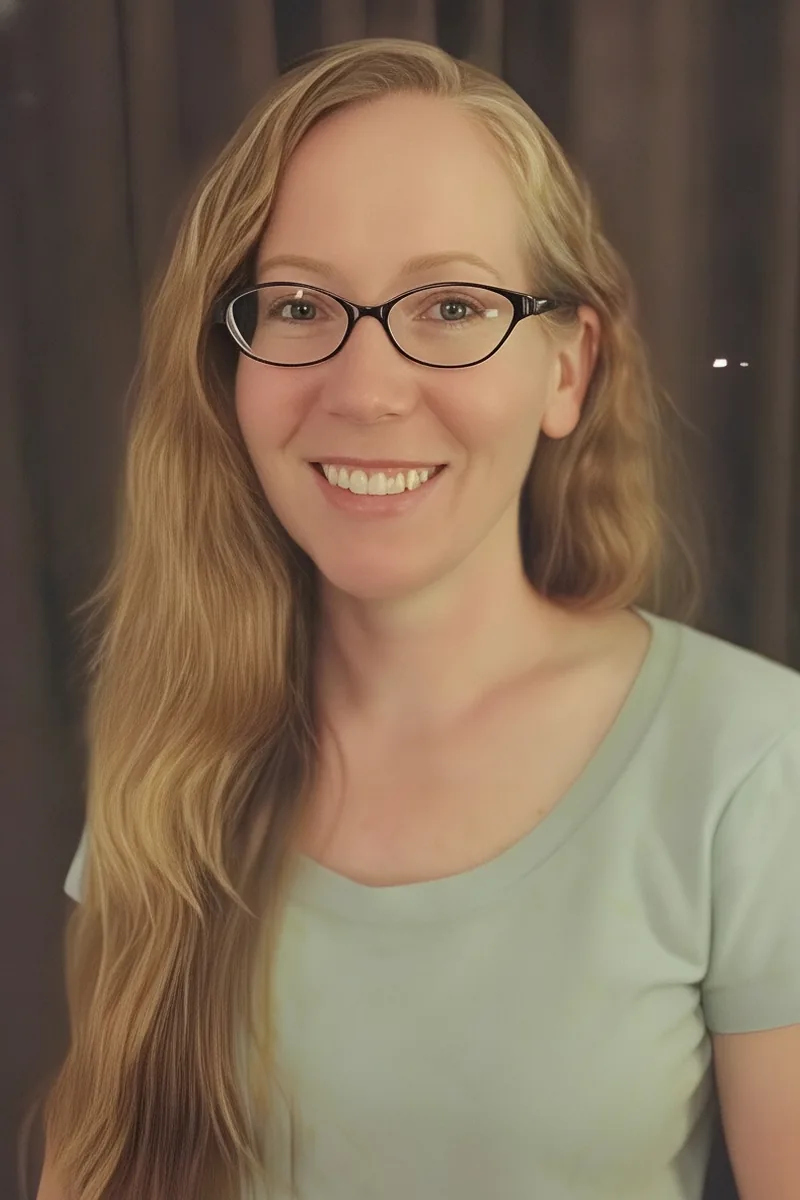
AP Lit's free-response questions reward students who can move past plot summary and build an argument about how literary devices shape meaning — identifying how a shift in tone or a recurring symbol drives a poem's central tension. Dorothy's English degree and deep reading background mean she teaches students to dissect prose and poetry passages with the specificity that earns 7s, 8s, and 9s on exam essays.
AP English Literature demands more than close reading — it requires building an argument about a text under time pressure, which is essentially a performance. Michael trained at NYU's Atlantic Acting School and Experimental Theatre Wing, where he spent years dissecting scripts for subtext, symbolism, and authorial intent — the same analytical muscles the AP Lit exam tests. He teaches students to craft thesis-driven free-response essays that move beyond plot summary into genuine literary analysis.
AP Lit essays live or die on how well a student can move from observation to interpretation — noticing a shift in meter or a recurring image is only the beginning; the real work is arguing what it means. Patrick earned his MFA in Creative Writing, which means he reads poetry and fiction the way the exam expects students to: as carefully constructed texts where every choice matters. He digs into close reading techniques for the free-response essays while also drilling the multiple-choice skills that anchor a strong composite score.
AP Lit asks students to do something genuinely difficult: read a poem or prose passage cold and produce a polished analytical essay in 40 minutes. Jonathan teaches a close-reading method that starts with identifying a text's central tension — between characters, images, or tonal shifts — and builds every paragraph around that thread. His own writing background in college English and essay composition keeps his feedback specific and actionable.
AP Lit demands more than understanding a poem — it requires writing a timed, thesis-driven essay that makes an interpretive argument about how literary techniques create meaning. Jamie's English degree from Birmingham-Southern and law training at Fordham built exactly that skill set: close reading combined with persuasive, evidence-based writing under pressure. Rated 4.9 by students.
AP Lit asks students to do something genuinely difficult: read a poem or prose passage cold and produce a polished literary argument in forty minutes. Jean's dual background in history and law sharpened her ability to construct tight, evidence-driven arguments under pressure — exactly the skill this exam rewards. She teaches students to move past plot summary and dig into how literary devices like imagery, tone shifts, and narrative structure create meaning.
AP English Literature demands more than plot summary — it asks students to write about how a poem's enjambment creates tension or how a novel's narrative voice shapes meaning. Cynthia studied Folklore & Mythology at the college level, giving her deep experience with close reading across genres and centuries. She teaches students to build literary arguments that earn high marks on both the multiple-choice and free-response sections.
AP English Literature asks students to do in a timed essay what Alex has spent years training to do at the doctoral level: construct an argument about a literary text using precise evidence and sophisticated analysis. He digs into the specific skills the exam rewards — reading poetry for structure and figurative language, writing thesis-driven essays under pressure, and choosing the right passage for the open-ended prompt. His PhD research in English means students are learning from someone who lives inside these texts.
AP Lit asks students to do something genuinely difficult: read a poem or prose passage cold and produce a polished analytical essay in forty minutes. Hasan studied Literary Arts at Brown, where his coursework ranged from contemporary American fiction to ancient Indian classics, giving him the interpretive toolkit to teach students how to unpack imagery, structure, and narrative voice under exam conditions.
AP English Literature asks students to do something genuinely difficult: read a poem or prose passage they've never seen and produce a polished analytical essay in under forty minutes. As a PhD candidate in American Literature at UConn, Meghan digs into the specific skills the exam rewards — thesis construction, close reading of figurative language, and integrating textual evidence without plot summary. She keeps sessions dynamic by rotating through poetry, drama, and fiction so students build range across genres.
AP Lit asks students to do something most haven't practiced: build a literary argument under time pressure using only the text in front of them. Rebecca teaches close-reading strategies for poetry and prose — identifying shifts in tone, tracking imagery patterns, and constructing thesis-driven free-response essays that earn high marks.
AP English Lit asks students to do something genuinely difficult: write a persuasive analytical essay about a poem or passage they've never seen, under time pressure. Elijah's MFA in Acting means he's spent years unpacking subtext, figurative language, and narrative structure in scripts — the same close-reading muscles the exam demands. He teaches students to build arguments around literary devices like imagery, tone shifts, and irony rather than defaulting to plot summary.
AP Lit is Meagen's sweet spot. As an English major at Carleton College who genuinely lights up over close reading, she digs into how literary devices function within a text — not just identifying a metaphor but explaining what it accomplishes in the passage's argument or characterization. Her sessions on the free-response essays zero in on crafting a defensible thesis and weaving textual evidence into every body paragraph.
AP Lit asks students to do something genuinely difficult: read a poem or prose passage cold and build a convincing argument about how it works in under 40 minutes. Jack's theatre training at Northwestern gave him a performer's instinct for close reading — he knows how tone shifts, imagery, and structural choices create meaning because he's had to inhabit texts from the inside. He teaches students to move from noticing literary devices to actually arguing what those devices accomplish.
Studying English Language and Literature at the University of Chicago means Davis spends his days doing exactly what the AP Lit exam tests — building interpretive arguments about how writers use language to create meaning, then defending those arguments with precise textual evidence. He brings that daily practice to teaching students how to read a poem or passage for its deeper mechanics rather than just its surface narrative. His comfort with both canonical and contemporary literature gives him range across the full-work essay question, where choosing the right novel and framing a sharp thesis makes all the difference.
AP English Literature asks students to do exactly what Winnie was trained for: read a poem or prose passage cold and produce a sharp, thesis-driven essay under time constraints. Her comparative literature background means she can teach students to analyze imagery, narrative voice, and structural choices across traditions — from Victorian novels to postcolonial fiction — with the specificity the exam demands.
Testimonials
Because the right AP English Literature and Composition tutor makes all the difference.
Average Session Rating – Based on 3.4M Learner Ratings
Practice AP English Literature and Composition
Free practice tests, flashcards, and AI tutoring for AP English Literature and Composition
Nearby AP English Literature and Composition Tutors
Other San Francisco Tutors
Related English Tutors in San Francisco
Frequently Asked Questions
Score improvement depends on your starting point and how consistently you engage with tutoring. Students who work with expert tutors typically see the most progress when they focus on mastering the three required essays (argumentative, rhetorical analysis, and literary analysis) and developing stronger close-reading skills across the exam's poetry and prose passages.
Many students struggle with timing on the exam—you have 2 hours and 55 minutes to complete three essays after completing the multiple-choice section. Personalized instruction helps you develop efficient writing strategies and time management techniques specific to your writing pace. Regular practice with released AP exams and targeted feedback on essay structure tends to yield the most noticeable improvements.
The biggest challenge most students encounter is analyzing complex texts deeply enough to support their arguments. The AP exam requires you to move beyond surface-level observations and identify sophisticated literary techniques, their effects, and their thematic significance—all under time pressure.
Many students also struggle with the rhetorical analysis essay, which asks you to examine how an author constructs an argument. Understanding rhetorical appeals (ethos, pathos, logos) and how to discuss them without summarizing is a skill that benefits greatly from targeted practice. Additionally, pacing the three essays while maintaining essay quality is consistently difficult—students often find themselves rushing the final essay or running out of time entirely.
The multiple-choice section (55 questions in 60 minutes) tests your ability to read closely and understand the nuances of literary texts. Rather than reading the passage first, many students find success by reading the questions first to understand what they're looking for, then reading the passage with purpose. This focused approach helps you avoid getting lost in complex language.
Common mistakes include selecting answers that are partially correct but miss the specific focus of the question, or choosing answers that are true statements but don't address what's being asked. Tutors experienced with AP Literature help you develop a systematic approach to eliminating distractors and identifying the best answer—not just a correct one. Practicing with released exams and reviewing your missed questions strategically is essential.
The three essays are: (1) the argumentative essay, where you develop an original argument about a work you've read; (2) the rhetorical analysis essay, where you examine how an author builds an argument in a provided passage; and (3) the literary analysis essay, where you analyze how a writer uses literary devices in a provided passage to develop meaning.
Most students find the rhetorical analysis essay most challenging because it requires them to analyze non-fiction argument rather than creative literature. Many students accidentally summarize the passage or list rhetorical devices without explaining their effects, which significantly impacts scoring. The literary analysis essay is typically most approachable since you're analyzing literary techniques you've studied in class. Expert tutors help you distinguish between these essay types, develop appropriate thesis statements for each, and organize evidence effectively within the 40-minute writing window per essay.
Most students benefit from starting tutoring 3-4 months before the AP exam in May, though this depends on your current skills and score goals. San Francisco students typically have strong reading foundations, but the AP exam requires a specific analytical framework and essay structure that benefits from focused instruction.
A typical effective schedule includes weekly sessions combined with independent practice between meetings—reviewing practice essays, completing timed multiple-choice sections, and reading assigned texts closely. The combination of personalized feedback from a tutor plus consistent independent practice tends to be more effective than either alone. If you're starting closer to the exam, more frequent sessions and intensive practice become important to make meaningful progress.
Practice tests are essential, particularly full-length, timed practice exams under test conditions. They reveal your real pacing challenges, which sections take you longest, and whether you're managing anxiety well on test day. Many students discover they can write strong essays in ideal conditions but struggle when working within the actual 2 hours 55 minutes timeframe.
Most effective preparation includes completing at least 3-4 full practice exams, reviewing every wrong answer and essay response with feedback, and identifying patterns in your errors. Are you missing questions because you're misreading, not analyzing deeply enough, or misunderstanding question formats? This targeted analysis—ideally with guidance from a tutor—helps you focus your remaining study time on actual weak areas rather than reviewing material you've already mastered.
Varsity Tutors connects you with expert tutors in San Francisco who specialize in AP English Literature and Composition. When getting matched with a tutor, look for someone with direct AP exam experience—ideally someone who has taught or tutored the course before and understands the specific essay formats, time constraints, and scoring rubrics.
The best tutoring relationships start with a clear discussion of your current skills, target score, and timeline. A good tutor will assess your strengths and weaknesses early, then tailor sessions to address your specific challenges—whether that's essay structure, multiple-choice strategy, or test anxiety management. Many students find that even a few sessions focused on understanding what the graders are looking for in each essay type can significantly shift their approach and confidence.
Let’s find your perfect tutor
Answer a few quick questions. We’ll recommend the right plan and match you with a top 5% tutor.