Award-Winning Japanese Tutors
serving San Francisco, CA
Japanese
Tutors in San Francisco
Private 1-on-1 tutoring, weekly live classes for academic support, test prep & enrichment, practice tests and diagnostics, and more to elevate grades and test scores.
Based on 3.4M Learner Ratings
UniversitiesSchools & Universities
DeliveredHours Delivered
ProficiencyGrowth in Proficiency
Who needs tutoring?
No obligation. Takes ~1 minute.
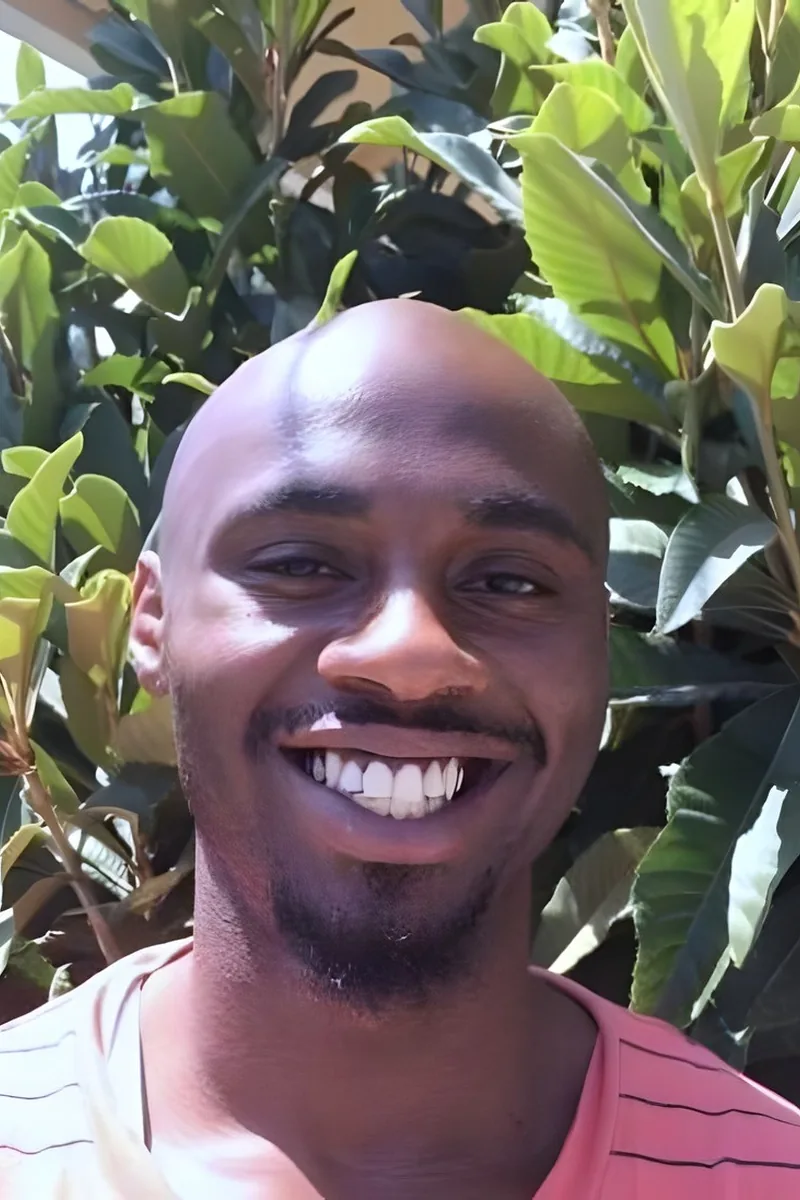
Brian prepared for and took the SAT Subject Test in Japanese with Listening, which means he's worked through the grammar structures, kanji recognition, and listening comprehension challenges that define intermediate Japanese study. He approaches language learning with the same systematic thinking he applied to economics and CS at Caltech — breaking down sentence patterns and verb conjugations into logical rules rather than pure memorization.
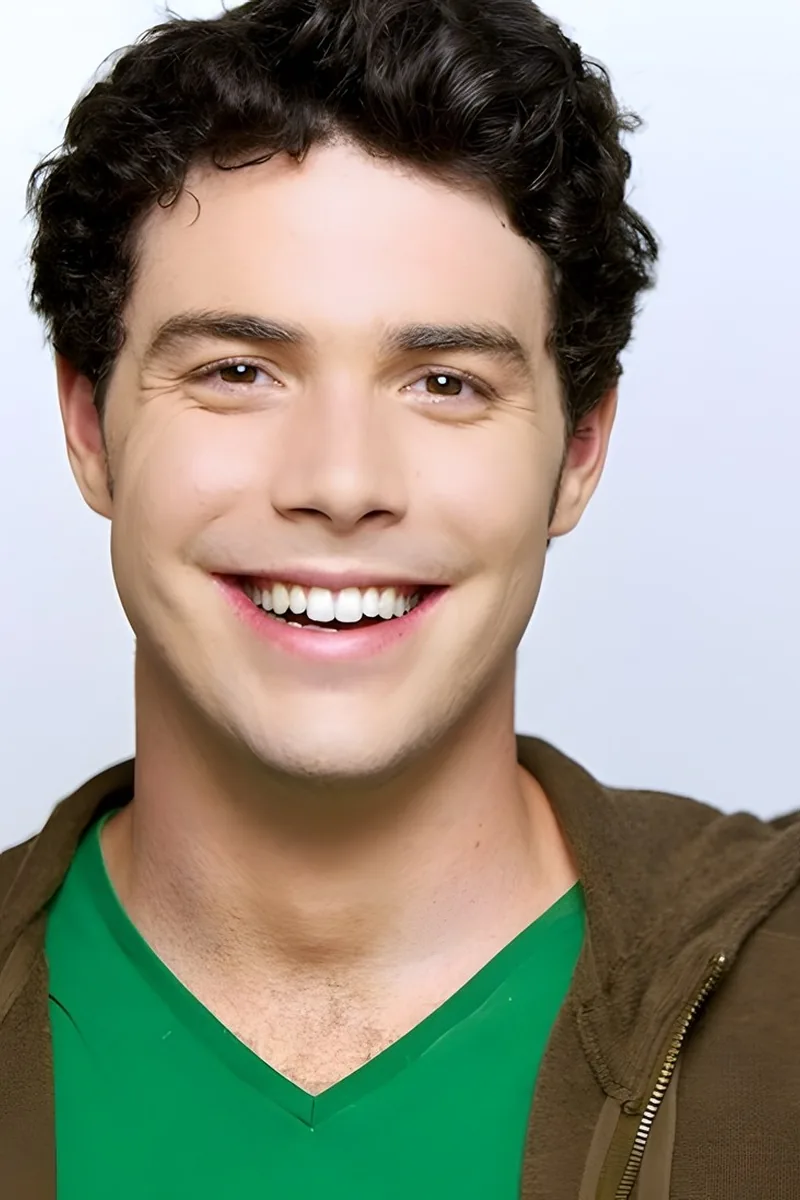
A drama degree might not scream Japanese fluency, but John's literary work — he's a section editor for the Los Angeles Review of Books and literary manager for two theater companies — means he's deeply attuned to how language shapes meaning, tone, and register. That sensitivity to nuance transfers directly to navigating Japanese's layered politeness levels and context-dependent sentence endings. Rated 5.0 by students.
Shona's semester abroad in Seville proved that immersion reshapes how you learn any language — a lesson she carries into teaching Japanese, where she emphasizes building comfort with sentence patterns and particles through active use rather than translation drills. Her AP Japanese Language and Culture tutoring draws on both her structured math-trained thinking and her own experience navigating a second language in real-world settings. Rated 4.9 by students.
Cori is pursuing a Japanese minor at MIT, which means she's actively working through the grammar structures, kanji readings, and particle usage that trip up most learners. That proximity to the learning process gives her a practical sense of what sticks and what needs extra repetition.
I am particularly passionate about math as well as standardized test prep. I studied math on a double-accelerated track throughout middle school and high school, covering math from algebra to multivariable calculus. Aside from teaching academic subjects, I am also trained in playing the piano and violin, having taken lessons for piano from the ages of 4 to 18 and playing violin in my school orchestra from 5th to 12th grade. I love working with students to improve their skills in an area of study, and my favorite part is getting to see them gain confidence in themselves and their own abilities!
I'm a candidate for a B.S. in Business Administration at Northeastern University. In addition to tutoring, I enjoy playing the tuba and learning about transportation engineering/planning. I'm also fully Japanese and can read, write, and speak the language. As someone who scored 1530 on the SAT and 800 on the Math II subject test, I'd love to assist you in preparing for college!
I am studying Chemical Biology in UC Berkeley. One of my passions is Organic Chemistry, which I used to loath but now enjoys after taking a year of it. Also, because I like helping others, I enjoys tutoring/teaching students who are struggling. During high school, I have tutored other high students after school on various subjects such as Math, Physics, Chemistry, and Latin. During college, I have held informal review sessions for General Chemistry and Organic Chemistry for my underclassmen. I tutored my roommate and one of my underclassmen in Organic Chemistry. Finally, with a Graduate Student TA, I co-taught a Organic Chemistry Lab class section , where I answer questions regarding lab material and demonstrate lab techniques. Currently, I am interested in tutoring Organic Chemistry, General Chemistry, Biochemistry, Physics, and Calculus
I would like to work with people who want to advance their Japanese knowledge and capabilities. I have lived for 18 years in Japan and can guide someone through the intricacies of the language. I have certified top level proficiency on the Japan Foundation Japanese Proficiency Test.
Damien studied Asian studies at Cornell, where Japanese language and culture were central to his coursework. He approaches the language by grounding grammar patterns — particles like は versus が, verb conjugation groups, and sentence-ending forms — in real context so they stick. Rated 5.0 by students, he makes the jump from textbook exercises to actual comprehension feel manageable.
Mechanical engineering at the University of Dayton doesn't obviously connect to Japanese, but Nicholas's systematic problem-solving mindset lends itself well to breaking down kanji radicals, verb conjugation groups, and particle logic into repeatable patterns. He's also genuinely social and talkative — a trait that matters more than you'd think when practicing conversational Japanese, where comfort with speaking aloud is half the battle.
Having prepared for and taken the SAT Subject Test in Japanese with Listening, Dylan brings practical fluency in grammar structures like particle usage, verb conjugation groups, and honorific registers. He tackles reading comprehension by teaching students to decode kanji compounds in context rather than relying purely on rote memorization. Rated 5.0 by students.
Sho teaches Japanese with attention to the details that trip up English speakers most — particle usage, verb conjugation groups, and the shift between casual and polite registers. Whether a student is learning hiragana for the first time or working through intermediate kanji and grammar patterns, he brings structured practice to a language that rewards consistency.
I am open to tutoring in a broad range of subjects, including Algebra, Spanish I/II, ESL and Biology (SAT II, AP, and MCAT).
Studying Japanese as a minor at Columbia — with plans to eventually work in Japan's renewable energy sector — Shin uses the language as a living tool, not just a classroom exercise. He teaches everything from hiragana and katakana basics to intermediate grammar patterns like ~てしまう and ~ことにする, adjusting to each student's level and building real conversational confidence alongside written accuracy.
Testimonials
Because the right Japanese tutor makes all the difference.
Average Session Rating – Based on 3.4M Learner Ratings
Nearby Japanese Tutors
Other San Francisco Tutors
Related Languages Tutors in San Francisco
Frequently Asked Questions
One of the biggest challenges with language learning is finding consistent speaking partners, especially in a city where classroom sizes average 20+ students. Personalized 1-on-1 instruction with an expert Japanese tutor gives you dedicated conversation practice that simply isn't possible in a traditional classroom. A tutor can focus entirely on your pronunciation, natural speech patterns, and real-world communication skills—not just grammar drills.
Tutors can simulate everyday conversations, help you develop conversational fluency, and provide immediate feedback on your accent and word choice, which accelerates your progress far beyond what self-study apps offer.
Both matter, but in different ways. While understanding core grammar structures is essential—especially Japanese verb conjugation and particles, which have no English equivalents—true fluency comes from hearing and using language naturally. The balance shifts as you progress: beginners need to understand grammar frameworks to build a foundation, but intermediate and advanced learners benefit more from immersion-style practice with cultural context.
An expert tutor can help you move beyond rigid rule-following to develop intuition for how Japanese actually sounds and flows. They'll teach you why native speakers make certain choices, not just the textbook rules, which makes your speaking sound more natural and authentic.
Flashcards are useful for initial exposure, but they don't build lasting retention. Research on language learning shows that spaced repetition combined with context—hearing words used in conversation, seeing them in real sentences, and using them yourself—creates much stronger memory. Personalized tutoring integrates vocabulary naturally into conversation and writing practice, so you're learning words the way you'd actually encounter and use them.
Tutors can also connect vocabulary to cultural context (knowing when to use formal vs. casual Japanese, regional expressions, or words tied to Japanese traditions), which makes words more meaningful and memorable than isolated lists.
San Francisco's schools offer Japanese programs across multiple districts, but classroom instruction typically focuses on meeting curriculum standards and managing large class sizes—which leaves little room for personalized speaking practice or individual pacing. Personalized tutoring complements classroom learning by targeting your specific weak areas, whether that's kanji recognition, listening comprehension, or building confidence to speak.
A tutor can also align with your school's curriculum while filling gaps that group instruction can't address, such as accent refinement, cultural immersion, or accelerated learning if you're ready to move faster than your class.
Yes. Rather than memorizing characters in isolation, expert tutors teach kanji through patterns—understanding radicals (the building blocks of characters), common combinations, and how characters evolved. This approach reduces the cognitive load significantly. You also don't need to master all kanji at once; focusing on the most frequently used characters (around 2,000 covers everyday reading) and learning others as you encounter them is far more efficient.
Personalized instruction lets a tutor prioritize kanji based on your goals—whether you're preparing for a Japanese language proficiency test, reading for pleasure, or focusing on business Japanese—rather than a one-size-fits-all approach.
Absolutely. Immersion-style learning is about surrounding yourself with authentic language and cultural context, which doesn't require being in Japan. A tutor can structure sessions around Japanese media (films, news, podcasts), cultural discussions, and real-world scenarios—creating an immersive experience focused entirely on your learning. You'll be exposed to natural speech patterns, colloquial expressions, and cultural nuances that textbooks rarely cover.
This personalized approach to immersion practice accelerates progress dramatically compared to classroom learning, since every minute is tailored to your level and interests rather than designed for a diverse group of students at different points.
Conversational proficiency typically requires 600-750 hours of dedicated study according to FSI (Foreign Service Institute) estimates, though the timeline varies based on your starting point, goals, and how consistently you practice. Someone taking a high school class might reach basic conversational ability (ordering food, simple greetings) in a year or two; reaching professional proficiency takes significantly longer.
Personalized tutoring can accelerate this timeline considerably because every session is focused, efficient, and targeted to your exact needs. A tutor can identify and eliminate the specific gaps slowing your progress—whether that's pronunciation barriers, listening comprehension, or confidence speaking—rather than spending time on material you've already mastered.
Let’s find your perfect tutor
Answer a few quick questions. We’ll recommend the right plan and match you with a top 5% tutor.