Award-Winning AP English Literature and Composition Tutors
serving Murrieta, CA
AP English Literature and Composition
Tutors in Murrieta
Private 1-on-1 tutoring, weekly live classes for academic support, test prep & enrichment, practice tests and diagnostics, and more to elevate grades and test scores.
Based on 3.4M Learner Ratings
UniversitiesSchools & Universities
DeliveredHours Delivered
ProficiencyGrowth in Proficiency
Who needs tutoring?
No obligation. Takes ~1 minute.
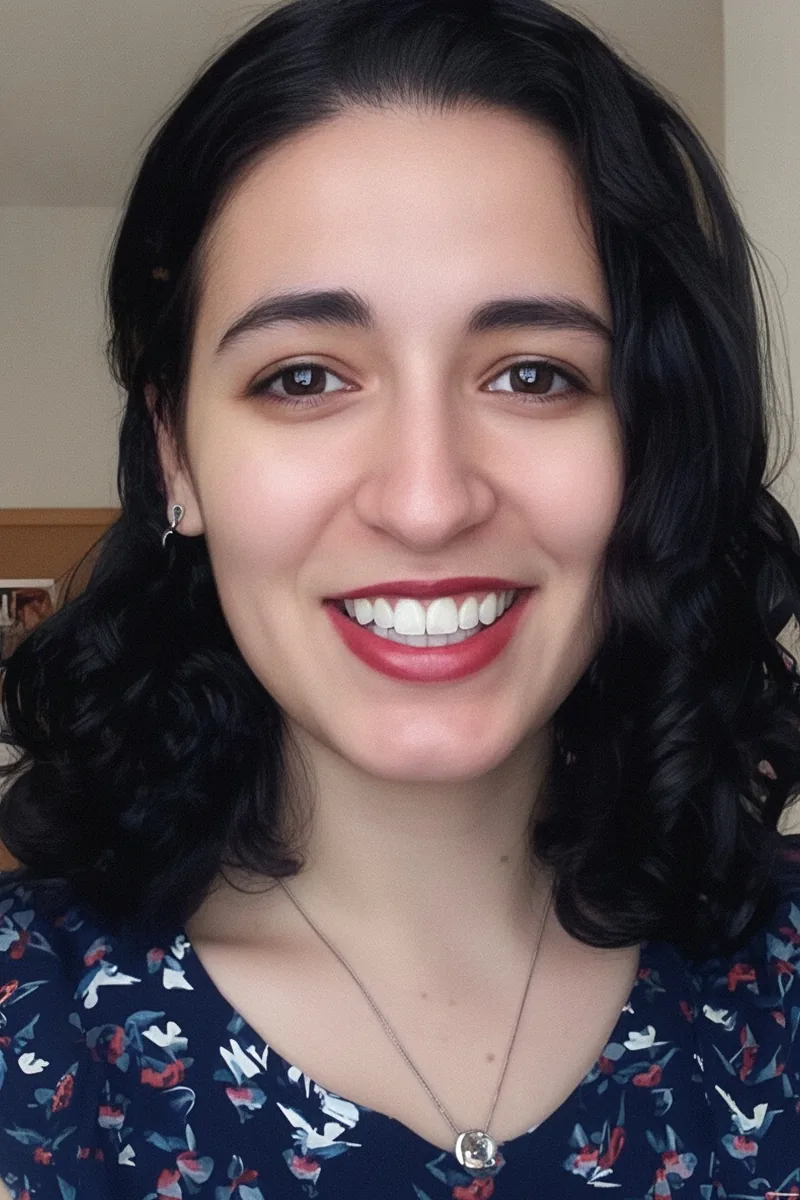
Poetry analysis is where Carla comes alive. Her deep background in English literature means she can teach students to unpack a Dickinson poem's slant rhyme or trace the symbolic architecture of a Toni Morrison novel — exactly the kind of close reading that earns high marks on AP Lit free-response essays. She also coaches students on managing the multiple-choice section's time pressure without sacrificing careful reading.
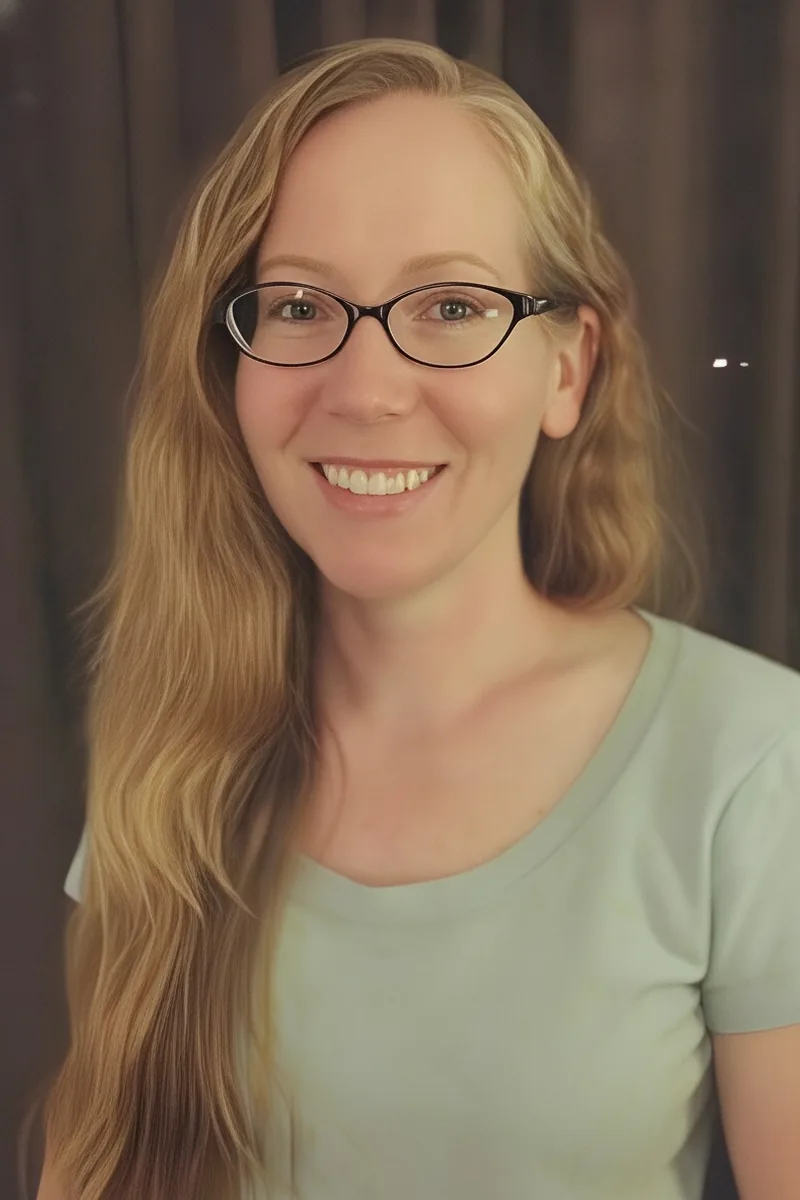
AP Lit's free-response questions reward students who can move past plot summary and build an argument about how literary devices shape meaning — identifying how a shift in tone or a recurring symbol drives a poem's central tension. Dorothy's English degree and deep reading background mean she teaches students to dissect prose and poetry passages with the specificity that earns 7s, 8s, and 9s on exam essays.
AP English Literature demands more than close reading — it requires building an argument about a text under time pressure, which is essentially a performance. Michael trained at NYU's Atlantic Acting School and Experimental Theatre Wing, where he spent years dissecting scripts for subtext, symbolism, and authorial intent — the same analytical muscles the AP Lit exam tests. He teaches students to craft thesis-driven free-response essays that move beyond plot summary into genuine literary analysis.
AP Lit essays live or die on how well a student can move from observation to interpretation — noticing a shift in meter or a recurring image is only the beginning; the real work is arguing what it means. Patrick earned his MFA in Creative Writing, which means he reads poetry and fiction the way the exam expects students to: as carefully constructed texts where every choice matters. He digs into close reading techniques for the free-response essays while also drilling the multiple-choice skills that anchor a strong composite score.
AP Lit asks students to do something genuinely difficult: read a poem or prose passage cold and produce a polished analytical essay in 40 minutes. Jonathan teaches a close-reading method that starts with identifying a text's central tension — between characters, images, or tonal shifts — and builds every paragraph around that thread. His own writing background in college English and essay composition keeps his feedback specific and actionable.
AP Lit asks students to do something most haven't practiced — write analytically about how a poem's structure or a novel's narrative technique creates meaning, not just summarize plot. As a Yale humanities student and avid reader, Tessa digs into the close-reading skills that earn high marks on the poetry free-response and the open-ended essay. She's particularly sharp on teaching students to move from observation ('there's a metaphor here') to argument ('here's what it does and why it matters').
AP English Literature asks students to do in a timed essay what Alex has spent years training to do at the doctoral level: construct an argument about a literary text using precise evidence and sophisticated analysis. He digs into the specific skills the exam rewards — reading poetry for structure and figurative language, writing thesis-driven essays under pressure, and choosing the right passage for the open-ended prompt. His PhD research in English means students are learning from someone who lives inside these texts.
AP English Lit asks students to do something genuinely difficult: write a persuasive literary argument under timed conditions about a poem or passage they've never seen before. Paula's approach digs into close reading techniques — tracking imagery patterns, shifts in tone, narrative perspective — so that students walk into the exam knowing how to generate an original thesis on the spot. Her background in both Psychology and Communication Studies sharpens the way she unpacks character motivation and authorial intent.
A PhD in Religion and a bachelor's in philosophy gave Chang deep experience doing exactly what AP Lit demands: close reading of complex texts and constructing interpretive arguments under pressure. He teaches students to move beyond plot summary and build thesis-driven essays that analyze literary devices, narrative structure, and authorial intent with real textual evidence.
AP Lit asks students to do something most haven't practiced: write a polished literary argument under pressure, using textual evidence with precision. David breaks down each essay type — the poetry analysis, the prose fiction analysis, the literary argument — and shows how to build a thesis that goes beyond plot summary into genuine interpretation.
AP Lit asks students to do something genuinely difficult: read a poem or prose passage cold and produce a polished analytical essay under time pressure. Wallis studied Russian and Art History at Sewanee, which means she spent four years dissecting literary and visual texts for symbolism, tone, and structural choices. She teaches students to build arguments around specific textual evidence rather than vague thematic summaries.
AP English Literature asks students to do something genuinely hard: read a poem or passage cold and produce a coherent analytical essay under time pressure. Kahini earned her English degree at Brown, where close reading of literary form — meter, narrative structure, figurative language — was the daily expectation. She teaches students to build an argument from a single textual detail outward rather than summarizing plot.
AP English Literature asks students to do what Toni does professionally: analyze poetry, prose, and drama with precision and write about it persuasively under pressure. As a college English professor with expertise spanning medieval, British, and comparative literature, she teaches students to build arguments around literary devices like free indirect discourse, enjambment, and unreliable narration — the kind of specificity that earns 8s and 9s on the essays.
AP English Literature demands more than summarizing a novel — it asks students to dissect how imagery, tone, and narrative structure produce meaning in a specific passage. David's English degree and his graduate work with rare books and manuscripts gave him a close-reading discipline that translates directly into the kind of textual analysis the free-response essays reward. He teaches students to build arguments from the text outward, anchoring every claim in concrete literary evidence.
AP English Literature rewards the kind of close, critical reading Victoria has spent years perfecting as a PhD candidate at Columbia, where she routinely dissects dense ethnographic and theoretical texts. She teaches students to build literary arguments that go beyond plot summary — analyzing how imagery, structure, and narrative voice create meaning in poetry and prose. Rated 5.0 by students.
AP English Lit asks students to do something genuinely difficult: write a persuasive analytical essay about a poem or passage they've never seen, under time pressure. Elijah's MFA in Acting means he's spent years unpacking subtext, figurative language, and narrative structure in scripts — the same close-reading muscles the exam demands. He teaches students to build arguments around literary devices like imagery, tone shifts, and irony rather than defaulting to plot summary.
AP Lit asks students to do something genuinely difficult: write a polished literary argument under time pressure about a poem or passage they've never seen before. Dalton digs into the close-reading mechanics that make that possible — tracking shifts in tone, identifying how figurative language builds meaning, and constructing thesis statements that go beyond plot summary. Rated 4.9 by students.
Testimonials
Because the right AP English Literature and Composition tutor makes all the difference.
Average Session Rating – Based on 3.4M Learner Ratings
Practice AP English Literature and Composition
Free practice tests, flashcards, and AI tutoring for AP English Literature and Composition
Nearby AP English Literature and Composition Tutors
Other Murrieta Tutors
Related English Tutors in Murrieta
Frequently Asked Questions
The AP English Literature and Composition exam tests your ability to analyze and interpret literature across multiple genres—poetry, prose, and drama. The exam has two sections: a 1-hour multiple-choice section (55 questions) and a 2-hour free-response section with three essay prompts (one on a prose passage, one on poetry, and one on a work of your choice). Success requires strong close reading skills, understanding of literary devices, and the ability to support arguments with textual evidence.
Score improvement depends on your starting point and commitment level, but students typically see meaningful gains when they work on targeted weaknesses—whether that's analyzing complex poetry, managing essay timing, or strengthening argument development. Personalized 1-on-1 instruction helps you identify which literary concepts need reinforcement and practice strategies that actually stick, rather than generic test prep. Many students find that consistent practice with feedback leads to 1-3 point improvements on the 1-5 AP scale.
The most common struggles are managing time across all three essays, interpreting dense or unfamiliar poetry, and providing specific textual evidence rather than vague analysis. Many students also struggle with the multiple-choice section because it requires quick, precise reading comprehension under pressure. Working with a tutor helps you develop strategies for annotation, time management, and recognizing question patterns so you can approach each section more confidently.
Strong AP essays combine clear thesis statements, specific textual evidence, and sophisticated analysis of literary devices. Many students rush their essays or rely on general statements instead of close reading. Personalized tutoring helps you develop a reliable essay structure, practice analyzing passages under timed conditions, and learn how to revise your arguments for clarity and depth. Regular practice with feedback is key—you'll see improvement fastest when you write multiple essays and get detailed critique on what's working.
Poetry requires you to identify and analyze multiple literary devices—meter, imagery, tone, symbolism—while also understanding the poem's deeper meaning, often under time pressure. Many students focus on what a poem says rather than how it says it, which misses the core of literary analysis. A tutor can help you develop a systematic approach to breaking down poems, recognizing patterns in how poets use language, and articulating your observations clearly in your essays.
Practice tests are essential—they help you understand the exam format, build stamina for the 3-hour test, and identify your specific weak areas before exam day. Taking full-length practice tests under timed conditions reveals whether your struggles are with comprehension, analysis, time management, or essay writing. Working with a tutor means you get detailed feedback on your practice test performance, so you know exactly what to focus on rather than just taking test after test without direction.
Varsity Tutors connects you with expert tutors who specialize in AP English Literature and Composition and understand the specific demands of the exam. When you get matched with a tutor, they'll assess your current skills, identify your biggest challenges—whether that's poetry analysis, essay timing, or multiple-choice strategy—and create a personalized study plan. You can start with your first session to see if the tutoring approach works for you.
Most students benefit from starting AP English Literature prep 2-3 months before the exam, though this depends on your starting level and how much time you can dedicate weekly. Consistent, focused study is more effective than cramming—even 5-7 hours per week of targeted practice with a tutor can lead to significant improvement. Your tutor will help you create a realistic timeline based on your goals and current performance, breaking down the curriculum into manageable chunks.
Let’s find your perfect tutor
Answer a few quick questions. We’ll recommend the right plan and match you with a top 5% tutor.