Award-Winning AP English Literature and Composition Tutors
serving Bakersfield, CA
AP English Literature and Composition
Tutors in Bakersfield
Private 1-on-1 tutoring, weekly live classes for academic support, test prep & enrichment, practice tests and diagnostics, and more to elevate grades and test scores.
Based on 3.4M Learner Ratings
UniversitiesSchools & Universities
DeliveredHours Delivered
ProficiencyGrowth in Proficiency
Who needs tutoring?
No obligation. Takes ~1 minute.
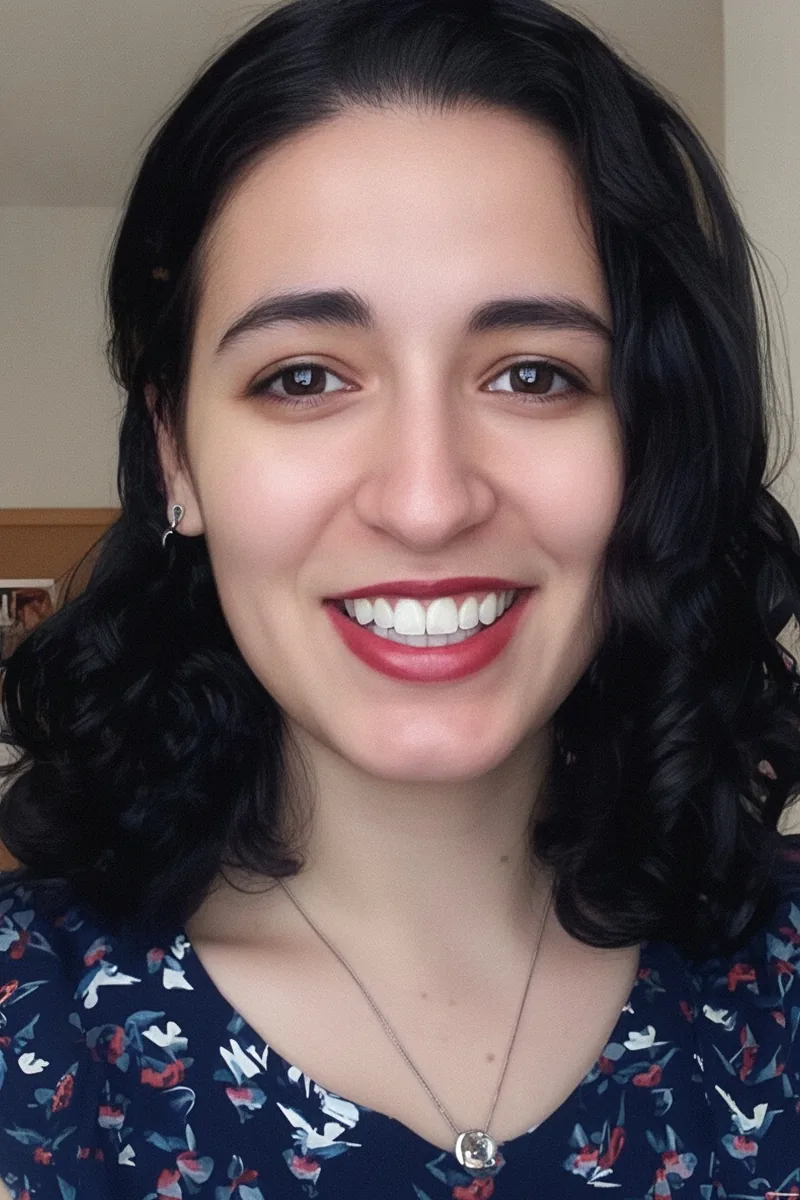
Poetry analysis is where Carla comes alive. Her deep background in English literature means she can teach students to unpack a Dickinson poem's slant rhyme or trace the symbolic architecture of a Toni Morrison novel — exactly the kind of close reading that earns high marks on AP Lit free-response essays. She also coaches students on managing the multiple-choice section's time pressure without sacrificing careful reading.
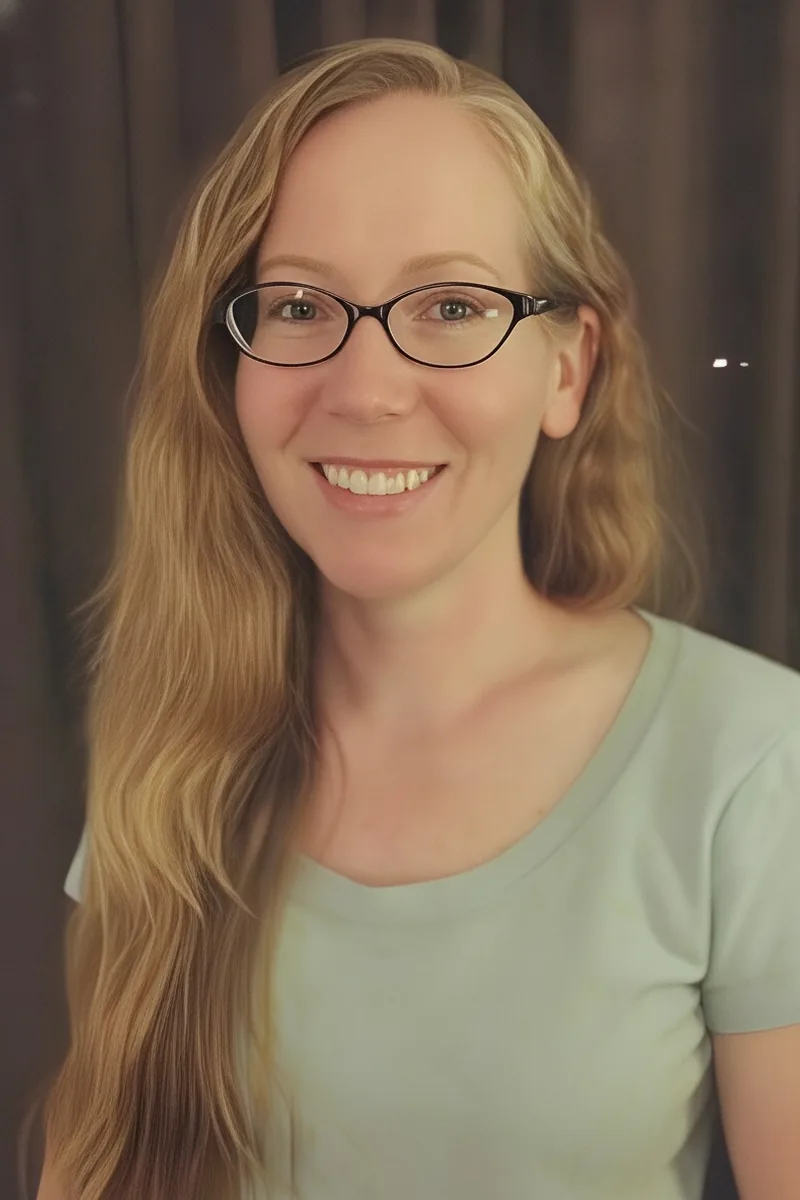
AP Lit's free-response questions reward students who can move past plot summary and build an argument about how literary devices shape meaning — identifying how a shift in tone or a recurring symbol drives a poem's central tension. Dorothy's English degree and deep reading background mean she teaches students to dissect prose and poetry passages with the specificity that earns 7s, 8s, and 9s on exam essays.
AP English Literature demands more than close reading — it requires building an argument about a text under time pressure, which is essentially a performance. Michael trained at NYU's Atlantic Acting School and Experimental Theatre Wing, where he spent years dissecting scripts for subtext, symbolism, and authorial intent — the same analytical muscles the AP Lit exam tests. He teaches students to craft thesis-driven free-response essays that move beyond plot summary into genuine literary analysis.
AP Lit essays live or die on how well a student can move from observation to interpretation — noticing a shift in meter or a recurring image is only the beginning; the real work is arguing what it means. Patrick earned his MFA in Creative Writing, which means he reads poetry and fiction the way the exam expects students to: as carefully constructed texts where every choice matters. He digs into close reading techniques for the free-response essays while also drilling the multiple-choice skills that anchor a strong composite score.
AP Lit asks students to do something genuinely difficult: read a poem or prose passage cold and produce a polished analytical essay in 40 minutes. Jonathan teaches a close-reading method that starts with identifying a text's central tension — between characters, images, or tonal shifts — and builds every paragraph around that thread. His own writing background in college English and essay composition keeps his feedback specific and actionable.
Analyzing how a poet's syntax mirrors emotional tension, or tracing a novel's symbolic architecture across 300 pages — AP Lit demands close reading at a level most high schoolers haven't encountered before. Martha's experience writing analytical papers at Duke and editing college essays sharpens her ability to teach students how to build a thesis from textual evidence and defend it in a timed essay.
AP Lit asks students to do something genuinely difficult: read a poem or prose passage cold and produce a polished analytical essay under time pressure. Wallis studied Russian and Art History at Sewanee, which means she spent four years dissecting literary and visual texts for symbolism, tone, and structural choices. She teaches students to build arguments around specific textual evidence rather than vague thematic summaries.
AP English Lit lives at the intersection of close reading and persuasive writing, and Joanne has spent years sharpening both skills — first through her English degree at Santa Clara and then through graduate work at Michigan. She digs into how students construct thesis-driven essays on poetry and prose, teaching them to move from surface-level plot summary to arguments about imagery, structure, and narrative voice that earn top scores.
Teaching literature courses at UVA and the North Carolina Governor's School gave Anna a front-row seat to the exact skills AP Lit demands: reading a poem or passage cold, identifying how literary devices generate meaning, and building an argument about it under time pressure. Her dissertation on 20th-century American fiction means she's deeply familiar with the novels and movements that frequently appear on the exam. She treats literary analysis as a learnable craft, not an innate talent.
AP Lit rewards the student who can dig beneath a poem or passage and articulate how literary devices create meaning — not just identify them. Kimberly approaches close reading as an analytical skill, teaching students to build arguments about tone, structure, and figurative language that hold up under the pressure of timed essays. Her arts background at Wesleyan and strong writing instincts make her especially effective at sharpening the interpretive thinking the exam demands.
AP English Lit demands more than plot summary — it asks students to analyze how literary devices create meaning in poetry and prose, then argue that analysis under timed conditions. Jonathan's University of Chicago education, heavy in literature and philosophy, trained him to do exactly that: construct a tight, evidence-driven essay about tone, imagery, or narrative structure in under forty minutes. His debate background also sharpens the thesis-building skills that earn top scores on the free-response section.
AP Lit asks students to do something genuinely difficult: read a poem or prose passage cold and produce a polished analytical essay under time pressure. Merav's MFA in Theater Arts means she spent years dissecting dramatic texts for subtext, imagery, and structural choices — exactly the interpretive muscles this exam tests. She teaches students to build a thesis from a single, well-chosen literary device rather than summarizing plot.
AP Lit demands more than understanding a poem — it requires writing a timed, thesis-driven essay that makes an interpretive argument about how literary techniques create meaning. Jamie's English degree from Birmingham-Southern and law training at Fordham built exactly that skill set: close reading combined with persuasive, evidence-based writing under pressure. Rated 4.9 by students.
AP Lit asks students to do something genuinely difficult: read a poem or prose passage cold and build a convincing argument about how it works in under 40 minutes. Jack's theatre training at Northwestern gave him a performer's instinct for close reading — he knows how tone shifts, imagery, and structural choices create meaning because he's had to inhabit texts from the inside. He teaches students to move from noticing literary devices to actually arguing what those devices accomplish.
AP Lit's free-response questions reward students who can move beyond plot summary and build arguments around literary devices — symbolism, tone shifts, narrative structure. Priscilla's Harvard coursework in government and economics trained her to construct tight, evidence-driven essays under pressure, a skill she applies directly to poetry and prose analysis on exam day.
Hello, students! My name is Pranav, and I'm so excited to be tutoring with Varsity Tutors. I have vast experience tutoring both personally and professionally; I've held officer positions in several nonprofit organizations, including STEMpals and The Do Re Mi Project, teaching courses ranging from biology to music theory. I took 16 AP courses throughout high school with all 5s, and I earned a 1570 on my SAT, so I'm pretty familiar with the majority of academic subjects! I have experience tutoring any and all skill levels, and I'm always open to expanding my horizons, so please don't hesitate to book your first lesson. I'm looking forward to meeting with you!
AP Lit asks students to do something most high schoolers haven't practiced: build an argument about how a poem or passage works, not just what it means. Brittany's Yale literature background and college-level teaching experience mean she can walk through the difference between summary and analysis, then show how to structure a timed essay that earns top marks on the rubric.
Testimonials
Because the right AP English Literature and Composition tutor makes all the difference.
Average Session Rating – Based on 3.4M Learner Ratings
Practice AP English Literature and Composition
Free practice tests, flashcards, and AI tutoring for AP English Literature and Composition
Nearby AP English Literature and Composition Tutors
Other Bakersfield Tutors
Related English Tutors in Bakersfield
Frequently Asked Questions
During an initial session, a tutor will assess your current reading comprehension level, writing skills, and familiarity with AP exam format. They'll discuss your target score, identify which question types feel most challenging (multiple choice, free response, or essay analysis), and create a personalized study plan tailored to your strengths and areas for growth.
Score improvement depends on your starting point and consistency, but students typically see meaningful gains within 8-12 weeks of focused preparation. Many students jump from a 2 or 3 to a 4 or 5 by strengthening close reading skills, mastering essay structure, and practicing under timed conditions. The key is identifying your specific weak areas—whether that's textual analysis, thesis development, or pacing—and targeting those directly.
Students often struggle with the multiple-choice section's dense passages and tricky distractors, managing time across all three essays, and developing sophisticated analytical arguments under pressure. Many also find it difficult to balance close textual evidence with broader literary interpretation, or they rush through the prose fiction passage and miss nuanced character development. Targeted practice with real AP prompts and timed conditions helps address these specific obstacles.
Effective strategies include reading the multiple-choice questions before the passage to focus your reading, underlining key textual evidence as you read, and allocating roughly 40 minutes to multiple choice and 20 minutes per essay. For the free-response section, spending 5 minutes planning your thesis and evidence before writing prevents rambling and strengthens your argument. Tutors can help you practice these timing strategies repeatedly so they become automatic on test day.
Strong AP essays require a clear, arguable thesis in the opening, specific textual evidence (quotes or paraphrases) for every claim, and sophisticated analysis that explains why that evidence matters. Many students lose points by summarizing the text instead of analyzing literary techniques or by choosing weak evidence that doesn't support their argument. Working with a tutor on essay structure, evidence selection, and revision techniques helps you develop the analytical voice that earns 8s and 9s.
Close reading means actively annotating for literary devices (metaphor, imagery, tone, symbolism), tracking character development, and understanding how form connects to meaning. Practice by reading passages multiple times—first for overall comprehension, then for technique and effect—and articulating why an author's word choice or structure matters to the theme. Tutors can model this process with AP-level texts and guide you through analyzing unfamiliar passages, which builds the skills you'll need for test day.
Aim to complete at least 3-4 full-length practice tests under timed conditions in the weeks leading up to the exam, starting with untimed practice to build skills and moving to timed practice as you gain confidence. After each test, review every question—especially ones you missed—to identify patterns in your errors and refine your strategy. A tutor can help you analyze your practice test results, target your weakest question types, and build a realistic study schedule leading up to test day.
Varsity Tutors connects you with expert tutors in Bakersfield who specialize in AP English Literature and Composition and understand the exam's specific demands. When you reach out, you'll be matched with a tutor whose experience and teaching style fit your needs, whether you're looking to boost a 3 to a 4 or aiming for a top score. You can start with a single session to see if the fit works, then build a study plan together.
Let’s find your perfect tutor
Answer a few quick questions. We’ll recommend the right plan and match you with a top 5% tutor.