Award-Winning Executive Functioning Tutors
serving San Francisco, CA
Executive Functioning
Tutors in San Francisco
Private 1-on-1 tutoring, weekly live classes for academic support, test prep & enrichment, practice tests and diagnostics, and more to elevate grades and test scores.
Based on 3.4M Learner Ratings
UniversitiesSchools & Universities
DeliveredHours Delivered
ProficiencyGrowth in Proficiency
Who needs tutoring?
No obligation. Takes ~1 minute.

Graduate training in school counseling means Katherine spends her days learning exactly how students get stuck — not on content, but on the invisible skills like task initiation, planning, and self-regulation that determine whether homework actually gets done. She connects those counseling frameworks to the real academic work students bring in, whether it's a stalled college essay or a psychology reading they keep putting off. Her background across subjects like writing, human development, and AP psychology gives her concrete material to anchor organizational strategies to.
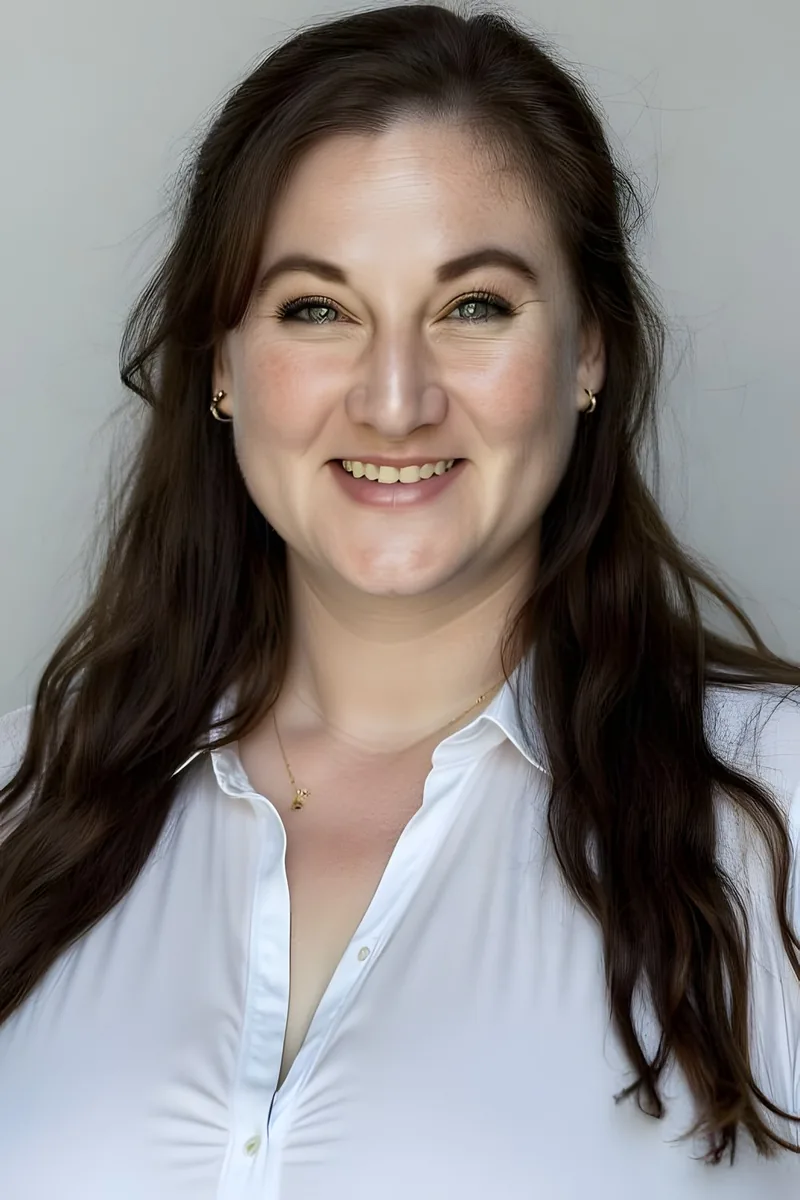
I hold a Master's degree from the University of Pennsylvania in developmental psychology (with a focus on cognition) and a B.A. from Swarthmore College in theatre and English. I enjoy working with students who are looking to improve their executive function skills as a part of their overall goals for tutoring because I believe in a whole-self approach to time management and skill building. I also thoroughly enjoy tutoring in English literature, high school and college writing, organizational skills, and standardized testing. I've spent 15 years teaching high school English, public speaking, and written expression at elite independent schools, while moonlighting as a public speaking coach. My professional experience includes providing speechwriting and coaching for a now-US Senator during his first congressional campaign. Prior to becoming a teacher, I worked as a director for multiple professional theaters, and my passions for English and Theatre converge in a deep love of Shakespeare. I love to talk about literature and dissect its craft in writing, and I believe everyone can write strong essays with the right coaching and framework.
Claire teaches concrete systems — color-coded planners, task-chunking methods, priority matrices — rather than vague advice about "staying organized." Her background across a wide range of academic subjects means she can tailor these executive functioning strategies to whatever coursework a student is actually struggling to manage, from essay deadlines to exam prep schedules.
Planning a multi-step project or breaking a semester's worth of material into a weekly study schedule requires the same structured thinking Andrew used throughout his engineering and MBA programs. He teaches students concrete systems for prioritizing tasks, managing time, and organizing materials so that deadlines stop feeling like emergencies. Rated 4.8 by students and families.
I hold a Bachelor's degree in Cognitive Neuroscience from Brown University and am currently completing a PhD in Psychology. My tutoring style is structured, supportive, and warm. I focus on breaking big goals into manageable steps, building realistic study routines, and helping students develop systems they can actually maintain. I emphasize executive function skills such as planning, time management, task initiation, and follow-through, while integrating mindfulness-based strategies to support focus, reduce anxiety, and improve confidence. Whether working with a younger student or an adult learner, my goal is to help students feel capable, organized, and increasingly independent in their learning.
Planning, prioritizing, starting tasks, managing time — executive functioning skills don't come naturally to every student, and they're rarely taught explicitly in school. Hannah's Special Education program at Purdue trained her in scaffolding these skills through structured routines, visual organizers, and self-regulation strategies. She builds systems that students internalize gradually rather than depend on forever.
Ten years ago, I started as an elementary substitute while attending Hanover College. As my interests in the education field changed and progressed, my philosophy stayed the same; education is something that can happen anywhere, not just in the traditional classroom. I went on to gain a Master's in School Librarianship & Facilitated Learning from Indiana University-Indianapolis. During this time I had started actually teaching, first with library sciences, elementary technology, elementary science, and tutoring. Over the past six years, I have tutored; homework help, organization, special education, exam reteaching, and mentoring for students from 3rd grade through adults taking professional licensing exams (ie. PRAXIS). While things have changed, my passion is still finding what a student needs for their best learning possible, and adapting content to work with them. My philosophy is simply that I think everyone can learn, sometimes we just have to look at the education differently.
Planning, prioritizing, managing time, and shifting between tasks — these executive functioning skills underpin academic success but rarely get taught explicitly. Derek tackles them as teachable skills, building concrete systems like task checklists, color-coded planners, and structured routines that students internalize over time. His doctorate focused on how curriculum design shapes learning behavior, which gives him a research-grounded toolkit for strengthening these cognitive habits.
Candice's Fulbright teaching experience in Taiwan and her years as a classroom aide and afterschool mentor gave her constant practice recognizing when a student's real obstacle isn't the content but the inability to start, sequence, or sustain a task independently. She weaves executive functioning strategies — like breaking a writing assignment into discrete stages or building a nightly homework launch routine — directly into the English and literacy work she already does with students. That integrated approach means kids practice planning and self-monitoring on real schoolwork, not hypothetical scenarios.
Hi, I'm Anna! I graduated from NYU with a joint degree in Economics and Mathematics with High Honors. I've taken (and tutored) a lot of math classes, and I understand how hard it can be to keep up in a big class where you can't stop the teacher every time they lose your attention, or you don't even know what you don't know. I help students one-on-one to figure out the specifics of what they're missing, so they can truly understand the material and move forward in their academic journey with confidence.
Running a natural sciences department at a bilingual elementary school in Ecuador meant Joy wasn't just teaching content — she was building systems for planning, prioritization, and task completion across two languages and multiple grade levels. She applies that same structured approach to executive functioning skills like time management, organization, and breaking long-term assignments into manageable steps.
As a tutor for 20+ years, I bring ample experience and knowledge. I specialize in standardized testing (MCAT, SAT, ACT, GRE, & more), medical school and pre-med courses, and undergraduate STEM subjects. A former medical school student and Master of Public Health, I opted for what truly brings me joy: tutoring, teaching, and guiding students to lifelong academic success.
Testimonials
Because the right Executive Functioning tutor makes all the difference.
Average Session Rating – Based on 3.4M Learner Ratings
Nearby Executive Functioning Tutors
Other San Francisco Tutors
Related Learning Differences Tutors in San Francisco
Frequently Asked Questions
Students in San Francisco schools often struggle with organization, time management, and planning skills—especially as academic demands increase from middle school through high school. With an average student-teacher ratio of 20.2:1 across the district, many students don't receive individualized support to develop these critical skills. Common challenges include difficulty breaking large projects into manageable steps, losing track of assignments across multiple classes, procrastination, and struggling to prioritize tasks. Personalized tutoring can address these specific obstacles by teaching concrete strategies tailored to how each student learns and manages their unique schedule.
In a typical classroom setting, teachers focus on content delivery while managing 20+ students with varying needs. Personalized 1-on-1 instruction allows tutors to diagnose exactly which executive functioning skills need strengthening—whether that's working memory, impulse control, or task initiation—and create a customized plan. Tutors can model organizational systems, practice time management in real-time with your student's actual assignments, and adjust strategies based on what's working. This individualized approach means your student gets immediate feedback and support, rather than generic classroom strategies that may not fit their learning style.
Executive functioning skills develop gradually from elementary through high school, but they become increasingly critical around 4th-5th grade when academic expectations shift, and again in middle school when students manage multiple classes and teachers. High school introduces major projects, long-term planning, and independent work that demands strong executive functioning. That said, it's never too early or too late to strengthen these skills. Students who struggle with organization and planning at any grade benefit from targeted support. Varsity Tutors connects students of all ages with tutors who can teach age-appropriate strategies for managing schoolwork, building independence, and preparing for the next academic level.
Executive functioning encompasses several interconnected skills: planning and prioritization (breaking projects into steps, managing deadlines), organization (using systems for materials and information), time management (estimating how long tasks take, building schedules), working memory support (tools to track information), impulse control, and task initiation (overcoming procrastination). Tutors work with students to assess which skills need the most support and teach practical strategies like using planners, creating checklists, developing study schedules, and organizing digital files and physical materials. The goal is building sustainable habits that help students succeed independently, not just in one class but across all their schoolwork.
Signs that your student could benefit from executive functioning tutoring include repeatedly losing assignments or forgetting due dates, waiting until the last minute to start projects, struggling to organize materials or digital files, difficulty breaking large tasks into smaller steps, getting overwhelmed by multiple assignments, or having trouble estimating how long work will take. Some students are naturally organized while others need explicit instruction in these skills. If your student has strong subject knowledge but still struggles to complete or submit work on time, or if teachers mention organizational challenges, personalized support can make a significant difference. Varsity Tutors can connect you with tutors experienced in helping students develop these foundational skills.
Many students show initial improvements in specific areas—like completing assignments more consistently or using an organizational system—within 3-4 weeks of starting personalized instruction. However, building lasting executive functioning habits typically takes 8-12 weeks as strategies become more automatic and students internalize new approaches. The timeline depends on your student's starting point, how frequently they receive instruction, and how much they practice skills between sessions. Tutors work with students to set realistic goals, track progress on specific behaviors (like using a planner or meeting deadlines), and adjust strategies as needed. Consistency matters more than speed—students who engage regularly with their tutor see the most sustained improvement.
Yes. Personalized instruction can be tremendously helpful for students with ADHD, learning differences, anxiety, or other diagnoses that impact executive functioning. Tutors can teach compensatory strategies—like external tools (timers, checklists, visual schedules) and structured routines—that work with your student's neurology rather than against it. That said, tutors aren't therapists or medical professionals. If your student has a diagnosis, it's valuable to share that context with a tutor so they can adapt their approach accordingly. Many tutors have experience working with students who have ADHD, autism, or other conditions and can suggest evidence-based strategies. Varsity Tutors can help match you with tutors who have relevant expertise for your student's specific needs.
Let’s find your perfect tutor
Answer a few quick questions. We’ll recommend the right plan and match you with a top 5% tutor.