Award-Winning Elementary Math Tutors
serving Sacramento, CA
Elementary Math
Tutors in Sacramento
Private 1-on-1 tutoring, weekly live classes for academic support, test prep & enrichment, practice tests and diagnostics, and more to elevate grades and test scores.
Based on 3.4M Learner Ratings
UniversitiesSchools & Universities
DeliveredHours Delivered
ProficiencyGrowth in Proficiency
Who needs tutoring?
No obligation. Takes ~1 minute.
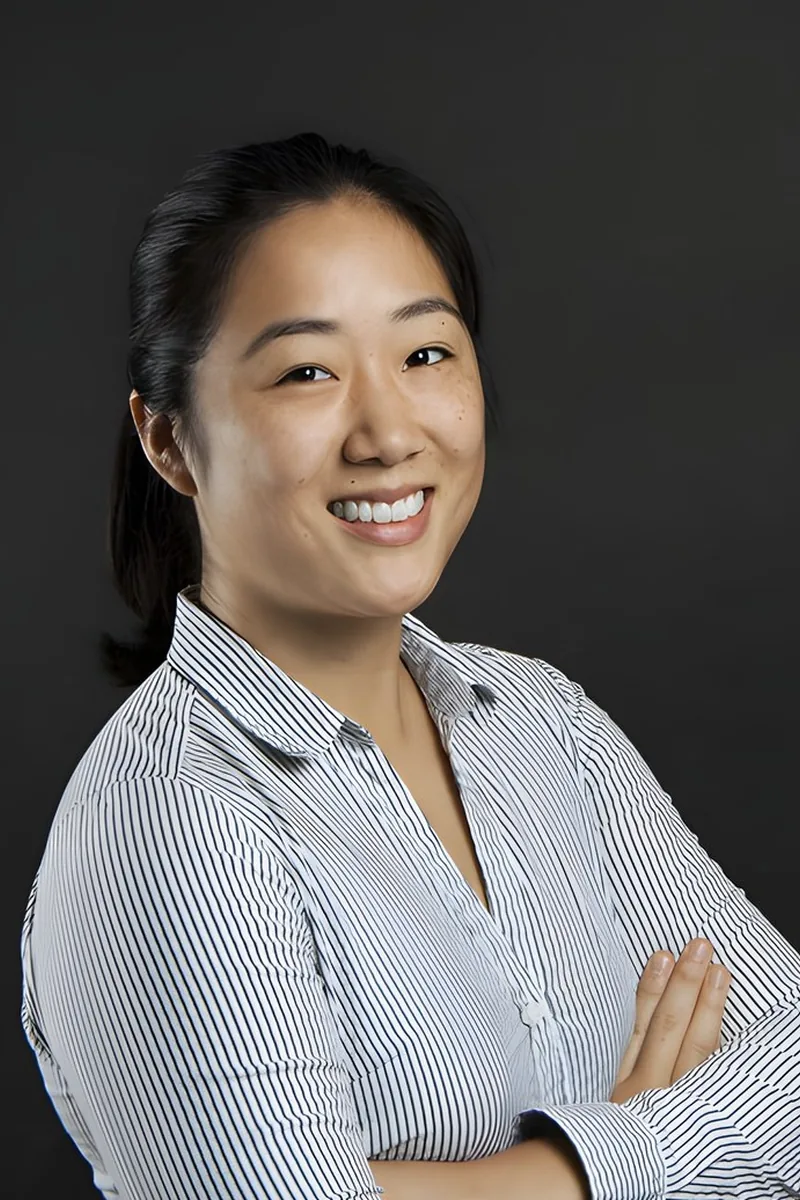
Building number sense early — understanding place value, basic fractions, and the logic behind multiplication — shapes how a student thinks about math for years. Asta's experience working with younger learners across different educational systems in both Hong Kong and the U.S. gives her a practical sense of where kids get stuck and how to unstick them.

Getting fractions, long division, and place value right at the elementary level sets the trajectory for everything that comes after in math. Matthew takes a patient, step-by-step approach — showing how a problem works, then giving the student a chance to try similar ones while asking questions along the way. It's a simple method, but it builds the kind of number sense that sticks.
Early math confidence matters more than early math speed, and Amber structures her sessions around making sure a student genuinely understands place value, basic operations, or simple fractions before racing ahead. She uses hands-on strategies and real-world examples — counting money, measuring ingredients — to make abstract numbers tangible. Rated 5.0 by families she's worked with.
Building number sense early — understanding place value, basic operations, and how to reason through word problems — sets the trajectory for everything that comes after in math. Mary treats elementary math as a chance to make young learners feel confident with numbers rather than anxious about them. Her 5.0 rating speaks to an approach that keeps sessions engaging while making sure core skills stick.
Early math concepts like place value, regrouping, and basic multiplication set the trajectory for everything that comes later. As a certified elementary teacher, Diana builds number sense through hands-on strategies — skip counting patterns, visual models, and mental math shortcuts — that make operations feel intuitive rather than mechanical.
Getting multiplication tables and place value to click for a younger learner takes more than repetition — it takes someone who genuinely enjoys being in the room. Marc's training as an actor gives him an unusual ability to make a lesson on fractions or basic geometry feel like a conversation rather than a lecture. He matches each student's energy level and finds the examples that make numbers intuitive.
Getting multiplication, division, and place value right at the elementary level shapes how a student thinks about numbers for years to come. Caroline brings patience and structure to these foundational concepts, using concrete examples — grouping objects, visual models, real-world quantities — to make abstract ideas tangible. She holds a 5.0 rating and treats every early math milestone as something worth getting right.
Every elementary math concept, from counting and place value up through fractions and basic geometry, is really a building block for the next one — and Paula treats it that way. She identifies exactly where a student's understanding breaks down and rebuilds from that point using hands-on strategies and clear explanations. Her 4.8 rating from families reflects the patience and adaptability she brings to working with younger learners.
Teaching a seven-year-old why borrowing works in subtraction requires a completely different skill set than explaining calculus. Kathleen brings both — she's a math major at Washington University who genuinely enjoys working with younger students on foundational skills like multi-digit operations, basic fractions, and number sense. She figures out how each kid thinks and adapts her explanations to match.
Multiplication tables, basic fractions, and place value aren't just rote skills — they're the building blocks that determine how a student handles every math class that follows. Jean teaches elementary math by making these foundational concepts tangible, using step-by-step problem solving that gives young learners genuine confidence with numbers.
Teaching a young learner to think mathematically — really understanding place value, or why borrowing works in subtraction — requires someone who genuinely enjoys the subject at every level. Jennifer brings that enthusiasm to elementary math, turning multiplication tables and basic fractions into ideas kids can reason about, not just recite.
Running a writing program for elementary students and teaching Algebra I at a community center gave Katherine a clear picture of how kids at different stages relate to numbers — and where confusion tends to start. She zeroes in on the mental models behind addition, subtraction, and early multiplication so that a student's grasp of arithmetic actually holds up when problems get harder.
Building number sense early changes everything about how a student experiences math later on. Kirstie breaks down concepts like place value, basic multiplication strategies, and simple fractions using visual and hands-on approaches shaped by her Master's in Education. She keeps sessions upbeat and low-pressure so young learners stay curious rather than anxious.
Getting multiplication facts, place value, and basic fractions right at this stage matters enormously for everything that comes later in math. Allen keeps younger learners engaged by turning abstract number concepts into concrete, step-by-step reasoning they can follow — and by celebrating the small wins that build genuine confidence with numbers.
Fractions, place value, and multi-digit multiplication aren't just procedures to memorize — they're the conceptual bedrock for every math class that follows. Vinay teaches elementary math by making sure students understand *why* borrowing works or *what* a fraction actually represents, not just how to get the right answer. His patient, structured approach has earned him a 5.0 rating across years of working with younger learners.
Getting multiplication facts, place value, and basic fractions right early on shapes how a child feels about math for years. Rachel teaches these foundational concepts through structured practice that builds genuine number sense, not just rote memorization. Her experience across elementary subjects means she knows how to keep younger learners engaged and confident.
Multiplication tables, long division, and basic fractions are skills that need to feel automatic before a student can tackle anything more advanced. Matt teaches these building blocks through patterns and hands-on strategies that make numbers feel less intimidating for younger learners.
Getting multiplication tables, fractions, and place value right at this stage shapes how a student thinks about math for years. Brittany's experience ranges from tutoring middle schoolers in West Philadelphia to working with college students at Penn, which gives her a clear picture of where early math skills need to be solid — and she makes those foundational concepts stick through concrete examples rather than rote repetition.
Multiplication strategies, place value, and early fraction concepts all click faster when a student understands the 'why' behind each step. Jessi's psychology background gives her insight into how younger learners process new information, and she uses that to tailor explanations — whether a kid needs manipulatives, drawings, or word-problem storytelling to make a concept stick.
Getting comfortable with multiplication facts, place value, and basic fractions early on makes every math class that follows significantly easier. Li uses visual strategies and real-world examples — measuring ingredients, splitting groups evenly — to make these foundational concepts click for younger learners.
Place value, regrouping, and early fractions click faster when a tutor knows exactly where young learners tend to get stuck. Molly has spent three years teaching math intervention in 2nd through 4th grade classrooms, so she can pinpoint a gap in number sense and address it before it snowballs. Rated 5.0 by families she's worked with.
Fractions, place value, and multi-digit multiplication all click faster when a student understands the reasoning behind each step. Austin breaks these concepts into visual, concrete pieces — using number lines, grouping, and real-world scenarios — so younger learners build genuine number sense instead of just memorizing procedures.
Early math confidence matters more than most people realize — a kid who dreads subtraction at age eight often dreads algebra at fourteen. Samantha makes concepts like place value, regrouping, and basic multiplication tangible and even fun, using real-world examples that give young learners a reason to care about numbers.
Building number sense early — understanding place value, basic multiplication facts, and simple fractions — sets up everything that comes later in math. Nicole studied child development as part of her Children's Studies minor at Washington University, so she knows how to match explanations to the way younger learners actually process new ideas. She uses concrete examples and visual models to make abstract concepts click.
Every elementary math concept, from skip counting to long division to basic fractions, is a building block for what comes next — and gaps at this stage compound quickly. Hasan runs an after-school program at a classical academy in Phoenix, so he spends his days identifying exactly where a young student's understanding breaks down and addressing it with hands-on, visual strategies that make abstract ideas concrete.
Getting multiplication facts and place value right in elementary math isn't just about drilling — it's about building number sense so a child can reason through problems they haven't seen before. Moriah, a Cornell-educated educator who manages and teaches at a prep school, brings patience and structure to topics like fractions, measurement, and basic word problems.
Getting multiplication tables, place value, and basic fractions right at the elementary level shapes everything that comes after in math. Andrew teaches these foundational skills through step-by-step reasoning, making sure a student understands why borrowing works in subtraction or how division relates to multiplication. His patient, clear communication style — rated 4.8 by families — keeps younger learners engaged without overwhelming them.
Multiplication tables, place value, basic fractions — elementary math is deceptively important because every future math concept depends on it. Gabriel's background in human development gives him sharp insight into how younger learners think and build number sense. He keeps sessions interactive and concrete, turning abstract ideas into something a child can visualize and explain back.
Building number sense early — understanding place value, regrouping in subtraction, or why multiplication is repeated addition — shapes how a student thinks about math for years. Katherine uses concrete examples and visual strategies to make these ideas stick before layering on procedures. She's patient with younger learners and skilled at spotting exactly where a concept breaks down.
Teaching elementary school every day near Boston means Emily isn't guessing about how young learners think about place value, fractions, or multi-digit multiplication — she watches it happen in real time. She uses multiple representations (number lines, area models, manipulatives) to find the approach that makes a concept stick for each child.
Getting multiplication facts and place value right early on shapes how a student handles every math class that follows. Neha has tutored kids as young as kindergarten across Chicago and knows how to make concepts like fractions and basic division click through hands-on, visual strategies rather than rote repetition.
Victoria taught first, second, and third graders for three years through Teach for America, building lessons around place value, basic operations, and early problem-solving every single day. That classroom experience — not just tutoring, but full-time teaching — means she knows how young learners develop number sense and where common misconceptions around regrouping or fractions tend to take root.
Getting number sense right early — place value, basic fractions, the logic behind multiplication — shapes how a child thinks about math for years. Vy taught first graders at a Sunday School program and worked with deaf preschoolers at Vanderbilt Medical Center's Mama Lere Hearing School, so she's practiced at making abstract ideas tangible for young learners. She holds a 5.0 rating from her students.
Abby tutored elementary students in math before finishing her Education Studies degree at Brown, so she knows that a second grader struggling with place value and a fourth grader stuck on fractions need very different approaches. She uses visual models and hands-on strategies — number lines, arrays, fraction bars — to make arithmetic click. Her background in teaching visual art also gives her a knack for making lessons feel creative rather than repetitive.
Building fluency with multiplication facts, place value, and basic fractions at the elementary level sets up everything that comes later in math. Christina genuinely enjoys working with younger students and designs lessons that mix structured practice with activities that keep kids engaged. She earned a 34 ACT composite, and her own math journey started with the same foundational skills she now teaches.
Building number sense early changes everything about how a student experiences math later on. Katie teaches elementary concepts like place value, basic fractions, and multi-digit multiplication in ways that emphasize understanding over rote memorization — using visual models and real-world examples that make abstract ideas click. She's patient with young learners and genuinely excited when a concept lands.
Building number sense early — understanding place value, basic operations, and simple fractions — sets kids up for everything that comes later in math. Matthew's experience working with younger students means he knows how to keep lessons engaging and meet the pace that elementary learners actually need.
Getting multiplication facts and place value down early changes everything about a student's math trajectory. Iselee uses structured practice and visual strategies to make concepts like regrouping and basic fractions intuitive rather than intimidating for younger learners.
Building number sense early — really understanding place value, basic operations, and how fractions relate to division — changes a student's entire math trajectory. Vania has tutored across every level from elementary through college at MIT, so she knows where young learners' misconceptions tend to hide and how to address them before they compound. She makes math feel like a puzzle worth solving, not a chore.
I am an Atlanta native. I hold an undergraduate degree in Business from Tennessee State University and graduated degree in Education from Cambridge College. I am a Georgia and Texas certified teacher. I have always enjoyed working with kids. I have taught kindergarten, first, second and fourth grade. I am a hard-worker, team player and passionate about my students succeeding in whatever they set their minds too. I currently hold endorsements in K-5 Mathematics, Teacher Support Specialist, and ESOL (English for Speakers of Other Languages). I am able to provide instruction that meets the needs of all students. I have the ability to differentiate instruction so that I cater to all learning styles and levels.
Testimonials
Because the right Elementary Math tutor makes all the difference.
Average Session Rating – Based on 3.4M Learner Ratings
Nearby Elementary Math Tutors
Other Sacramento Tutors
Related Math Tutors in Sacramento
Frequently Asked Questions
Sacramento's 27 school districts use various math programs, from traditional textbooks to standards-based approaches. Tutors work with students using whatever curriculum their school uses, whether that's Eureka Math, Go Math!, or another program. This ensures lessons reinforce what's happening in the classroom while filling in gaps in understanding.
Procedural understanding means knowing how to follow steps (like long division), while conceptual understanding means knowing *why* those steps work. Many students memorize procedures without grasping the underlying concepts, which makes word problems and multi-step problems confusing. Tutors help students build both—they explain the 'why' behind operations so students can apply their knowledge flexibly to new problems.
Word problems require students to translate language into math, identify what's being asked, and choose the right operation—which is harder than just computing. Many students can do arithmetic but freeze when numbers are wrapped in a story. Tutors teach problem-solving strategies like drawing pictures, breaking problems into steps, and checking whether answers make sense, which builds confidence and independence.
Math anxiety often comes from fear of being wrong or feeling 'bad at math,' which shuts down learning. Tutors create low-pressure environments where mistakes are learning opportunities, not failures. With personalized 1-on-1 instruction, students work at their own pace, ask questions without embarrassment, and experience success on problems they thought were impossible—which rebuilds confidence over time.
Showing work reveals a student's thinking process, not just their final answer. Teachers use it to spot where understanding breaks down—whether a student has the right idea but made a calculation error, or doesn't understand the concept at all. Tutors help students organize their work clearly and explain their reasoning, which improves both their math communication and their ability to catch their own mistakes.
Elementary math builds on itself—understanding place value connects to addition and subtraction, which connects to multiplication and division. Many students treat each topic as separate, which makes learning feel like memorizing random facts. Tutors highlight these connections, showing how multiplication is repeated addition or how fractions relate to division, helping students build a coherent mental framework instead of isolated skills.
The first session focuses on understanding where your child is—what they've mastered, where they're stuck, and what's causing frustration. Tutors ask questions, work through a few problems together, and listen for misconceptions. This assessment shapes the tutoring plan, ensuring lessons target real gaps rather than just reviewing material your child already knows.
Many students show confidence improvements within 2-3 weeks of consistent tutoring, especially if anxiety was the main barrier. Deeper conceptual understanding and grade improvement usually develop over 4-8 weeks, depending on how far behind a student is and how frequently they meet with a tutor. Regular practice between sessions accelerates progress significantly.
Let’s find your perfect tutor
Answer a few quick questions. We’ll recommend the right plan and match you with a top 5% tutor.