Award-Winning Elementary Math Tutors
serving Murrieta, CA
Elementary Math
Tutors in Murrieta
Private 1-on-1 tutoring, weekly live classes for academic support, test prep & enrichment, practice tests and diagnostics, and more to elevate grades and test scores.
Based on 3.4M Learner Ratings
UniversitiesSchools & Universities
DeliveredHours Delivered
ProficiencyGrowth in Proficiency
Who needs tutoring?
No obligation. Takes ~1 minute.
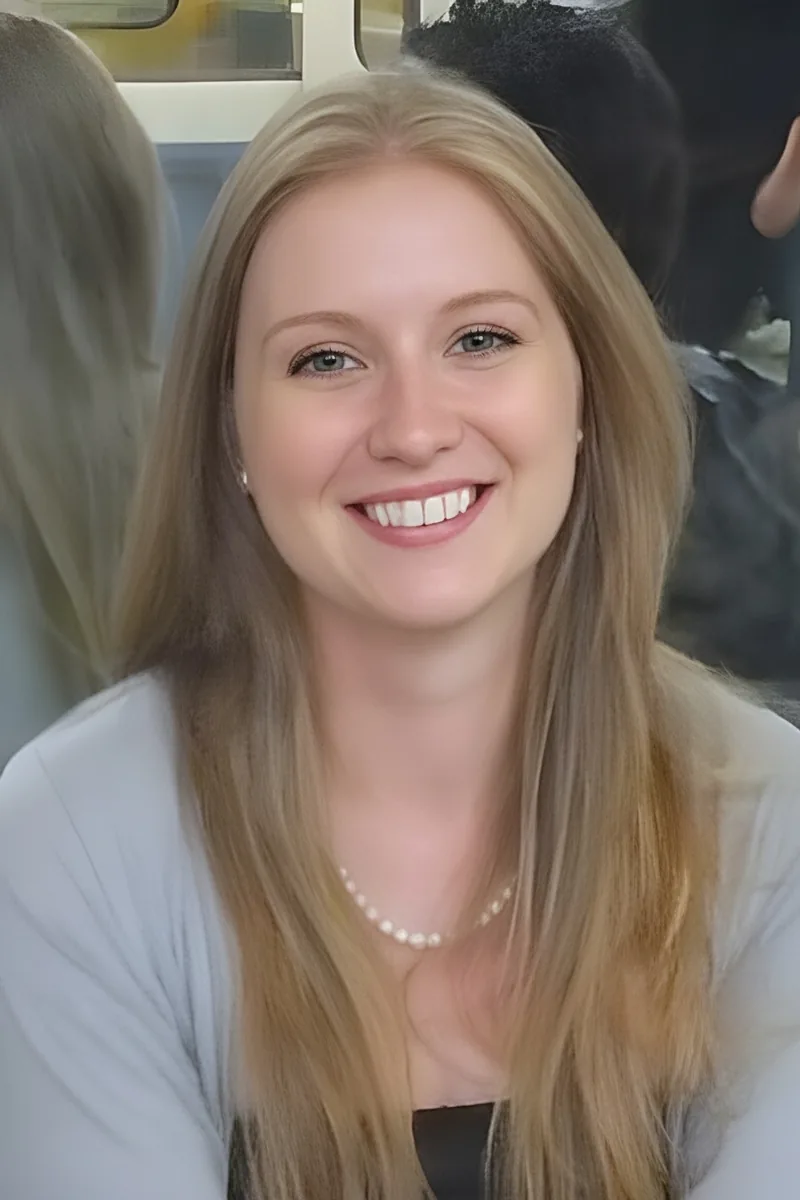
Building fluency with multiplication facts, place value, and basic fractions at the elementary level sets up everything that comes later in math. Christina genuinely enjoys working with younger students and designs lessons that mix structured practice with activities that keep kids engaged. She earned a 34 ACT composite, and her own math journey started with the same foundational skills she now teaches.

Getting multiplication facts and place value right in elementary math sets up everything that comes later. Shant uses hands-on strategies and real-life scenarios — measuring ingredients, counting change, splitting groups evenly — to make arithmetic feel purposeful rather than repetitive. His patient, encouraging style (reflected in a 5.0 client rating) keeps younger learners engaged through the trickier concepts.
Getting multiplication facts or place value wrong isn't a sign a kid is bad at math — it usually means the underlying concept hasn't been made concrete yet. John uses visual models and real-world scenarios to make operations with whole numbers, fractions, and decimals tangible before moving to abstract practice.
Getting place value, fractions, and basic multiplication right at the elementary level shapes how a student thinks about math for years. Anna uses visual models and real-world examples — splitting pizzas, counting coins — to make these foundational ideas intuitive rather than mechanical.
Building number sense early matters more than speed with flash cards. Andrew teaches elementary math concepts like place value, basic multiplication strategies, and simple fractions by connecting them to things kids already understand — sharing pizza, counting coins, measuring ingredients. His patient, low-pressure style keeps younger learners engaged instead of anxious.
Getting multiplication facts, place value, and basic fractions to click early makes every future math class easier. Linda teaches elementary math by connecting numbers to real-world situations — sharing equally, measuring ingredients, counting change — so the reasoning sticks. She's worked with students as young as elementary age and knows how to keep lessons engaging without losing rigor.
Early math confidence shapes everything that comes later, which is why Whitney pays close attention to how a child thinks through problems with fractions, place value, or multi-digit operations — not just whether they get the right answer. Her patience and genuine love of working with kids make her a natural fit for younger learners building number sense.
Building number sense early changes everything about how a student experiences math later on. Gerardo tackles concepts like place value, multi-digit multiplication, and fraction equivalence with hands-on strategies that make abstract ideas concrete for younger learners. As a state-certified teacher with a physics and math background, he understands exactly where these foundational skills lead — and how to make them stick.
At the elementary level, math should feel like discovery — figuring out why borrowing works in subtraction, or what multiplication actually means beyond repeated addition. Michael's theatre background at NYU's Tisch School trained him to communicate ideas vividly and hold a young learner's attention, which matters as much as math knowledge at this age. He turns place value, basic fractions, and word problems into interactive conversations rather than worksheets.
Getting multiplication facts and place value to stick requires more than flashcards — kids need to understand *why* numbers work the way they do. Luke brings a creative, visual approach to elementary math, drawing on his background as an artist and college professor to make concepts like fractions, measurement, and basic geometry tangible. He's patient, inventive, and rated 4.9 by the families he's worked with.
Building number sense early — understanding place value, basic fractions, and what multiplication actually means — shapes how a student thinks about math for years. Pooja uses visual models and hands-on strategies to make these foundational ideas intuitive rather than rote. Her patient, adaptive teaching style is especially effective with younger learners still developing confidence.
Multiplication tables, place value, long division — elementary math looks simple on the surface, but how a student learns these skills shapes their entire relationship with numbers. Nathan teaches each operation as a logical process rather than a rote procedure, using step-by-step breakdowns that give young learners real confidence. He's patient enough to revisit a concept five different ways until it clicks.
Multiplication tables and long division aren't just procedures to memorize — they're the building blocks that determine whether a student thrives or struggles in every math class that follows. Kellie teaches elementary math by linking number sense to concrete examples, making place value and fractions feel tangible. She keeps sessions structured but light, so younger learners stay engaged without feeling overwhelmed.
At the elementary level, the goal isn't just getting the right answer — it's developing number sense so that multiplication, place value, and basic fractions feel intuitive. Mark uses visual strategies and real-world scenarios (like measuring ingredients or splitting groups evenly) to make abstract ideas tangible. His calm, encouraging style is a natural fit for younger learners.
Teaching a young learner to multiply, divide, or work with fractions requires patience and the ability to explain the same idea three different ways until one lands. Alex pairs his UCLA mathematics training with a genuinely encouraging style, turning abstract number relationships into visual, hands-on problems that make sense to elementary-age kids.
At the elementary level, how a child feels about math matters as much as what they learn. Joanne takes time with place value, basic operations, and early word problems, making sure young learners build number sense through understanding rather than rote counting. Her 5.0 rating speaks to the patience she brings to every session.
Building number sense early — understanding place value, basic operations, and simple fractions — sets up everything that comes later in math. Travis makes these foundational ideas stick by using concrete examples and patient repetition, so young learners develop genuine comfort with numbers rather than anxiety about them.
Multiplication tables, long division, and early fractions are skills that need to feel automatic before students can handle anything harder. Thomas turns repetitive practice into something more engaging by tying problems to real scenarios kids actually care about, building number sense alongside fluency.
Getting multiplication facts and place value right matters more than speed at this stage, and Caroline approaches elementary math with that patience. Her experience mentoring younger students in Oakland taught her to use visual models — arrays, number lines, base-ten blocks — to make operations tangible before moving to standard algorithms. She holds a 5.0 rating from families she's worked with.
Building number sense early — understanding place value, basic operations, and simple fractions — changes how a student relates to math for years to come. Fady brings patience and a knack for finding the explanation that clicks, whether that means using visual models for multiplication or real-world examples like splitting a pizza to introduce division.
Early math confidence comes from understanding *why* addition and subtraction work, not just memorizing facts. Nathan uses visual models and number lines to teach place value, basic operations, and early problem-solving in ways that make sense to young learners. His patient, adaptive style keeps kids engaged even when a concept feels tricky at first.
Getting multiplication, fractions, or place value wrong early can quietly snowball for years. Alain approaches elementary math by building number sense — teaching kids why regrouping works in subtraction, or what a fraction actually represents — so the logic sticks long before they need it for algebra.
Multiplication tables, long division, and basic fractions aren't just rote skills — they're the building blocks kids will lean on for years. Sean's improv background at Second City makes him unusually good at keeping younger learners engaged, turning dry drills into something closer to a game than a chore.
Early math confidence shapes everything that comes later, so getting multiplication strategies, place value, and fraction concepts right matters enormously. Sarah brings patience and structure to these foundational skills, often using visual models and real-world examples — like measuring ingredients or splitting groups evenly — to make abstract ideas tangible for young learners.
Fractions, decimals, and long division don't have to be intimidating — they just need someone who explains the "why" behind each step. Jasmyn's science background means she uses math constantly and knows how to make arithmetic feel concrete, whether that's through visual models for multiplication or real-world examples that make place value intuitive.
Getting multiplication facts, place value, and basic fractions right early on shapes how a child feels about math for years. Rachel teaches these foundational concepts through structured practice that builds genuine number sense, not just rote memorization. Her experience across elementary subjects means she knows how to keep younger learners engaged and confident.
Teaching a seven-year-old why borrowing works in subtraction requires a completely different skill set than explaining calculus. Kathleen brings both — she's a math major at Washington University who genuinely enjoys working with younger students on foundational skills like multi-digit operations, basic fractions, and number sense. She figures out how each kid thinks and adapts her explanations to match.
Getting multiplication facts and place value right early on shapes how a student handles every math class that follows. Neha has tutored kids as young as kindergarten across Chicago and knows how to make concepts like fractions and basic division click through hands-on, visual strategies rather than rote repetition.
Fractions, place value, and multi-digit multiplication aren't just procedures to memorize — they're the conceptual bedrock for every math class that follows. Vinay teaches elementary math by making sure students understand *why* borrowing works or *what* a fraction actually represents, not just how to get the right answer. His patient, structured approach has earned him a 5.0 rating across years of working with younger learners.
Multiplication tables, place value, basic fractions — elementary math is deceptively important because every future math concept depends on it. Gabriel's background in human development gives him sharp insight into how younger learners think and build number sense. He keeps sessions interactive and concrete, turning abstract ideas into something a child can visualize and explain back.
Building number sense early — really understanding place value, basic operations, and how fractions relate to division — changes a student's entire math trajectory. Vania has tutored across every level from elementary through college at MIT, so she knows where young learners' misconceptions tend to hide and how to address them before they compound. She makes math feel like a puzzle worth solving, not a chore.
Getting multiplication facts and place value down early changes everything about a student's math trajectory. Iselee uses structured practice and visual strategies to make concepts like regrouping and basic fractions intuitive rather than intimidating for younger learners.
I am currently a senior at Northwestern University and I will be receiving a Bachelor of Arts in Political Science and Legal Studies this spring. In the fall, I will begin attending law school at Northwestern Law. For many years, I tutored a wide range of students in Spanish, English literature, and writing. I have also continued to help many high school seniors with college application essays. While I tutor a variety of subjects, I am very passionate about helping students improve their reading and writing skills, and I really enjoy helping students with Critical Reading and Writing portions of Standardized Tests. I love working with students and helping them realize their full academic potential. In my spare time, I enjoy traveling, exploring Chicago, reading, and cooking.
Getting multiplication tables, fractions, and place value right at this stage shapes how a student thinks about math for years. Brittany's experience ranges from tutoring middle schoolers in West Philadelphia to working with college students at Penn, which gives her a clear picture of where early math skills need to be solid — and she makes those foundational concepts stick through concrete examples rather than rote repetition.
Teaching young learners multiplication tables or place value requires patience and creativity in equal measure. Jean has taught students as young as toddlers and understands that elementary math sticks best when it's hands-on — using tangible examples, patterns, and games rather than rote drills. Her medical training also means she's attuned to how developing minds learn, which shapes how she paces each session.
Multiplication tables, long division, and basic fractions are skills that need to feel automatic before a student can tackle anything more advanced. Matt teaches these building blocks through patterns and hands-on strategies that make numbers feel less intimidating for younger learners.
Testimonials
Because the right Elementary Math tutor makes all the difference.
Average Session Rating – Based on 3.4M Learner Ratings
Nearby Elementary Math Tutors
Other Murrieta Tutors
Related Math Tutors in Murrieta
Frequently Asked Questions
Many students struggle with the transition from memorizing math facts to understanding why those facts work. Word problems are particularly challenging because they require students to translate language into mathematical thinking. Additionally, as students progress through elementary grades, they often hit roadblocks with multi-step problems, fractions, and understanding place value deeply—skills that form the foundation for all future math success.
Every student learns at their own pace and has unique gaps in understanding. Personalized tutoring allows a tutor to identify exactly where a student's confusion starts—whether it's with foundational concepts or specific problem types—and fill those gaps before moving forward. This targeted approach helps students build genuine confidence and see the patterns and connections in math, rather than just memorizing procedures.
Yes. Murrieta's schools use various approaches and materials, and tutors understand how to work with different curricula—whether your child's school uses traditional textbooks, Singapore Math, Eureka Math, or other programs. Tutors can align their instruction with what your child is learning in class while also filling conceptual gaps and building problem-solving skills that transfer across any approach.
Showing work helps students organize their thinking, catch their own mistakes, and develop problem-solving strategies they can apply to new problems. Many students rush through problems or struggle to explain their reasoning. Tutoring focuses on teaching students how to break problems into steps, use visual models, and communicate their mathematical thinking—skills that improve both accuracy and deeper understanding.
Math anxiety often comes from past struggles or feeling rushed in a classroom setting. In personalized tutoring, students work at their own pace in a low-pressure environment where mistakes are learning opportunities, not failures. As students experience success with concepts they previously found confusing, their confidence naturally grows, and anxiety decreases. Many students discover they actually enjoy math once they understand it.
The first session focuses on understanding your child's strengths, learning style, and specific challenges. The tutor will work through some problems with your child to identify where gaps exist and what approaches resonate best. This isn't about testing—it's about building rapport and creating a personalized plan that targets the areas where your child needs the most support.
Varsity Tutors connects students with expert tutors who have strong backgrounds in mathematics and experience teaching elementary students. Tutors understand child development, how to explain concepts at different levels, and how to build problem-solving skills alongside procedural fluency. Each tutor is vetted to ensure they can adapt their teaching to match your child's learning style and pace.
Simply reach out to Varsity Tutors and let us know your child's grade level, specific challenges, and your availability. We'll match you with a tutor who fits your needs and schedule. From there, you can start with an initial session to see if it's a good fit, and adjust frequency and focus based on your child's progress and goals.
Let’s find your perfect tutor
Answer a few quick questions. We’ll recommend the right plan and match you with a top 5% tutor.