Award-Winning Elementary Math Tutors
serving Oxnard, CA
Elementary Math
Tutors in Oxnard
Private 1-on-1 tutoring, weekly live classes for academic support, test prep & enrichment, practice tests and diagnostics, and more to elevate grades and test scores.
Based on 3.4M Learner Ratings
UniversitiesSchools & Universities
DeliveredHours Delivered
ProficiencyGrowth in Proficiency
Who needs tutoring?
No obligation. Takes ~1 minute.
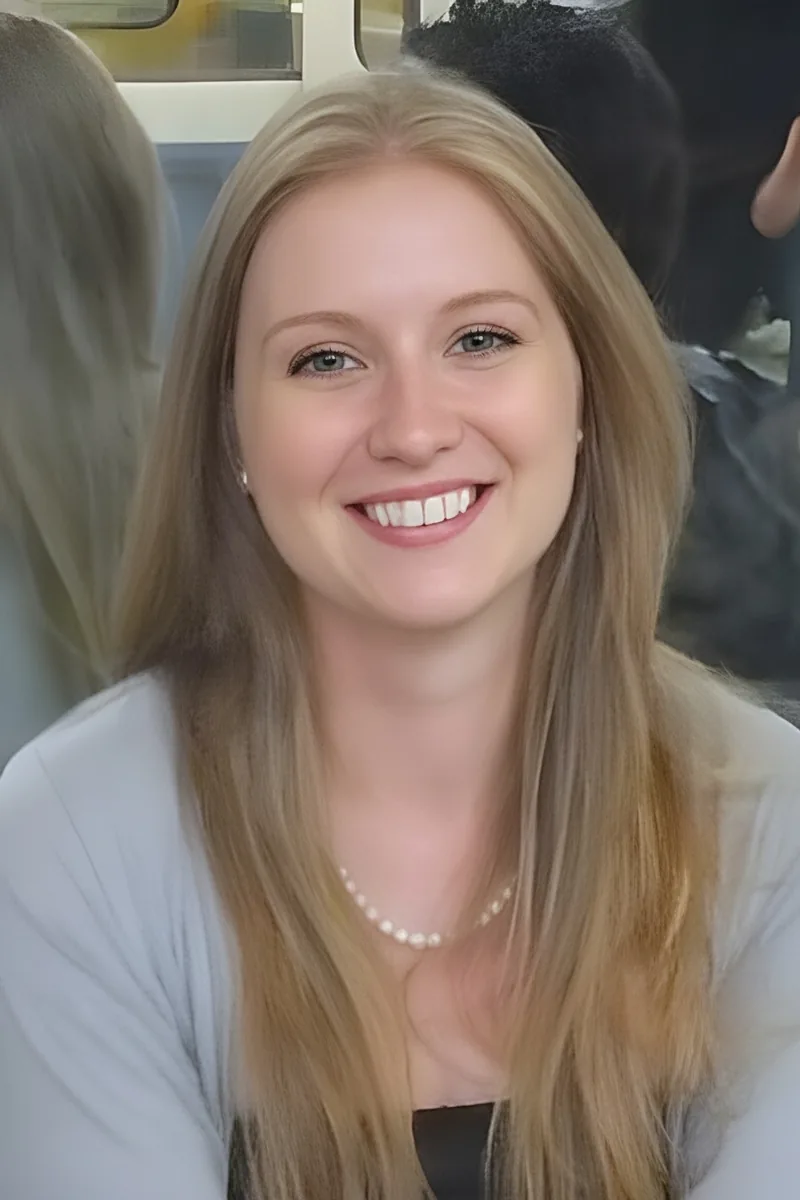
Building fluency with multiplication facts, place value, and basic fractions at the elementary level sets up everything that comes later in math. Christina genuinely enjoys working with younger students and designs lessons that mix structured practice with activities that keep kids engaged. She earned a 34 ACT composite, and her own math journey started with the same foundational skills she now teaches.

Getting multiplication facts and place value right in elementary math sets up everything that comes later. Shant uses hands-on strategies and real-life scenarios — measuring ingredients, counting change, splitting groups evenly — to make arithmetic feel purposeful rather than repetitive. His patient, encouraging style (reflected in a 5.0 client rating) keeps younger learners engaged through the trickier concepts.
Getting multiplication facts or place value wrong isn't a sign a kid is bad at math — it usually means the underlying concept hasn't been made concrete yet. John uses visual models and real-world scenarios to make operations with whole numbers, fractions, and decimals tangible before moving to abstract practice.
Getting place value, fractions, and basic multiplication right at the elementary level shapes how a student thinks about math for years. Anna uses visual models and real-world examples — splitting pizzas, counting coins — to make these foundational ideas intuitive rather than mechanical.
Building number sense early matters more than speed with flash cards. Andrew teaches elementary math concepts like place value, basic multiplication strategies, and simple fractions by connecting them to things kids already understand — sharing pizza, counting coins, measuring ingredients. His patient, low-pressure style keeps younger learners engaged instead of anxious.
Getting multiplication facts, place value, and basic fractions to click early makes every future math class easier. Linda teaches elementary math by connecting numbers to real-world situations — sharing equally, measuring ingredients, counting change — so the reasoning sticks. She's worked with students as young as elementary age and knows how to keep lessons engaging without losing rigor.
Early math confidence shapes everything that comes later, which is why Whitney pays close attention to how a child thinks through problems with fractions, place value, or multi-digit operations — not just whether they get the right answer. Her patience and genuine love of working with kids make her a natural fit for younger learners building number sense.
Building number sense early changes everything about how a student experiences math later on. Gerardo tackles concepts like place value, multi-digit multiplication, and fraction equivalence with hands-on strategies that make abstract ideas concrete for younger learners. As a state-certified teacher with a physics and math background, he understands exactly where these foundational skills lead — and how to make them stick.
Getting multiplication facts and place value to stick requires more than flashcards — kids need to understand *why* numbers work the way they do. Luke brings a creative, visual approach to elementary math, drawing on his background as an artist and college professor to make concepts like fractions, measurement, and basic geometry tangible. He's patient, inventive, and rated 4.9 by the families he's worked with.
Building number sense early — understanding place value, basic fractions, and what multiplication actually means — shapes how a student thinks about math for years. Pooja uses visual models and hands-on strategies to make these foundational ideas intuitive rather than rote. Her patient, adaptive teaching style is especially effective with younger learners still developing confidence.
At the elementary level, math should feel like discovery — figuring out why borrowing works in subtraction, or what multiplication actually means beyond repeated addition. Michael's theatre background at NYU's Tisch School trained him to communicate ideas vividly and hold a young learner's attention, which matters as much as math knowledge at this age. He turns place value, basic fractions, and word problems into interactive conversations rather than worksheets.
Multiplication tables, place value, long division — elementary math looks simple on the surface, but how a student learns these skills shapes their entire relationship with numbers. Nathan teaches each operation as a logical process rather than a rote procedure, using step-by-step breakdowns that give young learners real confidence. He's patient enough to revisit a concept five different ways until it clicks.
Multiplication tables and long division aren't just procedures to memorize — they're the building blocks that determine whether a student thrives or struggles in every math class that follows. Kellie teaches elementary math by linking number sense to concrete examples, making place value and fractions feel tangible. She keeps sessions structured but light, so younger learners stay engaged without feeling overwhelmed.
Teaching a young learner to multiply, divide, or work with fractions requires patience and the ability to explain the same idea three different ways until one lands. Alex pairs his UCLA mathematics training with a genuinely encouraging style, turning abstract number relationships into visual, hands-on problems that make sense to elementary-age kids.
At the elementary level, the goal isn't just getting the right answer — it's developing number sense so that multiplication, place value, and basic fractions feel intuitive. Mark uses visual strategies and real-world scenarios (like measuring ingredients or splitting groups evenly) to make abstract ideas tangible. His calm, encouraging style is a natural fit for younger learners.
Multiplication tables, long division, and early fractions are skills that need to feel automatic before students can handle anything harder. Thomas turns repetitive practice into something more engaging by tying problems to real scenarios kids actually care about, building number sense alongside fluency.
At the elementary level, how a child feels about math matters as much as what they learn. Joanne takes time with place value, basic operations, and early word problems, making sure young learners build number sense through understanding rather than rote counting. Her 5.0 rating speaks to the patience she brings to every session.
Building number sense early — understanding place value, basic operations, and simple fractions — sets up everything that comes later in math. Travis makes these foundational ideas stick by using concrete examples and patient repetition, so young learners develop genuine comfort with numbers rather than anxiety about them.
Early math confidence comes from understanding *why* addition and subtraction work, not just memorizing facts. Nathan uses visual models and number lines to teach place value, basic operations, and early problem-solving in ways that make sense to young learners. His patient, adaptive style keeps kids engaged even when a concept feels tricky at first.
Building number sense early — understanding place value, basic operations, and simple fractions — changes how a student relates to math for years to come. Fady brings patience and a knack for finding the explanation that clicks, whether that means using visual models for multiplication or real-world examples like splitting a pizza to introduce division.
Getting multiplication, fractions, or place value wrong early can quietly snowball for years. Alain approaches elementary math by building number sense — teaching kids why regrouping works in subtraction, or what a fraction actually represents — so the logic sticks long before they need it for algebra.
Getting multiplication facts and place value right matters more than speed at this stage, and Caroline approaches elementary math with that patience. Her experience mentoring younger students in Oakland taught her to use visual models — arrays, number lines, base-ten blocks — to make operations tangible before moving to standard algorithms. She holds a 5.0 rating from families she's worked with.
Multiplication tables, long division, and basic fractions aren't just rote skills — they're the building blocks kids will lean on for years. Sean's improv background at Second City makes him unusually good at keeping younger learners engaged, turning dry drills into something closer to a game than a chore.
Early math confidence shapes everything that comes later, so getting multiplication strategies, place value, and fraction concepts right matters enormously. Sarah brings patience and structure to these foundational skills, often using visual models and real-world examples — like measuring ingredients or splitting groups evenly — to make abstract ideas tangible for young learners.
Victoria taught first, second, and third graders for three years through Teach for America, building lessons around place value, basic operations, and early problem-solving every single day. That classroom experience — not just tutoring, but full-time teaching — means she knows how young learners develop number sense and where common misconceptions around regrouping or fractions tend to take root.
Abby tutored elementary students in math before finishing her Education Studies degree at Brown, so she knows that a second grader struggling with place value and a fourth grader stuck on fractions need very different approaches. She uses visual models and hands-on strategies — number lines, arrays, fraction bars — to make arithmetic click. Her background in teaching visual art also gives her a knack for making lessons feel creative rather than repetitive.
Building number sense early — not just memorizing multiplication tables but understanding why grouping and place value work — sets kids up for every math class that follows. Jeanette uses concrete examples and visual strategies to make concepts like fractions, measurement, and basic operations click before moving to more abstract practice.
Fractions, decimals, and long division don't have to be intimidating — they just need someone who explains the "why" behind each step. Jasmyn's science background means she uses math constantly and knows how to make arithmetic feel concrete, whether that's through visual models for multiplication or real-world examples that make place value intuitive.
Getting multiplication facts or place value wrong isn't a sign a kid is bad at math — it usually means the underlying concept hasn't clicked yet. Suzie is patient and specific, turning abstract ideas like regrouping or fraction equivalence into something a young learner can see and touch before moving to the written math.
Getting multiplication facts and place value right in elementary math isn't just about drilling — it's about building number sense so a child can reason through problems they haven't seen before. Moriah, a Cornell-educated educator who manages and teaches at a prep school, brings patience and structure to topics like fractions, measurement, and basic word problems.
Every elementary math concept, from counting and place value up through fractions and basic geometry, is really a building block for the next one — and Paula treats it that way. She identifies exactly where a student's understanding breaks down and rebuilds from that point using hands-on strategies and clear explanations. Her 4.8 rating from families reflects the patience and adaptability she brings to working with younger learners.
Teaching elementary school every day near Boston means Emily isn't guessing about how young learners think about place value, fractions, or multi-digit multiplication — she watches it happen in real time. She uses multiple representations (number lines, area models, manipulatives) to find the approach that makes a concept stick for each child.
I am currently a senior at Northwestern University and I will be receiving a Bachelor of Arts in Political Science and Legal Studies this spring. In the fall, I will begin attending law school at Northwestern Law. For many years, I tutored a wide range of students in Spanish, English literature, and writing. I have also continued to help many high school seniors with college application essays. While I tutor a variety of subjects, I am very passionate about helping students improve their reading and writing skills, and I really enjoy helping students with Critical Reading and Writing portions of Standardized Tests. I love working with students and helping them realize their full academic potential. In my spare time, I enjoy traveling, exploring Chicago, reading, and cooking.
Building number sense early — understanding place value, basic operations, and how to reason through word problems — sets the trajectory for everything that comes after in math. Mary treats elementary math as a chance to make young learners feel confident with numbers rather than anxious about them. Her 5.0 rating speaks to an approach that keeps sessions engaging while making sure core skills stick.
Getting comfortable with multiplication facts, place value, and basic fractions early on makes every math class that follows significantly easier. Li uses visual strategies and real-world examples — measuring ingredients, splitting groups evenly — to make these foundational concepts click for younger learners.
Fractions, place value, and multi-digit multiplication are the concepts where young learners either build lasting number sense or start relying on memorized tricks that fall apart later. Mrunali uses concrete examples and step-by-step reasoning to make these foundational ideas click, keeping sessions engaging for younger students.
Testimonials
Because the right Elementary Math tutor makes all the difference.
Average Session Rating – Based on 3.4M Learner Ratings
Nearby Elementary Math Tutors
Other Oxnard Tutors
Related Math Tutors in Oxnard
Frequently Asked Questions
Varsity Tutors matches Oxnard students with expert Elementary Math tutors for 1-on-1 instruction. We pair each student with a tutor based on their specific needs, learning style, and goals.
Whether you need homework help, exam prep, or want to get ahead, our Elementary Math tutors are ready to help.
Common challenges include gaps from earlier material, difficulty with specific concepts, and trouble applying learning to new problems. These issues can snowball quickly in Elementary Math.
A tutor identifies where you're stuck, fills in gaps, and provides targeted practice. The 1-on-1 format means you get help exactly where you need it.
Tutors work with your student's actual coursework—homework assignments, class notes, and upcoming tests. This keeps tutoring directly relevant to what's happening in the classroom.
When you share information about your student's school and curriculum, we can match you with a tutor who has relevant experience.
All tutors complete background checks, credential verification, and teaching evaluation. Many of our Elementary Math tutors hold advanced degrees or have years of teaching experience.
You can review tutor profiles to find someone with the right background for your student's level and needs.
Many students see improved grades within a few weeks, along with better understanding of Elementary Math concepts and more confidence tackling challenging material.
Tutors track progress and adjust their approach to ensure continued improvement.
Most students benefit from 1-2 sessions per week. More frequent sessions help if your student is significantly behind or has an important exam coming up.
Your tutor can recommend a schedule based on your student's specific situation and goals.
Tutoring is purchased in packages of hours, with rates varying by tutor experience. Varsity Tutors offers several options to fit different budgets and needs.
You can discuss pricing during your consultation to find what works best.
Your tutor will assess where your student is, discuss goals, and start working on priority areas. Most students bring current homework or upcoming test material to focus on.
By the end, you'll have a clear sense of how the tutor can help and a plan for moving forward.
Let’s find your perfect tutor
Answer a few quick questions. We’ll recommend the right plan and match you with a top 5% tutor.