Award-Winning AP Spanish Literature and Culture Tutors
serving Sacramento, CA
AP Spanish Literature and Culture
Tutors in Sacramento
Private 1-on-1 tutoring, weekly live classes for academic support, test prep & enrichment, practice tests and diagnostics, and more to elevate grades and test scores.
Based on 3.4M Learner Ratings
UniversitiesSchools & Universities
DeliveredHours Delivered
ProficiencyGrowth in Proficiency
Who needs tutoring?
No obligation. Takes ~1 minute.
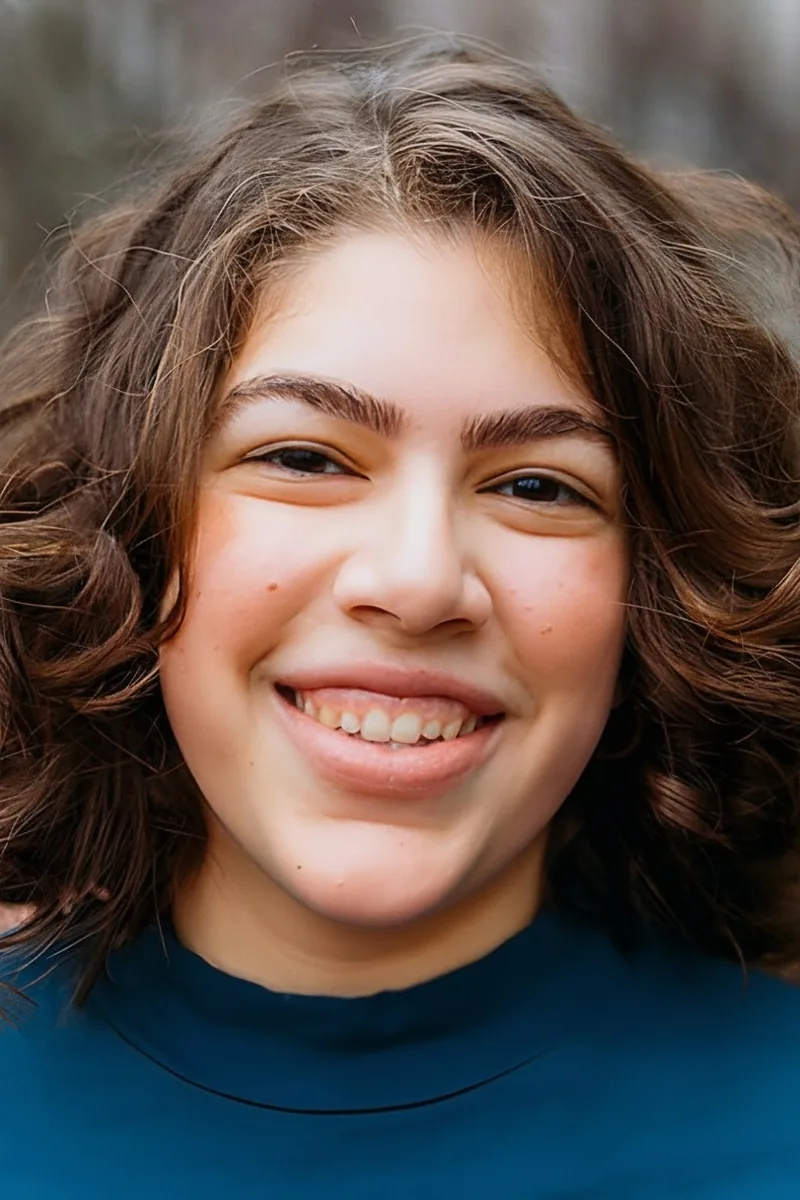
Born and raised in San Juan, Puerto Rico, Carla is a native Spanish speaker whose theater background gives her a distinctive angle on literary analysis — she teaches students to read dramatic texts like *La casa de Bernarda Alba* and poetry by Sor Juana as living performances, not just words on a page. That instinct for voice, tone, and subtext translates directly to the close-reading and essay skills the AP exam rewards. Rated 5.0 by students.
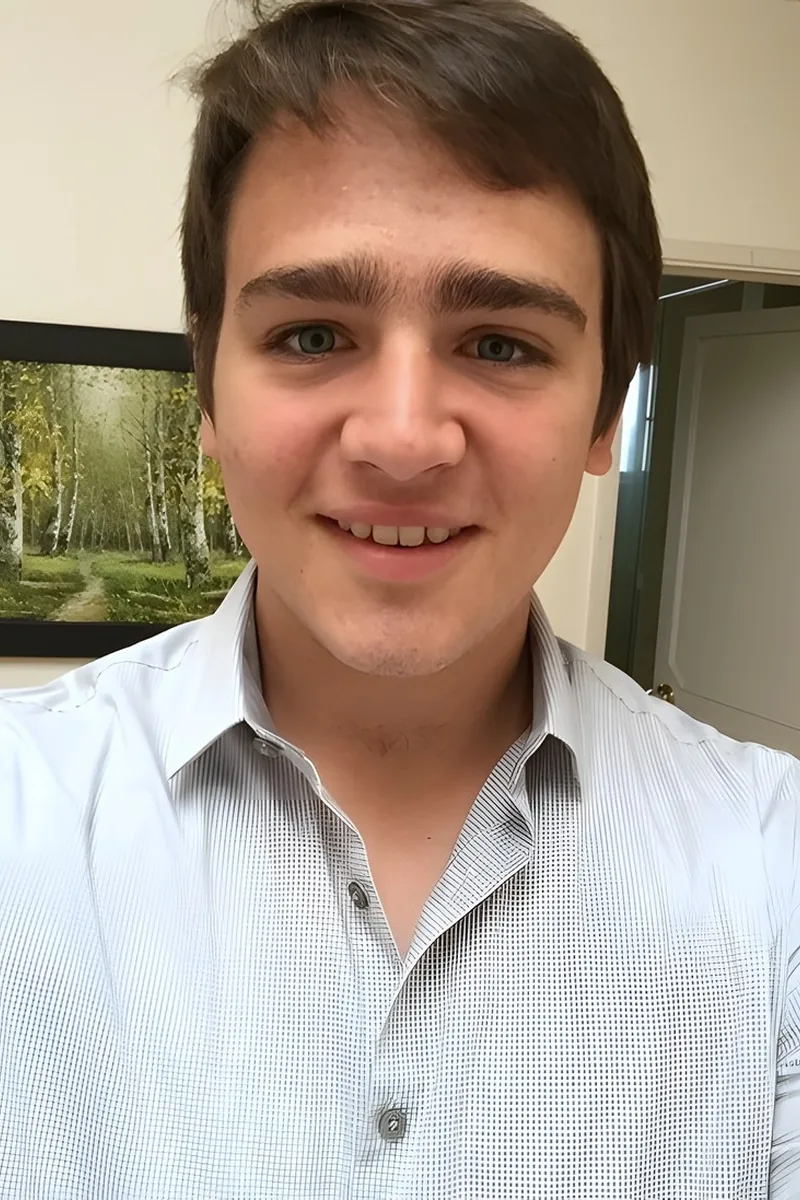
Growing up schooled in Mexico means Alfonso didn't just learn Spanish — he absorbed the literary and cultural traditions that underpin the AP reading list, from colonial-era texts to modern Latin American prose. His years of formal Spanish-language education give him native-level reading and writing fluency that sharpens how he teaches students to construct analytical essays entirely in Spanish, grounding arguments in the cultural contexts he experienced firsthand.
Reading and writing are Daniela's home base — she's an English major with a 1560 SAT who also tutors across four levels of Spanish, from introductory through AP. For this exam, that combination means she can coach students on the literary analysis and essay-writing mechanics (thesis construction, evidence integration, argumentative flow) while working through the Spanish-language texts on the reading list. Her cross-language fluency keeps sessions grounded in both the literature and the language it's written in.
Before college, Heather's high school Spanish teacher trusted her enough to refer another student to her for one-on-one tutoring — the kind of endorsement that speaks to genuine command of the language beyond classroom basics. Her psychology training adds a useful angle for AP Literature essays where character motivation and identity themes drive the analysis, and she brings patient, structured coaching to students who get overwhelmed by timed writing in Spanish. Rated 5.0 by students.
Elliot's training is in neuroscience and cognitive science, not Spanish literature — so this is a peripheral subject for him. That said, his PhD-level analytical skills and experience teaching writing and essay construction mean he can coach students on the structural mechanics of timed literary essays: building a thesis, organizing textual evidence, and arguing a point clearly under pressure.
I'm a native Spanish and English speaker. I graduated with Honors in Art History and Philosophy from the University of Chicago. As a trilingual, I easily understand the difficulties and processes involved in learning a new language! I have been teaching Spanish and English to students worldwide for years. I am passionate about teaching languages as I have been blessed by life-changing opportunities by speaking fluidly with people from other cultures.
A certified former middle-school teacher with a Spanish degree and a 1590 SAT, Meagan brings strong analytical reading and writing chops to a subject that demands both — constructing literary arguments in Spanish under timed conditions. Her education policy Master's and years teaching ESL sharpen her ability to break down how language proficiency and essay structure intersect, coaching students on building thesis-driven responses to reading list texts. Rated 4.9 by students.
Studying Latin American Studies at Columbia alongside her American Studies major, Grace reads and analyzes Spanish-language literature at the university level daily. She unpacks the thematic and stylistic demands of the AP exam — from close reading García Márquez's magical realism to writing persuasive literary analysis essays in Spanish — with the cultural context that the rubric rewards.
Spanning Spanish 1 through AP-level coursework and the SAT Subject Test in Spanish with Listening, Alma has built her tutoring practice around the language from every angle — grammar, conversation, reading, and writing. For this exam specifically, her creative writing and essay editing experience shapes how she coaches timed literary analysis essays, teaching students to move from a raw reading of a passage to a focused, thesis-driven argument written entirely in Spanish.
Few tutors can match Trace's combination of a summa cum laude specialization in Spanish from Ohio State and professional experience as a Spanish-language court interpreter. For AP Spanish Literature and Culture, he unpacks texts from Cervantes to García Márquez in their original language, teaching students to write literary analysis in Spanish with the sophistication the exam requires.
Studying Spanish as a full degree — not just a minor or elective — means Alexandra has spent years reading and analyzing literary works in the original language, from García Márquez to Sor Juana. She teaches students to write the kind of thematic analysis essays the AP exam demands, connecting literary movements like el realismo mágico to their cultural and historical contexts.
A PhD in Spanish & Portuguese means Casey has spent years inside the texts that define this exam — from medieval romances and Sor Juana's baroque poetry to García Márquez's magical realism and Borges's labyrinths. She teaches students to build the kind of close-reading arguments in Spanish that earn top scores on the literary analysis free-response questions. Rated 5.0 by students.
Testimonials
Because the right AP Spanish Literature and Culture tutor makes all the difference.
Average Session Rating – Based on 3.4M Learner Ratings
Nearby AP Spanish Literature and Culture Tutors
Other Sacramento Tutors
Related Languages Tutors in Sacramento
Frequently Asked Questions
Your first session is an opportunity to discuss your current reading comprehension level, writing skills, and specific concerns about the exam. A tutor will assess which of the six required texts you've already studied, identify areas where you need the most support—whether that's literary analysis, essay writing, or oral communication—and create a personalized study plan tailored to your timeline and goals.
The AP Spanish Literature and Culture exam has three sections: multiple-choice reading comprehension (40% of your score), free-response essays including a thematic essay and a literary analysis essay (40%), and a spoken response section where you record your thoughts on a passage (20%). Success requires strong reading comprehension, analytical writing skills, and the ability to discuss literature in Spanish under timed conditions.
Many students struggle with the depth of literary analysis required—it's not just about understanding the plot, but interpreting themes, symbolism, and cultural context across six challenging texts. Time management during the exam is another major hurdle, especially for the essay section where you need to write complex analyses in Spanish quickly. Additionally, students often find it difficult to balance developing sophisticated vocabulary with maintaining grammatical accuracy under pressure.
Score improvement depends on your starting point and how consistently you engage with tutoring. Students who work with a tutor typically see the most gains in essay writing and literary analysis—areas where personalized feedback makes a significant difference. Most students benefit from focusing on 2-3 months of targeted preparation before the exam, with noticeable improvements in both confidence and performance when they practice regularly and apply feedback to their writing.
No—many students begin tutoring while still working through the required reading list. A tutor can help you understand complex texts more deeply, discuss themes and literary devices as you read, and develop analytical frameworks that apply across all six works. This approach often helps you retain more and build stronger analytical skills than reading alone, especially with challenging works like La casa de Bernarda Alba or Cien años de soledad.
Tutors provide targeted feedback on your essay structure, thesis development, use of textual evidence, and Spanish language accuracy—areas where self-editing is difficult. They can teach you how to organize thematic essays quickly under timed conditions and how to write literary analysis that demonstrates deep understanding of the texts. Regular practice essays with personalized feedback typically lead to significant improvements in both content and language quality.
Most students benefit from starting preparation 2-3 months before the exam in May, though this depends on your current Spanish level and familiarity with the required texts. If you're still reading the six required works, starting earlier gives you time to complete the reading while building analytical skills. A typical study schedule includes consistent tutoring sessions (1-2 per week), regular essay practice, and ongoing review of literary devices and thematic connections across texts.
The spoken response requires you to analyze a passage you haven't seen before and record your thoughts in Spanish within a set time limit. Tutors can help you develop a quick analytical framework, practice thinking aloud in Spanish, and build confidence speaking about literature under pressure. Regular practice with timed prompts and feedback on your pronunciation, vocabulary use, and analytical depth will help you approach this section with greater ease on exam day.
Let’s find your perfect tutor
Answer a few quick questions. We’ll recommend the right plan and match you with a top 5% tutor.