Award-Winning AP Spanish Literature and Culture Tutors
serving Bakersfield, CA
AP Spanish Literature and Culture
Tutors in Bakersfield
Private 1-on-1 tutoring, weekly live classes for academic support, test prep & enrichment, practice tests and diagnostics, and more to elevate grades and test scores.
Based on 3.4M Learner Ratings
UniversitiesSchools & Universities
DeliveredHours Delivered
ProficiencyGrowth in Proficiency
Who needs tutoring?
No obligation. Takes ~1 minute.
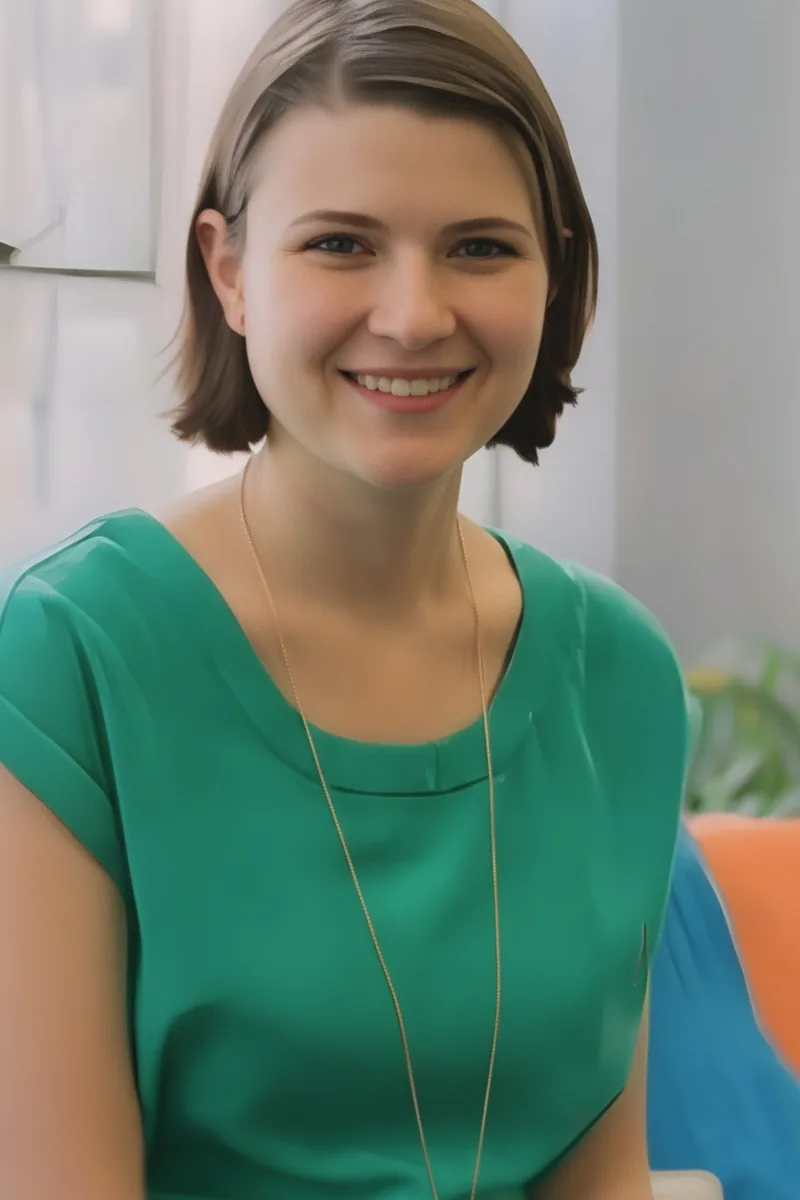
Six months living in Spain didn't just make Rebecca fluent — it gave her the cultural immersion to teach students how a Lorca play or a Pardo Bazán story sits within its specific Spanish literary moment, not just on a reading list. Her English and Philosophy degrees from Notre Dame sharpened the close-reading and argumentation skills she now applies to coaching essay construction entirely in Spanish, where building a layered thesis matters more than summarizing plot.
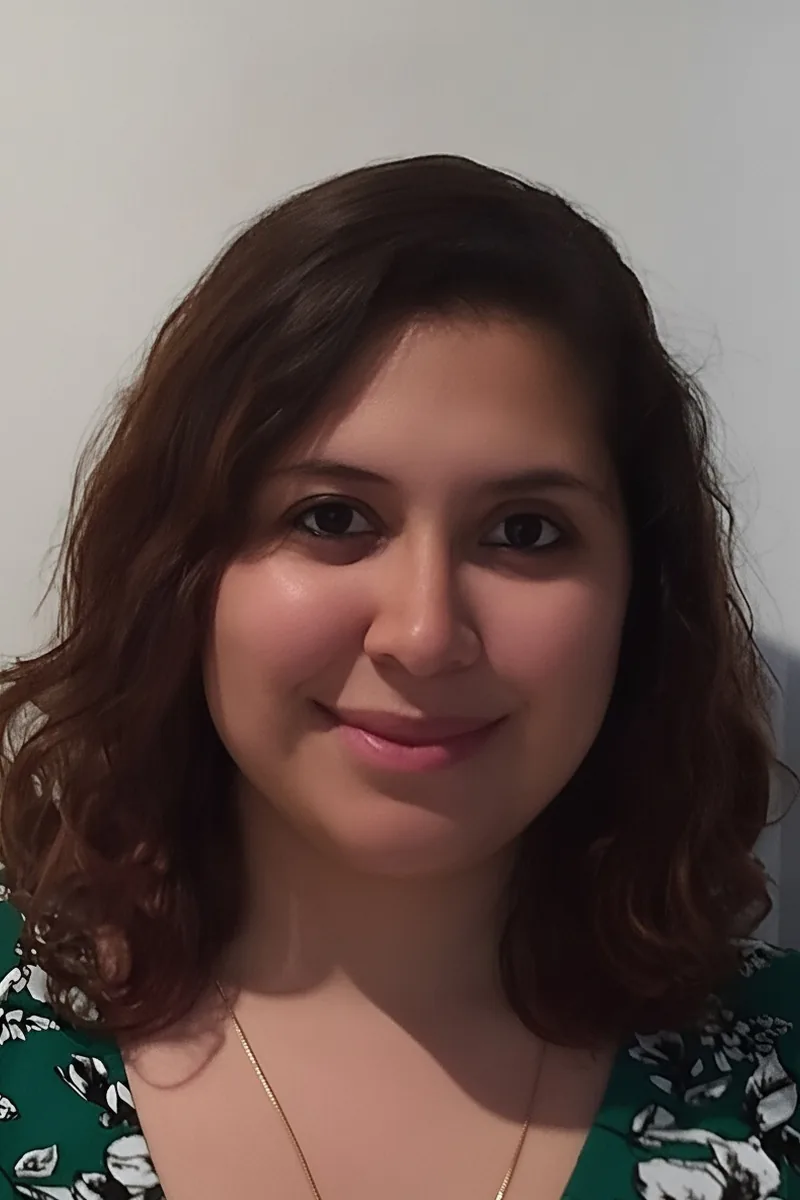
Adriana's biochemistry and history double major at Rice might seem unusual preparation for literary analysis, but dissecting historical arguments and scientific texts in two languages built exactly the kind of rigorous close-reading this exam rewards. Fluent in Spanish and holding a 5.0 tutoring rating, she walks students through the timed analytical essay process — constructing thesis-driven arguments about works on the AP reading list entirely in Spanish, with attention to both literary devices and the cultural contexts behind them.
AP Spanish Literature and Culture asks students to analyze works from Cervantes to García Márquez in the target language — a challenge that demands both literary skill and genuine fluency. Philip is a fluent Spanish speaker who has also tutored the language at Carnegie Mellon for over a year, so he can unpack themes like "las sociedades en contacto" and rhetorical devices without defaulting to English. He teaches students to write analytical commentary in Spanish that earns top marks on the free-response sections.
Fully fluent in Spanish and studying at the University of Chicago, Emerson brings genuine literary analysis skills to AP Spanish Literature and Culture — from unpacking the magical realism in García Márquez to dissecting the poetry of Sor Juana Inés de la Cruz. He teaches students to write the kind of analytical essays the AP exam rewards, connecting themes across literary periods in clear, well-structured Spanish prose.
Reading and writing are Daniela's home base — she's an English major with a 1560 SAT who also tutors across four levels of Spanish, from introductory through AP. For this exam, that combination means she can coach students on the literary analysis and essay-writing mechanics (thesis construction, evidence integration, argumentative flow) while working through the Spanish-language texts on the reading list. Her cross-language fluency keeps sessions grounded in both the literature and the language it's written in.
Growing up as a native Spanish speaker and writer while simultaneously studying English literature and theater at Bowdoin gave Alex an unusual double fluency — literary analysis skills honed in two languages at once, which is precisely what this exam's timed essays in Spanish demand. His graduate work in biology might seem unrelated, but the evolutionary and bioanthropological lens he brings to questions of cultural identity and human experience adds unexpected depth when unpacking themes in reading list works from Quiroga to Allende. Rated 4.8 by students.
Analytical chemistry and Spanish literature sound worlds apart, but Hannahlore's 35 ACT and 5.0 rating reflect the same precise, evidence-driven thinking that timed AP literary essays demand — identifying a pattern in a text and building a structured argument around it, much like interpreting data in a lab. For students who already have strong Spanish language skills and need coaching on the mechanics of constructing a thesis, selecting textual evidence, and writing a coherent analytical essay under time pressure, her systematic approach translates effectively to the free-response format.
Honestly, AP Spanish Literature and Culture isn't Courtney's deepest specialty — her Spanish minor and SAT Spanish Subject Test tutoring give her solid language skills, but this exam's literary canon demands a level of cultural and analytical depth that goes beyond language proficiency alone. For students who need help with the foundational Spanish reading and writing fluency that supports literary analysis, or who want structured practice organizing timed essays, her 34 ACT and 5.0 rating reflect serious analytical chops she can apply to argument construction and textual evidence work.
Growing up schooled in Mexico means Alfonso didn't just learn Spanish — he absorbed the literary and cultural traditions that underpin the AP reading list, from colonial-era texts to modern Latin American prose. His years of formal Spanish-language education give him native-level reading and writing fluency that sharpens how he teaches students to construct analytical essays entirely in Spanish, grounding arguments in the cultural contexts he experienced firsthand.
Living and traveling in Spanish-speaking countries while pursuing Latin American Studies at Wesleyan gave Reta firsthand immersion in the cultural movements — from colonial legacies to contemporary identity politics — that run through the AP reading list. She's taken both the AP Spanish Language and Literature exams herself and spent a semester tutoring a high school student one-on-one, so she knows where the gap between reading comprehension and genuine literary analysis tends to open up. Her government coursework also sharpens how she teaches students to read texts as arguments about power and society, which strengthens thematic essay writing.
Medical school and AP Spanish Literature don't obviously connect — but Arianna's behavioral neuroscience degree with a Spanish minor means she spent years reading and writing analytically in Spanish while also studying how people process language and narrative. That combination sharpens how she teaches students to construct timed literary essays, particularly when unpacking character psychology and identity themes in works across the AP reading list. Rated 5.0 by students.
Pre-med and AP Spanish Literature don't seem like natural companions, but Franshesca's coursework across all levels of Spanish — from introductory through AP — means she's built the language proficiency needed to read and discuss reading list texts in Spanish. Her science-trained habit of methodical analysis carries over surprisingly well to breaking down how a poet structures an argument or how a narrator's choices reveal theme, and she coaches students on organizing timed essays with that same precision. Rated 4.8 by students.
Testimonials
Because the right AP Spanish Literature and Culture tutor makes all the difference.
Average Session Rating – Based on 3.4M Learner Ratings
Nearby AP Spanish Literature and Culture Tutors
Other Bakersfield Tutors
Related Languages Tutors in Bakersfield
Frequently Asked Questions
AP Spanish Literature and Culture focuses on reading, analyzing, and discussing Spanish and Latin American literary texts across six thematic units: Family and Community, Personal and Public Identities, Folklore, Legends, and Mythology, Customs and Traditions, Conflicts and Challenges, and Advancement and Decline. Students develop skills in close reading, textual analysis, and cultural interpretation while building vocabulary and understanding regional variations in Spanish.
The exam consists of two sections: Section I includes multiple-choice questions based on reading passages and audio clips (approximately 50% of your score), while Section II features free-response questions including short-answer responses, essays, and spoken responses (approximately 50% of your score). The entire exam takes about 3 hours and tests your ability to understand, analyze, and communicate about Spanish literature and cultural contexts.
Many students struggle with understanding complex literary devices and cultural references in authentic Spanish texts, managing time during the reading section with dense passages, and expressing analytical thoughts clearly in Spanish during the free-response portion. Additionally, students often find it challenging to distinguish between different regional dialects and literary styles, especially when encountering unfamiliar authors or historical contexts for the first time.
Personalized 1-on-1 instruction allows tutors to focus on your specific weak areas—whether that's analyzing poetry, understanding narrative techniques, or improving your written and spoken Spanish responses. Expert tutors can provide targeted practice with released AP exam materials, teach you strategic approaches to tackling different question types, and help you build confidence in discussing literature in Spanish at an advanced level.
Score improvement depends on your starting point and how consistently you engage with tutoring and practice. Students who work with tutors typically see meaningful gains by focusing on their weakest sections—whether that's close reading comprehension, essay writing, or oral expression. Many students improve by one full point on the 1-5 AP scale within 2-3 months of regular, focused preparation, though individual results vary based on your baseline skills and study commitment.
Your first session will focus on understanding your current level, identifying your strengths and areas for improvement, and establishing a personalized study plan. The tutor will likely assess your reading comprehension with sample passages, discuss your comfort level with different literary genres, and talk about your goals for the exam. This foundation helps ensure your tutoring sessions are tailored to your specific needs and timeline.
Most students benefit from beginning serious AP preparation 3-4 months before the exam in May, dedicating 5-8 hours per week to studying and practice. This timeline allows you to work through all six thematic units, complete multiple full-length practice exams, and refine your test-taking strategies. If you're starting closer to the exam date, more intensive weekly hours with a tutor can help you focus on high-impact areas and maximize your score.
Varsity Tutors connects you with expert tutors in Bakersfield who specialize in AP Spanish Literature and Culture and understand the specific demands of the exam. You can get matched with a tutor who fits your schedule and learning style, whether you prefer to meet for sessions focused on literary analysis, exam strategies, or comprehensive test prep. The matching process ensures you work with someone qualified to help you achieve your AP goals.
Let’s find your perfect tutor
Answer a few quick questions. We’ll recommend the right plan and match you with a top 5% tutor.