Award-Winning AP Spanish Literature and Culture Tutors
serving San Jose, CA
AP Spanish Literature and Culture
Tutors in San Jose
Private 1-on-1 tutoring, weekly live classes for academic support, test prep & enrichment, practice tests and diagnostics, and more to elevate grades and test scores.
Based on 3.4M Learner Ratings
UniversitiesSchools & Universities
DeliveredHours Delivered
ProficiencyGrowth in Proficiency
Who needs tutoring?
No obligation. Takes ~1 minute.
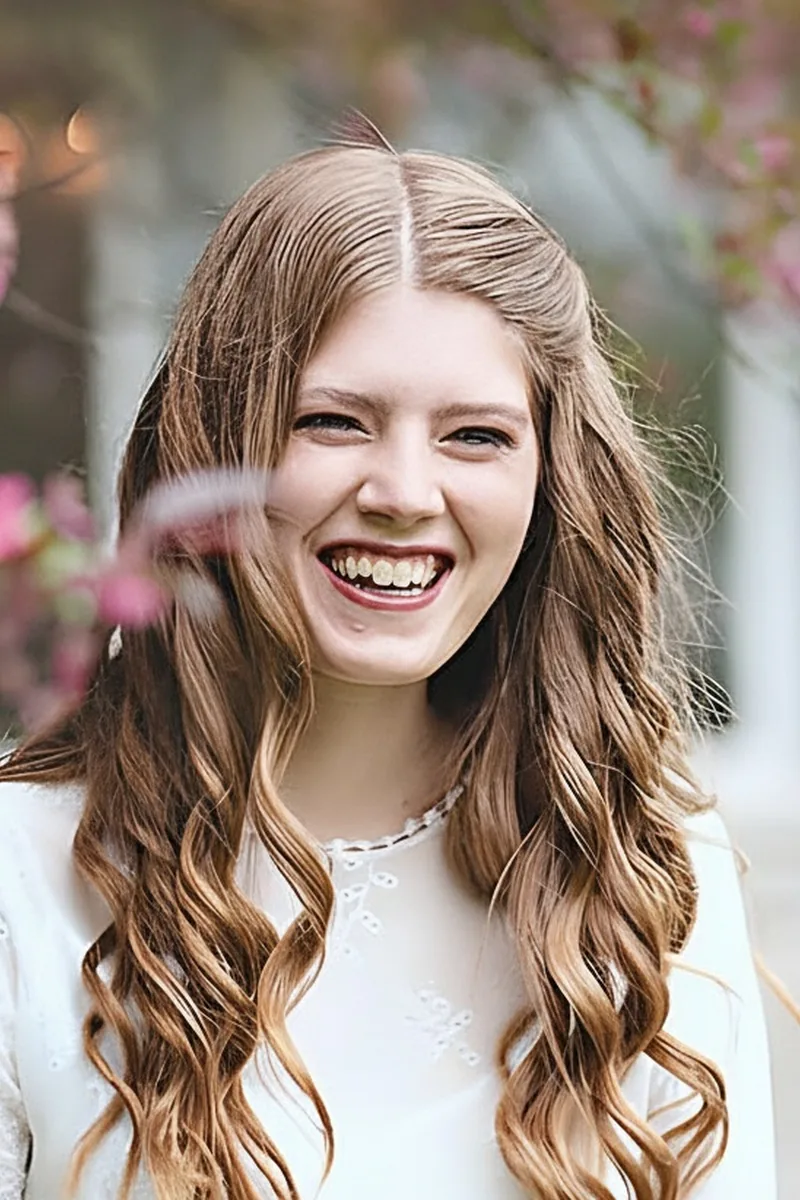
Double-majoring in English and Spanish at Butler — with a history minor and honors program work — meant Darby spent four years reading literature through both linguistic and cultural lenses simultaneously, a habit that translates directly to analyzing AP reading list texts where literary movements cross national and language boundaries. She teaches essay construction in Spanish with a creative writer's attention to how an author's formal choices (imagery, tone, narrative voice) carry argumentative weight in timed free-response writing. Rated 5.0 by students.
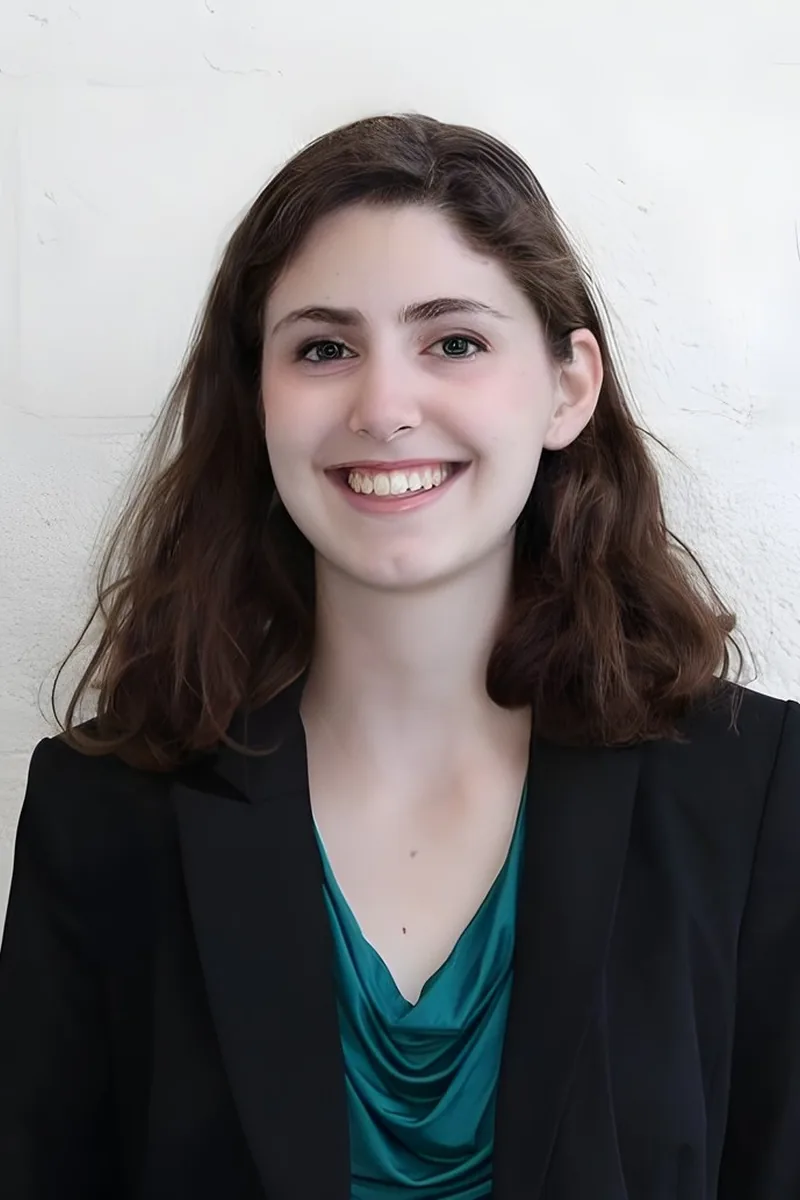
Studying psychology alongside Spanish through AP-level coursework gives Marissa a particular angle on the reading list's most character-driven texts — she's sharp at teaching students how to articulate a character's internal conflict or a poet's emotional logic in timed analytical essays written entirely in Spanish. Her 35 ACT reflects the kind of disciplined, evidence-based reasoning she brings to constructing thesis statements and weaving in textual support under exam pressure.
Margaret's psychology training gives her a specific angle on AP reading list texts — she teaches students to analyze how authors construct identity, trauma, and power dynamics in works by Burgos, Quiroga, and others, building the kind of psychologically grounded arguments that stand out in timed free-response essays. Her Spanish coursework through AP-level and her 1550 SAT sharpen the analytical reading and structured writing skills the exam demands, even if literature isn't her primary lane.
Living and traveling in Spanish-speaking countries while pursuing Latin American Studies at Wesleyan gave Reta firsthand immersion in the cultural movements — from colonial legacies to contemporary identity politics — that run through the AP reading list. She's taken both the AP Spanish Language and Literature exams herself and spent a semester tutoring a high school student one-on-one, so she knows where the gap between reading comprehension and genuine literary analysis tends to open up. Her government coursework also sharpens how she teaches students to read texts as arguments about power and society, which strengthens thematic essay writing.
Having double-majored in Spanish at Washington University, Megan brings deep literary fluency to AP Spanish Literature and Culture — from close reading of García Márquez's magical realism to analyzing the cultural context behind Sor Juana's poetry. She walks students through the essay and presentational speaking rubrics so they know exactly what earns top scores on exam day.
Four years of TA'ing Spanish at Dartmouth using the Rassias method — an approach built around verb structure, syntax, and pronunciation drills — gave Elise an instinct for how language mechanics shape literary meaning, which is exactly what the AP exam's analytical essays reward. Her Comparative Literature degree with a Spanish concentration means she's trained to read across traditions and trace how formal choices in a Sor Juana sonnet or a Rulfo story carry thematic weight. Rated 5.0 by students.
Growing up as a native Spanish speaker and writer while simultaneously studying English literature and theater at Bowdoin gave Alex an unusual double fluency — literary analysis skills honed in two languages at once, which is precisely what this exam's timed essays in Spanish demand. His graduate work in biology might seem unrelated, but the evolutionary and bioanthropological lens he brings to questions of cultural identity and human experience adds unexpected depth when unpacking themes in reading list works from Quiroga to Allende. Rated 4.8 by students.
Courtney earned her Master's in Hispanic and Latin American Languages alongside a BA in Spanish and Iberian Studies — meaning the literary periods, genres, and cultural movements on the AP reading list aren't exam prep material for her, they're the core of her academic training. She teaches students to build analytical essays in Spanish that connect a text's formal choices to the broader tradition it belongs to, whether that's tracing magical realism's roots in a passage or identifying how a Golden Age sonnet's structure reinforces its argument.
Studying Latin American Studies at Columbia alongside her American Studies major, Grace reads and analyzes Spanish-language literature at the university level daily. She unpacks the thematic and stylistic demands of the AP exam — from close reading García Márquez's magical realism to writing persuasive literary analysis essays in Spanish — with the cultural context that the rubric rewards.
This isn't Vivian's core subject — her strengths center on standardized test prep and English — but her 36 ACT and 4.9 rating speak to the analytical rigor she brings to any text-based exam. For students who already have solid Spanish fluency and need help with the structural side of timed literary essays (building a thesis, organizing evidence, writing under pressure), her test-taking instincts translate well to the AP free-response format.
Iris's University of Chicago training in History and Philosophy of Science taught her to trace how ideas move across cultures and time periods — a skill that translates directly to the AP exam's thematic units, where students must connect a Borges story or a Sor Juana poem to broader cultural movements like "las sociedades en contacto" or "el tiempo y el espacio." Her anthropology background adds a layer most Spanish lit tutors lack: she reads texts for the cultural systems embedded in them, which strengthens the kind of contextualized argumentation the free-response essays demand.
Honest assessment: AP Spanish Literature and Culture isn't Morgan's wheelhouse — her strengths are English literature, writing, and standardized test prep (she scored a 34 ACT and holds a 5.0 rating). That said, her English degree at Washington University in St. Louis means she lives inside literary analysis daily, and for students who already have strong Spanish fluency but struggle with essay structure — building a thesis, integrating textual evidence, constructing an argument under time pressure — those skills transfer directly to the AP free-response format.
Testimonials
Because the right AP Spanish Literature and Culture tutor makes all the difference.
Average Session Rating – Based on 3.4M Learner Ratings
Nearby AP Spanish Literature and Culture Tutors
Other San Jose Tutors
Related Languages Tutors in San Jose
Frequently Asked Questions
AP Spanish Literature and Culture focuses on reading, analyzing, and discussing Spanish-language literary texts from Spain and Latin America. The course covers six thematic units: family and community, personal and public identities, beauty and aesthetics, science and technology, contemporary life, and global challenges. Students engage with poetry, drama, novels, and essays while developing advanced vocabulary, cultural understanding, and critical analysis skills needed for the AP exam.
The exam consists of two sections: a multiple-choice section (50% of score) with reading comprehension passages, and a free-response section (50% of score) featuring essay writing and spoken responses. The multiple-choice portion tests your ability to understand nuanced literary language and cultural context, while the free-response section requires you to analyze texts, compare works, and express sophisticated ideas in Spanish. Time management is critical—you'll have limited minutes per section, so familiarity with question formats and pacing strategies makes a significant difference in performance.
Many students struggle with the density of literary vocabulary and archaic language used in classic texts, especially when analyzing poetry or older works. Another common challenge is distinguishing between literal meaning and deeper thematic or cultural significance—the exam rewards critical thinking beyond surface-level comprehension. Additionally, time pressure during the free-response section can make it difficult to organize complex thoughts in Spanish, and students often underestimate how much cultural context (historical periods, regional differences, social movements) influences interpretation of texts.
Most students benefit from 3-4 months of focused preparation, though this varies based on your starting Spanish proficiency level. If you're already comfortable with conversational Spanish, you can concentrate on literary analysis skills and test-taking strategies. If you need to strengthen foundational vocabulary or grammar, plan for longer preparation. Regular practice with authentic texts, timed practice exams, and targeted review of weak areas—whether that's poetry analysis, essay structure, or specific vocabulary themes—helps you build confidence and identify exactly where to focus your efforts.
Varsity Tutors connects you with tutors who specialize in AP Spanish Literature and Culture for students in San Jose. When you reach out, you can specify your goals—whether you're aiming for a 4, 5, or just looking to improve from your current level—and we match you with a tutor experienced in both Spanish literature and AP exam preparation. The right tutor will tailor sessions to your specific challenges, whether that's mastering poetic devices, improving essay writing, or building test-taking confidence.
Your first session is typically an assessment and goal-setting conversation. The tutor will discuss your current Spanish level, which texts or topics feel most challenging, and what score you're targeting. They may review a practice essay or discuss a literary passage to understand your analytical approach and identify specific areas for improvement. From there, they'll create a personalized study plan that prioritizes your biggest gaps—whether that's close reading strategies, cultural context, essay organization, or managing test anxiety—and establish a schedule that aligns with your AP exam date.
Score improvement depends on your starting point and how consistently you engage with tutoring and practice. Students who work with a tutor for 2-3 months, complete regular practice essays, and review feedback typically see meaningful gains—often 1-2 points on the 1-5 scale. The most significant improvements come from targeted work on your specific weaknesses: if essay writing is holding you back, focused instruction on thesis development and evidence integration can have immediate impact. Consistency matters more than intensity; regular sessions with active practice between meetings yield better results than cramming.
Practice tests are most valuable when used strategically—take full-length exams under timed conditions to simulate test day, then review every question you missed to understand why. For essays, write regularly (ideally weekly) on different thematic topics, and have your tutor provide detailed feedback on structure, argument clarity, and language use. Don't just review answers passively; analyze patterns in your mistakes. Are you misinterpreting questions? Struggling with time management? Weak on cultural references? Once you identify patterns, you can target those specific skills in focused practice sessions rather than repeating the same mistakes.
Let’s find your perfect tutor
Answer a few quick questions. We’ll recommend the right plan and match you with a top 5% tutor.