Award-Winning AP Spanish Literature and Culture Tutors
serving Riverside, CA
AP Spanish Literature and Culture
Tutors in Riverside
Private 1-on-1 tutoring, weekly live classes for academic support, test prep & enrichment, practice tests and diagnostics, and more to elevate grades and test scores.
Based on 3.4M Learner Ratings
UniversitiesSchools & Universities
DeliveredHours Delivered
ProficiencyGrowth in Proficiency
Who needs tutoring?
No obligation. Takes ~1 minute.
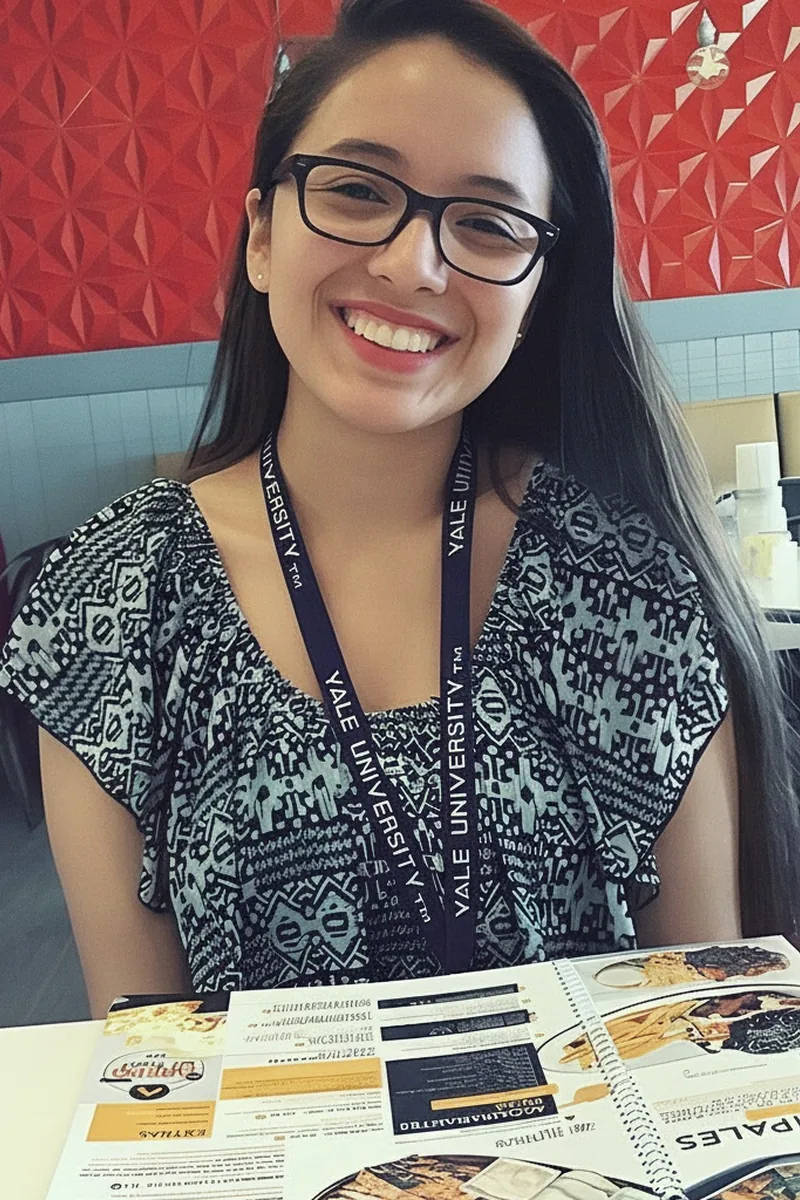
As a native Spanish speaker studying at Yale, Stephanie brings both cultural fluency and literary analysis skills to AP Spanish Literature and Culture — from close readings of García Márquez and Sor Juana to writing persuasive essays in Spanish about themes like "las sociedades en contacto." Her IB Diploma background means she's intimately familiar with the kind of rigorous textual analysis the AP exam demands. Rated 5.0 by students.

Pre-med and AP Spanish Literature don't seem like natural companions, but Franshesca's coursework across all levels of Spanish — from introductory through AP — means she's built the language proficiency needed to read and discuss reading list texts in Spanish. Her science-trained habit of methodical analysis carries over surprisingly well to breaking down how a poet structures an argument or how a narrator's choices reveal theme, and she coaches students on organizing timed essays with that same precision. Rated 4.8 by students.
Honest assessment: AP Spanish Literature and Culture isn't Morgan's wheelhouse — her strengths are English literature, writing, and standardized test prep (she scored a 34 ACT and holds a 5.0 rating). That said, her English degree at Washington University in St. Louis means she lives inside literary analysis daily, and for students who already have strong Spanish fluency but struggle with essay structure — building a thesis, integrating textual evidence, constructing an argument under time pressure — those skills transfer directly to the AP free-response format.
Analytical chemistry and Spanish literature sound worlds apart, but Hannahlore's 35 ACT and 5.0 rating reflect the same precise, evidence-driven thinking that timed AP literary essays demand — identifying a pattern in a text and building a structured argument around it, much like interpreting data in a lab. For students who already have strong Spanish language skills and need coaching on the mechanics of constructing a thesis, selecting textual evidence, and writing a coherent analytical essay under time pressure, her systematic approach translates effectively to the free-response format.
Three years as a Peace Corps volunteer in the Dominican Republic and time teaching at a bilingual school in Costa Rica gave Courtney the kind of lived Spanish fluency that comes from daily immersion — not just classroom study. That real-world grounding in Caribbean and Latin American culture adds context when she walks students through reading list works where themes of colonialism, identity, and societal contact demand more than textbook definitions to unpack in a timed essay.
Growing up schooled in Mexico means Alfonso didn't just learn Spanish — he absorbed the literary and cultural traditions that underpin the AP reading list, from colonial-era texts to modern Latin American prose. His years of formal Spanish-language education give him native-level reading and writing fluency that sharpens how he teaches students to construct analytical essays entirely in Spanish, grounding arguments in the cultural contexts he experienced firsthand.
Molecular biology and literary analysis share more than people think — both require pulling apart complex structures to understand how smaller components create meaning. Alana's science training sharpens how she teaches students to dissect a passage's formal choices, and her Spanish coursework through AP-level literature means she can coach essay construction and textual analysis in the target language. Rated 5.0 by students.
Before college, Heather's high school Spanish teacher trusted her enough to refer another student to her for one-on-one tutoring — the kind of endorsement that speaks to genuine command of the language beyond classroom basics. Her psychology training adds a useful angle for AP Literature essays where character motivation and identity themes drive the analysis, and she brings patient, structured coaching to students who get overwhelmed by timed writing in Spanish. Rated 5.0 by students.
Studying Latin American Studies at Columbia alongside her American Studies major, Grace reads and analyzes Spanish-language literature at the university level daily. She unpacks the thematic and stylistic demands of the AP exam — from close reading García Márquez's magical realism to writing persuasive literary analysis essays in Spanish — with the cultural context that the rubric rewards.
Elliot's training is in neuroscience and cognitive science, not Spanish literature — so this is a peripheral subject for him. That said, his PhD-level analytical skills and experience teaching writing and essay construction mean he can coach students on the structural mechanics of timed literary essays: building a thesis, organizing textual evidence, and arguing a point clearly under pressure.
Currently pursuing a graduate degree in Spanish & Portuguese Languages & Cultures while holding a BA in Spanish and French, Mia lives inside the literary and cultural traditions this exam covers — she's not just reviewing the reading list, she's actively studying the broader canon it draws from. That depth means she can teach students how a work's grammar and syntax choices carry meaning, turning close-reading instincts into the kind of thesis-driven essays the free-response section rewards. Rated 5.0 by students.
Political science and law school prep might seem far from the AP reading list, but Diana's training in constructing tight, evidence-based arguments translates directly to the exam's free-response essays — where a well-structured thesis about a Borges story or a Sor Juana poem matters as much as Spanish fluency. Her background in Latin and AP Spanish coursework gives her the linguistic foundation to coach students through close reading and essay drafting in Spanish, especially on the argumentative structure that separates mid-range scores from top ones.
Testimonials
Because the right AP Spanish Literature and Culture tutor makes all the difference.
Average Session Rating – Based on 3.4M Learner Ratings
Nearby AP Spanish Literature and Culture Tutors
Other Riverside Tutors
Related Languages Tutors in Riverside
Frequently Asked Questions
The AP Spanish Literature and Culture exam tests your ability to read, analyze, and discuss Spanish-language literature across multiple genres and time periods. The exam includes multiple-choice questions on reading comprehension, free-response essays analyzing literary texts, and spoken responses about cultural topics. You'll encounter poetry, prose, drama, and essays from Spain and Latin America, requiring both deep textual analysis and cultural context understanding.
Many students struggle with the speed and complexity of reading authentic literary texts in Spanish, especially when encountering unfamiliar vocabulary or dense prose. The free-response essays require not just language proficiency but sophisticated literary analysis skills—connecting themes, identifying literary devices, and supporting arguments with textual evidence. Time management during the exam is another major challenge, as students must balance careful reading with completing all sections within the allocated time.
Varsity Tutors connects you with expert tutors who can help you develop efficient reading strategies for complex texts, strengthen your literary analysis skills, and practice essay writing with detailed feedback. A tutor can identify your specific weak areas—whether that's vocabulary, understanding figurative language, or organizing your thoughts under timed conditions—and create a focused study plan. Regular practice with real AP exam materials, combined with one-on-one guidance on test-taking strategies, builds both competence and confidence.
Score improvement depends on your starting point and commitment level, but students who work consistently with a tutor typically see meaningful gains within 8-12 weeks of focused preparation. If you're struggling with basic comprehension, you might jump several score points by improving reading speed and vocabulary. If you're already scoring well, a tutor can help you refine essay structure and literary analysis to push toward a 4 or 5—the difference often comes down to precision and depth rather than starting from scratch.
Your first session focuses on assessment and planning. The tutor will gauge your current reading comprehension level, writing skills, and familiarity with the AP exam format. You'll discuss your goals—whether you're aiming for a 3, 4, or 5—and identify your biggest challenges, whether that's analyzing poetry, writing timed essays, or managing test anxiety. From there, the tutor creates a personalized study roadmap tailored to your needs and timeline before the exam.
Practice tests should be used strategically: take full-length, timed practice exams every 2-3 weeks to track progress and build stamina, but also use individual sections for targeted practice on weaker areas. Your tutor can help you analyze which question types trip you up—perhaps certain literary devices, specific time periods, or essay prompts—and drill those skills separately before attempting full tests again. The key is reviewing every practice test carefully to understand not just what you missed, but why, so you don't repeat the same mistakes.
The exam title includes "Culture" because understanding the historical, social, and cultural context behind a literary work is essential to analyzing it deeply. A poem's meaning shifts when you know the author's time period, political climate, or personal circumstances. The free-response questions specifically ask you to connect texts to cultural themes, so you can't just analyze language in isolation—you need to explain how the literature reflects or responds to its cultural moment. This is where many students lose points, and where focused tutoring can make a real difference.
Riverside's 110 schools across 7 districts serve nearly 78,000 students, and many high schools offer AP Spanish programs with access to exam prep materials and study groups. However, personalized tutoring gives you advantages that classroom instruction alone can't match—one-on-one feedback on your essays, customized pacing based on your needs, and targeted help on your specific weak areas. Varsity Tutors connects you with expert tutors for students in Riverside who understand the AP curriculum and can provide the individualized attention that accelerates your progress.
Let’s find your perfect tutor
Answer a few quick questions. We’ll recommend the right plan and match you with a top 5% tutor.