Award-Winning Python Tutors
serving Tucson, AZ
Python
Tutors in Tucson
Private 1-on-1 tutoring, weekly live classes for academic support, test prep & enrichment, practice tests and diagnostics, and more to elevate grades and test scores.
Based on 3.4M Learner Ratings
UniversitiesSchools & Universities
DeliveredHours Delivered
ProficiencyGrowth in Proficiency
Who needs tutoring?
No obligation. Takes ~1 minute.
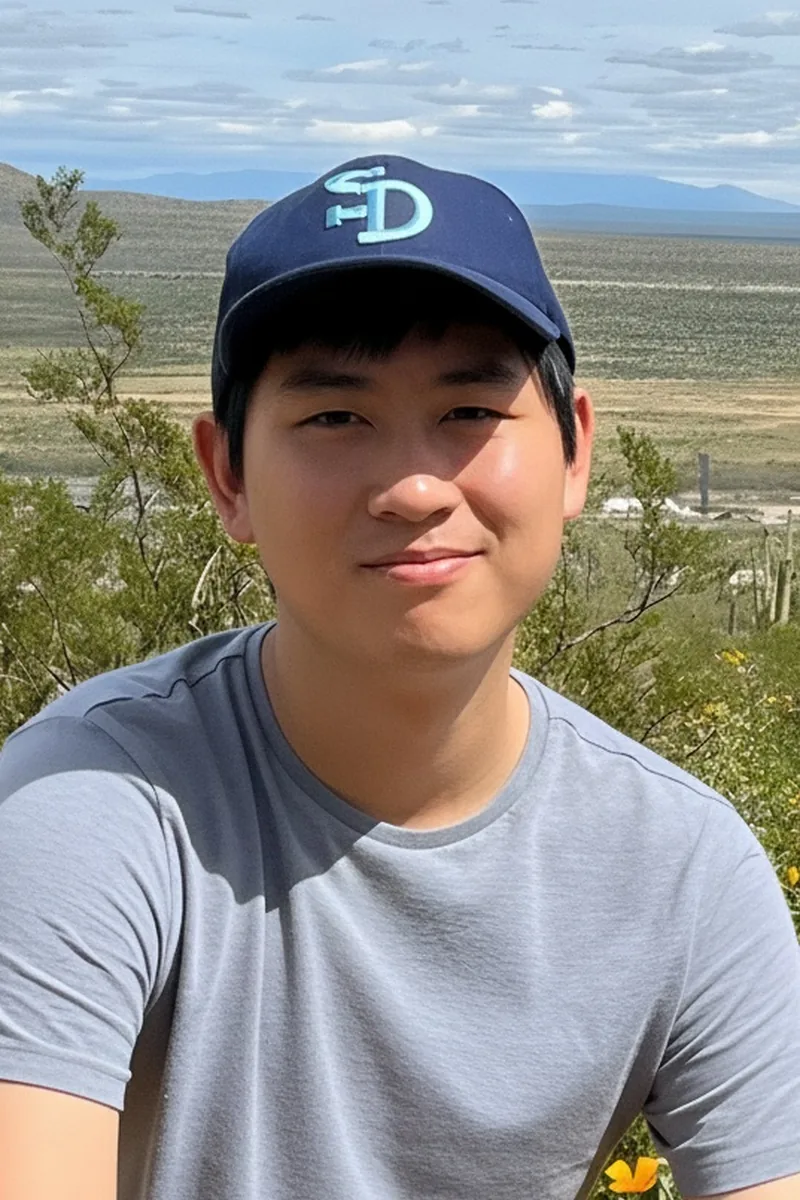
I am a graduate student currently working on my Master's Degree in Big Data Systems.
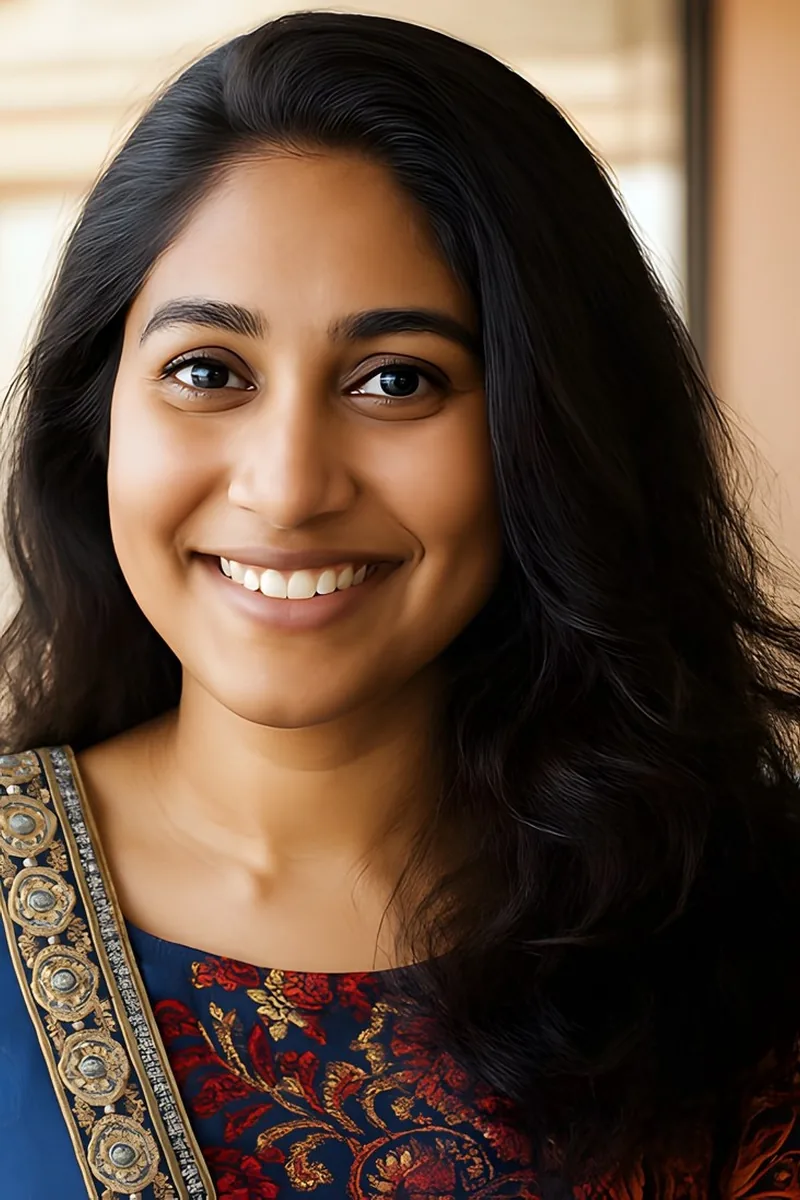
Python's readable syntax makes it a great first language, but students still stumble on list comprehensions, dictionary manipulation, and the jump from scripts to functions and classes. Mehek approaches each of these by writing live code alongside students, letting them predict output before running it — a technique that builds genuine intuition. Her CS degree and experience across multiple languages give her the depth to explain not just how Python works, but why it was designed that way.
Python's readability makes it a great first language, but students still stumble on list comprehensions, scope rules, and debugging recursive functions. Ayushi uses Python extensively in her computer science research and coursework at Arizona State, so she can teach not just syntax but Pythonic thinking — writing clean, efficient code that leverages the language's strengths. She walks through problems interactively, building solutions line by line so each decision is transparent.
Gabriel's computer science studies at Penn give him daily fluency in Python, from writing clean functions and loops to working with libraries like pandas for data analysis. He walks beginners through debugging line by line so they learn to read error messages instead of fearing them.
From list comprehensions to object-oriented class design, Brian teaches Python with an emphasis on writing clean, efficient code — not just code that runs. His Caltech CS background included heavy use of Python for data analysis and algorithm implementation, which means he can adapt sessions to whatever a student needs: introductory scripting, NumPy workflows, or preparing for technical interviews.
From list comprehensions to class hierarchies to libraries like NumPy and pandas, Vincent covers Python at every level — whether a student is writing their first loop or building a machine learning pipeline. His computational science background at MIT means he doesn't just teach syntax; he connects each concept to practical problems in data analysis, automation, and algorithm design.
Studying Computer Science at Carleton College means Meagen writes Python regularly — not just toy scripts, but projects involving data structures, algorithms, and object-oriented design. She explains concepts like loops, conditionals, and functions by connecting the logic to what the code actually does step by step, which makes debugging feel less mysterious.
Python's readability makes it a great first language, but students still get tripped up by list comprehensions, function scope, and debugging logic errors they can't see. Samantha uses her analytical training from Princeton's psychology and math curriculum to teach students how to trace through code systematically rather than guessing at fixes.
As a statistics graduate student, Evan writes Python daily — building data pipelines, running simulations, and using libraries like pandas and NumPy for real analysis. He teaches programming the way he learned it: by solving actual problems, so students understand not just syntax but why specific data structures and control flows matter.
Python's readability makes it a great first language, but students still get tripped up by list comprehensions, scope rules, and debugging logic errors they can't see. Joshua's application-oriented programming background means he teaches Python the way developers actually use it — writing clean, functional code and learning to read error messages like a roadmap.
Python's readability makes it the go-to first language, but that simplicity hides real depth — list comprehensions, generators, decorators, and object-oriented design all trip up students who learned syntax without learning structure. Brandon uses Python daily in his AI and machine learning research at RIT and breaks down these intermediate concepts by building small, working projects rather than abstract exercises.
Bioinformatics at Stanford meant writing Python daily — parsing genomic datasets, automating lab analyses, and building scripts to visualize biological data. Matthew teaches Python fundamentals like loops, functions, and data structures through real problem-solving rather than abstract exercises. Students who want to see what coding looks like in a scientific or data-driven context get a tutor who's lived that workflow.
TA'ing college-level computer science courses at MIT and Georgia Tech gave Isabella a clear picture of where students stumble in Python — from misunderstanding how mutable default arguments behave to writing tangled spaghetti code when a clean function would do. Her operations research background means she teaches Python as a tool for solving optimization and decision-making problems, not just passing intro assignments. Rated 5.0 by students.
Python's readability makes it a great first language, but students still stumble on list comprehensions, scope rules, and debugging recursive functions. Anna teaches Python by connecting each concept to a concrete use case — data manipulation with dictionaries, file I/O, or building small projects that make abstract syntax feel purposeful. Her interdisciplinary background in neuroscience and CS means she's comfortable whether the course leans scientific computing or software development.
As experienced and passionated educator with a Bachelor's degree in Computer Science from Rice University, I am passionate about empowering students to achieve their academic goals. With over 3 years of tutoring experience in subjects such as AP Computer Science A, Machine Learning, and SAT Math, I adapt to different learning styles and create a supportive learning environment. My teaching philosophy centers on personalized instruction, where I connect with each student to understand their unique learning styles and challenges. I take pride in guiding students through the complexities of computer science and college application essays, equipping them with the skills they need for future success. Outside of tutoring, I enjoy exploring new technologies and engaging in coding projects to improve my teaching approach.
Testimonials
Because the right Python tutor makes all the difference.
Average Session Rating – Based on 3.4M Learner Ratings
Other Tucson Tutors
Related Technology and Coding Tutors in Tucson
Frequently Asked Questions
Your first session is about understanding your goals and current skill level. A tutor will discuss what you want to build—whether that's web applications, data analysis, or game development—and assess your familiarity with programming concepts. From there, they'll create a personalized plan that matches your pace and learning style, so you're not just memorizing syntax but actually understanding how Python works.
Debugging is one of the most valuable skills a tutor can teach you. Rather than just fixing errors for you, tutors help you develop a systematic approach to reading error messages, isolating problems, and testing solutions. This hands-on code review process teaches you to think like a programmer—recognizing patterns in errors and building confidence to solve problems independently.
Syntax is the rules of writing Python code—knowing that a list uses square brackets or that a function needs a colon. Logic is understanding *why* you'd use a loop instead of writing repetitive code, or how to break a complex problem into smaller steps. A good tutor focuses on logic first, because once you understand the thinking, syntax becomes easy to look up. Many Tucson students struggle with logic because it requires practice with real problems, not just reading tutorials.
Absolutely—project-based learning is one of the most effective ways to develop Python skills. Whether you want to build a web app, analyze data, create a game, or automate tasks, a tutor can guide you through the entire process: planning the project, writing code, testing it, and refactoring for better performance. This approach teaches you how professional developers actually work, not just isolated coding exercises.
Data structures (lists, dictionaries, sets) and algorithms are abstract concepts that benefit hugely from hands-on explanation. Tutors break these down with visual examples and real-world applications—showing you why a dictionary is faster than a list for lookups, or how sorting algorithms actually work. With practice problems and code walkthroughs, you'll develop the algorithmic thinking that makes you a stronger programmer overall.
Yes—the libraries, projects, and focus areas differ significantly. A tutor can tailor your learning path to your goals: web developers focus on frameworks like Django or Flask, while data scientists emphasize NumPy and Pandas. Starting with core Python fundamentals is the same either way, but a tutor who understands your direction can choose relevant projects and examples that keep you motivated and building toward real skills.
Python is increasingly common in Arizona high school computer science courses and AP Computer Science Principles. A tutor familiar with Tucson's curriculum can support what you're learning in class while also going deeper into problem-solving and project work. Whether you need help keeping up, preparing for the AP exam, or exploring Python beyond your coursework, personalized tutoring fills gaps that classroom instruction alone can't address.
Look for someone with real programming experience—not just teaching credentials. Ideally, they've built projects in Python, understand different applications (web, data, automation), and can explain concepts clearly without overwhelming you with jargon. They should also be patient with debugging and comfortable adapting their teaching style to how you learn best. Varsity Tutors connects you with tutors who meet these standards and can work with your schedule.
Let’s find your perfect tutor
Answer a few quick questions. We’ll recommend the right plan and match you with a top 5% tutor.