Award-Winning Python Tutors
serving Scottsdale, AZ
Python
Tutors in Scottsdale
Private 1-on-1 tutoring, weekly live classes for academic support, test prep & enrichment, practice tests and diagnostics, and more to elevate grades and test scores.
Based on 3.4M Learner Ratings
UniversitiesSchools & Universities
DeliveredHours Delivered
ProficiencyGrowth in Proficiency
Who needs tutoring?
No obligation. Takes ~1 minute.
I am a graduate student currently working on my Master's Degree in Big Data Systems.
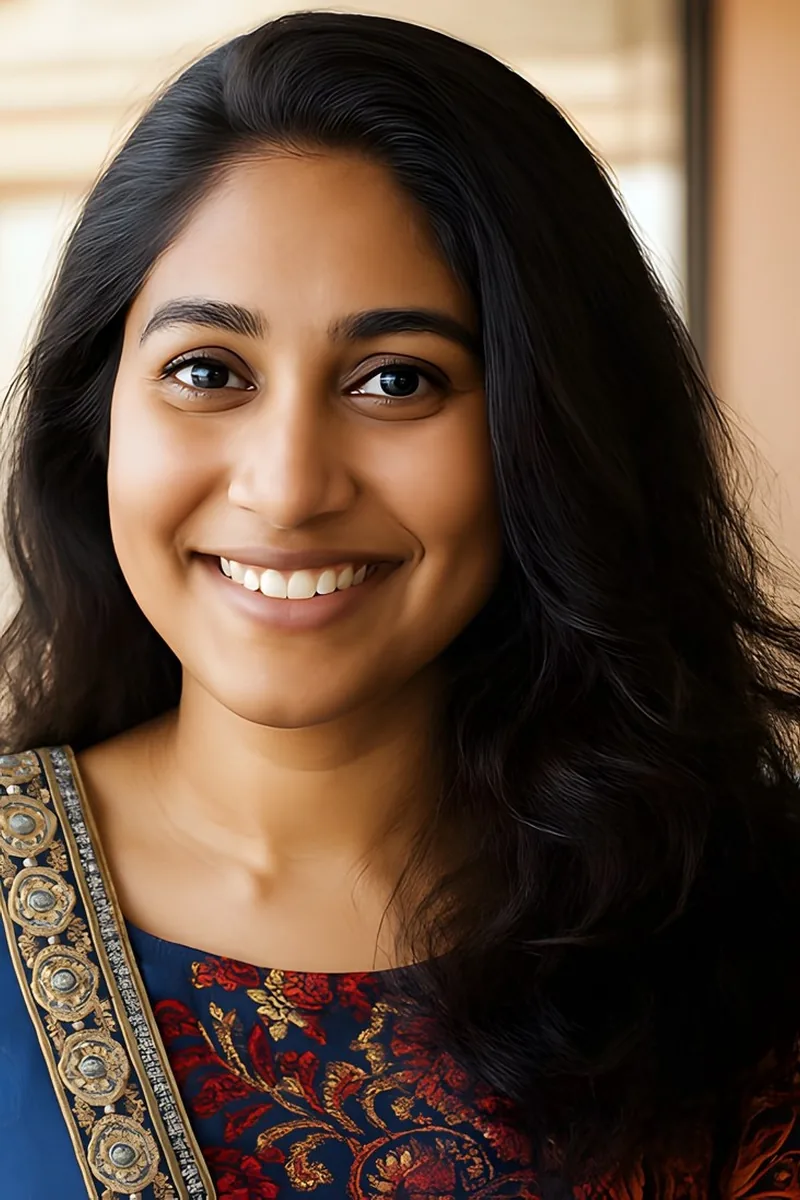
Python's readable syntax makes it a great first language, but students still stumble on list comprehensions, dictionary manipulation, and the jump from scripts to functions and classes. Mehek approaches each of these by writing live code alongside students, letting them predict output before running it — a technique that builds genuine intuition. Her CS degree and experience across multiple languages give her the depth to explain not just how Python works, but why it was designed that way.
Python's readability makes it a great first language, but students still stumble on list comprehensions, scope rules, and debugging recursive functions. Ayushi uses Python extensively in her computer science research and coursework at Arizona State, so she can teach not just syntax but Pythonic thinking — writing clean, efficient code that leverages the language's strengths. She walks through problems interactively, building solutions line by line so each decision is transparent.
Prakash picked up Python as a practical tool during his electrical engineering work — automating calculations, processing data sets, and scripting simulations. That industry context means he teaches loops, functions, and libraries like NumPy not as abstract exercises but as tools for solving real problems, which tends to make syntax and logic click faster for students.
Python's readability makes it a great first language, but students still stumble on list comprehensions, class inheritance, and debugging logic errors they can't see. Daniel writes Python professionally and teaches it with the precision of someone who holds a master's in CS and a bachelor's in applied mathematics. He connects each concept to real use cases — scripting, data manipulation, algorithm implementation — so the syntax sticks.
Whether it's writing a first for-loop or building out a data pipeline with pandas and NumPy, Bryan adapts his Python teaching to what the student actually needs to accomplish. His CS coursework at Penn means he's written Python for everything from web scraping to algorithm design, so he can connect syntax lessons to real projects that make concepts stick.
Annie uses Python daily in her biomedical engineering work at Cornell, from writing scripts to analyze immunotherapy research data to building computational models in MATLAB and Python side by side. She teaches core concepts like loops, functions, data structures, and libraries such as NumPy by connecting them to real problems — not just abstract exercises.
Python's readability makes it a great first language, but students still hit walls with list comprehensions, dictionary manipulation, and debugging runtime errors. Clive tackles these sticking points by writing code live with students, explaining his reasoning at each step so they learn to think like a programmer. His experience spans multiple languages, which means he can contextualize Python's quirks — like dynamic typing and indentation-based scope — in ways that deepen understanding.
TA'ing college-level computer science courses at MIT and Georgia Tech gave Isabella a clear picture of where students stumble in Python — from misunderstanding how mutable default arguments behave to writing tangled spaghetti code when a clean function would do. Her operations research background means she teaches Python as a tool for solving optimization and decision-making problems, not just passing intro assignments. Rated 5.0 by students.
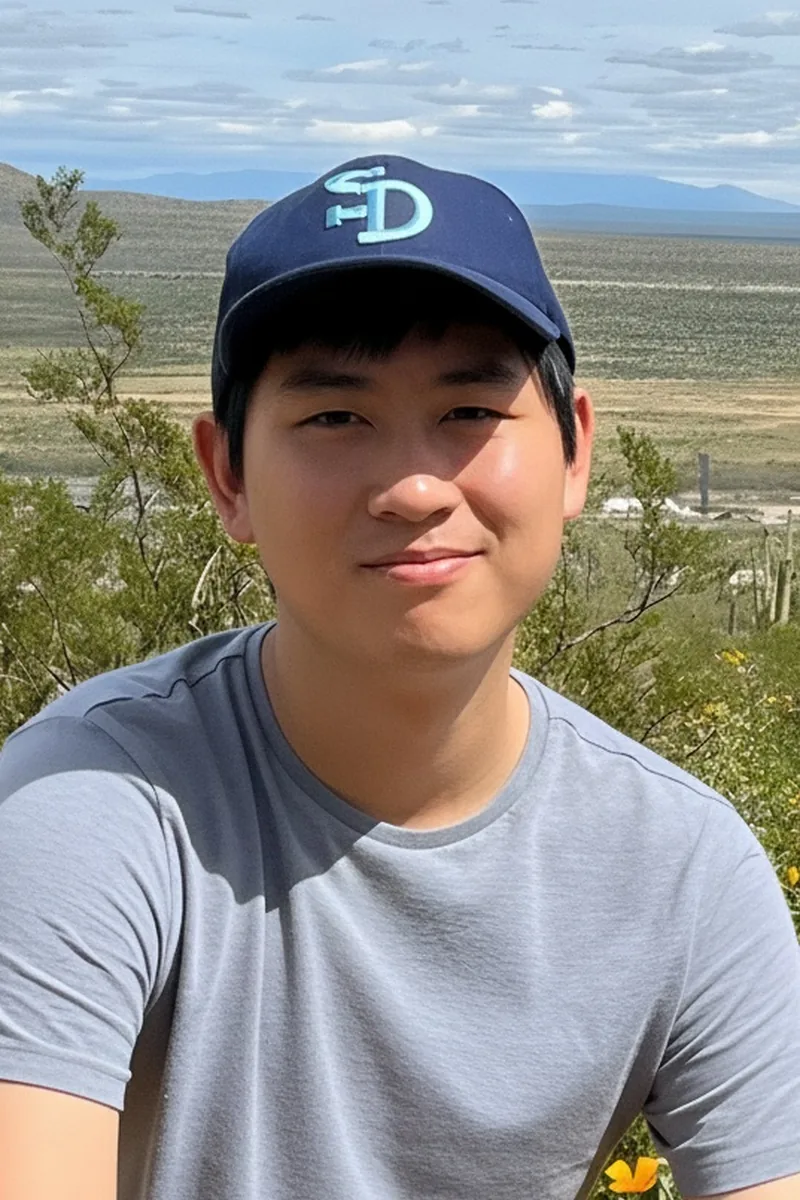
I'm trying to work on personal projects. I really enjoy snowboarding, and have been doing that since the third grade. I also enjoy playing sports and video games.
Bioinformatics at Stanford meant writing Python daily — parsing genomic datasets, automating lab analyses, and building scripts to visualize biological data. Matthew teaches Python fundamentals like loops, functions, and data structures through real problem-solving rather than abstract exercises. Students who want to see what coding looks like in a scientific or data-driven context get a tutor who's lived that workflow.
Dane's double major in Electrical & Computer Engineering and Computer Science at Duke means Python is part of his daily toolkit — from scripting hardware simulations to automating data pipelines across engineering coursework. He teaches students to think like engineers when they code: breaking a problem into small, testable functions before writing a single line, then building up to structured programs that actually solve something. His 35 ACT composite reflects the same methodical problem-solving he brings to debugging and logic design.
Stephanie's computer science degree from MIT means Python isn't just a language she picked up from a tutorial — she understands it from the ground up, from list comprehensions and dictionary manipulation to object-oriented design and algorithmic complexity. Whether a student is writing their first for-loop or debugging a recursive function, she explains the logic behind the syntax so concepts transfer to real projects.
Python's readability makes it a great first language, but students still get tripped up by list comprehensions, scope rules, and debugging logic errors they can't see. Joshua's application-oriented programming background means he teaches Python the way developers actually use it — writing clean, functional code and learning to read error messages like a roadmap.
Tashina picked up Python as a research tool during her PhD in Psychological and Brain Sciences — writing scripts for data cleaning, statistical analysis with pandas and NumPy, and automating repetitive lab tasks. That practical origin means she teaches coding the way she learned it: by building something useful, not just running through syntax exercises.
Testimonials
Because the right Python tutor makes all the difference.
Average Session Rating – Based on 3.4M Learner Ratings
Other Scottsdale Tutors
Related Technology and Coding Tutors in Scottsdale
Frequently Asked Questions
Varsity Tutors matches Scottsdale students with expert Python tutors for 1-on-1 instruction. We pair each student with a tutor based on their specific needs, learning style, and goals.
Whether you need homework help, exam prep, or want to get ahead, our Python tutors are ready to help.
Common challenges include gaps from earlier material, difficulty with specific concepts, and trouble applying learning to new problems. These issues can snowball quickly in Python.
A tutor identifies where you're stuck, fills in gaps, and provides targeted practice. The 1-on-1 format means you get help exactly where you need it.
Tutors work with your student's actual coursework—homework assignments, class notes, and upcoming tests. This keeps tutoring directly relevant to what's happening in the classroom.
When you share information about your student's school and curriculum, we can match you with a tutor who has relevant experience.
All tutors complete background checks, credential verification, and teaching evaluation. Many of our Python tutors hold advanced degrees or have years of teaching experience.
You can review tutor profiles to find someone with the right background for your student's level and needs.
Many students see improved grades within a few weeks, along with better understanding of Python concepts and more confidence tackling challenging material.
Tutors track progress and adjust their approach to ensure continued improvement.
Most students benefit from 1-2 sessions per week. More frequent sessions help if your student is significantly behind or has an important exam coming up.
Your tutor can recommend a schedule based on your student's specific situation and goals.
Tutoring is purchased in packages of hours, with rates varying by tutor experience. Varsity Tutors offers several options to fit different budgets and needs.
You can discuss pricing during your consultation to find what works best.
Your tutor will assess where your student is, discuss goals, and start working on priority areas. Most students bring current homework or upcoming test material to focus on.
By the end, you'll have a clear sense of how the tutor can help and a plan for moving forward.
Let’s find your perfect tutor
Answer a few quick questions. We’ll recommend the right plan and match you with a top 5% tutor.