Award-Winning Python Tutors
serving Phoenix, AZ
Python
Tutors in Phoenix
Private 1-on-1 tutoring, weekly live classes for academic support, test prep & enrichment, practice tests and diagnostics, and more to elevate grades and test scores.
Based on 3.4M Learner Ratings
UniversitiesSchools & Universities
DeliveredHours Delivered
ProficiencyGrowth in Proficiency
Who needs tutoring?
No obligation. Takes ~1 minute.
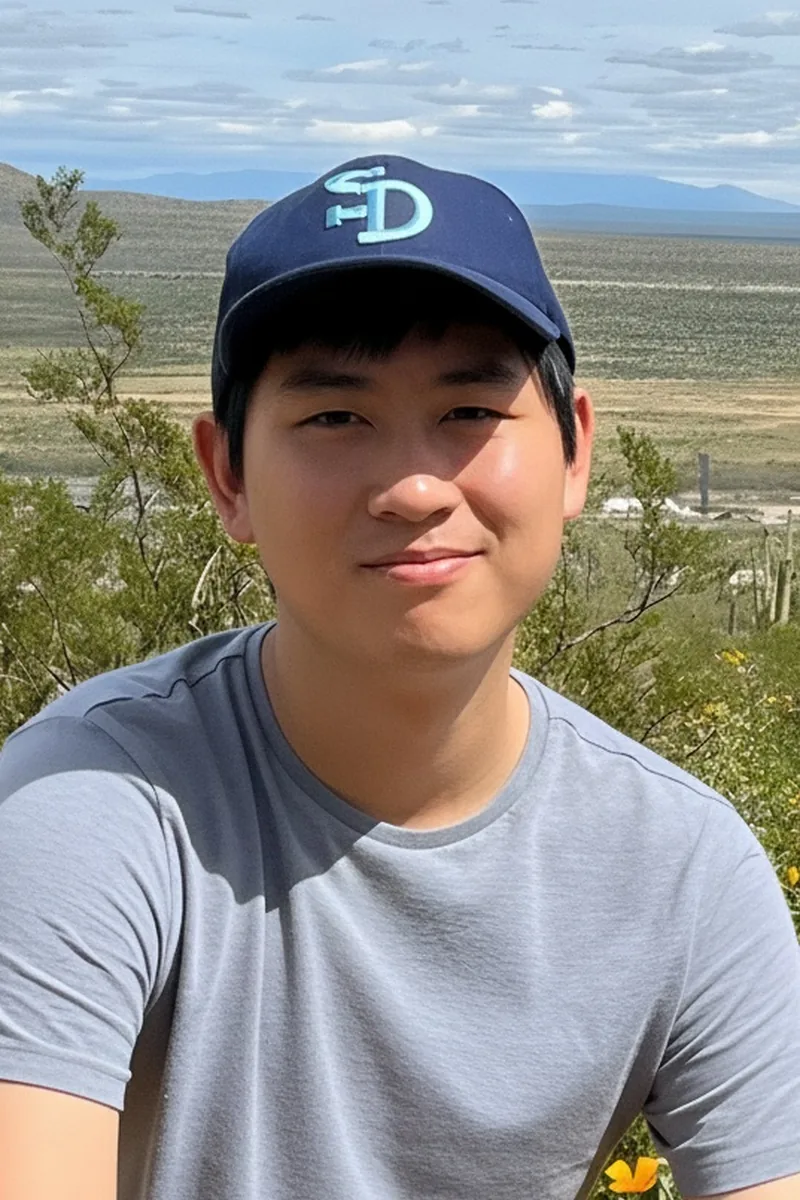
I am a graduate student currently working on my Master's Degree in Big Data Systems.
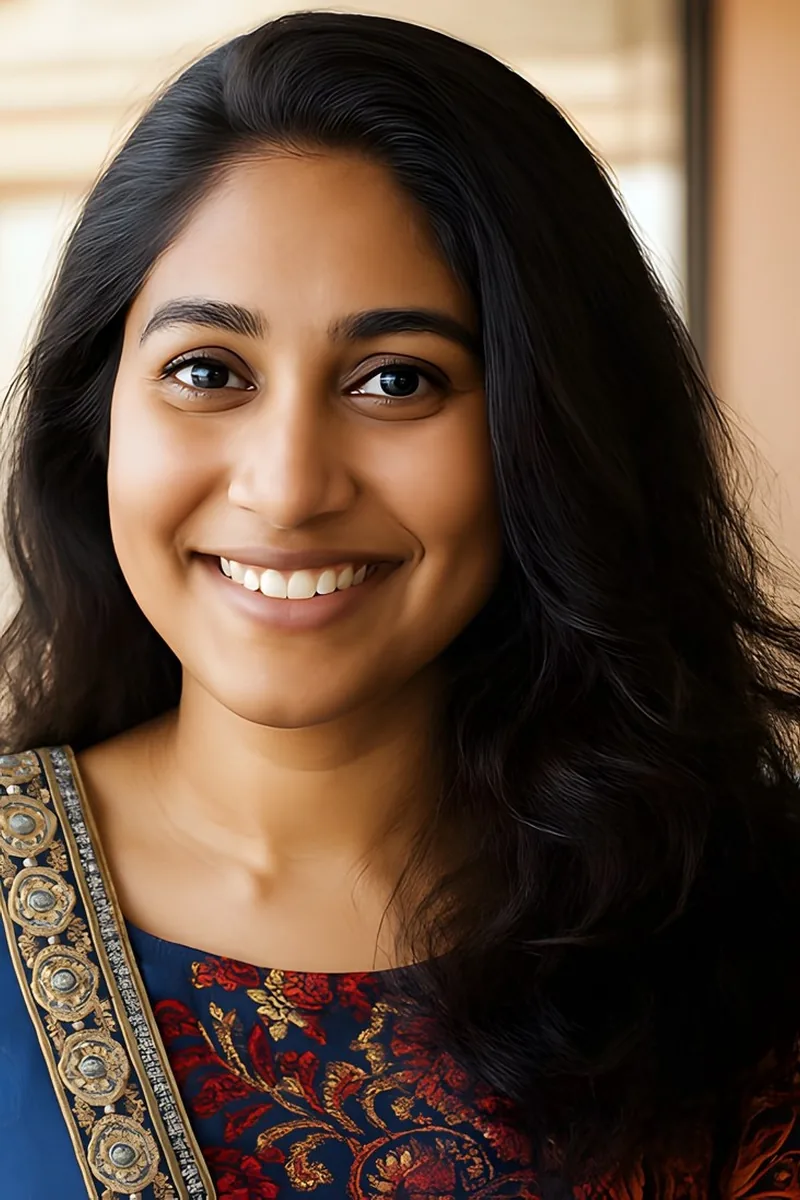
Python's readable syntax makes it a great first language, but students still stumble on list comprehensions, dictionary manipulation, and the jump from scripts to functions and classes. Mehek approaches each of these by writing live code alongside students, letting them predict output before running it — a technique that builds genuine intuition. Her CS degree and experience across multiple languages give her the depth to explain not just how Python works, but why it was designed that way.
Python's readability makes it a great first language, but students still stumble on list comprehensions, scope rules, and debugging recursive functions. Ayushi uses Python extensively in her computer science research and coursework at Arizona State, so she can teach not just syntax but Pythonic thinking — writing clean, efficient code that leverages the language's strengths. She walks through problems interactively, building solutions line by line so each decision is transparent.
Learning Python means learning to think in loops, conditionals, and data structures before worrying about syntax. Kerr, a computer science student at Vanderbilt currently building iOS and game projects, walks students through writing actual programs — from simple scripts to projects involving lists, dictionaries, and file I/O — so the logic sticks. He emphasizes understanding *why* code works, which makes debugging feel intuitive rather than frustrating.
Studying computer science at Rice, William writes Python not just for coursework but as his go-to tool for math-heavy projects — which means he can teach students to think algorithmically while picking up syntax along the way. He's especially good at bridging the gap for students who already think logically through math but freeze up when translating that logic into code with conditionals, loops, and functions.
TA'ing college-level computer science courses at MIT and Georgia Tech gave Isabella a clear picture of where students stumble in Python — from misunderstanding how mutable default arguments behave to writing tangled spaghetti code when a clean function would do. Her operations research background means she teaches Python as a tool for solving optimization and decision-making problems, not just passing intro assignments. Rated 5.0 by students.
Sarah's statistics minor at Penn involved writing Python scripts for data analysis — cleaning datasets, building visualizations, and automating repetitive calculations. She teaches Python fundamentals like loops, functions, and data structures by connecting each concept to a concrete mini-project, so students see their code do something useful right away.
Dane's double major in Electrical & Computer Engineering and Computer Science at Duke means Python is part of his daily toolkit — from scripting hardware simulations to automating data pipelines across engineering coursework. He teaches students to think like engineers when they code: breaking a problem into small, testable functions before writing a single line, then building up to structured programs that actually solve something. His 35 ACT composite reflects the same methodical problem-solving he brings to debugging and logic design.
Between MATLAB for signal processing and C++ for embedded systems, Moe's electrical engineering master's work meant he was already thinking programmatically before picking up Python — so he teaches the language as a natural extension of the computational problem-solving students in STEM fields already do. He's especially effective at showing how to translate a math or physics problem into a working script, breaking down the step from "I know the formula" to "I can make the computer solve it for me."
Python's readability makes it the go-to first language, but that simplicity hides real depth — list comprehensions, generators, decorators, and object-oriented design all trip up students who learned syntax without learning structure. Brandon uses Python daily in his AI and machine learning research at RIT and breaks down these intermediate concepts by building small, working projects rather than abstract exercises.
Physics research at Carnegie Mellon means Madeline writes Python daily — from NumPy arrays for data analysis to matplotlib visualizations and automating lab simulations. She teaches scripting the way she learned it: by building real projects that make loops, functions, and debugging feel purposeful rather than abstract.
A computer science bachelor's and ongoing PhD work at Columbia and Chicago mean David writes code to answer research questions — scraping datasets, running statistical models, and automating the kind of tedious data processing that social science demands. That research-driven workflow translates directly into teaching Python, because he can show students how core concepts like loops, dictionaries, and file I/O come together in scripts that actually produce answers. Rated 4.9 by students.
Gabriel's computer science studies at Penn give him daily fluency in Python, from writing clean functions and loops to working with libraries like pandas for data analysis. He walks beginners through debugging line by line so they learn to read error messages instead of fearing them.
Daria's electrical and computer engineering coursework at Cornell means Python isn't just a classroom exercise — she uses it to program microcontrollers, process signals, and automate hardware-level tasks. That hands-on engineering context lets her teach variables, loops, and functions through projects that interact with the physical world, giving students a tangible reason to care about clean code.
Python's simplicity makes it a great first language, but students still get tripped up by list comprehensions, object-oriented design, and debugging logic errors they can't quite see. Corrina writes Python regularly and teaches it by building small projects — from data analysis scripts to simple games — so each new concept has an immediate, visible purpose.
Testimonials
Because the right Python tutor makes all the difference.
Average Session Rating – Based on 3.4M Learner Ratings
Other Phoenix Tutors
Related Technology and Coding Tutors in Phoenix
Frequently Asked Questions
Absolutely. Python is widely considered the best first programming language because its syntax is clean and readable, letting you focus on learning logic rather than wrestling with complex syntax rules. Many schools across Phoenix use Python in their computer science curriculum for exactly this reason, and it's also the foundation for careers in data science, web development, and artificial intelligence.
Students typically struggle with three areas: understanding how to break problems into logical steps (algorithmic thinking), interpreting error messages, and grasping how data structures like lists and dictionaries actually work in practice. Personalized 1-on-1 instruction helps because a tutor can walk through your specific errors, show you debugging techniques, and help you think through problems step-by-step rather than just memorizing syntax.
Syntax is the rules of the language—how you write valid Python code. Logic is how you solve problems using code. You can memorize syntax, but logic takes practice and thinking through real problems. A tutor helps you build both: they'll explain why certain syntax matters, then guide you through building actual projects where you apply logical thinking to solve challenges.
Your first session is about understanding where you're starting from and what you want to achieve. A tutor will ask about your experience level, whether you're learning Python for a class or personal interest, and what specific topics are confusing. From there, they'll tailor future sessions to focus on your gaps—whether that's loops, functions, debugging, or building your first project.
Building real projects—like a simple game, data analyzer, or web scraper—forces you to apply what you've learned and discover gaps in your understanding. This is where learning sticks. Tutors help you choose projects matched to your skill level, break them into manageable steps, review your code for improvements, and teach you debugging techniques when things don't work as expected.
Python opens doors to several paths: web development (Django, Flask), data science and analytics, game development (Pygame), artificial intelligence, or automation. A tutor can help you explore what interests you most, then guide your learning toward that direction. This keeps you motivated because you're building skills that directly apply to something you actually want to create.
Error messages can feel cryptic at first, but they're actually clues. A tutor teaches you how to read error messages systematically, understand what went wrong, and develop a debugging mindset—testing small pieces of code, using print statements strategically, and thinking through your logic. Over time, you'll stop seeing errors as roadblocks and start seeing them as part of normal programming.
Yes. Python is increasingly part of computer science curricula in Arizona schools, whether students are taking AP Computer Science Principles, introductory coding classes, or specialized programs. Tutors understand these standards and can support you whether you're working ahead, catching up on concepts, or preparing for assessments. They can also help with projects and assignments specific to your school's approach.
Let’s find your perfect tutor
Answer a few quick questions. We’ll recommend the right plan and match you with a top 5% tutor.