Award-Winning Python Tutors
serving Mesa, AZ
Python
Tutors in Mesa
Private 1-on-1 tutoring, weekly live classes for academic support, test prep & enrichment, practice tests and diagnostics, and more to elevate grades and test scores.
Based on 3.4M Learner Ratings
UniversitiesSchools & Universities
DeliveredHours Delivered
ProficiencyGrowth in Proficiency
Who needs tutoring?
No obligation. Takes ~1 minute.
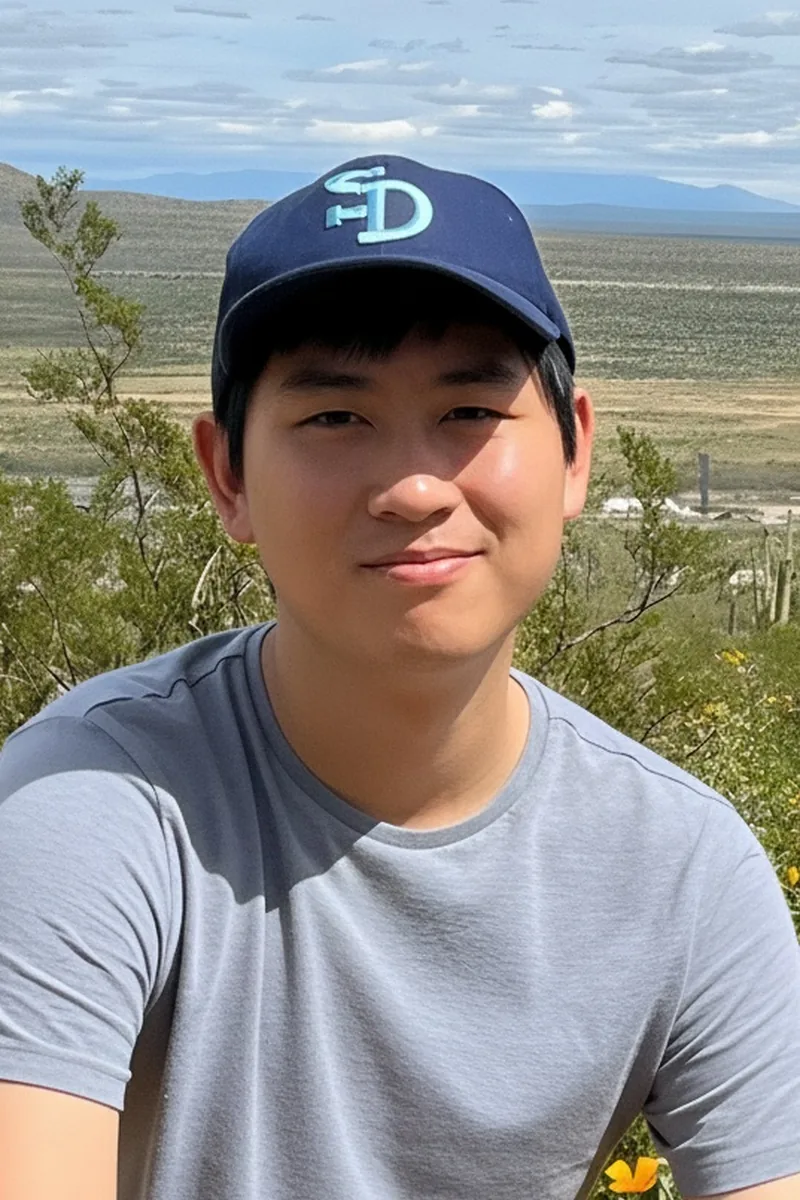
I am a graduate student currently working on my Master's Degree in Big Data Systems.
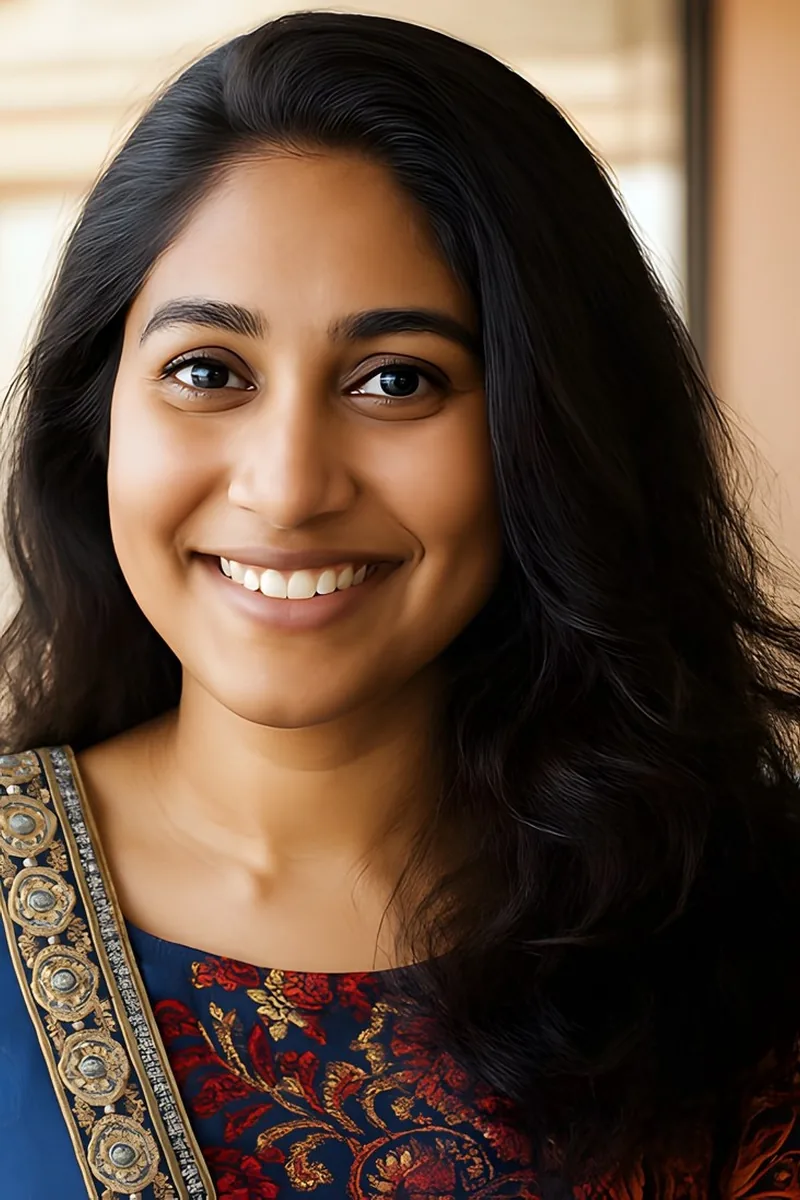
Python's readable syntax makes it a great first language, but students still stumble on list comprehensions, dictionary manipulation, and the jump from scripts to functions and classes. Mehek approaches each of these by writing live code alongside students, letting them predict output before running it — a technique that builds genuine intuition. Her CS degree and experience across multiple languages give her the depth to explain not just how Python works, but why it was designed that way.
Python's readability makes it a great first language, but students still stumble on list comprehensions, scope rules, and debugging recursive functions. Ayushi uses Python extensively in her computer science research and coursework at Arizona State, so she can teach not just syntax but Pythonic thinking — writing clean, efficient code that leverages the language's strengths. She walks through problems interactively, building solutions line by line so each decision is transparent.
Whether it's scripting a data pipeline or implementing a sorting algorithm from scratch, Florence teaches Python with the pragmatism of someone who's used it across academic and industry settings — including software development at IBM. She walks through core concepts like list comprehensions, dictionary manipulation, and file I/O with clear explanations rooted in her Duke CS coursework and TA experience.
Dane's double major in Electrical & Computer Engineering and Computer Science at Duke means Python is part of his daily toolkit — from scripting hardware simulations to automating data pipelines across engineering coursework. He teaches students to think like engineers when they code: breaking a problem into small, testable functions before writing a single line, then building up to structured programs that actually solve something. His 35 ACT composite reflects the same methodical problem-solving he brings to debugging and logic design.
Pratik's subject list is heavy on science and math — AP Chemistry, AP Biology, college physics — which means he picked up Python the way most STEM students do: writing scripts to process data, automate calculations, and solve problems that would take forever by hand. That practical entry point lets him teach core concepts like loops, conditionals, and functions through tasks students can immediately see the purpose of, rather than abstract exercises disconnected from anything real.
From writing first scripts with loops and conditionals to building out classes and working with libraries like pandas or matplotlib, Elyse tailors Python sessions to wherever a student's project or coursework demands. Her Stanford CS training means she doesn't just teach syntax — she instills habits like clean code structure and meaningful variable naming that prevent headaches later.
From list comprehensions to class hierarchies to libraries like NumPy and pandas, Vincent covers Python at every level — whether a student is writing their first loop or building a machine learning pipeline. His computational science background at MIT means he doesn't just teach syntax; he connects each concept to practical problems in data analysis, automation, and algorithm design.
Gabriel's computer science studies at Penn give him daily fluency in Python, from writing clean functions and loops to working with libraries like pandas for data analysis. He walks beginners through debugging line by line so they learn to read error messages instead of fearing them.
Python's readability makes it a great first language, but students still stumble on list comprehensions, scope rules, and debugging recursive functions. Anna teaches Python by connecting each concept to a concrete use case — data manipulation with dictionaries, file I/O, or building small projects that make abstract syntax feel purposeful. Her interdisciplinary background in neuroscience and CS means she's comfortable whether the course leans scientific computing or software development.
From writing your first for-loop to building out functions with libraries like NumPy or pandas, Python rewards clear logical thinking — which is exactly what a dual math-and-CS major trains for. Sabira breaks down concepts like list comprehensions, recursion, and file I/O so students understand the reasoning behind each line of code, not just the output.
From list comprehensions to recursive algorithms, Jacob teaches Python with the depth that comes from a master's in computer science and fluency across multiple programming languages. He connects each concept to practical applications — data manipulation with dictionaries, file I/O, or writing clean functions — so students build code they can actually reuse and extend.
Having built projects in Java, JavaScript, C#, and Unity alongside his Penn State CS degree, Nicholas teaches Python with a polyglot programmer's perspective — he can pinpoint exactly where Python's syntax feels weird if you're coming from another language, and where its simplicity is a genuine superpower. He's especially sharp at debugging sessions, breaking down error messages and tracing logic step by step until students can diagnose their own code. Rated 5.0 by students.
Python's readability makes it a popular first language, but students still hit walls on list comprehensions, class inheritance, and debugging logic errors they can't see. Milo teaches Python within a computer science framework — connecting syntax to the underlying concepts — drawing on both his CS master's work at UMass Amherst and years of tutoring experience. He's rated 5.0 by students.
Learning Python means learning to think in loops, conditionals, and data structures before worrying about syntax. Kerr, a computer science student at Vanderbilt currently building iOS and game projects, walks students through writing actual programs — from simple scripts to projects involving lists, dictionaries, and file I/O — so the logic sticks. He emphasizes understanding *why* code works, which makes debugging feel intuitive rather than frustrating.
Testimonials
Because the right Python tutor makes all the difference.
Average Session Rating – Based on 3.4M Learner Ratings
Other Mesa Tutors
Related Technology and Coding Tutors in Mesa
Frequently Asked Questions
Python is an excellent first language because its syntax is readable and forgiving, making it easier to focus on programming logic rather than complex syntax rules. A tutor can help you build a foundation by starting with core concepts like variables, data types, and control flow, then progressing to functions and basic data structures. This structured approach prevents common beginner frustrations and sets you up for success in more advanced topics.
Debugging is a critical skill that many students struggle with alone. Tutors can teach you systematic approaches to reading error messages, using print statements and debugging tools, and thinking through your code logically to find issues. With personalized 1-on-1 instruction, you'll develop problem-solving strategies that apply across different projects, rather than just getting quick fixes.
Syntax is the specific rules of Python's language (how to write a loop or function), while logic is the algorithmic thinking behind solving problems (how to break a problem into steps). Many students memorize syntax but struggle with logic. A tutor helps you develop both by having you think through problems before writing code, then reviewing your solutions to reinforce good practices.
Project-based learning lets you apply concepts to real problems—whether building a game, analyzing data, or creating a web app—which deepens understanding far more than isolated exercises. Tutors can guide you through project planning, code organization, and debugging in context, helping you see how different Python concepts work together. This hands-on approach also builds a portfolio of work you can be proud of.
Data structures determine how efficiently you can organize and access information in your programs. Understanding when to use lists, dictionaries, sets, or other structures is essential for writing clean, fast code. A tutor can help you move beyond memorizing definitions to actually understanding when and why to use each structure through practical coding examples and code review.
Yes—Python's versatility is one of its biggest strengths. You can build web apps with Django, analyze data with Pandas, or create games with Pygame. A tutor can help you explore different paths and guide your learning based on your interests, whether you're drawn to backend development, machine learning, or game creation.
Your first session focuses on understanding your current level, your goals (whether you're learning for school, a career, or personal interest), and what challenges you're facing. Varsity Tutors connects you with a tutor who can assess your needs and create a personalized learning plan. This might include reviewing code you've written, identifying gaps in understanding, or diving into your first lesson.
Mesa's strong educational community includes many schools teaching computer science and programming. Personalized tutoring complements what you're learning in class by providing one-on-one support tailored to your pace and learning style. Whether you're working ahead, catching up, or exploring Python beyond your coursework, a tutor can adapt to your specific situation in ways classroom instruction can't.
Let’s find your perfect tutor
Answer a few quick questions. We’ll recommend the right plan and match you with a top 5% tutor.