Award-Winning Microbiology Tutors
serving Birmingham, AL
Microbiology
Tutors in Birmingham
Private 1-on-1 tutoring, weekly live classes for academic support, test prep & enrichment, practice tests and diagnostics, and more to elevate grades and test scores.
Based on 3.4M Learner Ratings
UniversitiesSchools & Universities
DeliveredHours Delivered
ProficiencyGrowth in Proficiency
Who needs tutoring?
No obligation. Takes ~1 minute.
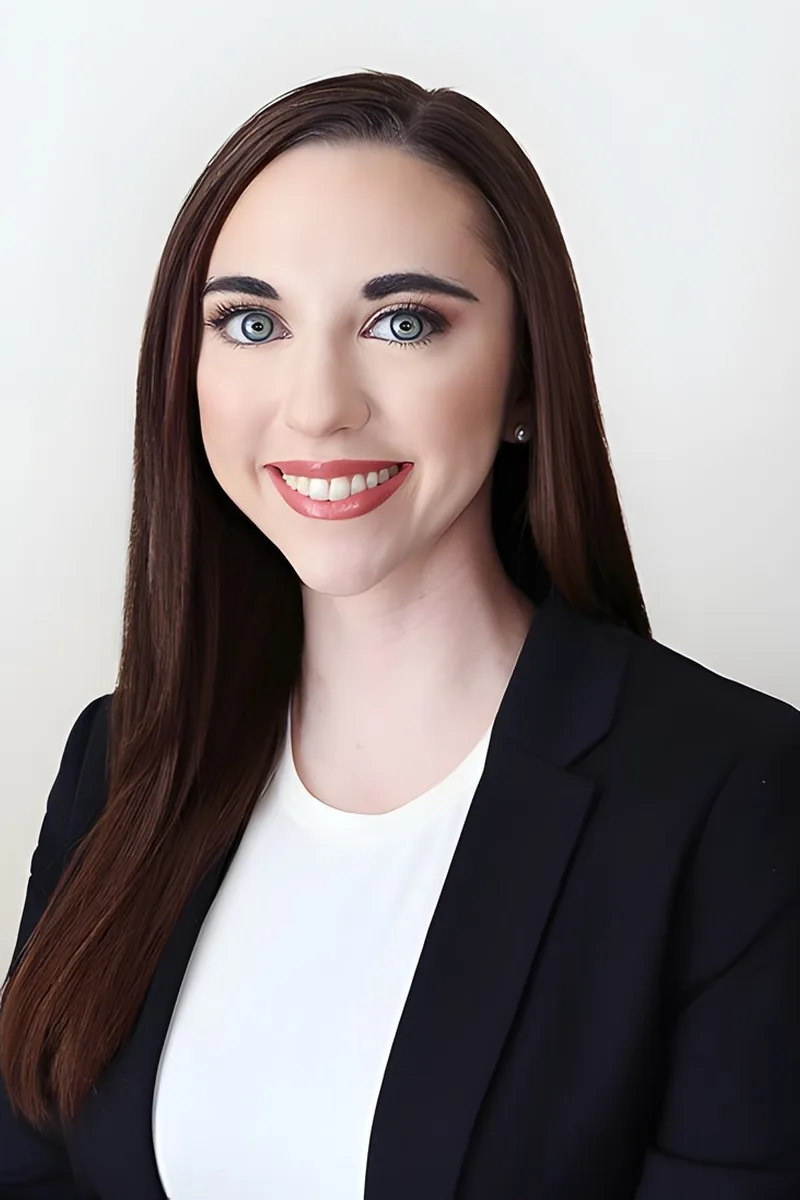
Haley's day job in a public health laboratory gives her hands-on experience with the bacterial cultures, staining techniques, and antimicrobial susceptibility testing that microbiology courses cover in theory. She brings real bench context to topics like gram-negative vs. gram-positive classification, metabolic pathways, and pathogenesis — turning textbook organisms into something tangible. Rated 5.0 by students.
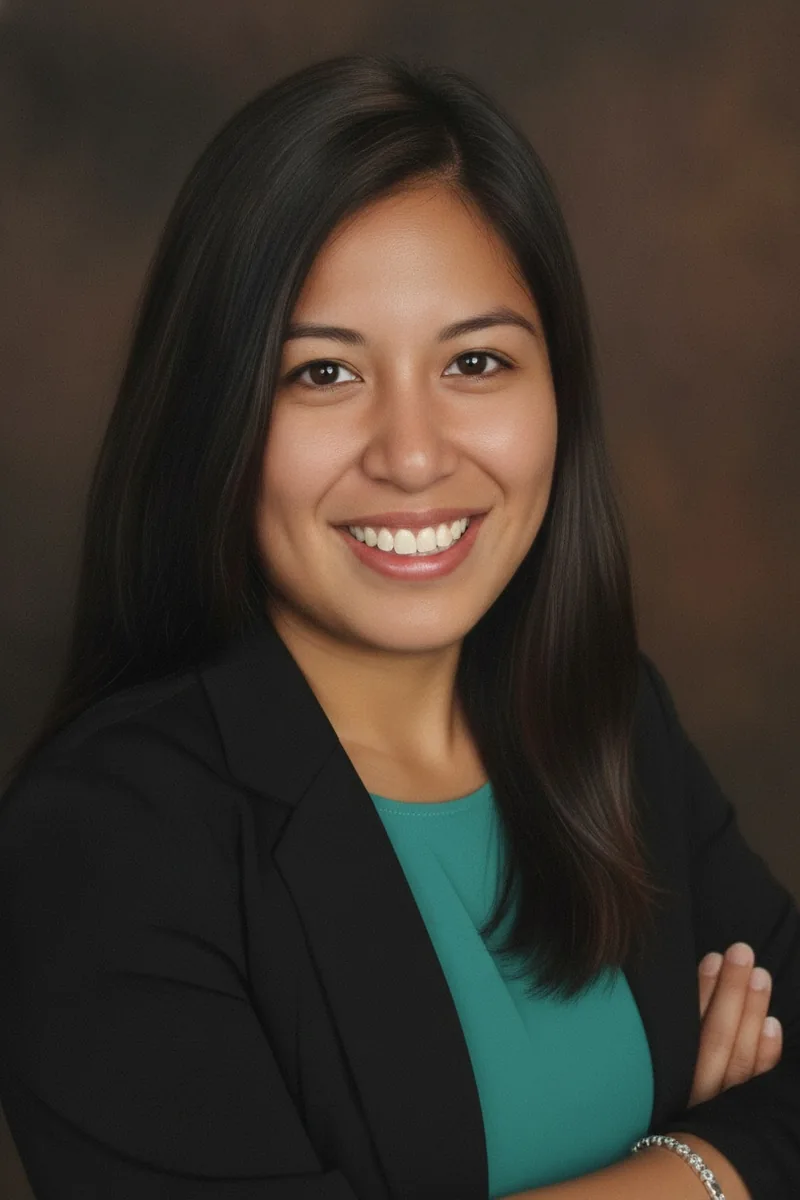
Medical school builds microbiology into nearly every clinical rotation — Robin's training means she's traced how specific pathogens cause disease, how immune responses escalate, and why certain antibiotics target one organism but not another. That clinical context turns dense material like Gram classifications and virulence mechanisms into something students can reason through, because each organism connects to a real disease process. Rated 5.0 by students.
Rashida's PhD in Cellular and Molecular Biology means she teaches microbiology from the inside out — starting at the level of gene regulation, membrane transport, and molecular signaling before zooming out to how microorganisms behave in populations. Her doctoral research and experience leading discussions in cell biology and Mendelian genetics give her a particular knack for explaining how bacteria acquire and express resistance genes, or how horizontal gene transfer reshapes microbial communities. Rated 5.0 by students.
Neuroscience training at the undergraduate level means Jhonatan spent significant time with the microbial world — understanding how pathogens cross the blood-brain barrier, how CNS infections progress, and how the gut microbiome communicates with neural tissue. He teaches microbial physiology and host interactions by anchoring them to these neuroimmune connections, giving students a narrative thread through what can otherwise feel like an overwhelming catalog of organisms. Rated 5.0 by students.
Studying microbiology in a medical context means Amir doesn't just know bacterial classifications and viral replication cycles — he understands how they matter clinically. He teaches concepts like gram staining, pathogen virulence factors, and antibiotic mechanisms by connecting each one to real scenarios, using visual aids that turn dense material into something students can actually retain.
Medical school demands a granular understanding of pathogens — bacterial cell wall differences, viral replication cycles, antibiotic resistance mechanisms. Daniel earned his M.D. and brings that clinical lens to microbiology, connecting each organism's structure and behavior to the disease processes students are expected to know for exams.
Rebecca tutored microbiology throughout her time at Cornell while completing her biological sciences degree, so she knows exactly where students get lost — distinguishing bacterial metabolic pathways, interpreting Gram stain results, or connecting virulence factors to clinical outcomes. She teaches the subject by building a logical framework around microbial structure and function, which makes memorizing hundreds of organisms far more manageable.
Keeping bacterial classification, metabolic pathways, and virulence factors straight requires more than flashcards — it requires a framework. Rachel approaches microbiology by organizing organisms around how they survive: their energy sources, their structural defenses, and how they interact with host immune responses. That structure turns a sprawling subject into something students can actually reason through on exams.
Medical school gave Amanda a front-row seat to microbiology that matters — bacterial pathogenesis, viral replication cycles, immune evasion strategies, and antimicrobial resistance. She teaches microbiology by organizing organisms around the mechanisms that make them dangerous or clinically important, which turns a subject that can feel like pure memorization into a set of logical patterns. Students preparing for exams or applying to health professions get a tutor who knows exactly how this material shows up later.
Micheal's biotechnology degree and his work at Massachusetts General Hospital mean microbiology isn't theoretical for him — it's the daily reality of understanding bacterial pathogenesis, culture techniques, and antimicrobial resistance. He unpacks dense topics like metabolic pathways and microbial genetics by tying them to clinical scenarios students can visualize.
An environmental biology degree means Andrew spent real time studying how microbial communities shape ecosystems — from soil bacteria driving decomposition to waterborne microorganisms cycling nutrients through aquatic systems. That ecological grounding lets him teach concepts like microbial metabolism and population dynamics by connecting them to the environmental processes students can actually visualize, rather than treating them as isolated textbook definitions.
From bacterial gene regulation to viral replication strategies, microbiology demands comfort with both molecular detail and big-picture ecology. Zachary's graduate work in molecular biology gave him hands-on familiarity with the techniques and concepts — Gram staining, quorum sensing, antibiotic resistance mechanisms — that form the backbone of most microbiology courses.
Daniel earned his bachelor's degree in microbiology before completing dental school, giving him deep familiarity with bacterial morphology, metabolic pathways, and host-pathogen interactions. He approaches topics like gram staining protocols and viral replication cycles with the kind of specificity that turns a dense subject into something students can reason through rather than just memorize.
Testimonials
Because the right Microbiology tutor makes all the difference.
Average Session Rating – Based on 3.4M Learner Ratings
Nearby Microbiology Tutors
Other Birmingham Tutors
Related Science Tutors in Birmingham
Frequently Asked Questions
Your first session is a chance to discuss your current level, specific challenges (whether it's identifying bacteria morphology, understanding metabolic pathways, or lab technique), and learning goals. The tutor will assess what concepts need reinforcement and create a personalized plan tailored to your course requirements and learning style. This foundation helps ensure every session builds on what you've mastered.
Yes. Tutors connect you with experienced educators who understand lab protocols, staining techniques, culturing procedures, and how to interpret results. They can help you understand the scientific reasoning behind each step, prepare for lab practicals, and troubleshoot experimental challenges. This bridges the gap between theory and hands-on application, making lab work less intimidating and more meaningful.
Rather than rote memorization, tutors focus on building conceptual understanding—connecting bacterial structures to their functions, relating classification systems to evolutionary relationships, and using visual frameworks and mnemonics that stick. When you understand *why* bacteria are classified a certain way or *how* a cell wall differs between gram-positive and gram-negative organisms, retention becomes natural and you can apply that knowledge to new scenarios.
Tutors use diagrams, animations, and real-world comparisons to make abstract cellular and molecular processes concrete. Whether it's understanding flagellar movement, visualizing biofilm formation, or grasping how viruses replicate, personalized instruction breaks down complex structures into manageable pieces. Many students find that once they can mentally picture what's happening at the microscopic level, concepts like antibiotic resistance and infection mechanisms become much clearer.
Students often struggle with connecting isolated facts (memorizing pathogens, structures, metabolic processes) into a coherent understanding of how microorganisms function and interact with their environment. Additionally, mastering microscopy techniques, interpreting lab results, and understanding the scientific method in the context of microbiology research can be challenging. Tutors help students move beyond memorization to develop critical thinking and scientific reasoning skills.
Absolutely. Varsity Tutors connects you with tutors experienced across high school biology with microbiology units, college microbiology courses, and pre-med/nursing-level microbiology. Whether you're taking a general survey course or an advanced microbiology elective, tutors adapt their approach to match your curriculum, exam format, and academic goals.
Tutors develop targeted study plans focused on your exam format—whether it's multiple choice, short answer, lab practicals, or a combination. They review high-yield concepts, work through practice problems, help you interpret microscope images, and build confidence with timed practice tests. This focused preparation helps you identify knowledge gaps early and approach exam day with a clear understanding of key material.
Varsity Tutors matches you with tutors who have strong backgrounds in microbiology and experience teaching at your level. You can discuss your specific needs—whether you need help with general concepts, lab skills, or exam preparation—and get connected with someone who fits your learning style and schedule. The matching process ensures you work with someone who understands both the subject and your goals.
Let’s find your perfect tutor
Answer a few quick questions. We’ll recommend the right plan and match you with a top 5% tutor.