Award-Winning Essay Editing Tutors
serving Birmingham, AL
Essay Editing
Tutors in Birmingham
Private 1-on-1 tutoring, weekly live classes for academic support, test prep & enrichment, practice tests and diagnostics, and more to elevate grades and test scores.
Based on 3.4M Learner Ratings
UniversitiesSchools & Universities
DeliveredHours Delivered
ProficiencyGrowth in Proficiency
Who needs tutoring?
No obligation. Takes ~1 minute.
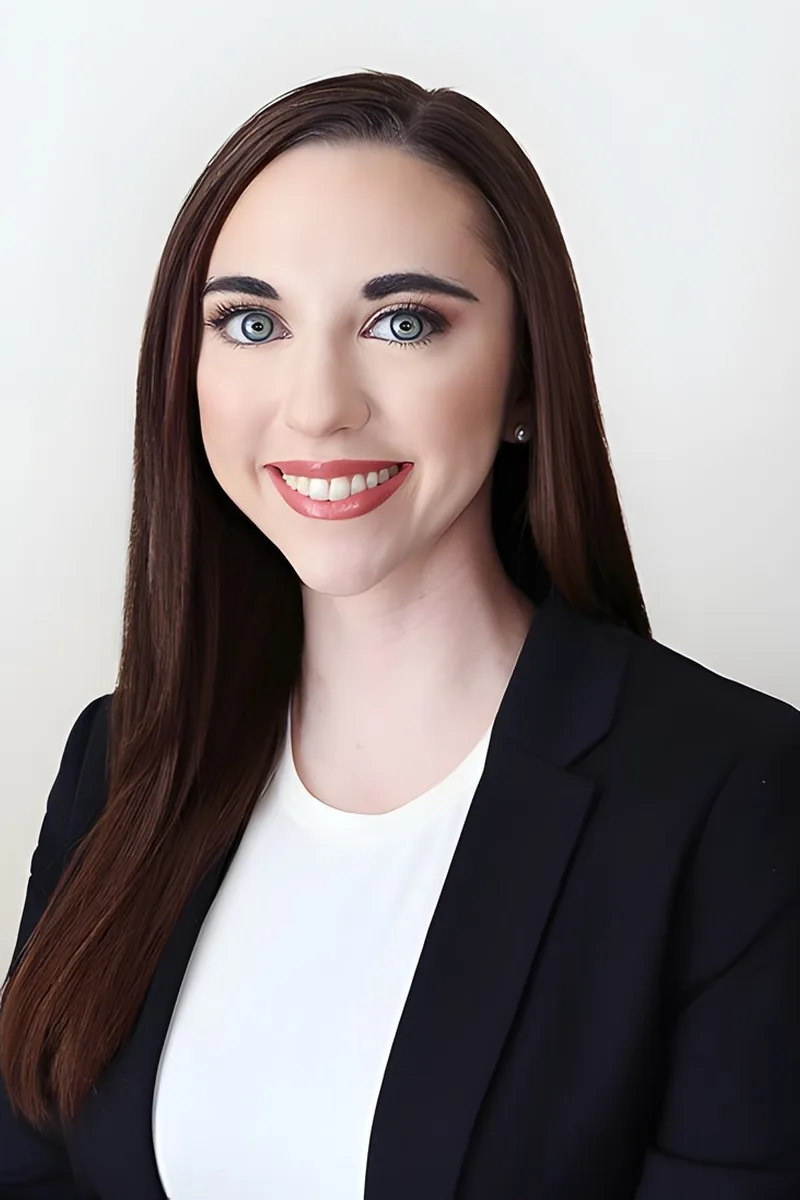
Editing is where Haley's scientific precision meets her writing instincts. She zeroes in on structural problems first — unclear thesis, buried argument, paragraphs that don't earn their place — before tightening at the sentence level for clarity and flow. Years of revising research papers and medical school applications trained her to cut without losing voice.
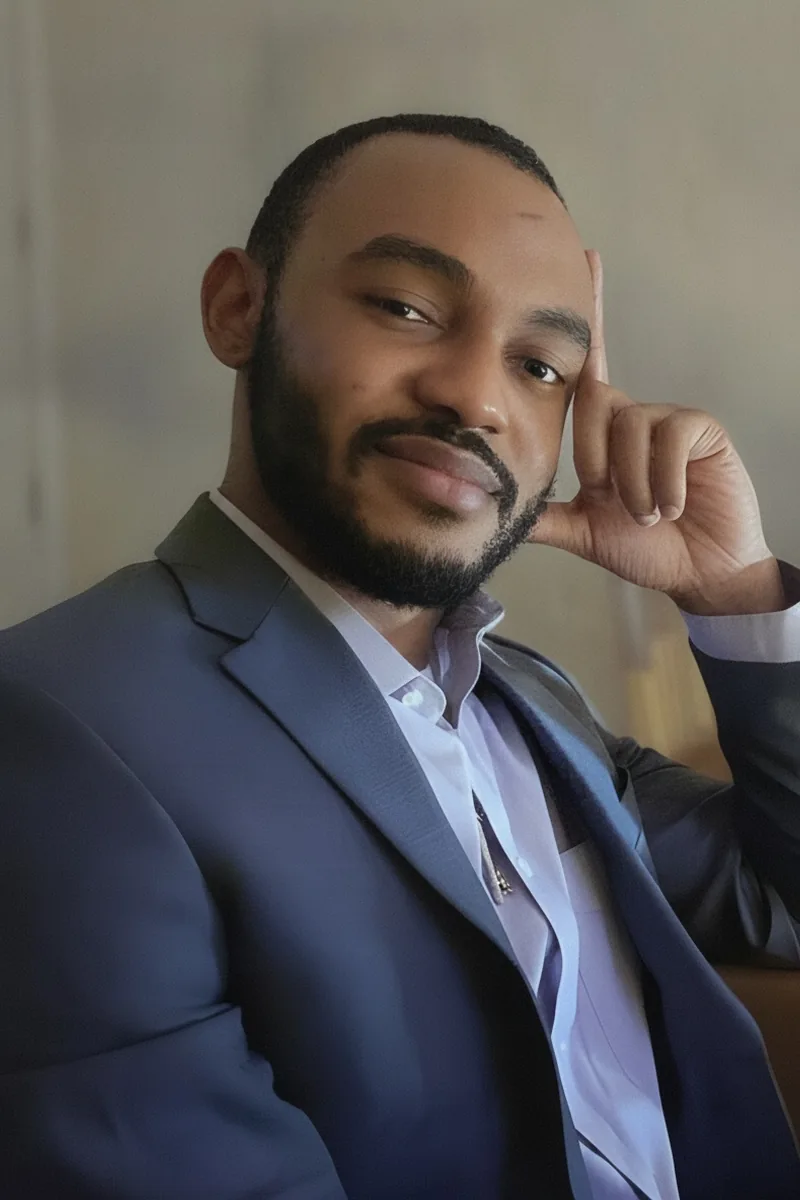
Good editing is more than fixing commas — it's diagnosing whether an argument's structure actually supports its thesis. Joshua's Stanford concentration required him to produce and revise research papers that bridged hard science and ethical argumentation, so he knows how to tighten logic, cut filler, and reshape paragraphs for clarity. He walks through each revision so students internalize the editing instincts themselves.
Mustafa's math training at Vanderbilt might seem unrelated to essay editing, but writing proofs sharpens the same instinct that makes a good editor: knowing when a line of reasoning doesn't follow. He applies that logical rigor to student drafts, flagging where claims lack support, where paragraphs drift from the thesis, and where transitions need tightening. Rated 5.0 by students.
The difference between a B essay and an A essay is usually in the revision — tightening a thesis, cutting filler, making each paragraph earn its place. Rosalyn approaches editing with the same logical precision she brings to her math coursework at Amherst, walking through drafts paragraph by paragraph to sharpen argument structure and clarity. She's rated 5.0 by the students she's worked with.
Good editing goes beyond fixing commas — it's about tightening an argument, cutting filler, and making sure every paragraph earns its place. Jennessa reads drafts with an eye for logical flow and clarity, flagging where a thesis drifts or where evidence doesn't quite support the claim. She's rated 5.0 and treats editing as a teaching moment, not just a cleanup job.
Strong essays aren't written — they're rewritten. Emma approaches editing as a systematic process: first tightening argument structure and paragraph flow, then sharpening sentence-level clarity and word choice. Her engineering background at Georgia Tech trained her to communicate complex ideas concisely, a skill she applies directly to cleaning up academic and application essays.
Good essay editing goes beyond fixing comma splices — it means tightening arguments, cutting filler, and making sure every paragraph earns its place. Nina's writing background and sharp editorial eye let her pinpoint where an essay loses momentum or where a thesis needs sharper language. She marks up drafts with specific, actionable feedback so students learn to self-edit over time.
I graduated with a BA in Politics and a BA in Anthropology from NYU in 2022. I also hold a MS in Biomedical Anthropology and a Graduate Certificate in Forensic Health and Nursing from SUNY Binghamton (graduated May 2024). I have worked in education, with a previous position with America Reads/America Counts teaching elementary students in the NYC public school system. My previous virtual tutoring experience was with Curious Cardinals, where I had tutored high school students with the following: forensic science, biology (anatomy, genetics), SAT Evidence-Based Reading and Writing, ACT English and ACT Reading. I have experience working in forensic science policy at the Innocence Project, which is an organization focused on exonerating individuals who were wrongfully convicted of crime. In this role, I have written testimonials, case reports, and research articles on forensic identification methods and their legal, ethical, political, and privacy implications in casework. I have also worked in the forensic science sector as a Criminalist II at the NYC Office of Chief Medical Examiner (OCME). In this position, I assisted medical examiners (forensic pathologists) in the positive identification of deceased individuals throughout New York City. I also assisted in missing persons inquiries that were brought to the agency. Recently, I completed a research project in Vitoria de Santo Antao and Recife (both in the state of Pernambuco, in northeast Brazil) as a Fulbright Grantee. My research focused on osteology, forensic anthropology, and forensic genetics. My project involved metric analyses of bones combined with analyzing genetic information from DNA taken from bones. Currently, I am a doctoral student of Biological Sciences - Genetics at the University of Sao Paulo (USP). As a doctoral student, my dissertation project is expanding on the research I did with the Fulbright grant and is based on the central question/problem: What is the evolutionary relationship between skeletal morphology (primarily size), external pigmentation (i.e., skin, hair), and the presence of vitamin D deficiencies (which are indicated by the presence of skeletal lesions and decreased bone mineral density)? My favorite subjects in school were biology and anatomy, U.S. history, statistics, pre-algebra and algebra I, language and literature. I also partook in concert band and orchestra both in high school and in college. I am excited to share my skills and knowledge in these subjects with you, as well!
Good editing goes beyond catching comma splices — it means tightening argument structure, eliminating vague claims, and making sure every paragraph earns its place. Darcey approaches each draft by identifying the one or two structural issues dragging it down, then walks through targeted revisions so students learn to spot those patterns in future writing on their own.
Good editing isn't just catching comma splices — it's restructuring an argument so each paragraph earns the next. David sharpens essays at the level of logic and flow first, then zooms into sentence-level clarity, tone, and word choice. His experience spans academic writing and personal narratives, including coaching students through college application essays.
Years in book publishing taught Jeff what professional editors actually look for: not just clean grammar, but clarity of argument, logical flow between paragraphs, and sentences that earn their length. He applies that same editorial rigor to student essays, whether it's a research paper that needs a stronger thesis or a personal statement where the voice feels flat. Every round of revision targets something specific rather than vague "make it better" advice.
Editing someone else's essay is a different skill than writing your own, and Keith treats it that way. He walks students through a layered revision process — first examining the argument's logical structure, then tightening paragraph transitions, and finally cleaning up sentence-level issues like passive voice and redundancy. The goal is for students to internalize the editing eye so they can eventually apply it independently.
Editing an essay isn't just about catching typos — it's about tightening argument structure, cutting filler, and making every paragraph earn its place. Brian's economics and CS training at Caltech drilled precision into his writing, and he applies that same rigor when walking students through revision strategies for thesis clarity, transitions, and evidence integration.
Brittney's comparative literature training at Princeton means she's spent years dissecting how writers across genres build arguments, control tone, and structure ideas — skills she now turns on student drafts. She digs into the logic of each essay before touching a single comma, showing writers how to identify their own weak transitions and sharpen claims that aren't pulling their weight.
Good editing goes beyond fixing commas — it means restructuring arguments, tightening transitions, and cutting the sentences a writer loves but the essay doesn't need. Akarsh's scientific writing background trained him to be ruthlessly clear, and he applies that same precision when walking students through revision of academic papers, personal statements, and research essays.
Editing isn't just about fixing commas — it's about seeing whether an argument actually holds together from paragraph to paragraph. Jacob's graduate training at Berkeley, where he wrote and revised extensively in two languages, gave him a sharp editorial eye for thesis clarity, evidence integration, and sentence-level precision. He walks students through revisions so they internalize the process for future papers.
Editing legal briefs taught Emily that revision isn't about catching typos — it's about asking whether every sentence earns its place. She zeroes in on argument structure, paragraph transitions, and clarity of thesis before moving to sentence-level polish, so students learn to self-edit with the same critical eye.
A rough draft isn't a failure — it's the real starting point. Yu approaches essay editing by teaching students to diagnose their own writing: identifying where an argument loses its thread, where evidence needs unpacking, or where a paragraph buries its strongest point. Her Master's in Education from Harvard and her own love of writing give her a sharp editorial eye paired with the pedagogical skill to explain the "why" behind every revision.
Good editing isn't just catching comma splices — it's recognizing where an argument loses its reader or where a paragraph buries its own point. Lauren reads drafts the way an admissions officer or professor would, flagging structural weaknesses and unclear claims before polishing at the sentence level. Her 5.0 rating speaks to how much students value that kind of honest, detailed feedback.
A good editor doesn't just fix errors — they identify the gap between what a writer meant and what the draft actually says. Renee's experience as a university writing consultant trained her to diagnose structural problems, sharpen thesis statements, and tighten paragraph transitions while preserving the student's own voice throughout the revision process.
Matthew approaches essay editing the way a scientist approaches a draft manuscript: structure first, then clarity, then polish. He's especially good at identifying where an argument loses its thread or where a paragraph is doing two jobs at once, then restructuring so each section earns its place. His experience writing research papers at Yale and the NIH, plus crafting his own medical school applications, gives him a sharp eye for both academic and personal writing.
Testimonials
Because the right Essay Editing tutor makes all the difference.
Average Session Rating – Based on 3.4M Learner Ratings
Nearby Essay Editing Tutors
Other Birmingham Tutors
Related English Tutors in Birmingham
Frequently Asked Questions
Essay editing tutoring focuses on strengthening your writing at every stage—from developing a clear thesis and organizing your arguments to refining sentence-level clarity and style. Tutors help you understand grammar and mechanics, but more importantly, they work with you on voice development, argumentation, and how to revise your own work effectively. Whether you're writing persuasive essays, literary analysis, or research papers, personalized instruction targets the specific areas where your writing needs the most growth.
You'll typically bring drafts or writing samples to your sessions, and your tutor will provide detailed, personalized feedback on structure, clarity, and impact. Rather than just correcting errors, tutors help you understand why changes matter and teach you revision strategies you can apply to future assignments. This collaborative approach means you're not just getting a polished essay—you're developing skills that improve all your writing going forward.
Many students struggle with organization—knowing how to structure ideas logically and build arguments that flow naturally. Writer's block, thesis development, and managing citations (MLA, APA, Chicago) are also frequent pain points. Additionally, students often confuse grammar corrections with improving overall clarity and voice, so they focus on surface-level fixes instead of deeper revision that makes their writing more compelling and persuasive.
Generic writing resources can't address your specific strengths and weaknesses. A tutor working with you one-on-one can identify whether your challenge is paragraph organization, weak evidence, unclear thesis statements, or something else entirely—and then tailor instruction to fix it. This targeted approach, supported by research on personalized learning, helps you make faster progress than trying to apply general rules to your unique writing style and assignments.
With Birmingham's diverse school districts and varying classroom sizes, students benefit from personalized attention that matches their school's specific writing standards and assignments. Whether you're preparing for AP Literature essays, college application writing, or improving grades in English class, connecting with an expert tutor gives you the focused feedback and revision strategies that classroom instruction alone often can't provide.
Absolutely. Strong literary analysis essays require both solid reading comprehension and the ability to construct arguments supported by textual evidence. Tutors help you develop deeper understanding of texts, teach you how to identify themes and analyze author's craft, and show you how to weave quotes and analysis together coherently. This foundation makes writing analytical essays much more manageable and your arguments more convincing.
Bring any recent essays or writing assignments—drafts are perfect, they don't need to be polished. If you have assignment guidelines or rubrics from your teacher, those are helpful too. You can also come with specific questions about essays you're working on or writing challenges you want to address. Your tutor will use these materials to understand your current level and create a personalized plan for improvement.
Varsity Tutors connects you with expert tutors who specialize in essay editing and writing instruction for students in Birmingham. You can share your specific needs—whether that's help with a particular assignment, improving overall writing skills, or preparing for standardized writing assessments—and we'll match you with a tutor whose expertise fits what you're looking for.
Let’s find your perfect tutor
Answer a few quick questions. We’ll recommend the right plan and match you with a top 5% tutor.