Award-Winning Essay Editing Tutors
serving Huntsville, AL
Essay Editing
Tutors in Huntsville
Private 1-on-1 tutoring, weekly live classes for academic support, test prep & enrichment, practice tests and diagnostics, and more to elevate grades and test scores.
Based on 3.4M Learner Ratings
UniversitiesSchools & Universities
DeliveredHours Delivered
ProficiencyGrowth in Proficiency
Who needs tutoring?
No obligation. Takes ~1 minute.
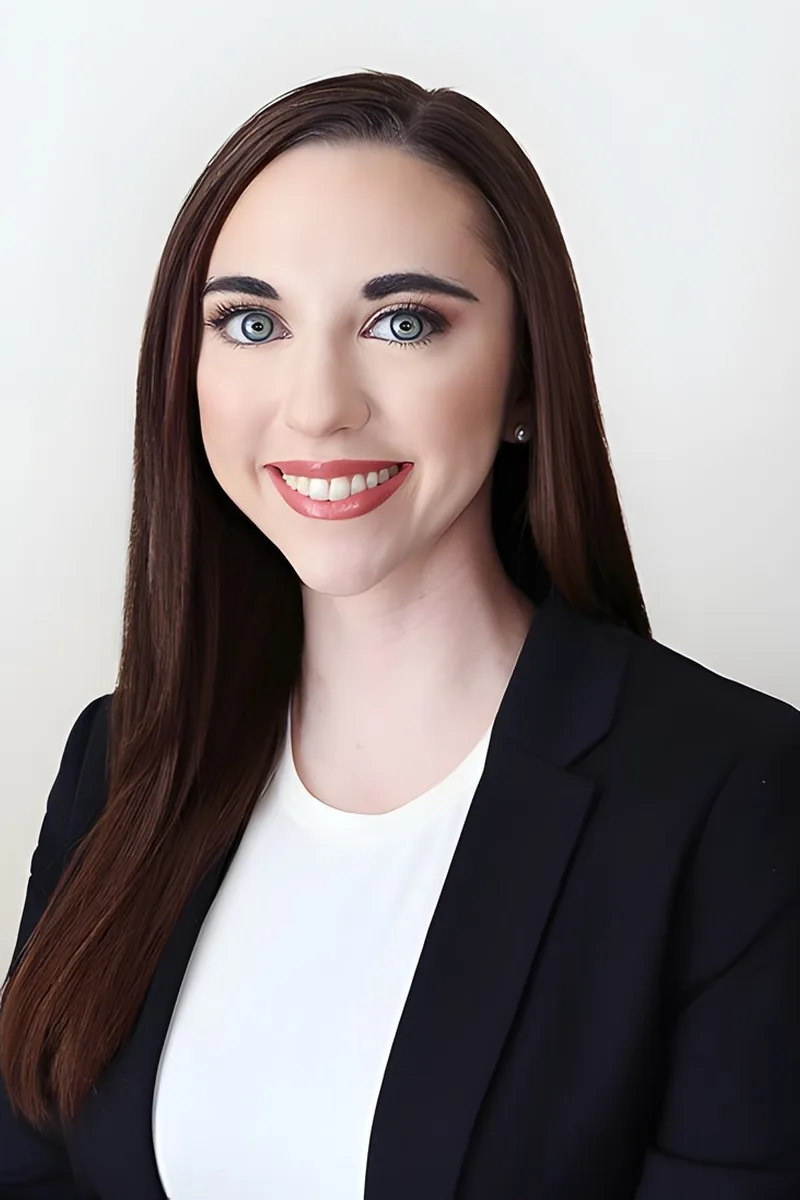
Editing is where Haley's scientific precision meets her writing instincts. She zeroes in on structural problems first — unclear thesis, buried argument, paragraphs that don't earn their place — before tightening at the sentence level for clarity and flow. Years of revising research papers and medical school applications trained her to cut without losing voice.
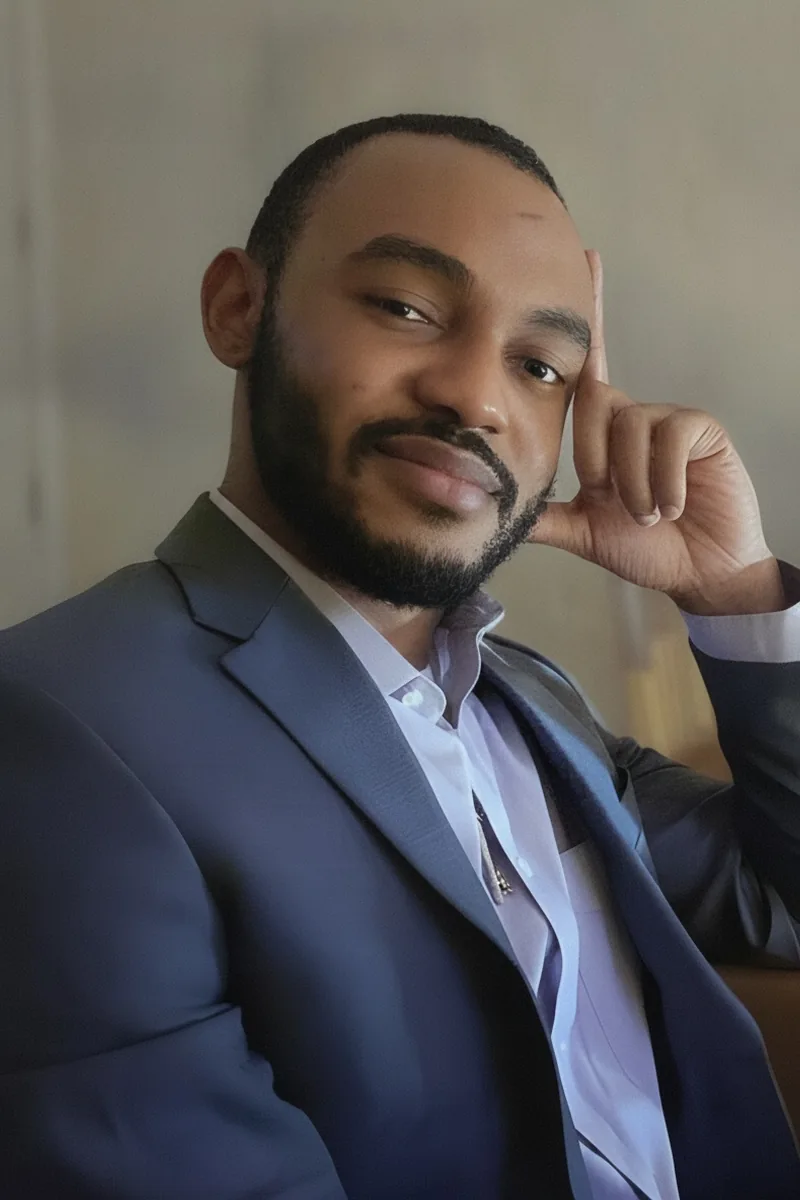
Good editing is more than fixing commas — it's diagnosing whether an argument's structure actually supports its thesis. Joshua's Stanford concentration required him to produce and revise research papers that bridged hard science and ethical argumentation, so he knows how to tighten logic, cut filler, and reshape paragraphs for clarity. He walks through each revision so students internalize the editing instincts themselves.
Mustafa's math training at Vanderbilt might seem unrelated to essay editing, but writing proofs sharpens the same instinct that makes a good editor: knowing when a line of reasoning doesn't follow. He applies that logical rigor to student drafts, flagging where claims lack support, where paragraphs drift from the thesis, and where transitions need tightening. Rated 5.0 by students.
The difference between a B essay and an A essay is usually in the revision — tightening a thesis, cutting filler, making each paragraph earn its place. Rosalyn approaches editing with the same logical precision she brings to her math coursework at Amherst, walking through drafts paragraph by paragraph to sharpen argument structure and clarity. She's rated 5.0 by the students she's worked with.
Good editing goes beyond fixing commas — it's about tightening an argument, cutting filler, and making sure every paragraph earns its place. Jennessa reads drafts with an eye for logical flow and clarity, flagging where a thesis drifts or where evidence doesn't quite support the claim. She's rated 5.0 and treats editing as a teaching moment, not just a cleanup job.
Strong essays aren't written — they're rewritten. Emma approaches editing as a systematic process: first tightening argument structure and paragraph flow, then sharpening sentence-level clarity and word choice. Her engineering background at Georgia Tech trained her to communicate complex ideas concisely, a skill she applies directly to cleaning up academic and application essays.
I graduated with a BA in Politics and a BA in Anthropology from NYU in 2022. I also hold a MS in Biomedical Anthropology and a Graduate Certificate in Forensic Health and Nursing from SUNY Binghamton (graduated May 2024). I have worked in education, with a previous position with America Reads/America Counts teaching elementary students in the NYC public school system. My previous virtual tutoring experience was with Curious Cardinals, where I had tutored high school students with the following: forensic science, biology (anatomy, genetics), SAT Evidence-Based Reading and Writing, ACT English and ACT Reading. I have experience working in forensic science policy at the Innocence Project, which is an organization focused on exonerating individuals who were wrongfully convicted of crime. In this role, I have written testimonials, case reports, and research articles on forensic identification methods and their legal, ethical, political, and privacy implications in casework. I have also worked in the forensic science sector as a Criminalist II at the NYC Office of Chief Medical Examiner (OCME). In this position, I assisted medical examiners (forensic pathologists) in the positive identification of deceased individuals throughout New York City. I also assisted in missing persons inquiries that were brought to the agency. Recently, I completed a research project in Vitoria de Santo Antao and Recife (both in the state of Pernambuco, in northeast Brazil) as a Fulbright Grantee. My research focused on osteology, forensic anthropology, and forensic genetics. My project involved metric analyses of bones combined with analyzing genetic information from DNA taken from bones. Currently, I am a doctoral student of Biological Sciences - Genetics at the University of Sao Paulo (USP). As a doctoral student, my dissertation project is expanding on the research I did with the Fulbright grant and is based on the central question/problem: What is the evolutionary relationship between skeletal morphology (primarily size), external pigmentation (i.e., skin, hair), and the presence of vitamin D deficiencies (which are indicated by the presence of skeletal lesions and decreased bone mineral density)? My favorite subjects in school were biology and anatomy, U.S. history, statistics, pre-algebra and algebra I, language and literature. I also partook in concert band and orchestra both in high school and in college. I am excited to share my skills and knowledge in these subjects with you, as well!
Good essay editing goes beyond fixing comma splices — it means tightening arguments, cutting filler, and making sure every paragraph earns its place. Nina's writing background and sharp editorial eye let her pinpoint where an essay loses momentum or where a thesis needs sharper language. She marks up drafts with specific, actionable feedback so students learn to self-edit over time.
Good editing goes beyond catching comma splices — it means tightening argument structure, eliminating vague claims, and making sure every paragraph earns its place. Darcey approaches each draft by identifying the one or two structural issues dragging it down, then walks through targeted revisions so students learn to spot those patterns in future writing on their own.
Editing isn't just about catching comma splices — it's about reshaping an argument so each paragraph earns its place. Jessica was certified through Penn's Critical Writing Department specifically to provide professional-level feedback on student papers, from thesis clarity to paragraph-level transitions to sentence rhythm. She approaches each draft by identifying the one or two structural issues that, once fixed, make everything else click into place.
Good editing goes beyond catching comma splices — it means tightening argument structure, cutting filler, and making sure every paragraph earns its place. Aaron approaches essay revision methodically: first the thesis and overall logic, then paragraph transitions, then sentence-level clarity and grammar. His 5.0 rating speaks to how effectively he sharpens student writing without overwriting their voice.
Good editing is more than fixing typos — it's restructuring a paragraph so the argument actually lands, cutting the sentence that sounded smart but says nothing, and tightening transitions between ideas. Solange approaches each draft with the critical eye she developed through years of academic writing at Harvard and her work reviewing application materials in the admissions office.
Meghan edits professionally at a trade magazine, which means she revises real prose under real deadlines every week. She applies that same eye to student work — tightening thesis statements, restructuring paragraphs for logical flow, and cutting filler — while explaining each change so students internalize the reasoning behind it.
Editing someone else's essay is a different skill from writing your own — it requires diagnosing why a paragraph feels off, not just flagging a comma error. Connor approaches editing sessions by first identifying the argument's logical structure, then tightening transitions, eliminating redundancy, and clarifying claims at the sentence level. Years of scientific writing in graduate school trained him to cut ruthlessly without losing meaning.
Good essay editing goes beyond catching comma splices — it asks whether each paragraph earns its place and whether the argument actually progresses from one point to the next. Liz digs into structure, transitions, and evidence use before touching surface-level grammar, teaching students to self-edit with a hierarchy of concerns. Her humanities training at Washington University in St. Louis means she's comfortable editing across disciplines, from history research papers to personal narratives.
Good editing is more than catching typos — it's about seeing where an argument loses its thread or where a paragraph buries its strongest point. Victoria's academic writing background across the humanities trained her to revise ruthlessly for clarity, and she brings that same eye to student essays, walking through each draft with specific, actionable feedback on structure, tone, and evidence.
Strong writing is really about clear thinking, and Nina's training in biostatistics has made her ruthless about logical structure, precise language, and eliminating fluff. She's especially useful for students revising research papers, application essays, or any writing that needs to present a tight argument. Every edit comes with an explanation of why the change strengthens the piece.
A good essay edit isn't just about fixing commas — it's about tightening an argument so every paragraph earns its place. Maya breaks drafts down at the structural level first, examining thesis clarity, evidence integration, and paragraph transitions before moving into sentence-level polish. Her Yale writing background means she knows what sharp academic prose looks like across disciplines.
Good editing isn't just catching comma splices — it's recognizing when a paragraph buries its strongest idea or when a transition leaves the reader stranded. Julie approaches every draft with a structural eye first, then tightens at the sentence level, teaching students to internalize the revision process rather than depend on someone else's red pen.
Brittney's comparative literature training at Princeton means she's spent years dissecting how writers across genres build arguments, control tone, and structure ideas — skills she now turns on student drafts. She digs into the logic of each essay before touching a single comma, showing writers how to identify their own weak transitions and sharpen claims that aren't pulling their weight.
Editing an essay isn't just fixing commas — it's figuring out whether each paragraph earns its place and whether the argument actually holds together. Isabella approaches revision structurally first, tightening thesis statements and paragraph transitions before moving to sentence-level clarity and grammar. Her 5.0 rating speaks to how much students value that layered process.
Testimonials
Because the right Essay Editing tutor makes all the difference.
Average Session Rating – Based on 3.4M Learner Ratings
Nearby Essay Editing Tutors
Other Huntsville Tutors
Related English Tutors in Huntsville
Frequently Asked Questions
Varsity Tutors matches Huntsville students with expert Essay Editing tutors for 1-on-1 instruction. We pair each student with a tutor based on their specific needs, learning style, and goals.
Whether you need homework help, exam prep, or want to get ahead, our Essay Editing tutors are ready to help.
Common challenges include gaps from earlier material, difficulty with specific concepts, and trouble applying learning to new problems. These issues can snowball quickly in Essay Editing.
A tutor identifies where you're stuck, fills in gaps, and provides targeted practice. The 1-on-1 format means you get help exactly where you need it.
Tutors work with your student's actual coursework—homework assignments, class notes, and upcoming tests. This keeps tutoring directly relevant to what's happening in the classroom.
When you share information about your student's school and curriculum, we can match you with a tutor who has relevant experience.
All tutors complete background checks, credential verification, and teaching evaluation. Many of our Essay Editing tutors hold advanced degrees or have years of teaching experience.
You can review tutor profiles to find someone with the right background for your student's level and needs.
Many students see improved grades within a few weeks, along with better understanding of Essay Editing concepts and more confidence tackling challenging material.
Tutors track progress and adjust their approach to ensure continued improvement.
Most students benefit from 1-2 sessions per week. More frequent sessions help if your student is significantly behind or has an important exam coming up.
Your tutor can recommend a schedule based on your student's specific situation and goals.
Tutoring is purchased in packages of hours, with rates varying by tutor experience. Varsity Tutors offers several options to fit different budgets and needs.
You can discuss pricing during your consultation to find what works best.
Your tutor will assess where your student is, discuss goals, and start working on priority areas. Most students bring current homework or upcoming test material to focus on.
By the end, you'll have a clear sense of how the tutor can help and a plan for moving forward.
Let’s find your perfect tutor
Answer a few quick questions. We’ll recommend the right plan and match you with a top 5% tutor.