Award-Winning Python Tutors
serving Portland, OR
Python
Tutors in Portland
Private 1-on-1 tutoring, weekly live classes for academic support, test prep & enrichment, practice tests and diagnostics, and more to elevate grades and test scores.
Based on 3.4M Learner Ratings
UniversitiesSchools & Universities
DeliveredHours Delivered
ProficiencyGrowth in Proficiency
Who needs tutoring?
No obligation. Takes ~1 minute.
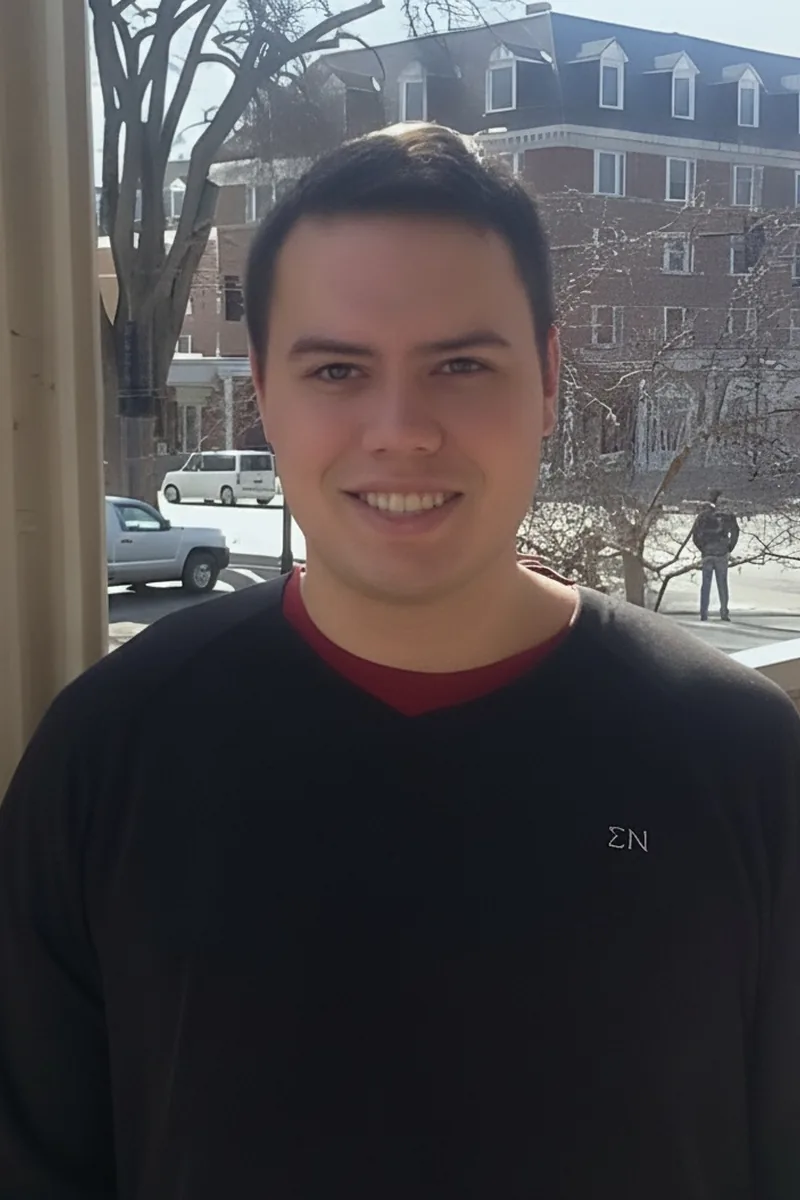
Getting comfortable with Python means moving past copy-pasting code snippets and actually understanding what loops, functions, and data structures are doing under the hood. Gray approaches Python through hands-on problem-solving, connecting syntax to logic so students can debug confidently instead of guessing.
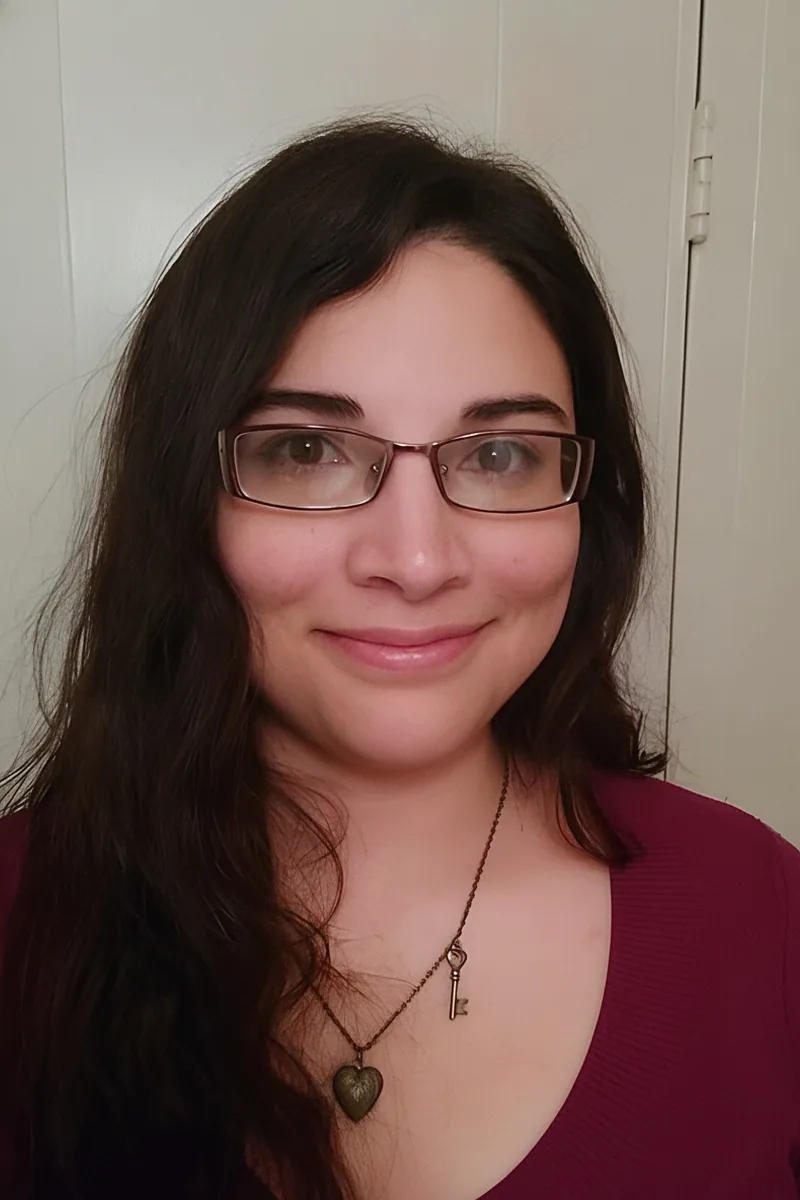
Tashina picked up Python as a research tool during her PhD in Psychological and Brain Sciences — writing scripts for data cleaning, statistical analysis with pandas and NumPy, and automating repetitive lab tasks. That practical origin means she teaches coding the way she learned it: by building something useful, not just running through syntax exercises.
Python's readability makes it a great first language, but students still stumble on list comprehensions, scope rules, and debugging logic errors in loops. Winton teaches Python through Stanford's CS curriculum and knows how to make abstract concepts like recursion and object-oriented design feel intuitive by building small, working programs step by step.
Whether it's writing a first for-loop or building out a data pipeline with pandas and NumPy, Bryan adapts his Python teaching to what the student actually needs to accomplish. His CS coursework at Penn means he's written Python for everything from web scraping to algorithm design, so he can connect syntax lessons to real projects that make concepts stick.
Python's readability makes it a great first language, but students still stumble on list comprehensions, scope rules, and debugging recursive functions. Anna teaches Python by connecting each concept to a concrete use case — data manipulation with dictionaries, file I/O, or building small projects that make abstract syntax feel purposeful. Her interdisciplinary background in neuroscience and CS means she's comfortable whether the course leans scientific computing or software development.
Python's simplicity makes it a great first language, but students still get tripped up by list comprehensions, object-oriented design, and debugging logic errors they can't quite see. Corrina writes Python regularly and teaches it by building small projects — from data analysis scripts to simple games — so each new concept has an immediate, visible purpose.
Python's flexibility makes it the go-to language for everything from intro CS assignments to physics simulations, and Joel uses it extensively in both contexts at Cornell. He walks through core concepts like list comprehensions, class design, and file I/O with an emphasis on writing clean, readable code rather than just code that runs.
Python's readability makes it a great first language, but students still hit walls with list comprehensions, dictionary manipulation, and debugging runtime errors. Clive tackles these sticking points by writing code live with students, explaining his reasoning at each step so they learn to think like a programmer. His experience spans multiple languages, which means he can contextualize Python's quirks — like dynamic typing and indentation-based scope — in ways that deepen understanding.
Python's readability makes it a great first language, but students still get stuck on concepts like list comprehensions, class inheritance, and debugging recursive functions. Noah uses Python daily in his cybersecurity graduate work and writes clean, well-documented code — a habit he passes along from the start. He teaches by building: small scripts first, then layering in complexity so each new concept has a working example behind it.
Dane's double major in Electrical & Computer Engineering and Computer Science at Duke means Python is part of his daily toolkit — from scripting hardware simulations to automating data pipelines across engineering coursework. He teaches students to think like engineers when they code: breaking a problem into small, testable functions before writing a single line, then building up to structured programs that actually solve something. His 35 ACT composite reflects the same methodical problem-solving he brings to debugging and logic design.
Python's readable syntax makes it a great first language, but students still struggle when they hit list comprehensions, file I/O, or debugging recursive functions. Brice has taught Python to beginners as young as middle school and to college peers working on more advanced projects. He walks through each concept by writing real code alongside students rather than lecturing from slides.
Python's readability makes it the go-to first language, but that simplicity hides real depth — list comprehensions, generators, decorators, and object-oriented design all trip up students who learned syntax without learning structure. Brandon uses Python daily in his AI and machine learning research at RIT and breaks down these intermediate concepts by building small, working projects rather than abstract exercises.
Between hackathons, robotics challenges, and neuroscience research at Brown, June has used Python for everything from scripting quick data analyses to building full project prototypes. She teaches the language the way she learned it — by solving real problems — so students pick up not just syntax but habits like writing readable functions, using libraries effectively, and debugging without panic.
Python's readability makes it a great first language, but it also powers serious work in machine learning, data analysis, and scripting — and Kevin has used it across all three at Stanford. Whether a student is debugging their first for-loop or building a neural network with NumPy and PyTorch, he explains not just the how but the why behind Pythonic design patterns and library choices.
Testimonials
Because the right Python tutor makes all the difference.
Average Session Rating – Based on 3.4M Learner Ratings
Nearby Python Tutors
Other Portland Tutors
Related Technology and Coding Tutors in Portland
Frequently Asked Questions
Your first session is all about understanding where you're starting from. A tutor will ask about your coding experience, what you're trying to learn (whether that's web development, data science, game development, or general programming), and what challenges you're facing. From there, they'll work with you to create a personalized plan that matches your goals and learning pace.
Both matter, but logic comes first. Understanding how to think algorithmically—breaking problems into steps, using loops and conditionals, managing data—is what makes you a programmer. Syntax is just the Python-specific way of writing those ideas. A tutor helps you build logical thinking through hands-on coding practice, then reinforces the syntax naturally as you write real code.
Debugging is one of the most valuable skills in programming, and it's hard to learn alone. Tutors teach you how to read error messages systematically, use print statements and debugging tools effectively, and think through where your logic might have gone wrong. By working through bugs together, you'll develop problem-solving strategies that apply to any code challenge you encounter.
Absolutely—project-based learning is one of the most effective ways to develop real programming skills. Whether you're interested in building web applications, analyzing data, creating games, or automating tasks, a tutor can guide you through building projects that teach you both Python fundamentals and practical development practices like code organization and testing.
Data structures are how you organize and manage information in your programs. Lists, dictionaries, sets, and tuples are Python's fundamental tools for storing and accessing data efficiently. Understanding when and how to use each one is critical for writing clean, efficient code. Tutors help you practice with these structures through real coding examples so they become second nature.
That depends on your interests and goals. A tutor can help you explore different paths early on and guide you toward the one that fits you best. If you're unsure, starting with Python fundamentals and core programming concepts gives you a strong foundation for any direction. Many students discover their passion once they start building things, and a tutor can adapt their approach as your interests evolve.
Code review teaches you to write cleaner, more efficient code and helps you learn best practices you might not discover on your own. When a tutor reviews your code, they point out patterns, suggest improvements, and explain the reasoning behind better approaches. This feedback loop accelerates your learning far more than writing code in isolation.
Look for tutors with solid Python experience and, ideally, real-world programming background—whether that's professional development, data science work, or significant project experience. Beyond technical skills, the best tutors can explain concepts clearly, be patient with debugging frustration, and adapt their teaching to your learning style. Varsity Tutors connects you with tutors who have both the expertise and teaching ability to help you succeed.
Let’s find your perfect tutor
Answer a few quick questions. We’ll recommend the right plan and match you with a top 5% tutor.