Award-Winning Physiology Tutors
serving Omaha, NE
Physiology
Tutors in Omaha
Private 1-on-1 tutoring, weekly live classes for academic support, test prep & enrichment, practice tests and diagnostics, and more to elevate grades and test scores.
Based on 3.4M Learner Ratings
UniversitiesSchools & Universities
DeliveredHours Delivered
ProficiencyGrowth in Proficiency
Who needs tutoring?
No obligation. Takes ~1 minute.
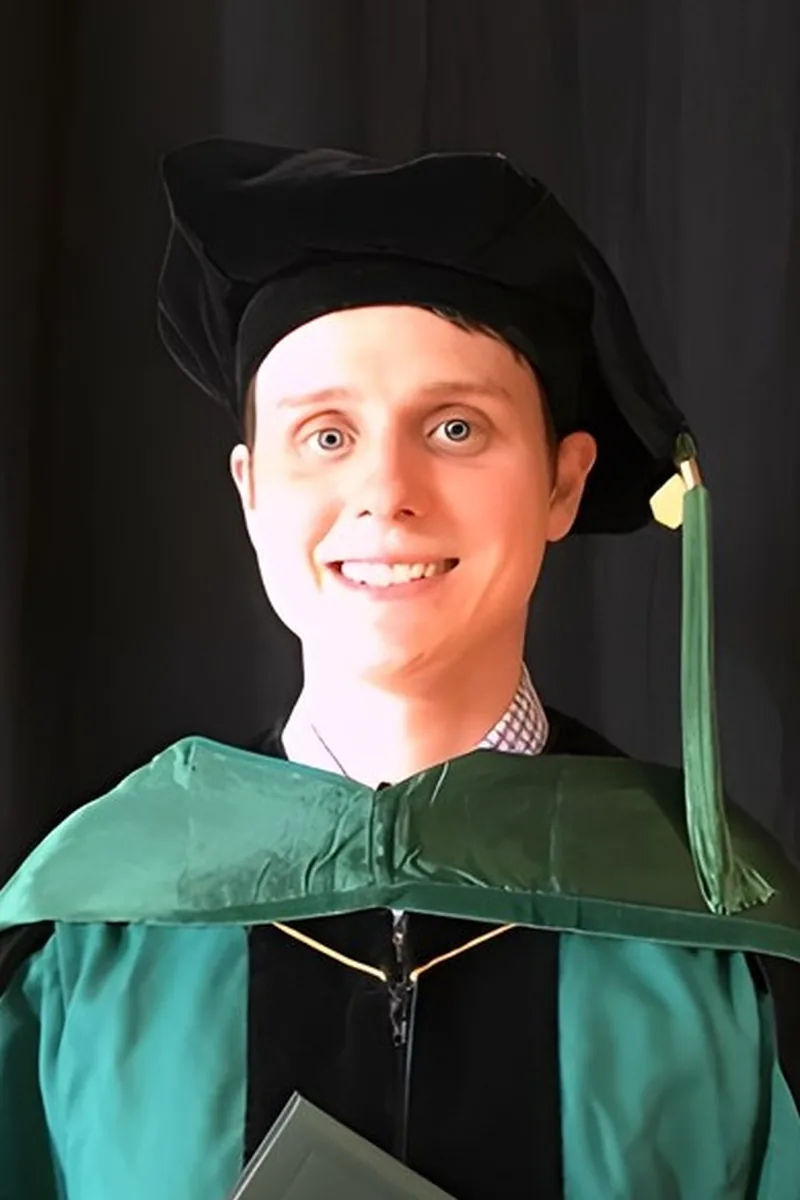
Studying physiology in a doctoral physical therapy program at Washington University means James isn't just reading about organ systems — he's applying concepts like cardiac output, muscle fiber recruitment, and respiratory mechanics to clinical cases every week. That applied lens makes him especially effective at explaining how the body's systems interact under stress, exercise, or disease. He teaches the 'why' behind each mechanism so the details stick.
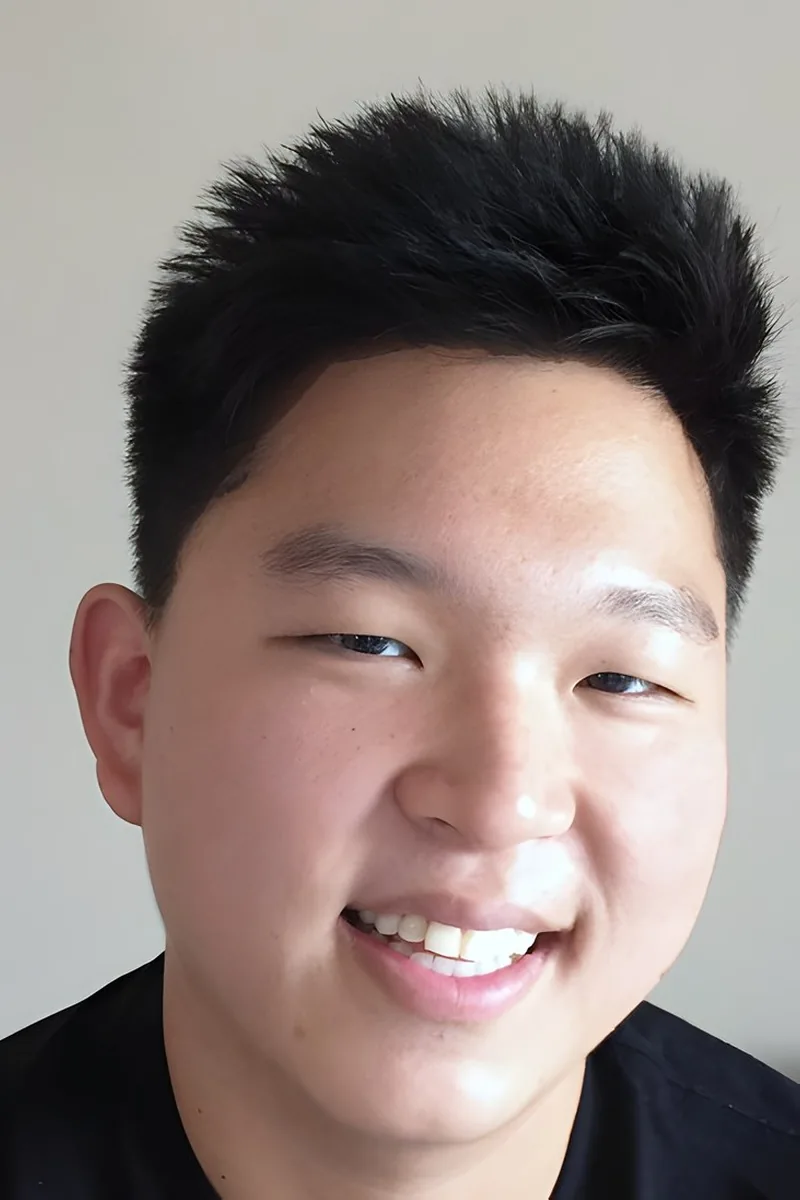
Understanding how organ systems regulate themselves — from cardiac output adjustments during exercise to the hormonal feedback loops controlling blood glucose — requires more than memorizing diagrams. Nathan earned his biology degree at UCLA and went on to study nursing at Concordia, giving him both the academic foundation and the clinical perspective to unpack how the body actually functions at a systems level.
Studying physiology in dental school meant mastering everything from cardiac output equations to nerve signal propagation in the trigeminal system. Daniel unpacks organ system functions by tying each mechanism back to a clinical scenario — how the kidneys regulate blood pressure, why the sympathetic nervous system triggers specific responses — so the logic behind each process becomes memorable.
Understanding physiology means thinking in systems — how a nerve impulse triggers muscle contraction, how the nephron filters blood, how cardiac output adjusts during exercise. Shayan's pre-health training at Penn gives him a clinical lens on these mechanisms, and he teaches each system by walking through what happens when it breaks down, which makes normal function far more intuitive.
Medical school is essentially an advanced physiology course, and Meghan applies that daily immersion to teaching concepts like action potentials, renal filtration, and cardiac cycle mechanics. She connects organ-system function to the underlying cellular biology, so students see how individual mechanisms produce whole-body outcomes.
Completing premed coursework at NYU while earning a finance degree gave Hanna an unusual double fluency — she thinks about the body's regulatory systems with the same rigor she'd apply to financial models, tracing inputs, outputs, and feedback the way she'd track capital flows. That analytical habit pays off in physiology topics like hormonal feedback loops, cardiac cycle timing, and renal clearance, where students who can follow the logic outperform those who just memorize the steps. Her subsequent classroom teaching experience also means she's practiced at breaking a dense process into smaller, sequenced pieces that actually stick.
Nikolas earned his Exercise Science degree at Ohio State studying exactly how the body regulates itself — cardiac output, gas exchange, renal filtration, neuromuscular signaling. That background means he teaches physiology as interconnected systems, not isolated chapters, connecting topics like the Frank-Starling mechanism to broader homeostatic principles. He holds a 5.0 client rating.
Helen earned a master's in pharmacology from Tulane, which means she didn't just study physiology — she studied what happens when you manipulate it. From cardiac output equations to renal filtration mechanics, she teaches organ systems by connecting structure to function to clinical relevance.
Studying kinesiology at Rice meant Tori lived in physiology — muscle contraction cascades, cardiac output regulation, renal filtration, respiratory gas exchange — for four years. She teaches these systems by tracing cause and effect through feedback loops, so students can predict what happens when one variable changes instead of memorizing isolated facts. That systems-level thinking is exactly what physiology exams reward.
Understanding physiology means thinking in systems — how cardiac output depends on stroke volume and heart rate, how nephron function maintains electrolyte balance, how feedback loops regulate hormone release. Krishna's biology degree and pre-med training at Cornell mean she's deeply immersed in these mechanisms and can explain them at the cellular, organ, and whole-body level. Her original research experience through the American Museum of Natural History adds a scientific rigor to how she unpacks complex physiological concepts.
Understanding physiology means tracing cause and effect across organ systems — how a drop in blood pressure triggers the renin-angiotensin pathway, or why ventilation-perfusion mismatch leads to hypoxemia. Camille is a medical student heading into surgical training at NYU, so she unpacks these mechanisms with the clinical precision that makes complex feedback loops intuitive.
Studying physiology in medical school at Drexel meant Prateek had to master cardiac output equations, renal filtration mechanics, and neuronal action potentials at a level most tutors never reach. He unpacks complex organ-system interactions — like how the renin-angiotensin system ties the kidneys to blood pressure regulation — in a way that makes the logic visible instead of requiring brute-force memorization. Whether it's for a college course or MCAT prep, his clinical training gives him a practical edge.
Testimonials
Because the right Physiology tutor makes all the difference.
Average Session Rating – Based on 3.4M Learner Ratings
Nearby Physiology Tutors
Other Omaha Tutors
Related Science Tutors in Omaha
Frequently Asked Questions
Physiology requires understanding how body systems work together, which means students often struggle with visualizing complex processes they can't directly observe. Many students also find it challenging to connect anatomical structures to their functions, or to grasp the quantitative aspects like fluid dynamics, pressure gradients, and electrical signaling. Personalized tutoring helps break these interconnected concepts into manageable pieces and uses targeted explanations tailored to how each student learns best.
Physiology courses in the Omaha area typically follow Nebraska state science standards and may be taught as part of advanced biology, human anatomy and physiology, or as a standalone course in high school or college prep programs. Course depth varies—some focus on introductory organ system function, while AP and honors physiology courses demand deeper understanding of cellular mechanisms, homeostasis, and quantitative problem-solving. Expert tutors familiar with local curricula can align instruction with your specific course requirements and pacing.
During your first session, a tutor will assess your current understanding of physiology concepts, identify specific areas of difficulty, and learn your preferred learning style—whether that's visual diagrams, written explanations, or hands-on problem-solving. This foundation allows the tutor to create a personalized plan that targets your biggest challenges while building on your strengths. Most students find that even the first session clarifies confusing concepts and builds confidence.
Many students notice clearer understanding of specific concepts within 2-3 sessions, especially when tutoring focuses on their most challenging topics. Measurable grade improvement typically follows within 4-6 weeks as understanding deepens and problem-solving skills strengthen. The timeline depends on your starting point, course pace, and how frequently you meet—consistent, focused sessions accelerate progress more than sporadic help.
In a classroom with a 15.4:1 student-teacher ratio, instructors must move at an average pace that doesn't always match individual learning needs—some students get left behind on complex topics like cellular respiration or nervous system signaling. Personalized tutoring allows a tutor to spend entire sessions on exactly what you need, use examples relevant to your interests, and adjust explanations in real-time based on your questions. This focused attention is especially valuable in physiology, where deep conceptual understanding matters more than memorization.
Look for tutors with strong backgrounds in biology, human physiology, or related sciences—ideally with experience teaching or tutoring the specific level you're studying (high school, AP, college introductory, or advanced). Tutors who can explain both the 'what' (how systems function) and the 'why' (underlying mechanisms) help students build genuine understanding rather than memorizing facts. Varsity Tutors connects you with expert tutors who have demonstrated expertise in physiology and a track record of helping students improve.
Yes—tutors can help you understand lab procedures, interpret data, and connect lab observations to physiological concepts. Whether you're learning to use equipment, analyze graphs, or write lab reports, personalized instruction helps you grasp the 'why' behind each step rather than just following procedures. This deeper understanding improves both your lab performance and your grasp of the underlying physiology.
Absolutely. Varsity Tutors connects students with tutors experienced in advanced physiology coursework, including AP Biology (which covers physiology), college introductory physiology, and specialized courses like exercise physiology or pathophysiology. Advanced courses demand not just understanding individual systems but integrating knowledge across systems and applying concepts to novel problems. Expert tutors can prepare you for exams, strengthen your foundation before college courses, and build the analytical skills these courses require.
Let’s find your perfect tutor
Answer a few quick questions. We’ll recommend the right plan and match you with a top 5% tutor.