Award-Winning Microbiology Tutors
serving Omaha, NE
Microbiology
Tutors in Omaha
Private 1-on-1 tutoring, weekly live classes for academic support, test prep & enrichment, practice tests and diagnostics, and more to elevate grades and test scores.
Based on 3.4M Learner Ratings
UniversitiesSchools & Universities
DeliveredHours Delivered
ProficiencyGrowth in Proficiency
Who needs tutoring?
No obligation. Takes ~1 minute.
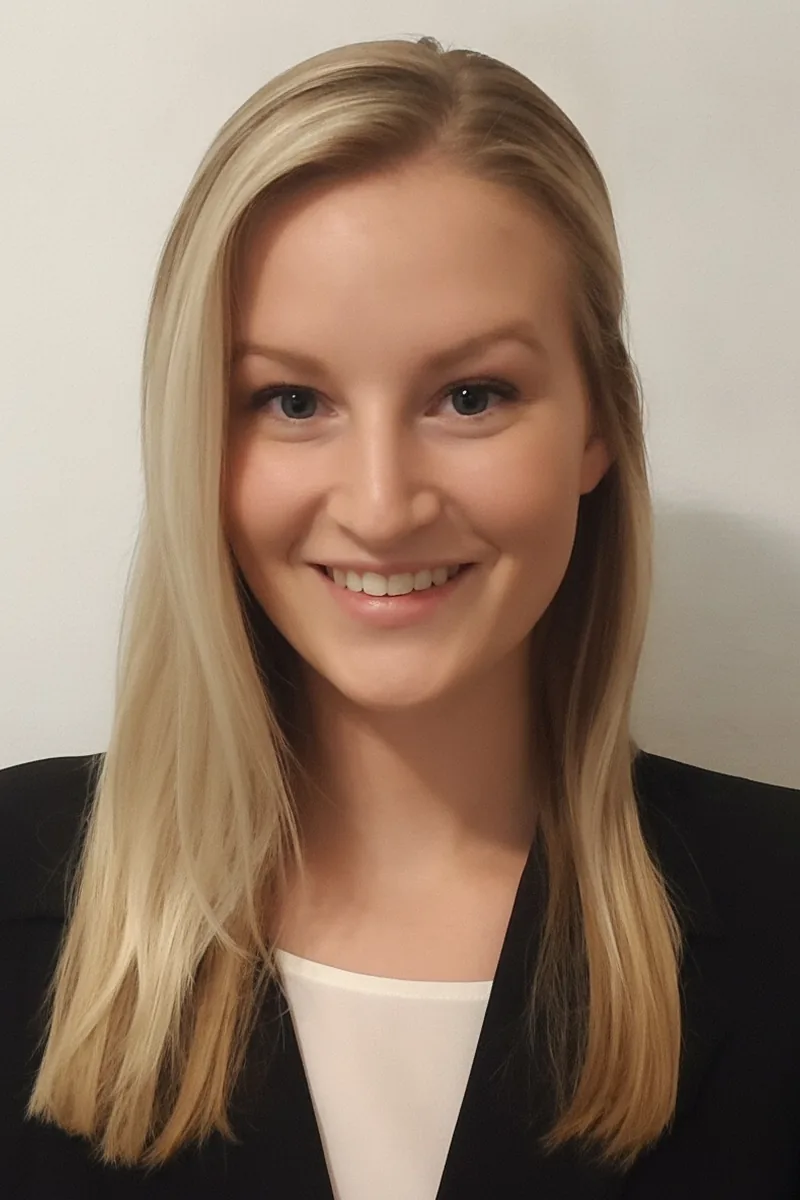
Laurie studied microbiology as part of her pre-med concentration and knows how to untangle the differences between bacterial structures, viral replication cycles, and immune response pathways. She tackles the subject by linking microscopic processes to clinical scenarios, making dense material like gram staining protocols and metabolic pathways easier to retain.
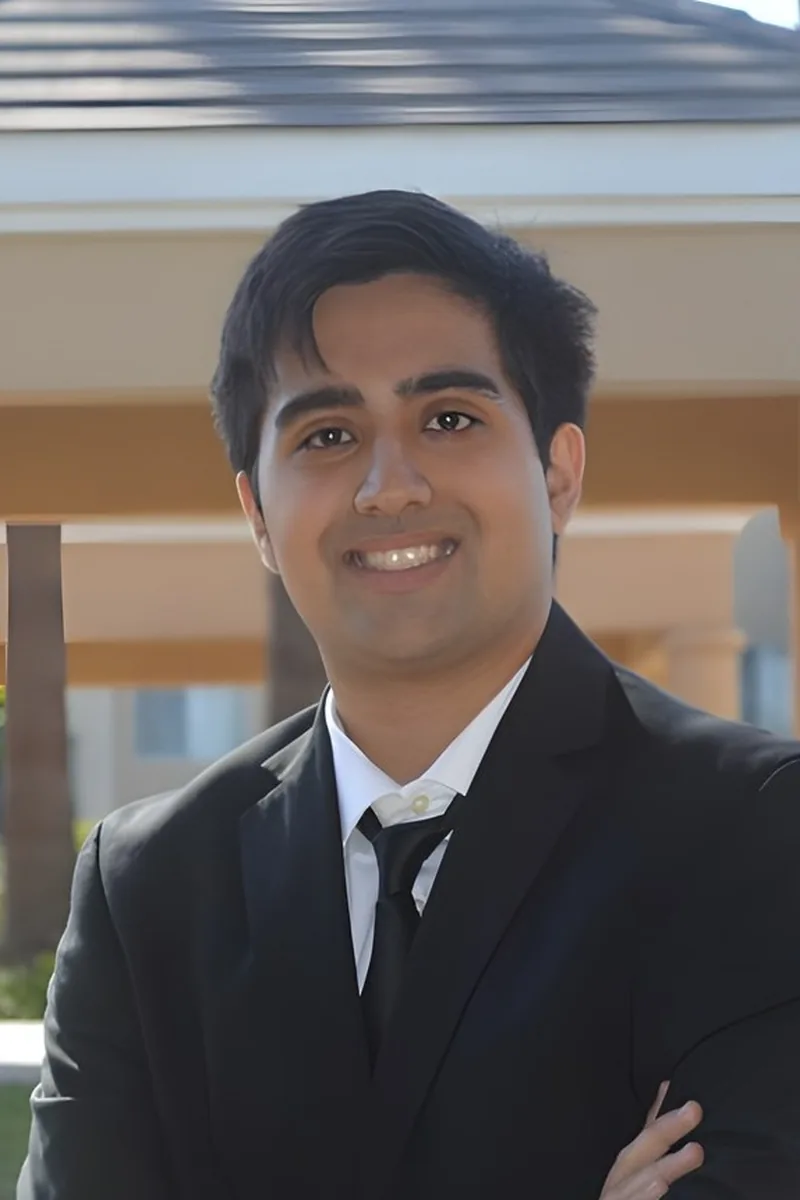
Keeping bacterial classification, virulence factors, and immune evasion strategies straight requires a system, not just flashcards. As a medical student at the Medical College of Wisconsin, Abrahim deals with microbiology in a clinical context daily — he teaches students to organize pathogens by mechanism of action and host response, which makes exam recall far more reliable.
Gram stains, bacterial metabolic pathways, and viral replication cycles all require a kind of systematic memorization that falls apart without conceptual scaffolding. Anni's graduate work in biomedical sciences at UMDNJ gave her direct experience with microbial concepts, and she teaches them by linking each organism's structure to its clinical significance.
Daniel earned his bachelor's degree in microbiology before completing dental school, giving him deep familiarity with bacterial morphology, metabolic pathways, and host-pathogen interactions. He approaches topics like gram staining protocols and viral replication cycles with the kind of specificity that turns a dense subject into something students can reason through rather than just memorize.
Ryan's master's work in cellular and molecular biology at Stanford, combined with hands-on synthetic biology research at NASA Ames, gave him deep fluency in microbial genetics, metabolic pathways, and laboratory techniques like PCR and gene cloning. He unpacks topics like bacterial pathogenesis and antimicrobial resistance by connecting them to the molecular mechanisms driving each process. Rated 5.0 by students.
Neuroscience at Brown doesn't let you skip the micro — Owen's coursework in biology and chemistry built a working understanding of how microorganisms operate at the cellular level, from membrane transport to metabolic regulation. He brings that mechanistic thinking to topics like bacterial growth curves and immune evasion, breaking down each process into the molecular steps that actually explain it.
Jean's medical training at Harvard Medical School gave her deep familiarity with the microbiology that matters most: bacterial pathogenesis, viral replication cycles, immune evasion strategies, and antimicrobial resistance. She breaks down complex host-pathogen interactions by tying them to clinical scenarios, which makes the material stick far better than rote memorization of genus and species lists.
Medical school gave Kruti an unusually practical understanding of microbiology — she learned bacteria, viruses, fungi, and parasites not as abstract taxonomy but as organisms that cause specific diseases through specific mechanisms. She digs into concepts like virulence factors, antibiotic resistance pathways, and immune evasion strategies with the kind of detail that sticks. Students preparing for college-level micro exams or USMLE-style questions get someone who's recently navigated both.
Studying both Biology and Political Science at the college level, Andrea is immersed in microbiology coursework — from bacterial cell structure and metabolic pathways to viral replication cycles. She unpacks dense material by tying molecular-level processes to bigger-picture concepts like immune response and antibiotic resistance, which makes the details easier to retain.
Haley's day job in a public health laboratory gives her hands-on experience with the bacterial cultures, staining techniques, and antimicrobial susceptibility testing that microbiology courses cover in theory. She brings real bench context to topics like gram-negative vs. gram-positive classification, metabolic pathways, and pathogenesis — turning textbook organisms into something tangible. Rated 5.0 by students.
Michelle's PhD thesis centered on bacterial infections, so microbiology isn't a textbook subject for her — it's the system she lived in for years. She digs into topics like biofilm formation, antimicrobial resistance mechanisms, and host-pathogen dynamics with the kind of specificity that comes from designing experiments around those exact processes.
Bacterial morphology, Gram staining techniques, viral replication cycles — microbiology throws a lot of vocabulary at students before asking them to think critically about pathogenesis and immune response. Ade's biology degree gives him the foundation to break down these interconnected systems and show how individual microorganisms actually behave in clinical and environmental contexts.
Testimonials
Because the right Microbiology tutor makes all the difference.
Average Session Rating – Based on 3.4M Learner Ratings
Nearby Microbiology Tutors
Other Omaha Tutors
Related Science Tutors in Omaha
Frequently Asked Questions
Microbiology students often struggle with visualizing microscopic organisms and processes that can't be directly observed, understanding how different microorganisms interact with their environments, and connecting lab observations to broader theoretical concepts. Additionally, memorizing the characteristics of various bacteria, viruses, and fungi while also grasping the mechanisms behind microbial growth and metabolism can feel overwhelming without personalized guidance.
Personalized 1-on-1 instruction helps students understand the reasoning behind experimental procedures, not just follow steps mechanically. Tutors can help you interpret lab results, troubleshoot unexpected outcomes, connect your observations to microbial theory, and develop stronger scientific reasoning skills that make future experiments clearer and more meaningful.
Your first session is designed to understand your current level, learning style, and specific challenges—whether that's struggling with staining techniques, grasping metabolic pathways, or preparing for exams. The tutor will ask about your course goals and any topics causing confusion, then develop a personalized plan to build your confidence and understanding from there.
While Microbiology does require learning terminology and characteristics of different microorganisms, true mastery comes from understanding the 'why' behind microbial behavior—how they reproduce, metabolize, and interact with hosts and environments. Tutoring focuses on building conceptual understanding first, which makes memorization stick better and helps you apply knowledge to new situations, lab scenarios, and exam questions.
Personalized tutoring includes strategies for visualizing abstract microbial structures and processes through diagrams, models, and real-world examples. Tutors can help you understand cell wall structures, flagellar movement, viral replication cycles, and metabolic pathways by breaking them into manageable pieces and connecting them to concepts you already understand.
Effective exam prep goes beyond cramming facts—it involves understanding core concepts, practicing application questions, and identifying your weak areas early. Tutors help you develop study strategies tailored to your learning style, work through practice problems, and build confidence with the types of questions you'll encounter, whether they're multiple choice, short answer, or lab-based scenarios.
Varsity Tutors connects you with expert tutors who have strong backgrounds in Microbiology and experience helping students in Omaha succeed. We consider your specific needs, schedule, and learning preferences to ensure a great fit, so you get personalized instruction from someone who understands both the subject and how you learn best.
Connecting Microbiology concepts to real-world applications—like how antibiotics work, why food spoils, or how vaccines function—makes the material more meaningful and easier to retain. Tutors help you see how microbial processes affect medicine, industry, and everyday life, which deepens your understanding and makes studying feel more relevant to your goals.
Let’s find your perfect tutor
Answer a few quick questions. We’ll recommend the right plan and match you with a top 5% tutor.