Award-Winning Essay Editing Tutors
serving Norfolk, VA
Essay Editing
Tutors in Norfolk
Private 1-on-1 tutoring, weekly live classes for academic support, test prep & enrichment, practice tests and diagnostics, and more to elevate grades and test scores.
Based on 3.4M Learner Ratings
UniversitiesSchools & Universities
DeliveredHours Delivered
ProficiencyGrowth in Proficiency
Who needs tutoring?
No obligation. Takes ~1 minute.
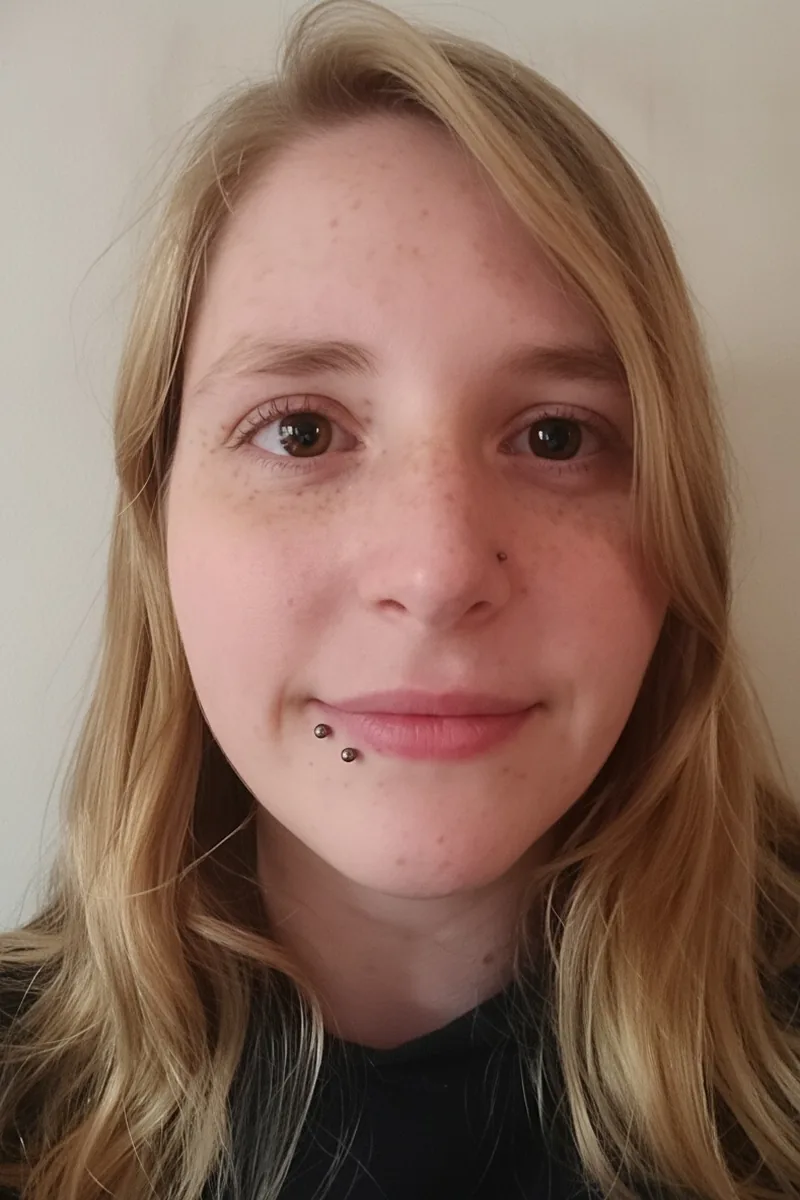
Before Columbia, Julia worked in Bergen Community College's writing center, where she edited papers across disciplines — from lab reports to argumentative essays — and learned to adapt her feedback to each writer's level. She tackles revision in layers: first the argument's logical structure, then paragraph-level transitions, then sentence clarity and grammar. Rated 5.0 by students.
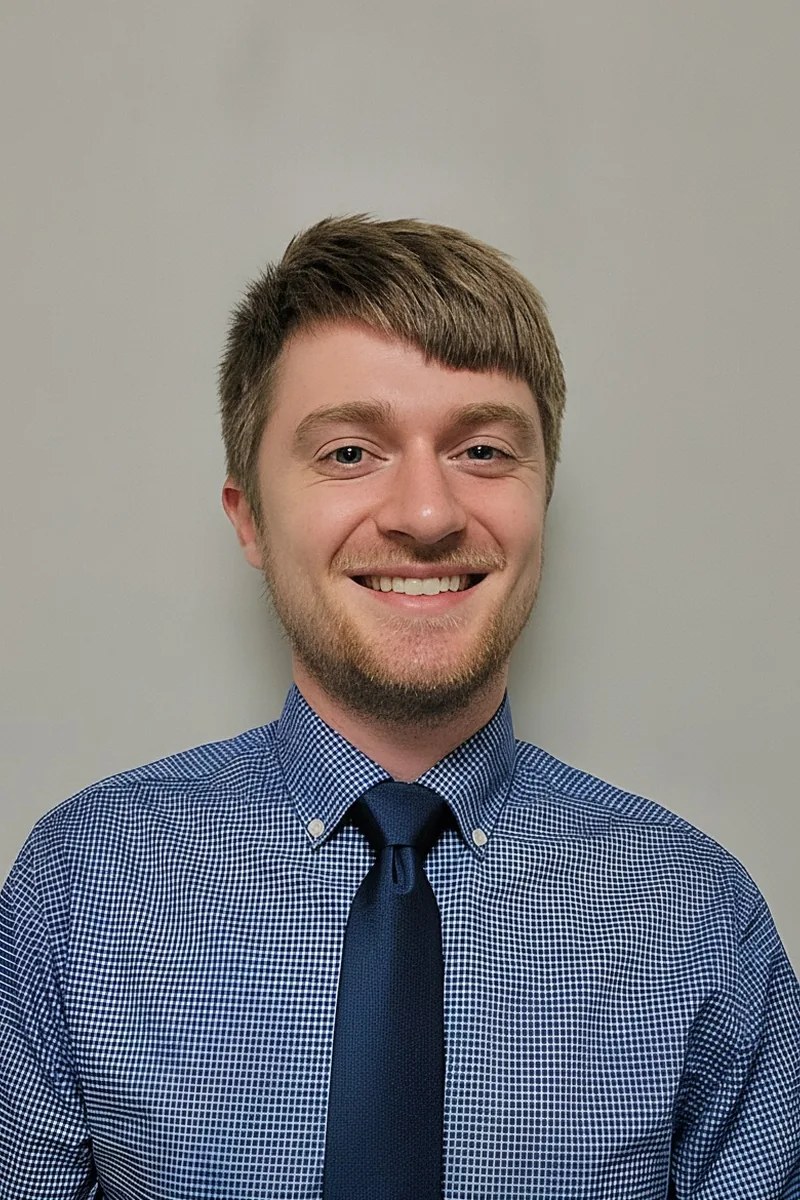
Bryan's physics background might seem unrelated to essay editing, but scientific writing demands ruthless clarity — every claim needs evidence, every sentence needs a reason to exist. He applies that same discipline to student drafts, cutting vague language and restructuring paragraphs until the argument reads as tightly as a lab report. Rated 5.0 by students.
Good editing isn't just about fixing errors — it's about seeing the gap between what a writer intended and what actually landed on the page. Cole's background in academic writing at the graduate level and his love of reading make him a sharp structural editor who can identify where an argument loses the reader, where a paragraph needs tightening, and where stronger evidence would make a claim stick.
Good engineering writing demands clarity and precision — skills Waleed carried directly into essay editing. He zeroes in on argument structure, transitions, and redundant phrasing, showing students how to tighten a draft so every sentence earns its place. Rated 5.0 by students.
Good editing requires reading someone else's argument more carefully than they did — a skill Amber honed through years of legal and policy writing. She tackles essay drafts at two levels: first the architecture (thesis clarity, paragraph transitions, evidence placement), then the sentence-level polish (grammar, word choice, concision). Students walk away understanding not just what to fix but why the revision is stronger.
Between co-authoring a nationally published policy article and navigating the rigors of law school writing, Gary has logged serious hours revising his own prose for clarity, argument flow, and precision. He edits student essays by pinpointing where the logic breaks down or where a paragraph buries its main point, then teaches the revision techniques to fix it — not just marking up the page.
Good editing isn't just catching typos — it's restructuring an argument so each paragraph earns its place. Marin, currently a second-year student at Harvard Law where persuasive writing is a daily requirement, edits for logic and flow first, then tightens at the sentence level. She's particularly sharp at identifying where a draft loses its reader and showing exactly how to fix the gap.
Good editing is more than fixing typos — it's about examining whether each paragraph earns its place and whether the argument actually holds together under scrutiny. Molly spent a year in a college writing center reading drafts at every stage, from rough outlines to near-final polishes, and she's skilled at identifying where a piece loses the reader. She tackles big structural issues first, then works down to sentence-level clarity and word choice.
Good essay editing goes beyond fixing commas — it means diagnosing whether each paragraph actually earns its place in the argument. Austin's analytical training in applied mathematics gives him a sharp eye for logical gaps, weak transitions, and thesis statements that promise more than the essay delivers.
Editing is more than catching typos — it's rethinking whether each paragraph earns its place and whether the argument actually builds. Briana reads drafts at both the structural and sentence level, showing writers how to tighten transitions, sharpen thesis statements, and cut the filler that weakens their claims. Her feedback is specific enough that students learn to self-edit over time.
Joel treats essay editing as more than fixing commas — he reads for argument structure first, checking whether each paragraph earns its place and whether transitions actually connect ideas. From there he moves into sentence-level clarity, tightening phrasing and eliminating the passive constructions that weaken academic writing. His 5.0 rating speaks to how much students value that layered approach.
Good essay editing goes deeper than fixing commas — it means tightening arguments, cutting filler, and making sure each paragraph earns its place. Anurag refined this skill through years of scientific writing and medical school application essays, and he teaches students to read their own drafts critically, spotting weak transitions and unsupported claims before a reader ever does.
Christianna treats essay editing the way an architect treats a design review — she looks at the overall structure first, then zooms into paragraph transitions, argument logic, and sentence-level clarity. Students walk away understanding not just what to fix but why a revision makes their writing stronger.
Most essay drafts don't need more polish — they need structural surgery. Calin approaches editing by first identifying whether an essay's argument actually holds together logically, then tightening paragraph-level transitions and sentence clarity. His philosophy training makes him especially sharp at spotting claims that sound persuasive but don't actually follow from the evidence.
Bhumi treats essay editing as more than fixing commas and run-ons. She reads a draft for argument structure first — whether the thesis actually threads through every paragraph — then tightens transitions, sharpens word choice, and flags places where evidence doesn't quite support the claim. Her medical training instilled a precision with language that carries over directly into written feedback.
Clarity and structure matter as much in a lab report as in a personal narrative, and Emma applies that same precision when editing student essays. She digs into thesis development, paragraph transitions, and sentence-level grammar — then explains the reasoning behind each revision so the student can self-edit next time.
Between her BS/MD program's writing demands and eight months teaching English and writing to students ages 5 through 18, Roshni has developed a sharp eye for what makes a draft click — or stall. She digs into tone, word choice, and pacing, showing writers how small revisions at the sentence level can transform the overall impact of a piece. Rated 4.9 by past clients.
Editing an essay well requires knowing what the writer is actually trying to argue, not just where the commas go. Kyle digs into thesis clarity, paragraph-level logic, and evidence integration before touching sentence-level polish — an approach built from years of writing across philosophy, history, and political science at the undergraduate and graduate level.
A strong essay usually isn't three drafts away from a weak one — it's one structural insight away. Sanam zeroes in on argument clarity, paragraph-level logic, and transitions, giving concrete feedback that tightens a paper's reasoning rather than just polishing its grammar.
Strong essay editing goes beyond catching comma splices — it means evaluating whether each paragraph actually advances the argument and whether transitions carry a reader smoothly from one idea to the next. Ying brings a structured, logical eye to revision, identifying where claims need stronger evidence or where a sentence buries its own point under unnecessary complexity.
A rough draft isn't a failure — it's raw material. Samantha approaches essay editing by teaching students to diagnose their own writing: spotting weak thesis statements, tightening paragraph transitions, and cutting filler that dilutes an argument. Her goal is for students to internalize the revision process so they can sharpen future drafts independently.
Good editing is more than catching typos — it's restructuring a muddled argument, tightening a paragraph that buries its thesis, or cutting the sentence that sounds smart but says nothing. Stephanie brings a linguist's precision to every draft, whether it's an academic paper, a personal narrative, or a graduate school application. She's rated 5.0 by students.
Good essay editing isn't just catching comma splices — it's figuring out where an argument loses the reader and why. Kara breaks revision into layers: first structural logic (does each paragraph earn its place?), then clarity at the sentence level, then mechanics. Her background writing research papers in biology and public health means she's edited across genres and knows how to tighten prose without flattening a student's voice.
A strong draft and a finished essay are separated by the kind of revision most students skip — restructuring an argument's logic, cutting the paragraph that doesn't earn its place, tightening a thesis until it actually says something specific. Kendra's editing process addresses structure and clarity first, then moves to sentence-level polish, so the final product reads as one cohesive piece rather than a patchwork of corrections.
I am currently a lead preschool teacher. I received my Bachelor's in Psychology from VCU and am looking to return to school to further my education. While in college, I worked as a Supplemental Instruction leader, teaching general biology and anatomy. I have also worked in an after school program with elementary age children, but I have my fondest memories volunteering as a counselor for Camp Kesem. In my own experience, I loved school and now I love teaching even more at all age levels! I especially enjoy the challenge of getting creative to discover what approach and mediums work best for each student. I am available for in person as well as online tutoring.
I am a graduate of Tufts University. I received my Bachelor of Arts in English as well as a minor in History. Since graduation, I have worked as a 7th grade Reading Language Arts teacher in Dallas Texas at a newly formed public all boys school. This has provided me with great experience and insight into how students best learn and how to create culturally responsive lessons that students will engage with. I am most passionate about English, Literature, History, and Spanish. In my experience, working to prepare students for state standardized tests has had the additional benefit of helping students to discover what they enjoy reading about. This increase in intrinsic motivation to read has had an important impact on struggling students. I am dedicated towards ensuring that students are provided with an education that increases their quality of life.
Good editing goes deeper than fixing commas — it's about tightening arguments, cutting filler, and making sure every paragraph earns its place. Megan reads drafts with an eye for logical flow and clarity, drawing on her cognitive science training to pinpoint where a reader's attention drifts and restructure accordingly. She's rated 5.0 by the students she's worked with.
Devan treats essay editing as more than fixing commas — he walks through argument structure, paragraph transitions, and how to tighten a thesis so every sentence earns its place. His experience with college essays and academic writing at UVA means he knows what clear, persuasive prose looks like at the collegiate level.
Good editing is about more than fixing typos — it's about rethinking structure, tightening arguments, and cutting the sentences a writer loves but the essay doesn't need. Julia brings a writer's discipline to the revision process, walking through drafts with an eye for logical flow, paragraph-level coherence, and whether each claim actually earns its place.
Good essay editing goes beyond catching comma splices — it means diagnosing whether a paragraph actually earns its place in the argument. Shahad reads student drafts with an eye for structural logic, flagging where a claim needs stronger evidence or where two paragraphs are secretly making the same point. Her 4.9 rating speaks to how much cleaner students' writing gets after working through revisions together.
Editing someone else's essay is tricky because the goal isn't to rewrite it in your own voice — it's to make their argument sharper. Zeke tackles this by first identifying what a draft is actually trying to say, then tightening structure, transitions, and evidence around that thesis. His 5.0 student rating comes from an ability to give honest, specific feedback without steamrolling the writer's ideas.
Medical school applications taught Allison how much a single essay's structure and clarity can matter — she revised her own personal statements through dozens of drafts before landing on versions that worked. She brings that same sentence-level attention to student essays, tightening thesis statements, cutting filler, and reshaping paragraphs so each one earns its place.
A strong essay usually isn't rewritten — it's restructured. Yashwant zeroes in on argument flow, transition logic, and sentence-level clarity, showing students how to tighten a draft without losing their voice. His experience writing across disciplines at VCU means he can edit everything from lab reports to personal narratives.
Editing an essay isn't just fixing commas — it's hearing where the argument loses momentum or where a paragraph buries its strongest point. Armando, who conducts a performing organization and holds a PhD in composition, applies that same sense of pacing and clarity to sentence-level revision, paragraph restructuring, and tightening thesis statements until every line earns its place.
Good essay editing goes beyond fixing commas; it means evaluating whether each paragraph actually earns its place in the argument. Braveen approaches revision structurally first — checking thesis clarity, evidence quality, and logical flow — then tightens sentence-level grammar and style. Years of writing policy briefs and research papers trained him to cut what doesn't serve the reader.
Most students know their essay "needs work" but can't pinpoint where. Amanda's editing process starts with the argument itself — whether the thesis actually drives each paragraph — before moving into sentence-level revisions like tightening syntax and eliminating passive voice. That top-down approach keeps writers from polishing sentences that shouldn't be there in the first place.
Strong essay editing goes beyond fixing commas — it means tightening argument structure, cutting redundancy, and making sure every paragraph earns its place. Anmol reads drafts with a programmer's eye for logic, flagging where claims lack evidence or where transitions fail to connect ideas. He holds a 5.0 rating and is especially effective at turning rough drafts into polished final versions.
Good editing isn't just fixing commas — it's asking whether every paragraph earns its place. Shona spent three semesters as an academic tutor at VCU's Campus Learning Center, where she reviewed essays across disciplines and learned to spot weak thesis statements, tangled arguments, and transitions that don't actually transition.
Good editing isn't just fixing commas — it's asking whether each paragraph earns its place in the argument. Brittany reads drafts with a structural eye first, identifying where the thesis loses focus or where evidence doesn't land, then moves into sentence-level clarity and tone. Her IB training in extended essay writing sharpened exactly this kind of layered revision process.
Spending three years writing lab reports, research proposals, and application essays for pre-med has made Monika a sharp editor who knows how to tighten an argument. She zeroes in on thesis clarity, paragraph-level organization, and transitions — the structural issues that separate a B paper from an A.
Testimonials
Because the right Essay Editing tutor makes all the difference.
Average Session Rating – Based on 3.4M Learner Ratings
Other Norfolk Tutors
Related English Tutors in Norfolk
Frequently Asked Questions
Varsity Tutors matches Norfolk students with expert Essay Editing tutors for 1-on-1 instruction. We pair each student with a tutor based on their specific needs, learning style, and goals.
Whether you need homework help, exam prep, or want to get ahead, our Essay Editing tutors are ready to help.
Common challenges include gaps from earlier material, difficulty with specific concepts, and trouble applying learning to new problems. These issues can snowball quickly in Essay Editing.
A tutor identifies where you're stuck, fills in gaps, and provides targeted practice. The 1-on-1 format means you get help exactly where you need it.
Tutors work with your student's actual coursework—homework assignments, class notes, and upcoming tests. This keeps tutoring directly relevant to what's happening in the classroom.
When you share information about your student's school and curriculum, we can match you with a tutor who has relevant experience.
All tutors complete background checks, credential verification, and teaching evaluation. Many of our Essay Editing tutors hold advanced degrees or have years of teaching experience.
You can review tutor profiles to find someone with the right background for your student's level and needs.
Many students see improved grades within a few weeks, along with better understanding of Essay Editing concepts and more confidence tackling challenging material.
Tutors track progress and adjust their approach to ensure continued improvement.
Most students benefit from 1-2 sessions per week. More frequent sessions help if your student is significantly behind or has an important exam coming up.
Your tutor can recommend a schedule based on your student's specific situation and goals.
Tutoring is purchased in packages of hours, with rates varying by tutor experience. Varsity Tutors offers several options to fit different budgets and needs.
You can discuss pricing during your consultation to find what works best.
Your tutor will assess where your student is, discuss goals, and start working on priority areas. Most students bring current homework or upcoming test material to focus on.
By the end, you'll have a clear sense of how the tutor can help and a plan for moving forward.
Let’s find your perfect tutor
Answer a few quick questions. We’ll recommend the right plan and match you with a top 5% tutor.