Award-Winning Essay Editing Tutors
serving Richmond, VA
Essay Editing
Tutors in Richmond
Private 1-on-1 tutoring, weekly live classes for academic support, test prep & enrichment, practice tests and diagnostics, and more to elevate grades and test scores.
Based on 3.4M Learner Ratings
UniversitiesSchools & Universities
DeliveredHours Delivered
ProficiencyGrowth in Proficiency
Who needs tutoring?
No obligation. Takes ~1 minute.
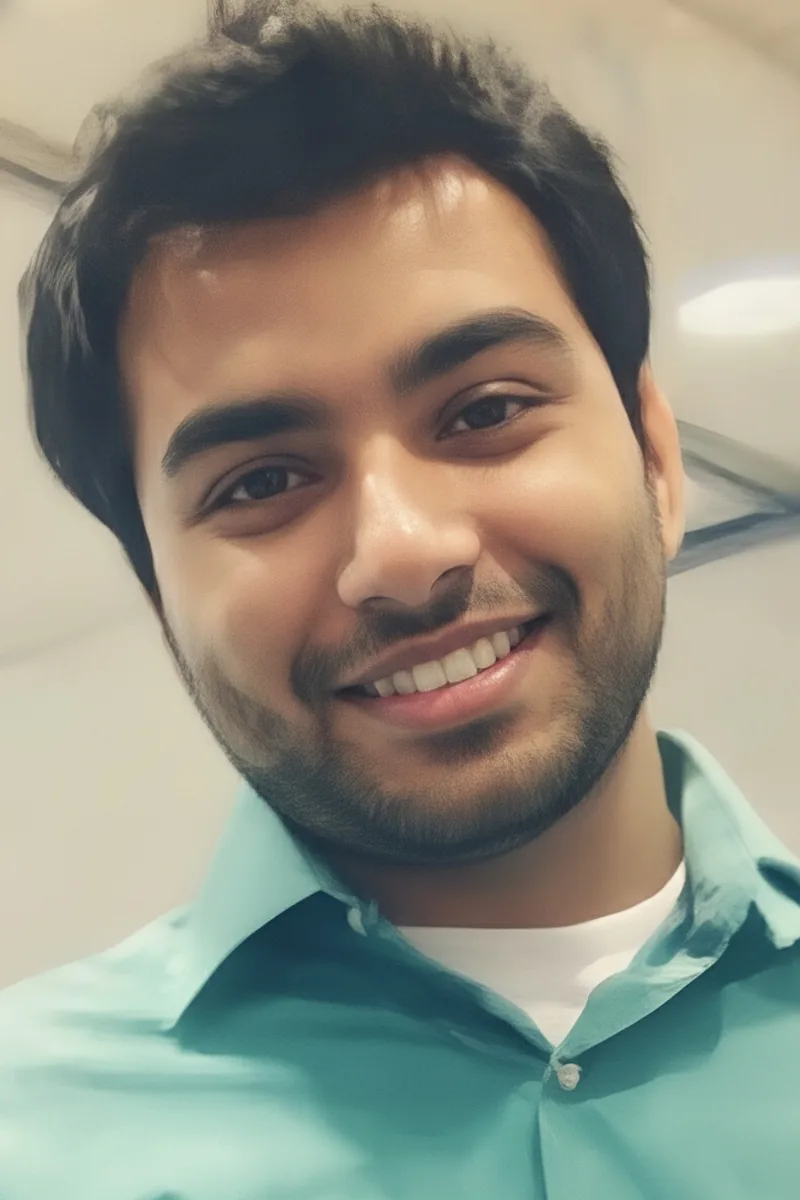
Good engineering writing demands clarity and precision — skills Waleed carried directly into essay editing. He zeroes in on argument structure, transitions, and redundant phrasing, showing students how to tighten a draft so every sentence earns its place. Rated 5.0 by students.
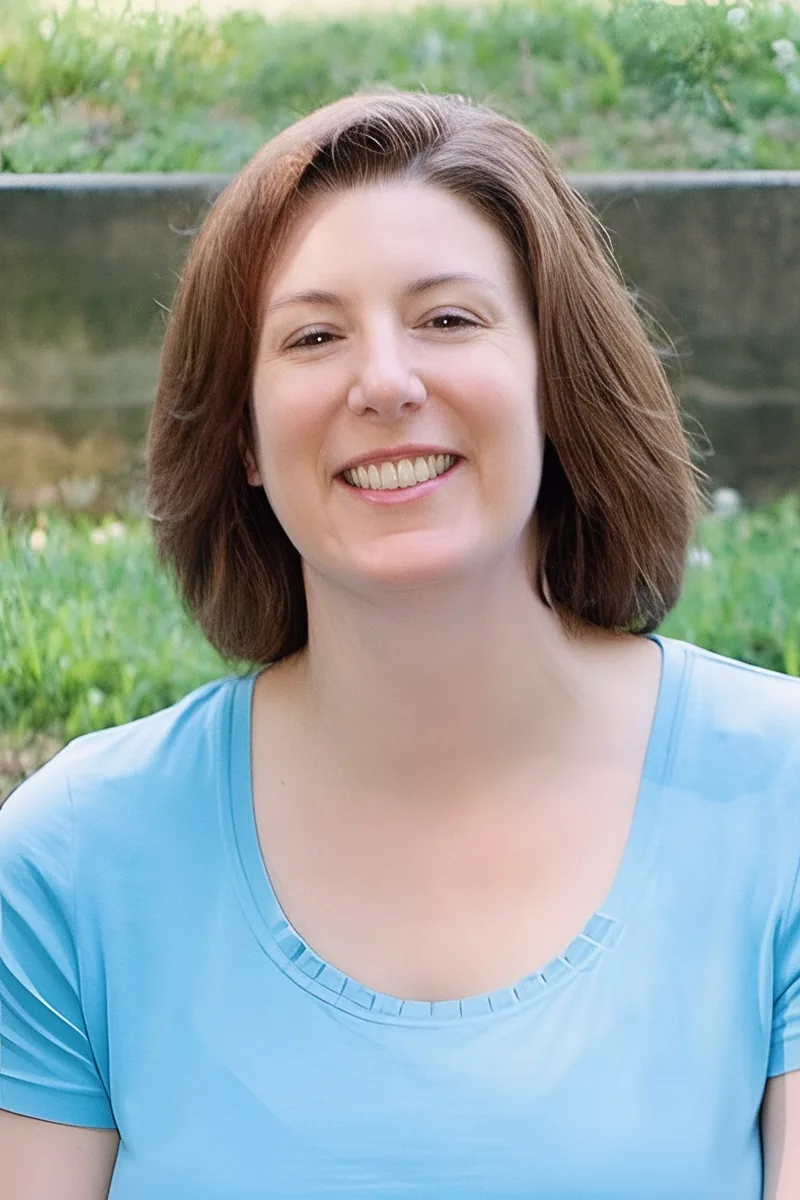
Good editing requires reading someone else's argument more carefully than they did — a skill Amber honed through years of legal and policy writing. She tackles essay drafts at two levels: first the architecture (thesis clarity, paragraph transitions, evidence placement), then the sentence-level polish (grammar, word choice, concision). Students walk away understanding not just what to fix but why the revision is stronger.
Good editing is more than fixing typos — it's about examining whether each paragraph earns its place and whether the argument actually holds together under scrutiny. Molly spent a year in a college writing center reading drafts at every stage, from rough outlines to near-final polishes, and she's skilled at identifying where a piece loses the reader. She tackles big structural issues first, then works down to sentence-level clarity and word choice.
Good essay editing goes beyond fixing commas — it means diagnosing whether each paragraph actually earns its place in the argument. Austin's analytical training in applied mathematics gives him a sharp eye for logical gaps, weak transitions, and thesis statements that promise more than the essay delivers.
Joel treats essay editing as more than fixing commas — he reads for argument structure first, checking whether each paragraph earns its place and whether transitions actually connect ideas. From there he moves into sentence-level clarity, tightening phrasing and eliminating the passive constructions that weaken academic writing. His 5.0 rating speaks to how much students value that layered approach.
Editing is more than catching typos — it's rethinking whether each paragraph earns its place and whether the argument actually builds. Briana reads drafts at both the structural and sentence level, showing writers how to tighten transitions, sharpen thesis statements, and cut the filler that weakens their claims. Her feedback is specific enough that students learn to self-edit over time.
Bhumi treats essay editing as more than fixing commas and run-ons. She reads a draft for argument structure first — whether the thesis actually threads through every paragraph — then tightens transitions, sharpens word choice, and flags places where evidence doesn't quite support the claim. Her medical training instilled a precision with language that carries over directly into written feedback.
Good essay editing goes deeper than fixing commas — it means tightening arguments, cutting filler, and making sure each paragraph earns its place. Anurag refined this skill through years of scientific writing and medical school application essays, and he teaches students to read their own drafts critically, spotting weak transitions and unsupported claims before a reader ever does.
Clarity and structure matter as much in a lab report as in a personal narrative, and Emma applies that same precision when editing student essays. She digs into thesis development, paragraph transitions, and sentence-level grammar — then explains the reasoning behind each revision so the student can self-edit next time.
Between her BS/MD program's writing demands and eight months teaching English and writing to students ages 5 through 18, Roshni has developed a sharp eye for what makes a draft click — or stall. She digs into tone, word choice, and pacing, showing writers how small revisions at the sentence level can transform the overall impact of a piece. Rated 4.9 by past clients.
Editing an essay well requires knowing what the writer is actually trying to argue, not just where the commas go. Kyle digs into thesis clarity, paragraph-level logic, and evidence integration before touching sentence-level polish — an approach built from years of writing across philosophy, history, and political science at the undergraduate and graduate level.
A strong essay usually isn't three drafts away from a weak one — it's one structural insight away. Sanam zeroes in on argument clarity, paragraph-level logic, and transitions, giving concrete feedback that tightens a paper's reasoning rather than just polishing its grammar.
Strong essay editing goes beyond catching comma splices — it means evaluating whether each paragraph actually advances the argument and whether transitions carry a reader smoothly from one idea to the next. Ying brings a structured, logical eye to revision, identifying where claims need stronger evidence or where a sentence buries its own point under unnecessary complexity.
I am a graduate of Tufts University. I received my Bachelor of Arts in English as well as a minor in History. Since graduation, I have worked as a 7th grade Reading Language Arts teacher in Dallas Texas at a newly formed public all boys school. This has provided me with great experience and insight into how students best learn and how to create culturally responsive lessons that students will engage with. I am most passionate about English, Literature, History, and Spanish. In my experience, working to prepare students for state standardized tests has had the additional benefit of helping students to discover what they enjoy reading about. This increase in intrinsic motivation to read has had an important impact on struggling students. I am dedicated towards ensuring that students are provided with an education that increases their quality of life.
A strong draft and a finished essay are separated by the kind of revision most students skip — restructuring an argument's logic, cutting the paragraph that doesn't earn its place, tightening a thesis until it actually says something specific. Kendra's editing process addresses structure and clarity first, then moves to sentence-level polish, so the final product reads as one cohesive piece rather than a patchwork of corrections.
I am currently a lead preschool teacher. I received my Bachelor's in Psychology from VCU and am looking to return to school to further my education. While in college, I worked as a Supplemental Instruction leader, teaching general biology and anatomy. I have also worked in an after school program with elementary age children, but I have my fondest memories volunteering as a counselor for Camp Kesem. In my own experience, I loved school and now I love teaching even more at all age levels! I especially enjoy the challenge of getting creative to discover what approach and mediums work best for each student. I am available for in person as well as online tutoring.
Good editing goes deeper than fixing commas — it's about tightening arguments, cutting filler, and making sure every paragraph earns its place. Megan reads drafts with an eye for logical flow and clarity, drawing on her cognitive science training to pinpoint where a reader's attention drifts and restructure accordingly. She's rated 5.0 by the students she's worked with.
Good editing is about more than fixing typos — it's about rethinking structure, tightening arguments, and cutting the sentences a writer loves but the essay doesn't need. Julia brings a writer's discipline to the revision process, walking through drafts with an eye for logical flow, paragraph-level coherence, and whether each claim actually earns its place.
Good essay editing goes beyond catching comma splices — it means diagnosing whether a paragraph actually earns its place in the argument. Shahad reads student drafts with an eye for structural logic, flagging where a claim needs stronger evidence or where two paragraphs are secretly making the same point. Her 4.9 rating speaks to how much cleaner students' writing gets after working through revisions together.
Good essay editing goes beyond fixing commas; it means evaluating whether each paragraph actually earns its place in the argument. Braveen approaches revision structurally first — checking thesis clarity, evidence quality, and logical flow — then tightens sentence-level grammar and style. Years of writing policy briefs and research papers trained him to cut what doesn't serve the reader.
Most students know their essay "needs work" but can't pinpoint where. Amanda's editing process starts with the argument itself — whether the thesis actually drives each paragraph — before moving into sentence-level revisions like tightening syntax and eliminating passive voice. That top-down approach keeps writers from polishing sentences that shouldn't be there in the first place.
Medical school applications taught Allison how much a single essay's structure and clarity can matter — she revised her own personal statements through dozens of drafts before landing on versions that worked. She brings that same sentence-level attention to student essays, tightening thesis statements, cutting filler, and reshaping paragraphs so each one earns its place.
Good editing isn't just fixing commas — it's asking whether every paragraph earns its place. Shona spent three semesters as an academic tutor at VCU's Campus Learning Center, where she reviewed essays across disciplines and learned to spot weak thesis statements, tangled arguments, and transitions that don't actually transition.
A rough draft isn't a failure — it's raw material. Lauren approaches essay editing by teaching students to diagnose their own writing: where the thesis loses focus, where transitions break down, where evidence needs tighter integration. Her dual background in Communications and English sharpens both the clarity and persuasiveness of every revision.
Spending three years writing lab reports, research proposals, and application essays for pre-med has made Monika a sharp editor who knows how to tighten an argument. She zeroes in on thesis clarity, paragraph-level organization, and transitions — the structural issues that separate a B paper from an A.
Good essay editing goes beyond catching comma splices and passive voice; it means restructuring paragraphs so each one earns its place. Elderen reads drafts the way a skeptical professor would, flagging weak thesis statements, unsupported claims, and transitions that don't actually transition. The result is writing that's tighter and more persuasive from the first paragraph to the last.
Editing is more than catching typos — it's about asking whether each paragraph earns its place and whether the argument actually builds. Brooke approaches revision in layers: first structural logic, then paragraph-level transitions, then sentence clarity and grammar. Her background in literary and theatrical analysis sharpens her instinct for pacing and voice, so the final draft sounds like the writer, only tighter.
A solid essay becomes a sharp one when someone identifies the spots where the argument drifts or the sentences lose momentum. Kai edits at both the structural and sentence level — tightening thesis statements, flagging unsupported claims, and cleaning up transitions so each paragraph earns its place in the piece.
A strong essay draft and a polished final version are separated by the kind of editing most students were never explicitly taught — tightening thesis statements, cutting redundancy, and restructuring paragraphs so each one earns its place. Michael approaches revision as a systematic process, showing students how to diagnose their own writing weaknesses rather than just fixing surface-level grammar.
Good essay editing goes beyond catching comma splices — it means tightening arguments, cutting filler, and making sure every paragraph earns its place. Jessica approaches each draft by first identifying what the writer is actually trying to say, then restructuring and refining until the prose matches the intent. Her experience writing across disciplines, from economics to international studies, makes her sharp at adapting feedback to different essay types and audiences.
Editing isn't just fixing commas — it's learning to read your own writing with critical distance. Andrea breaks the revision process into layers: structural coherence first, then paragraph-level logic, then sentence clarity, then grammar and mechanics. Her English Literature training gives her a sharp eye for argument gaps, awkward transitions, and places where a draft says less than the writer intended.
Good essay editing goes beyond catching comma splices and passive voice. Katie restructures argument flow — tightening thesis statements, cutting redundant paragraphs, and making sure each body paragraph earns its place with specific evidence. She's equally comfortable polishing academic papers, college application essays, and creative nonfiction.
A solid draft with a muddled thesis or weak transitions can look polished on the surface and still earn a mediocre grade. Mac's editing process starts at the structural level — argument flow, paragraph organization, evidence integration — before tightening sentences for clarity and style. The goal is an essay where every paragraph earns its place.
Testimonials
Because the right Essay Editing tutor makes all the difference.
Average Session Rating – Based on 3.4M Learner Ratings
Other Richmond Tutors
Related English Tutors in Richmond
Frequently Asked Questions
Essay editing tutoring focuses on strengthening your writing at every stage—from developing a clear thesis and organizing your arguments to refining sentence-level clarity and ensuring proper citations. Tutors work with you on structure, argumentation, grammar, style, and voice, helping you understand not just what to fix, but why those changes matter. Whether you're working on literary analysis, persuasive essays, or research papers, personalized instruction addresses your specific writing challenges.
Tutors typically start by reviewing your essay to identify patterns in your writing—common errors, organizational issues, or areas where your argument needs strengthening. Rather than simply correcting mistakes, they guide you through revision strategies and explain the reasoning behind edits so you can apply those lessons to future writing. Sessions are personalized to your needs, whether that's brainstorming thesis statements, restructuring paragraphs, or polishing final drafts.
Students often struggle with organizing ideas logically, developing strong thesis statements, supporting claims with evidence, and maintaining consistent voice throughout an essay. Writer's block, managing citations in MLA or APA format, and balancing grammar corrections with style improvements are also frequent pain points. Personalized tutoring addresses your specific challenges, whether that's crafting compelling introductions, strengthening argumentation, or refining transitions between ideas.
Many students notice improvements in their next assignment after just a few sessions, particularly in organization and clarity. However, developing stronger writing habits and mastering more complex skills like argumentation and voice typically takes consistent practice over several weeks. Regular tutoring combined with applying feedback to new writing accelerates progress—the key is working with a tutor who helps you understand the 'why' behind revisions, not just the corrections.
Yes—strong essay writing directly impacts grades in English, history, literature, and many other subjects. Since essay assignments are often weighted heavily in coursework, improving your writing skills typically translates to better grades across multiple classes. Tutors help you meet assignment requirements, strengthen your arguments, and develop the writing skills teachers are looking for, giving you tools to succeed on every essay you write.
Expert tutors understand both timeless writing principles—clear thesis statements, logical organization, evidence-based argumentation—and current standards used in Richmond schools. They're familiar with the rubrics teachers use to evaluate essays and can help you meet those specific expectations. Whether your school emphasizes particular citation styles, essay formats, or analytical approaches, tutors adapt their guidance to align with what your teachers expect.
Bring any essays you're currently working on or have recently completed, along with assignment guidelines and rubrics if available. If you have feedback from a teacher or previous essays, those are helpful too—they show patterns in what you're doing well and where you need support. Even if you're starting from scratch with a new assignment, having the prompt and any relevant reading materials helps the tutor understand your specific task and give targeted advice.
Varsity Tutors connects you with tutors who have expertise in essay writing and editing, considering factors like your grade level, essay type, and specific needs—whether that's help with literary analysis, research papers, or standardized test essays. You'll be matched with someone experienced in working with students in Richmond and familiar with the writing standards taught in local schools. You can discuss your goals in your first session and adjust your focus as your writing develops.
Let’s find your perfect tutor
Answer a few quick questions. We’ll recommend the right plan and match you with a top 5% tutor.