Award-Winning English Tutors
serving Newark, NJ
English
Tutors in Newark
Private 1-on-1 tutoring, weekly live classes for academic support, test prep & enrichment, practice tests and diagnostics, and more to elevate grades and test scores.
Based on 3.4M Learner Ratings
UniversitiesSchools & Universities
DeliveredHours Delivered
ProficiencyGrowth in Proficiency
Who needs tutoring?
No obligation. Takes ~1 minute.
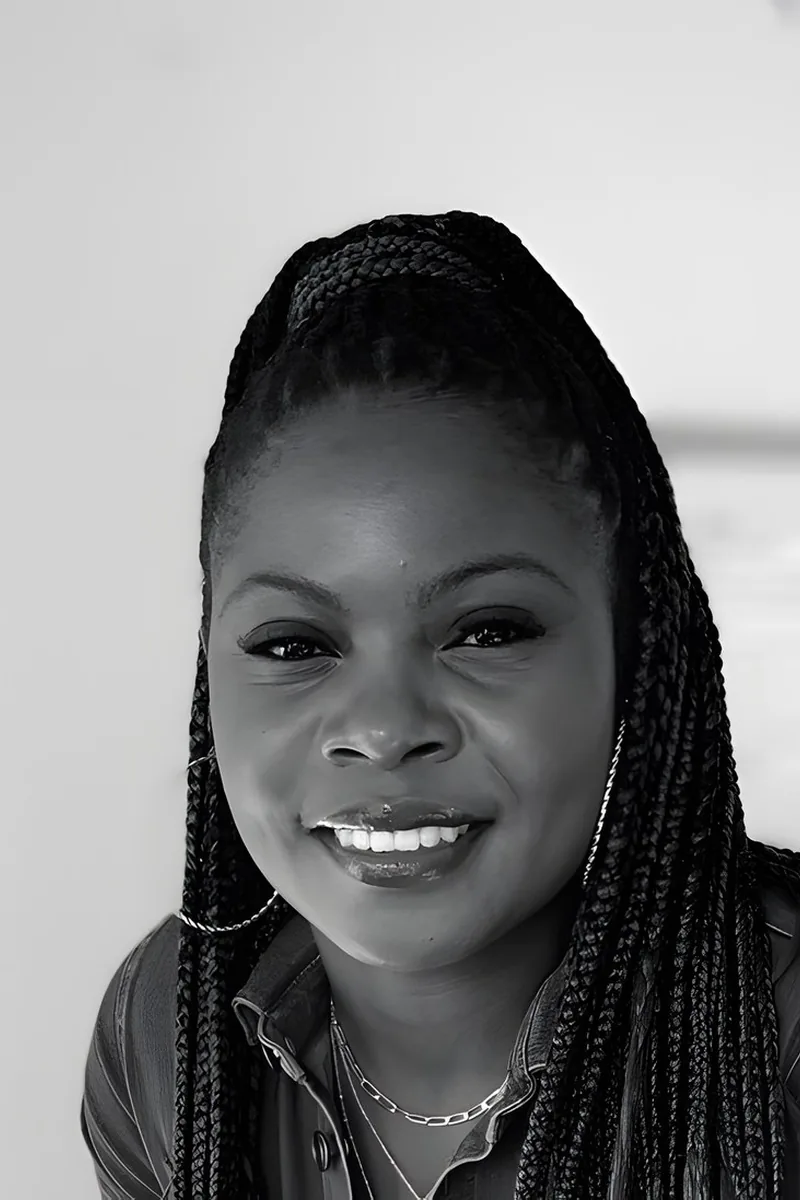
Between engineering reports, college essays, and literary analysis at Yale, Fadzai developed a sharp eye for how writing actually works — thesis construction, paragraph flow, and choosing evidence that strengthens an argument. She tackles English by treating each assignment as a design problem with a clear structure and purpose. Rated 5.0 by students.

A dual degree in History of Science and Biological Sciences means Sam spent years analyzing dense texts from both the humanities and the sciences — close reading Darwin's original arguments one semester and interpreting peer-reviewed journals the next. That cross-disciplinary background makes her especially effective at teaching thesis development, textual analysis, and persuasive writing across a wide range of English coursework.
Belinda treats English as an exercise in close reading and clear argumentation, drawing on her experience across literature, essay editing, and comparative literature. She digs into thesis construction and textual evidence with students so their writing actually says something specific — a skill her 1570 SAT score and 5.0 rating suggest she's effective at teaching.
Zoe earned her B.A. in English Language and Literature from Macalester College, which means she can dig into everything from close reading and literary analysis to the nuts and bolts of grammar and sentence structure. She's particularly skilled at breaking down how authors use tone, diction, and figurative language — the kind of analysis that sharpens both reading comprehension and writing at the same time. Rated 4.9 by students, she adapts her approach whether someone is tackling a first essay or working through complex texts.
Studying behavioral neuroscience at Pace has given Franshesca a sharp eye for how arguments are structured — a skill she applies directly when teaching students to analyze texts and craft thesis-driven essays. She breaks down grammar, tone, and rhetorical choices so that reading comprehension and writing assignments feel less like guesswork and more like a process. Rated 4.8 by students.
Having worked as a Writing Consultant during undergrad and earned a PhD in Spanish and Iberian Studies, Renee has spent years living inside the mechanics of language — grammar, syntax, argumentation — across two languages at once. That bilingual lens sharpens how she teaches English grammar and essay construction, since she can explain why a rule works, not just that it exists. Her SAT tutoring background also means she knows how to prep students for the reading and writing demands of timed assessments.
Between literature analysis, essay writing, and SAT Reading prep, Matt covers the full range of English skills students typically need. He's particularly effective at teaching students how to build a clear argument in an essay — structuring a thesis, selecting evidence, and revising for precision — because he treats writing as a craft that improves through deliberate practice.
A science background might seem unusual for an English tutor, but Akarsh's training in cellular and molecular biology sharpened the close-reading and argumentative writing skills that matter most in English coursework — breaking down complex texts, building thesis-driven essays, and revising for clarity. He brings that same analytical rigor to literary analysis and composition, teaching students to structure their ideas before putting them on the page.
Between literature analysis, essay structure, and close reading, English class asks students to juggle a lot of different skills at once. Erika draws on her background teaching high school and college-level English to show students how to build an argument from a text — pulling specific evidence, unpacking an author's choices, and writing a thesis that actually says something.
Between tutoring SAT Reading, PSAT Critical Reading, and guiding students through college essays, Alex has developed a structured method for breaking down passages and building clear written arguments. His Stanford political science coursework keeps him immersed in close reading and persuasive writing on a daily basis.
College essays and literature are where Pranav's English tutoring comes into focus — as a Johns Hopkins science student, he knows exactly what admissions readers look for and how to turn a rough personal statement into something sharp and specific. His biology coursework demands constant scientific writing, so he brings a clarity-first approach to grammar, structure, and revision that cuts through the vagueness most student writers default to.
Between literature analysis, essay construction, and close reading, high school English asks students to do a dozen things at once — and Marc's triple-major background means he's comfortable juggling complexity. He digs into texts by teaching students to identify rhetorical strategies and track how an author builds meaning across a full work, not just quote-hunt for evidence. His 1550 SAT, including the Reading and Writing sections, speaks to the kind of textual precision he brings to every session.
An English major at Yale who's been telling stories since before he could write them down, Kyle knows this subject from the inside. He digs into everything from close-reading poetry to structuring a five-paragraph essay to crafting a thesis that actually argues something — and he's especially good at making students who dread English class realize they have more to say than they think. Rated by students who appreciate that he brings genuine energy to the material.
Between his honors anthropology thesis, years of essay coaching, and a 1580 SAT that required near-perfect reading and writing scores, Scott knows English from multiple angles — close reading of literature, argumentative essay structure, and the kind of precise language use that elevates a B paper to an A. He's particularly sharp at teaching students how to build a thesis that actually drives an essay forward rather than just restating the prompt.
Between coaching students on college essays and running an SAT prep class that covered reading and writing sections, Samuel has spent real time teaching students how to structure arguments, support claims with evidence, and revise for clarity. His analytical mindset — trained at Caltech in applied math — turns out to be surprisingly useful for breaking a prompt into parts and building a cohesive response.
A Yale economics major might seem like an unlikely English tutor, but Calleigh's coursework demands constant close reading, thesis construction, and persuasive writing. She teaches students to dissect a passage for tone and argument, then translate that analysis into structured essays with sharp, evidence-backed claims.
Studying psychology at the University of Chicago means River reads and writes constantly — dense research articles, analytical essays, persuasive arguments — all demanding the same close reading and clear prose that English courses test. That daily immersion in academic writing gives her a practical grip on everything from thesis construction to grammar mechanics, especially for students working on essays or literary analysis.
Czarina earned a 770 on the Evidence-Based Reading and Writing section of the SAT and completed both AP English courses, giving her equal footing in analytical reading and persuasive writing. She digs into everything from close-reading poetry to structuring a five-paragraph essay, adapting her approach based on whether a student needs help generating ideas or tightening the argument they already have.
Reading a dense passage and constructing a clear written argument are two sides of the same skill, and Elijah tackles both by teaching students to identify an author's thesis before worrying about details. His college essay and literature experience means he can shift between analytical reading — pulling apart tone, structure, and rhetorical moves — and the practical writing side, like building body paragraphs that actually prove a claim. He's rated 5.0 by students.
An avid reader and writer who scored a 1550 on the SAT, Samica brings genuine enthusiasm for language to her English sessions. She unpacks everything from close-reading techniques for literary analysis to thesis construction for argumentative essays, always pushing students to support their interpretations with specific textual evidence rather than vague summary.
Reading closely and writing clearly are skills that reinforce each other, and Amy's English tutoring leans into that connection. She walks students through everything from annotating a novel for theme and literary devices to drafting thesis-driven essays with strong textual evidence — building the kind of analytical habits that pay off across every class, not just English.
Named English Student of the Year during her time at Raritan Valley and a Cum Laude graduate of Yale's Theater Studies program, Paige lives inside language — analyzing arguments, crafting essays, and pulling meaning out of dense texts. She tackles everything from thesis development and paragraph structure to close reading and literary analysis. Students working on essays, reading comprehension, or critical writing get someone who treats English as a craft with learnable moves, not a mystery.
Three literature and language degrees from Brown gave Alex an unusual range across English — from close textual analysis of writers like Virginia Woolf to the mechanics of crafting clear, persuasive prose. He tackles everything from thesis development and argument structure to interpreting figurative language, adapting his approach depending on whether a student is working on an analytical essay or preparing for a reading-heavy exam.
Having worked as a teaching assistant through both her sociology undergrad and MBA, Krupa spent years giving feedback on student papers — catching weak thesis statements, unclear transitions, and arguments that don't quite land. That editing instinct now drives her English tutoring, where she digs into the revision process with students so they learn to spot and fix their own writing habits. Rated 4.9 by students.
Reading a novel and actually understanding what an author is doing with structure, tone, or figurative language are two very different skills. Grace's coursework in comparative studies at Stanford sharpened her ability to unpack texts across genres, and her experience tutoring high school English means she knows how to translate close-reading techniques into strategies students can use on their next essay or class discussion. She's especially strong at teaching students to move from summary to analysis.
Reading a poem, a novel, or even a film script requires the same core skill: figuring out what choices the author made and why. Isaiah's studies in literature and film production gave him a dual lens for analyzing narrative voice, symbolism, and argument structure across genres. He teaches students to build interpretive claims and support them with textual evidence — the foundation of every English class from middle school through AP.
Between her German studies and history minors at Princeton and her love of workshopping both personal and academic writing, Sabrina brings a genuinely interdisciplinary lens to English. She digs into close reading, thesis development, and argument structure — teaching students how to move from a vague impression of a text to a sharp, evidence-driven interpretation.
As a published author, high school counselor, and someone who has navigated learning disabilities both professionally and as a parent of two children with dyslexia, Mati brings a rare depth to English instruction. She unpacks reading comprehension strategies, literary analysis, and written expression in ways that click for students who've struggled with traditional approaches.
Reading comprehension and persuasive writing are where Lauren does her strongest work — she's spent years teaching both in after-school programs and college prep settings, and her 1530 SAT reflects that command of language. She breaks down everything from close-reading strategies for literature passages to structuring a five-paragraph argument, adapting her approach based on whether a student needs help decoding texts or sharpening their own voice on the page.
Studying biostatistics and public health at Brown means Joyce reads and writes constantly across disciplines — research papers, policy briefs, data-driven arguments — all requiring the kind of clear, evidence-based prose that translates directly to strong English skills. She's especially sharp at teaching students how to build a thesis from textual evidence and revise for clarity, since her own coursework punishes vague writing.
Between her background in literature and her experience writing throughout medical school, Janet approaches English as both a reader and a writer — someone who can unpack a passage's argument and then teach a student how to build one of their own. She digs into thesis development, textual analysis, and the mechanics of persuasive writing with equal comfort.
Years of writing research papers, personal statements, and clinical case reports have given Sharon a practical command of English composition and close reading. She teaches students to build clear thesis statements, structure paragraphs around evidence, and read critically for an author's argument — skills that transfer across every subject they'll encounter.
Between her ACT Writing score, college essay coaching, and experience editing academic work at Cornell, Akanksha brings a practical angle to English instruction — particularly when it comes to building clear arguments and revising drafts for structure and clarity. She's especially effective with students who consider themselves "math people" and need someone who can make language arts feel more systematic.
Engineering coursework at Carnegie Mellon meant Raaga spent years translating technical complexity into clear, precise prose — a discipline that sharpens grammar, sentence structure, and argument organization in ways most English students never practice. She applies that same rigor to reading comprehension and essay writing, teaching students to build claims methodically and edit their own work with a critical eye. Holds a 5.0 rating.
A Creative Writing minor and daily writing center work at Princeton mean Emily lives inside the English curriculum — close reading, thesis development, textual evidence, and revision. She's particularly skilled at teaching students how to move from a vague reaction to a text into a specific, arguable claim supported by concrete passages.
Between literature analysis, essay writing, and the mechanics of language itself, English class asks students to juggle a lot of different skills at once. Michele brings a psychology-trained ear for close reading and argumentation, teaching students how to pull meaning from a text and then articulate that meaning clearly on the page.
Noah treats English as an argument-driven discipline, teaching students to read for a writer's choices — tone, structure, evidence — and then apply those same techniques in their own essays. His background in Philosophy, Politics, and Economics means he's comfortable pulling apart dense texts across genres, from literary fiction to political rhetoric. A 1510 SAT scorer, he knows how analytical reading and clear writing reinforce each other.
Reading a passage and actually constructing an argument about it are two very different skills, and Bryan zeros in on that second one. His background in essay writing and editing — plus tutoring literature and college application essays — means he teaches students to build claims, select evidence, and structure paragraphs with purpose.
Years of teaching sociology at the college level — including at Columbia and CUNY — meant Nicole spent as much time teaching writing as teaching theory. She breaks down thesis construction, paragraph structure, and evidence integration the way academics actually use them, giving students a clear framework for any essay or reading assignment. Rated 5.0 by students.
Having scored a 1580 on the SAT, Jenny knows how to read a passage critically and pin down exactly what's being asked — skills she now applies when tutoring grammar, reading comprehension, and essay writing. Her anthropology coursework demands constant close reading of ethnographies and crafting evidence-driven arguments, which translates directly into teaching students how to build a thesis and support it with textual detail.
Testimonials
Because the right English tutor makes all the difference.
Average Session Rating – Based on 3.4M Learner Ratings
Nearby English Tutors
Other Newark Tutors
Related English Tutors in Newark
Frequently Asked Questions
Varsity Tutors matches Newark students with expert English tutors for 1-on-1 instruction. We pair each student with a tutor based on their specific needs, learning style, and goals.
Whether you need homework help, exam prep, or want to get ahead, our English tutors are ready to help.
Common challenges include gaps from earlier material, difficulty with specific concepts, and trouble applying learning to new problems. These issues can snowball quickly in English.
A tutor identifies where you're stuck, fills in gaps, and provides targeted practice. The 1-on-1 format means you get help exactly where you need it.
Tutors work with your student's actual coursework—homework assignments, class notes, and upcoming tests. This keeps tutoring directly relevant to what's happening in the classroom.
When you share information about your student's school and curriculum, we can match you with a tutor who has relevant experience.
All tutors complete background checks, credential verification, and teaching evaluation. Many of our English tutors hold advanced degrees or have years of teaching experience.
You can review tutor profiles to find someone with the right background for your student's level and needs.
Many students see improved grades within a few weeks, along with better understanding of English concepts and more confidence tackling challenging material.
Tutors track progress and adjust their approach to ensure continued improvement.
Most students benefit from 1-2 sessions per week. More frequent sessions help if your student is significantly behind or has an important exam coming up.
Your tutor can recommend a schedule based on your student's specific situation and goals.
Tutoring is purchased in packages of hours, with rates varying by tutor experience. Varsity Tutors offers several options to fit different budgets and needs.
You can discuss pricing during your consultation to find what works best.
Your tutor will assess where your student is, discuss goals, and start working on priority areas. Most students bring current homework or upcoming test material to focus on.
By the end, you'll have a clear sense of how the tutor can help and a plan for moving forward.
Let’s find your perfect tutor
Answer a few quick questions. We’ll recommend the right plan and match you with a top 5% tutor.