Award-Winning Creative Writing Tutors
serving Aurora, CO
Award-Winning
Creative Writing
Tutors in Aurora
Private 1-on-1 tutoring, weekly live classes for academic support, test prep & enrichment, practice tests and diagnostics, and more to elevate grades and test scores.
Based on 3.4M Learner Ratings
UniversitiesSchools & Universities
DeliveredHours Delivered
ProficiencyGrowth in Proficiency
Who needs tutoring?
No obligation. Takes ~1 minute.

A blank page is less intimidating when you have concrete techniques to fall back on — sensory detail, dialogue rhythm, narrative pacing. Renee's PhD work immersed her in how stories are constructed across genres and traditions, and she applies that structural awareness to help writers at any level find their voice and shape raw ideas into polished pieces.

Most creative writing feedback is either too vague ('nice imagery!') or too prescriptive ('rewrite this scene entirely'). Jennifer approaches workshop-style revision differently, asking pointed questions about voice, pacing, and point of view that let writers discover their own fixes. Her English background and NYU teaching residency give her a strong ear for both fiction and personal essay — two forms where finding an authentic voice matters most.
Currently earning his MFA in creative writing at Harvard, Patrick lives inside the workshop process — drafting, receiving critique, revising, and learning to distinguish feedback that strengthens a piece from feedback that just changes it. He walks students through generating raw material, finding their voice within it, and revising with intention across poetry, personal essays, and experimental forms.
Talia writes fiction and poetry in her own time, but her political science and activism background gives her creative work — and her tutoring — an unusual edge: she knows how to build an argument with scene and image instead of thesis statements, and she teaches students to do the same. She's particularly sharp at helping a draft find its voice, whether that means stripping away overwrought language or pushing a student to dig into the one honest detail they've been dancing around. Rated 5.0 by students.
Studying child development at Yale taught Arielle something most writing tutors learn the hard way — that the stories kids want to tell and the language they have to tell them are two very different things, and the gap between them is where creative writing instruction actually lives. She uses that developmental lens to meet each writer's imagination with the right scaffolding, whether that means building a picture book narrative with a first grader or helping an older student craft a short story with real scene structure and dialogue. Rated 5.0 by students.
Most creative writing advice is vague — 'show don't tell,' 'find your voice' — without explaining how to actually do it on the page. Marisa earned her writing degree at MIT through rigorous workshops that demanded craft-level revision, not just inspiration. She walks students through concrete techniques like sensory detail, narrative pacing, and point-of-view consistency to turn rough ideas into polished pieces.
An acting student in New York City, Marc knows what it takes to build a scene from the inside — finding a character's voice, raising the stakes in a moment, making dialogue land with real emotional weight. He brings that performer's instinct for dramatic tension and authentic voice into creative writing sessions, especially when students are drafting fiction or monologues that need to feel alive rather than just read well on paper.
Medical anthropology at Brown trained Katie to do something most creative writers struggle with on their own — take a deeply personal human experience and render it on the page with both emotional honesty and analytical precision. That ethnographic instinct for capturing voice, ritual, and the telling detail of everyday life gives her a distinctive edge when working on memoir, personal narrative, or fiction rooted in real-world observation. Rated 5.0 by students.
Emma's own poetry and nature literature lessons — designed for students from preschool through twelfth grade at Chautauqua Institution — taught her how to adapt creative writing instruction to wildly different skill levels without dumbing down the craft. Her Human Development studies at Cornell inform how she approaches the writing process itself, understanding what kinds of prompts and revision strategies actually click at different ages. Rated 5.0 by students.
Most creative writing feedback is either too vague ('make it more vivid') or too prescriptive. Karishma takes a workshop-style approach, walking through specific choices in a student's draft — why this metaphor lands, why that paragraph loses momentum — so writers develop their own editorial instincts over time. She holds a 5.0 rating from students.
Performing improv comedy and writing musicals at Yale has given William a practitioner's understanding of voice, structure, and revision — the three pillars that separate interesting creative writing from flat drafts. He teaches techniques like writing compelling dialogue, controlling pacing through sentence length, and developing characters whose choices drive a story forward rather than just narrating events.
Most creative writing instruction defaults to 'just express yourself,' which isn't much help when a student is staring at a blank page. Bethany uses structured exercises — character sketches, dialogue constraints, scene-building prompts — to give students concrete tools for generating and shaping their ideas. Her background in narrative analysis from Berkeley and Duke means she can pinpoint exactly where a story's pacing or voice needs work.
Living in France and England didn't just give Heather conversational French — it gave her a writer's habit of noticing the small, strange details that make a place or a person feel real on the page. She brings that observational instinct into drafting and revision, especially when students need to move past generic description and find the specific image or moment that gives a piece its voice. Her quantitative methods background also makes her unusually good at talking about structure — why a scene works where it's placed, how pacing builds, what a piece gains or loses from a different order.
Getting words on the page is often the hardest part of creative writing, and Sarah tackles that blank-page paralysis with structured brainstorming techniques and revision exercises that build momentum. As an English major at Dartmouth, she digs into craft elements like voice, dialogue, and narrative pacing — giving students concrete tools instead of vague advice to "just be creative."
An electrical engineering student at Duke might seem like an unlikely creative writing tutor, but Brooke's deep Latin studies — through AP level — trained her to obsess over how individual word choices carry weight, rhythm, and layered meaning in ways that map directly onto crafting strong prose and poetry. She also writes and edits across genres, from college application essays to literary analysis, giving her a practical sense of when a draft needs tighter structure versus more room to breathe. Rated 5.0 by students.
A degree in Literary Arts from Brown gave Hasan deep exposure to craft across genres — fiction, poetry, personal essay, and hybrid forms. He teaches students to identify what makes their voice distinct, then sharpens it through targeted exercises in scene-building, figurative language, and revision strategy. Students rate him 5.0.
Four years in Boston elementary and middle school classrooms taught Yan how to get reluctant writers past the blank page — using prompts, visual cues, and structured brainstorming that turn scattered ideas into stories with real shape. Her curriculum design background means she builds each session around where a student actually is as a writer, whether that's a second grader dictating their first narrative or a middle schooler learning to revise for stronger dialogue and pacing.
Between a creative writing minor at Northwestern and years running a high school writing center, Nathaniel has logged serious time on both sides of the workshop table — producing his own fiction and non-academic work while coaching other writers through drafts. He's particularly sharp at helping students find the gap between what they meant to say and what's actually on the page, then working through revision at the sentence level until voice, pacing, and detail all land together.
What separates a flat draft from one that actually moves a reader often comes down to articulation — knowing what you're trying to say and finding the precise language to say it. David's liberal arts background and deep experience across poetry, fiction, and essay writing give him a sharp eye for helping a student locate the real story buried inside a rough draft, then tighten the prose until every sentence earns its place.
A creative writing degree taught Mahalia something most writers learn the hard way: revision is where the real writing happens. She walks students through the full arc of a piece — from generating raw material through workshopping drafts — covering craft elements like voice, pacing, dialogue, and scene construction. Whether someone is writing poetry, short fiction, or personal essays, she treats each draft as a conversation about what the piece is trying to do.
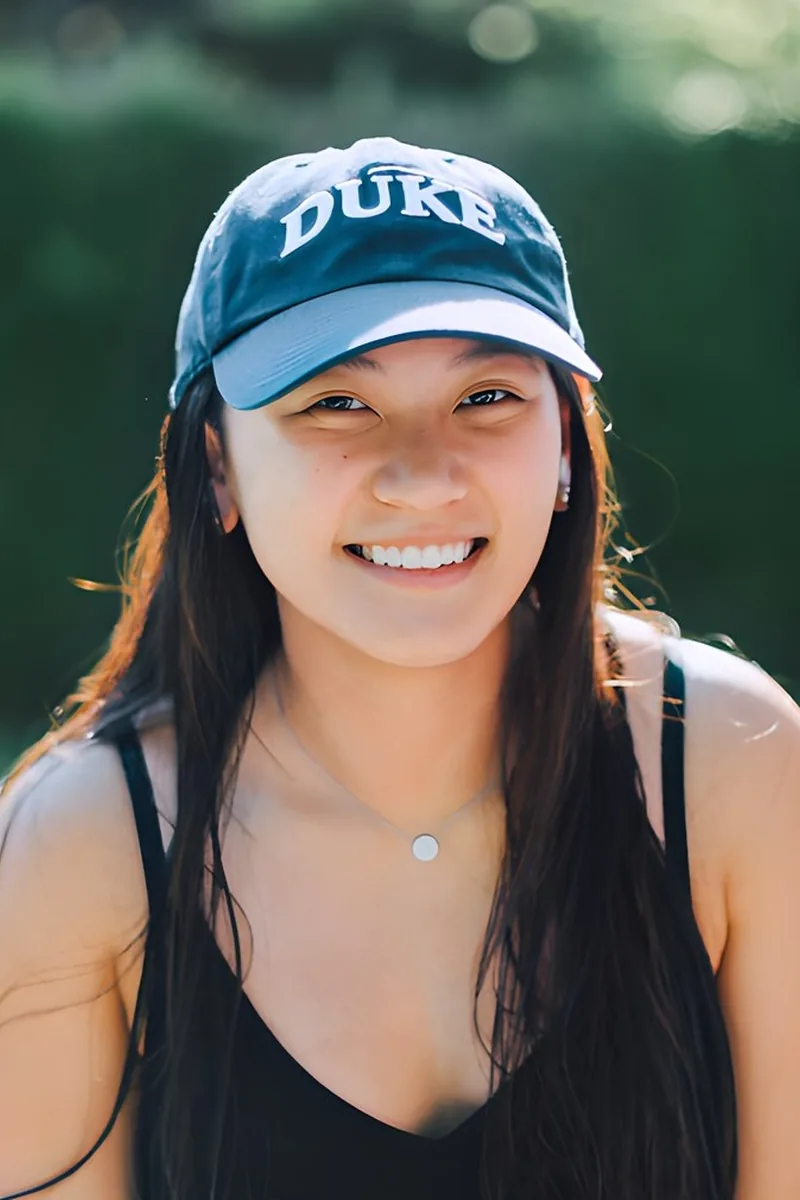
A creative writing minor from Penn means Sarah has spent serious time in workshops getting and giving feedback on poetry, personal essays, and experimental prose. She walks students through the full arc of a piece — finding a voice, choosing concrete details over vague abstractions, and learning to revise ruthlessly.
Someone who went from hating reading to devouring books understands the moment when language clicks — and that's the energy Aaron brings to creative writing. He digs into craft elements like voice, pacing, and scene construction, encouraging students to experiment on the page and then revise with intention. His conversational teaching style makes workshopping feel collaborative rather than intimidating.
Good creative writing isn't just inspiration — it's craft decisions about point of view, pacing, dialogue, and revision. Peter trained as a journalist before earning his master's in English Education, so he teaches students to treat their drafts as material to shape rather than precious first attempts. That combination of storytelling instinct and editorial discipline shows up in the fiction, poetry, and personal essays his students produce.
Two published books, co-authored medical journal articles, and poems and pieces in multiple magazines and journals — Mati has been writing professionally for over three decades, which means she knows the difference between a draft that's almost there and one that needs its bones rebuilt. She brings that editorial instinct into sessions on fiction, poetry, and personal narrative, showing students how to revise with purpose rather than just tinker. Rated 5.0 by students.
Statistics might seem like an odd foundation for creative writing, but Dylan's training at the University of Chicago in finding patterns and building arguments from data translates into an unusual strength: helping writers tighten the logic of their narratives, spot where a story's internal structure breaks down, and make deliberate choices about what to include versus cut. He also writes across genres himself — from college essays to literary analysis — and brings that range to sessions where students are drafting fiction, poetry, or personal pieces that need both creative risk and disciplined revision.
Rachel's background spans research, editing, and persuasive writing — which means when she sits down with a creative writing draft, she spots structural problems fast and knows how to talk a student through fixing them without flattening their voice. Her own reading life is wide-ranging, and she draws on that to match students with mentor texts that illuminate whatever craft element they're wrestling with, whether it's building tension in a short story or finding the right register for a personal essay. Rated 5.0 by students.
Spending years in research labs taught Emmanuel something unexpected about creative writing: the best ideas emerge from disciplined process, not inspiration alone. He walks writers through generating material, experimenting with form and voice, and revising with intention — whether the project is poetry, personal essay, or short fiction.
Good creative writing starts with a single vivid detail — not a grand idea. Hanlu teaches techniques like sensory imagery, dialogue pacing, and narrative voice, drawing on her own fiction writing practice and her International Relations background, which sharpened her ability to tell stories across cultural contexts. She's especially effective at helping writers push past the blank page and into revision, where the real craft happens.
Kahini's path from an English degree at Brown to a neuroscience PhD at Columbia means she's spent years toggling between two very different kinds of writing — literary prose that lives in ambiguity and scientific writing that demands precision. That dual fluency shows up in her creative writing sessions, where she can help a student craft a poem that lingers in the right places or tighten a short story's pacing with the same structural instinct she brings to research. Her published fiction background and deep reading in psychology also give her a sharp eye for character interiority — the difference between telling a reader someone is afraid and making them feel it.
The hardest part of creative writing isn't inspiration — it's revision, and knowing why a piece isn't working yet. Dakota's graduate education and lifelong love of reading give her a sharp editorial instinct across genres, from personal essays to short fiction to experimental forms. She treats each student's voice as something to develop rather than correct, pushing drafts forward through targeted feedback on structure, language, and risk-taking.
I am most passionate about biology and chemistry. I am a firm proponent of education, believing it to be absolutely necessary for an improved quality of life, and I try to impart this appreciation to all of my students.
A background in sacred music, fiction writing, and literature means Sarah approaches creative writing the way a composer approaches a score — every element of rhythm, tone, and structure serves the whole piece. She's particularly sharp at showing students how to revise for voice and musicality in their prose, catching the flat sentence or the clunky transition that breaks a reader's spell. Rated 4.8 by students.
Few creative writing tutors have actually written and produced original plays — Maddy spent her time at Harvard doing exactly that, along with directing student theater productions. That background in dramatic writing gives her a sharp eye for dialogue, voice, pacing, and scene construction, whether a student is drafting fiction, poetry, or a personal narrative. She treats revision as a craft skill, not just proofreading.
A math major who writes creatively might sound unusual, but Samuel sees storytelling and problem-solving as the same skill: both require setting up a structure, building tension, and delivering a payoff. He digs into craft elements like voice, pacing, and scene construction, pushing students to revise with intention rather than just adding more words.
A BA in Creative Writing plus a daily writing practice means Thomas isn't just teaching craft — he's actively living it. He unpacks elements like point of view, dialogue mechanics, scene pacing, and sensory detail, then applies them directly to whatever a student is working on, whether that's a short story, a poem, or the opening chapter of something bigger.
Good creative writing isn't just inspiration — it's craft decisions about voice, pacing, point of view, and when to break the rules you've learned. Mollie has worked as both a content writer and a game designer, two fields where storytelling meets structure and every word has to earn its place. She digs into drafts with students to sharpen dialogue, tighten scenes, and find the story underneath the first attempt.
A theatre directing background means Jennifer thinks about creative writing the way a director thinks about a script — every scene needs tension, every character needs a want, and every word on the page should earn its place. She digs into craft elements like dialogue, point of view, and narrative pacing rather than just assigning prompts and marking errors. Rated 4.8 by students.
A published author with work in Poets & Writers, Longreads, and New Orleans Review, Thea knows what it takes to move a piece from rough idea to polished submission. She digs into the specific craft elements — scene construction, image, rhythm, revision strategy — that turn competent writing into memorable writing.
Working across audio documentary, performance, and media literacy gave Sarah a storyteller's instinct for how different forms shape the same raw material — a skill she brings into creative writing when students need to figure out whether an idea wants to be a poem, a personal essay, or a short story. Her anthropology training adds an unusual depth to character and setting work, pushing writers to observe the specific cultural details and human behaviors that make fictional worlds feel inhabited rather than invented. Rated 5.0 by students.
I love to help students to do well on the SAT and ACT Verbal, Reading, and English sections. I have tutored these areas of standardized tests for more than 3 years. My approach is not "standardized" because I enjoy working one-on-one with clients to tailor learning experiences that address each person's unique needs. As a former professor of communication, I also have the skills to help professionals and graduate students with their research and writing. I am currently helping a doctoral student with her dissertation.
Testimonials
Because the right Creative Writing tutor makes all the difference.
Average Session Rating – Based on 3.4M Learner Ratings
Nearby Creative Writing Tutors
Other Aurora Tutors
Related English Tutors in Aurora
Frequently Asked Questions
Varsity Tutors matches Aurora students with expert Creative Writing tutors for 1-on-1 instruction. We pair each student with a tutor based on their specific needs, learning style, and goals.
Whether you need homework help, exam prep, or want to get ahead, our Creative Writing tutors are ready to help.
Common challenges include gaps from earlier material, difficulty with specific concepts, and trouble applying learning to new problems. These issues can snowball quickly in Creative Writing.
A tutor identifies where you're stuck, fills in gaps, and provides targeted practice. The 1-on-1 format means you get help exactly where you need it.
Tutors work with your student's actual coursework—homework assignments, class notes, and upcoming tests. This keeps tutoring directly relevant to what's happening in the classroom.
When you share information about your student's school and curriculum, we can match you with a tutor who has relevant experience.
All tutors complete background checks, credential verification, and teaching evaluation. Many of our Creative Writing tutors hold advanced degrees or have years of teaching experience.
You can review tutor profiles to find someone with the right background for your student's level and needs.
Many students see improved grades within a few weeks, along with better understanding of Creative Writing concepts and more confidence tackling challenging material.
Tutors track progress and adjust their approach to ensure continued improvement.
Most students benefit from 1-2 sessions per week. More frequent sessions help if your student is significantly behind or has an important exam coming up.
Your tutor can recommend a schedule based on your student's specific situation and goals.
Tutoring is purchased in packages of hours, with rates varying by tutor experience. Varsity Tutors offers several options to fit different budgets and needs.
You can discuss pricing during your consultation to find what works best.
Your tutor will assess where your student is, discuss goals, and start working on priority areas. Most students bring current homework or upcoming test material to focus on.
By the end, you'll have a clear sense of how the tutor can help and a plan for moving forward.
Let’s find your perfect tutor
Answer a few quick questions. We’ll recommend the right plan and match you with a top 5% tutor.