Award-Winning Computer Science Tutors
serving Portland, OR
Computer Science
Tutors in Portland
Private 1-on-1 tutoring, weekly live classes for academic support, test prep & enrichment, practice tests and diagnostics, and more to elevate grades and test scores.
Based on 3.4M Learner Ratings
UniversitiesSchools & Universities
DeliveredHours Delivered
ProficiencyGrowth in Proficiency
Who needs tutoring?
No obligation. Takes ~1 minute.
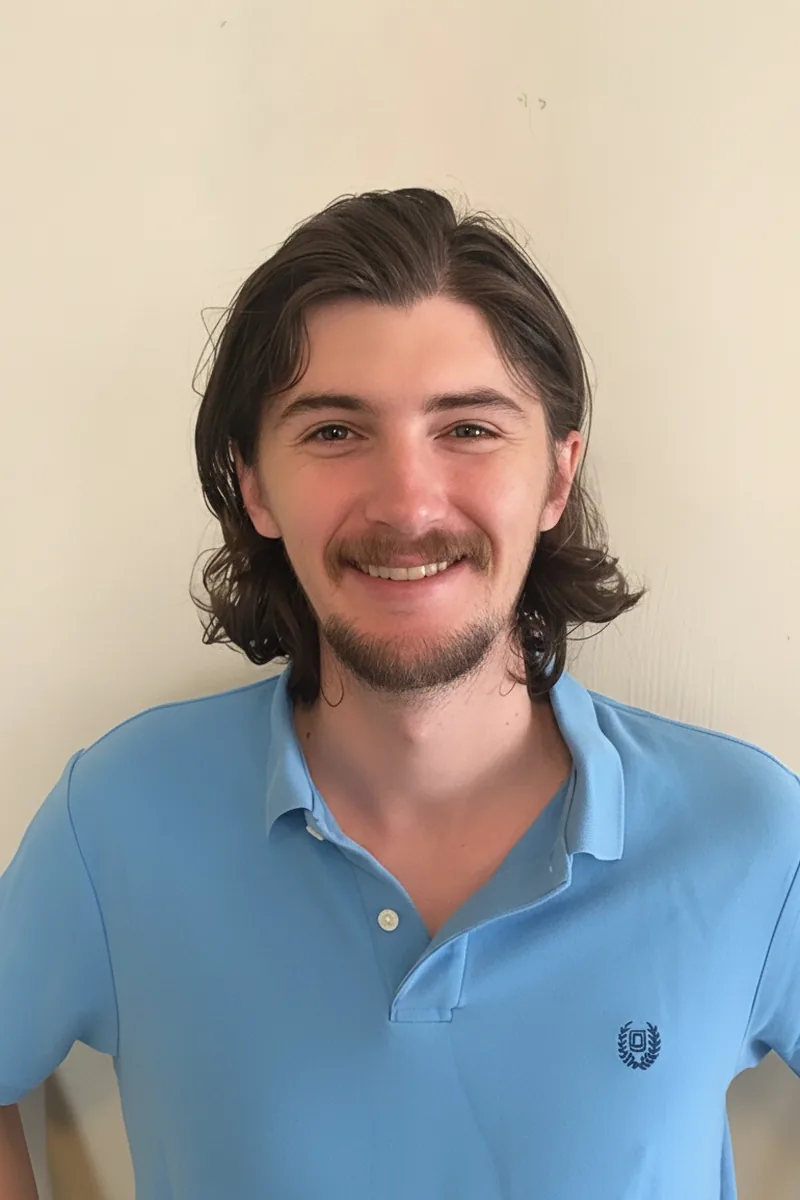
Michael earned his B.S. in Computer Science from UCLA, where he dug into everything from data structures and algorithms to software design principles. He breaks down abstract concepts like recursion, Big-O analysis, and object-oriented programming into concrete, step-by-step logic that clicks. He also teaches JavaScript, giving him a practical edge when students need to connect theory to actual code.
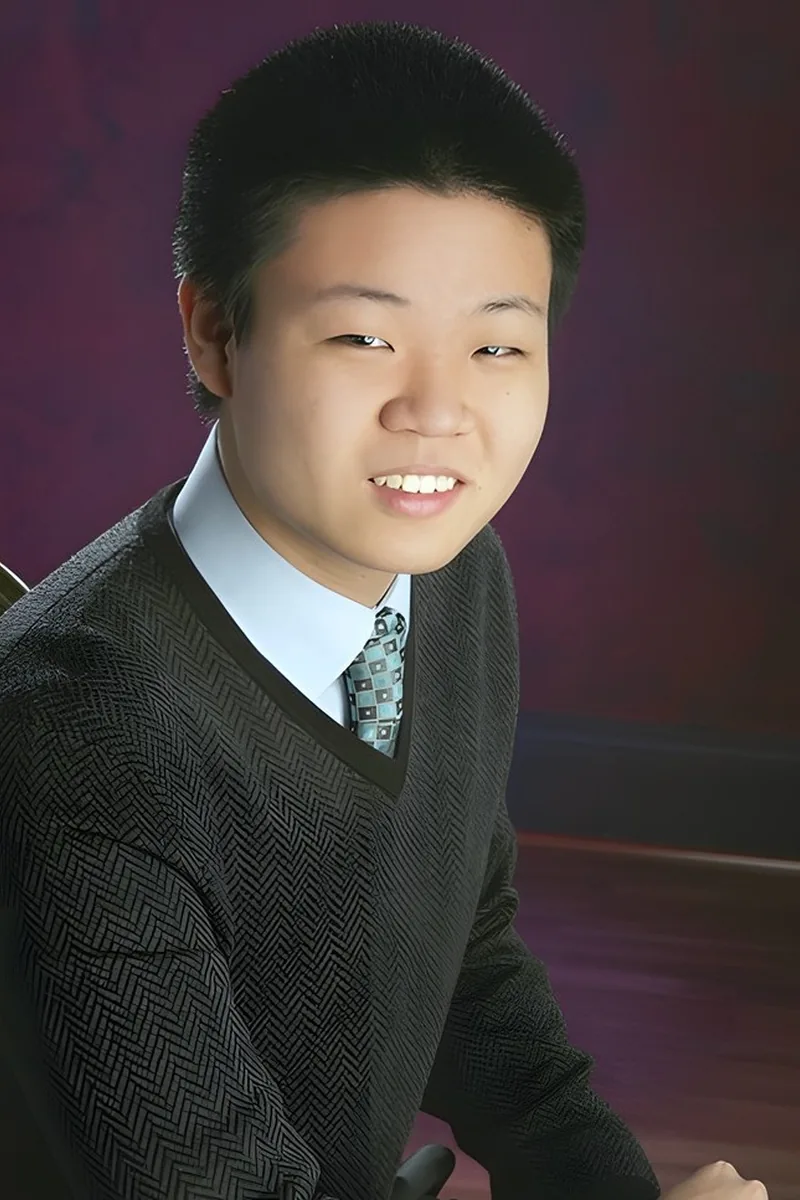
Between his coursework at Rice and his background in algorithms, Daniel tackles computer science from both the practical and theoretical sides — writing clean code and understanding why one sorting algorithm outperforms another for a given dataset. He's especially strong at breaking down recursion, data structures, and algorithmic complexity into steps that build logically on each other.
Alston is pursuing a Computer Science degree at the University of Virginia, which means he's actively working through data structures, algorithms, and object-oriented design — not recalling them from years ago. He breaks down concepts like recursion and sorting algorithms by walking through the logic step by step, letting students trace the code themselves until the pattern clicks.
Allison's CS degree from Dartmouth means she's worked through the full arc — from writing first programs to tackling data structures, algorithms, and computational theory. She unpacks abstract concepts like recursion and Big-O analysis by walking through concrete code examples, making the logic visible before the notation takes over.
From automata theory and computational complexity to practical algorithm design, Firas covers computer science as both a theoretical discipline and a hands-on craft. His Ph.D. research at the intersection of machine learning and big data means he can connect abstract CS concepts — graph traversals, runtime analysis, NP-completeness — to the systems that actually use them. Rated 5.0 by students.
As a computer science major at Boston University, Irene is immersed in the subject daily — from data structures and algorithms to object-oriented design. She breaks down abstract programming concepts into concrete steps, walking through how to trace logic, debug code, and think like a developer rather than just memorize syntax.
From data structures and algorithm analysis to the fundamentals of how operating systems and networks function, Nicholas covers computer science with the depth his Penn State CS degree provided. He's especially strong at explaining recursion, sorting algorithms, and Big-O notation — the concepts that separate students who can code from students who truly understand computation. Rated 5.0 by students.
Studying computer science since before college and now pursuing a master's at UMass Amherst, Milo covers the full stack — from data structures and algorithms to systems-level concepts like memory management and concurrency. He spent three years in his university's tutoring center breaking down topics like recursion, sorting complexity, and graph traversal for students at every level.
I'm trying to work on personal projects. I really enjoy snowboarding, and have been doing that since the third grade. I also enjoy playing sports and video games.
Eric treats coding problems the same way he treats logical puzzles — by breaking them apart, finding the pattern, and building a solution step by step. As a CS major at Washington University in St. Louis, he's deep in Java and JavaScript right now, which means he can walk students through everything from writing their first function to structuring a full object-oriented program. His approach emphasizes learning to think through problems algorithmically before jumping to syntax.
Recursion, data structures, algorithmic complexity — these topics trip up students who try to memorize patterns without understanding why they work. Kevin holds both a bachelor's and master's in computer science from NYU, and he's the kind of tutor who will explain a concept three different ways until the logic genuinely lands. Rated 4.8 by students.
Studying computer science at Cornell, Eric tackles everything from algorithm analysis and Big-O notation to systems-level concepts like memory management and recursion. He breaks down problems the way a CS student actually encounters them — whiteboarding a solution, tracing through edge cases, then translating logic into clean code. His 5.0 rating speaks to how clearly that approach lands.
John transitioned from law into co-founding a software company, which meant teaching himself to think in algorithms, data structures, and system design under real deadlines. He approaches computer science the same way — breaking problems into smaller, solvable pieces before writing a single line of code. That builder's mindset makes debugging and logic design feel less intimidating.
Corrina's mechanical engineering degree required extensive programming coursework, and she now teaches core computer science concepts — data structures, algorithms, Boolean logic, and computational thinking — in a way that makes abstract ideas tangible. She connects each concept to real applications, whether that's sorting algorithms in a search engine or conditionals inside a robot's control loop.
Testimonials
Because the right Computer Science tutor makes all the difference.
Average Session Rating – Based on 3.4M Learner Ratings
Nearby Computer Science Tutors
Other Portland Tutors
Related Technology and Coding Tutors in Portland
Frequently Asked Questions
Your first session is about understanding your goals and current skill level. A tutor will discuss what you're working on—whether that's learning Python basics, debugging code, preparing for AP Computer Science, or building a specific project—and identify areas where you need the most support. They'll also explain their teaching approach so you know what to expect going forward.
Debugging is a critical skill that goes beyond just fixing errors—it's about developing a systematic problem-solving approach. A tutor can walk you through reading error messages, using debugging tools, and testing your code step-by-step to isolate issues. This hands-on practice with real code builds the logical thinking skills that make you independent at troubleshooting.
Syntax is the rules of a specific language (like Python or Java)—the grammar that makes code run. Logic is the algorithmic thinking behind *what* your code does. Many students struggle with logic (designing solutions) even when they know syntax. A tutor can help you separate these skills, focusing on logic through pseudocode and flowcharts before diving into language-specific details.
Data structures and algorithms are abstract concepts that benefit from visual explanations and hands-on practice. Tutors can break down how arrays, linked lists, trees, and sorting algorithms actually work through diagrams, code walkthroughs, and coding exercises. This deeper understanding helps you choose the right tools for your projects and prepares you for technical interviews or advanced coursework.
Absolutely. Project-based learning is one of the most effective ways to develop computer science skills. Tutors can guide you through planning, building, and debugging real applications—whether that's a web app, game, data analysis project, or mobile app. They provide code review, help you overcome technical obstacles, and teach you professional development practices along the way.
AP Computer Science tutoring focuses on both conceptual understanding and exam strategy. For AP CSA, tutors cover object-oriented programming, algorithms, and the specific Java syntax tested. For AP CSP, they help with broader concepts like algorithms, data representation, and cybersecurity. Tutors use practice problems, past exam questions, and targeted coding practice to build confidence and mastery.
A tutor can help you explore different areas and understand what appeals to you. If you enjoy building user-facing applications, web development might fit. If you're drawn to analyzing data and patterns, data science could be your focus. Game development, cybersecurity, and AI are other paths. Tutors can guide you toward the languages and projects that match your interests while building foundational skills.
Portland has a strong tech community with opportunities like hackathons, coding bootcamps, and internships at local companies. With over 221 schools in the Portland area, many students are also taking AP Computer Science or computer science electives. A tutor can help you prepare for these opportunities, build a portfolio of projects, and develop the skills that matter in Portland's tech scene.
Let’s find your perfect tutor
Answer a few quick questions. We’ll recommend the right plan and match you with a top 5% tutor.