Award-Winning Biology Tutors
serving North Las Vegas, NV
Biology
Tutors in North Las Vegas
Private 1-on-1 tutoring, weekly live classes for academic support, test prep & enrichment, practice tests and diagnostics, and more to elevate grades and test scores.
Based on 3.4M Learner Ratings
UniversitiesSchools & Universities
DeliveredHours Delivered
ProficiencyGrowth in Proficiency
Who needs tutoring?
No obligation. Takes ~1 minute.
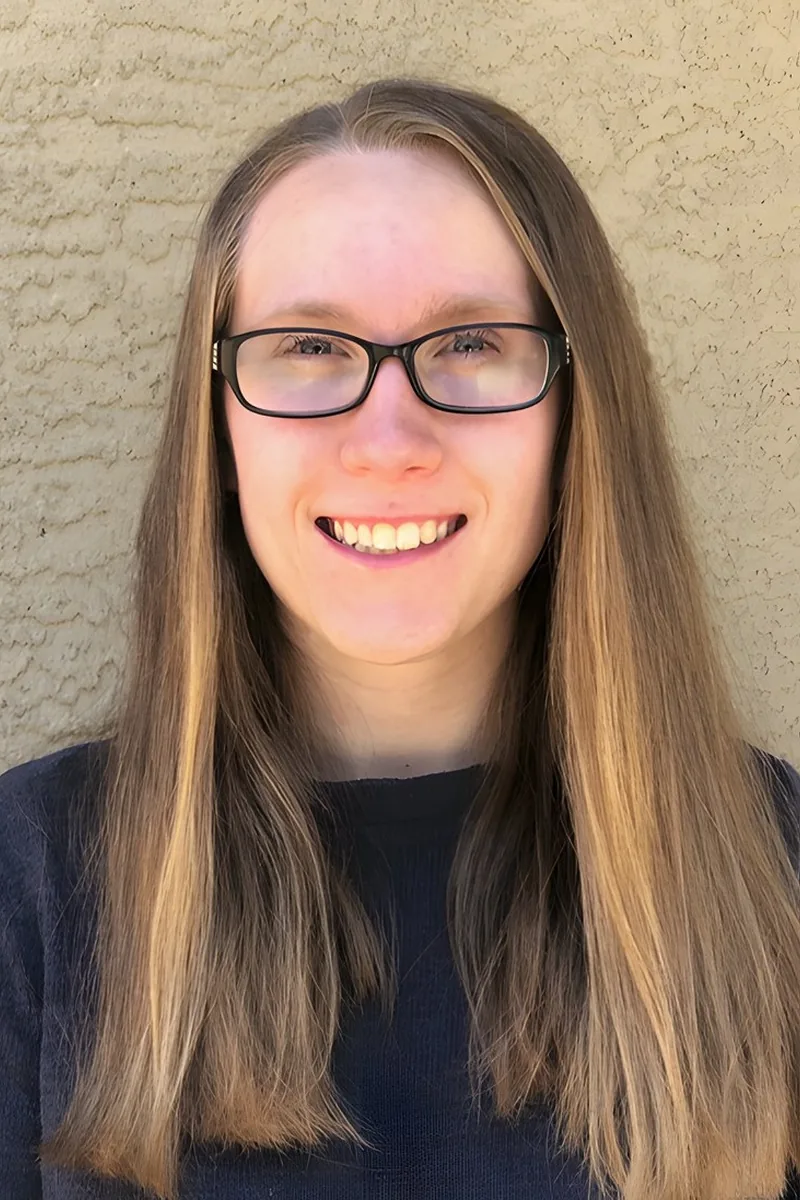
Cassandra's biology degree anchors a tutoring practice that spans genetics, biochemistry, and organic chemistry — meaning she doesn't just teach a topic like gene expression in isolation but can trace it through transcription, protein folding, and the metabolic consequences downstream. Seven years of working across middle school through college levels have given her a sharp read on whether a student needs the big-picture ecological framework or the molecular-level detail. Rated 4.9 by students.
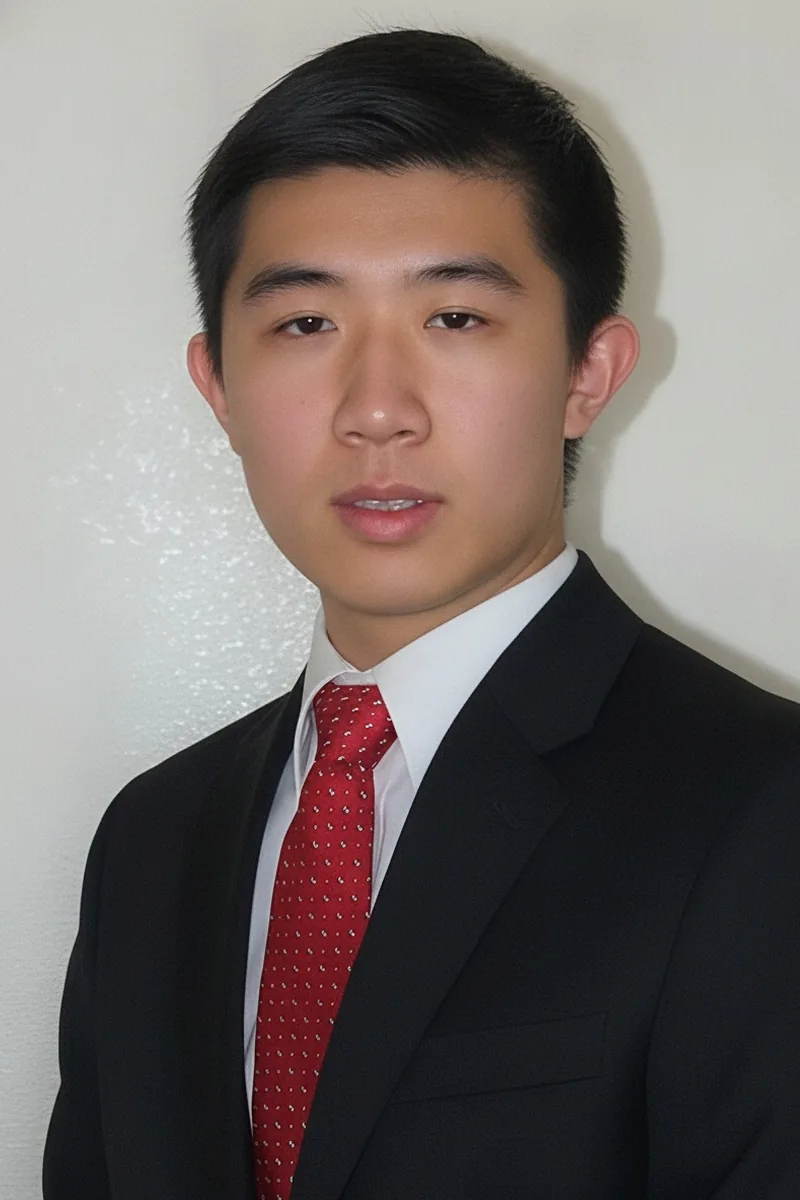
Cell signaling pathways, gene expression, and the central dogma of molecular biology aren't just topics Michael tutors — they're the core of his degree concentration at UNLV. That daily immersion means he can explain concepts like transcription regulation or membrane transport with the kind of specificity that turns a confusing textbook diagram into something a student actually understands. He also has years of experience tutoring peers in competitive magnet programs, so he's used to working at a rigorous pace.
Samuel is a Biology major at UNLV who graduated from a competitive Biotechnology program at Northwest Career and Technical Academy, so he's been immersed in biological concepts from cellular respiration to genetics for years. He approaches topics like enzyme kinetics, DNA replication, and ecological modeling with the detail of someone who's studied them in both classroom and lab settings.
From cell signaling cascades to ecological food webs, biology covers an enormous range — and Andrea's Physiological Sciences degree means she can zoom in on molecular details or zoom out to organ-system-level thinking depending on what a student needs. She's especially sharp on cellular respiration, genetics, and human body systems, topics where her coursework went well beyond a standard intro bio class.
Between his forensic science coursework and upper-level biology classes, Kyle has a deep working knowledge of cell biology, genetics, and ecological systems. He explains processes like mitosis, DNA replication, and protein synthesis by tracing each step visually, so students can reconstruct the logic on an exam rather than relying on rote memorization.
Elizabeth's bachelor's in biology isn't just a credential on paper — it means she's worked through genetics problems, dissected cellular respiration step by step, and traced evolutionary relationships across taxa. She teaches biology by linking molecular-level processes to organism-level outcomes, so a student learning about DNA transcription also understands why a single-nucleotide mutation can cascade into a visible phenotype.
Two advanced degrees in cellular and molecular biology mean Akarsh doesn't just recite textbook definitions — he explains how DNA replication, cell signaling, and ecological relationships actually work at a mechanistic level. Students come away understanding the "why" behind biological processes, which makes exam questions far easier to reason through.
Molecular biophysics sits right at the boundary of biology, chemistry, and physics, so Srini sees biological concepts from multiple angles. He digs into topics like cellular respiration, DNA replication, and ecology by explaining the underlying mechanisms rather than just the vocabulary — an approach that makes retention far easier come exam time.
Kate approaches biology through the lens of someone trained in environmental systems, which means topics like ecology, nutrient cycling, and cellular respiration get grounded in how living organisms actually interact with their surroundings. She's equally comfortable walking through genetics problems or explaining membrane transport, drawing on seven years of science tutoring to pinpoint exactly where confusion starts.
Cellular and molecular biology was Pranav's original academic focus before he moved into Biomedical Engineering at Johns Hopkins, so he brings genuine depth to topics like gene expression, cell signaling, and membrane transport. He approaches biology as a set of interconnected systems rather than isolated facts, which makes dense material like metabolic pathways or the immune response easier to retain. That dual perspective — biology plus engineering — gives him a unique way of explaining how biological mechanisms actually work.
A biology degree from UCLA followed by a Yale public health master's means Joseph has lived in this subject from introductory ecology to advanced genetics. He's especially sharp at connecting big themes — evolution, energy flow, homeostasis — across the individual units that textbooks often treat as separate chapters. That integrative perspective is exactly what turns a student who memorizes facts into one who actually thinks like a biologist.
Whether it's Mendelian genetics, cellular energetics, or ecological interactions, Emily approaches biology as a story with logic rather than a list of vocabulary words to memorize. She graduated Summa Cum Laude from Duke with a biology degree and is currently earning her MD at Columbia, so she's taught and re-learned this material at progressively deeper levels. That layered understanding lets her explain the same concept multiple ways until it lands.
Annie's cancer immunotherapy research at Cornell means she doesn't just teach biology concepts like cell signaling and immune response — she uses them daily in a working lab. As a teaching assistant for introductory biology courses, she's developed a knack for breaking down dense topics like gene expression and cellular metabolism into language that actually clicks.
First-year medical school at Thomas Jefferson means Nishad is actively building on the biology he mastered as a pre-med — genetics, cell biology, microbiology, anatomy — and seeing how each topic feeds directly into clinical problem-solving. That recent, layered exposure makes him especially effective at teaching the introductory and intermediate concepts that trip students up, because he remembers exactly which details mattered most when the material got harder.
Chemical engineering at Cornell meant Rahul had to master biology's molecular underpinnings — enzyme kinetics, metabolic pathways, cellular transport — as working tools for reactor design and bioprocess modeling, not just exam material. That engineering mindset makes him especially effective at teaching students to think through biological systems as logical, step-by-step processes rather than lists of vocabulary to memorize. Rated 4.9 by students.
As a former middle school science teacher and curriculum chair in Philadelphia, John built his biology teaching around making processes like ecological cycles and cellular organization land for students who'd never encountered them before — a skill that translates directly to any introductory-level learner. His history training at the undergraduate level also means he naturally frames biology as a narrative, connecting concepts like natural selection or population dynamics to the story of how living systems change over time. Rated 5.0 by students.
Between conducting autism research at Yale's School of Medicine and pursuing a pre-med track in biomedical engineering, Ellie lives and breathes biology at both the classroom and laboratory level. She digs into topics like cell signaling, genetics, and organ system physiology with the kind of detail that turns rote memorization into real understanding. Her 5.0 rating speaks to how well that depth translates when she's teaching one-on-one.
Ten years of teaching biochemistry to 10th graders and chemistry to 12th graders at a Philadelphia magnet school means Kathleen has watched thousands of students wrestle with the exact points where biology gets confusing — the shift from memorizing organelle names to actually understanding how photosynthesis and cellular respiration connect as mirror-image processes. Her chemistry background is the secret weapon: she teaches biological reactions by unpacking the molecular logic underneath, so concepts like enzyme function or ATP production feel inevitable rather than arbitrary. Rated 5.0 by students.
Testimonials
Because the right Biology tutor makes all the difference.
Average Session Rating – Based on 3.4M Learner Ratings
Practice Biology
Free practice tests, flashcards, and AI tutoring for Biology
Other North Las Vegas Tutors
Related Science Tutors in North Las Vegas
Frequently Asked Questions
Varsity Tutors matches North Las Vegas students with expert Biology tutors for 1-on-1 instruction. We pair each student with a tutor based on their specific needs, learning style, and goals.
Whether you need homework help, exam prep, or want to get ahead, our Biology tutors are ready to help.
Common challenges include gaps from earlier material, difficulty with specific concepts, and trouble applying learning to new problems. These issues can snowball quickly in Biology.
A tutor identifies where you're stuck, fills in gaps, and provides targeted practice. The 1-on-1 format means you get help exactly where you need it.
Tutors work with your student's actual coursework—homework assignments, class notes, and upcoming tests. This keeps tutoring directly relevant to what's happening in the classroom.
When you share information about your student's school and curriculum, we can match you with a tutor who has relevant experience.
All tutors complete background checks, credential verification, and teaching evaluation. Many of our Biology tutors hold advanced degrees or have years of teaching experience.
You can review tutor profiles to find someone with the right background for your student's level and needs.
Many students see improved grades within a few weeks, along with better understanding of Biology concepts and more confidence tackling challenging material.
Tutors track progress and adjust their approach to ensure continued improvement.
Most students benefit from 1-2 sessions per week. More frequent sessions help if your student is significantly behind or has an important exam coming up.
Your tutor can recommend a schedule based on your student's specific situation and goals.
Tutoring is purchased in packages of hours, with rates varying by tutor experience. Varsity Tutors offers several options to fit different budgets and needs.
You can discuss pricing during your consultation to find what works best.
Your tutor will assess where your student is, discuss goals, and start working on priority areas. Most students bring current homework or upcoming test material to focus on.
By the end, you'll have a clear sense of how the tutor can help and a plan for moving forward.
Let’s find your perfect tutor
Answer a few quick questions. We’ll recommend the right plan and match you with a top 5% tutor.