Award-Winning Biochemistry Tutors
serving Chicago, IL
Biochemistry
Tutors in Chicago
Private 1-on-1 tutoring, weekly live classes for academic support, test prep & enrichment, practice tests and diagnostics, and more to elevate grades and test scores.
Based on 3.4M Learner Ratings
UniversitiesSchools & Universities
DeliveredHours Delivered
ProficiencyGrowth in Proficiency
Who needs tutoring?
No obligation. Takes ~1 minute.
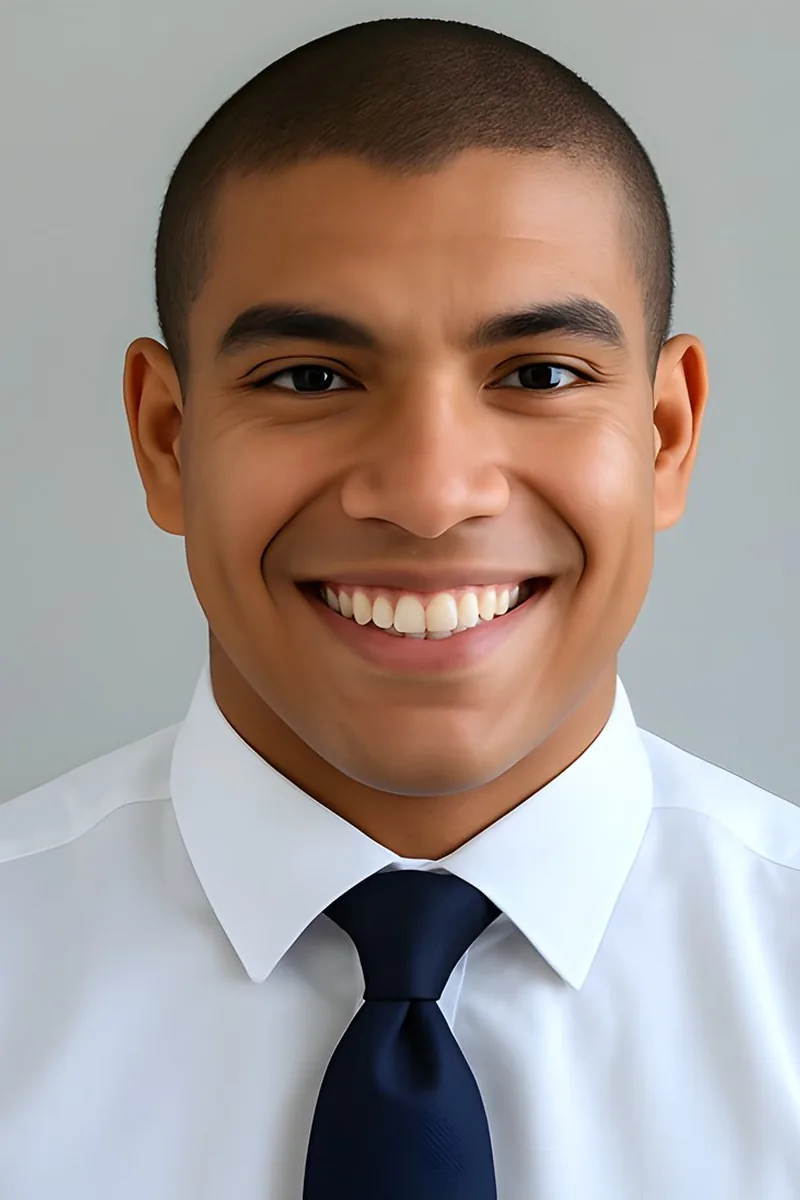
Enzyme kinetics, metabolic pathways, and protein structure all demand a kind of thinking that sits right at the intersection of biology and chemistry — exactly where Jhonatan's neuroscience training lives. He unpacks topics like Michaelis-Menten kinetics and amino acid chemistry by connecting molecular details to the larger biological question of why a cell needs this reaction in the first place. Rated 5.0 by students.
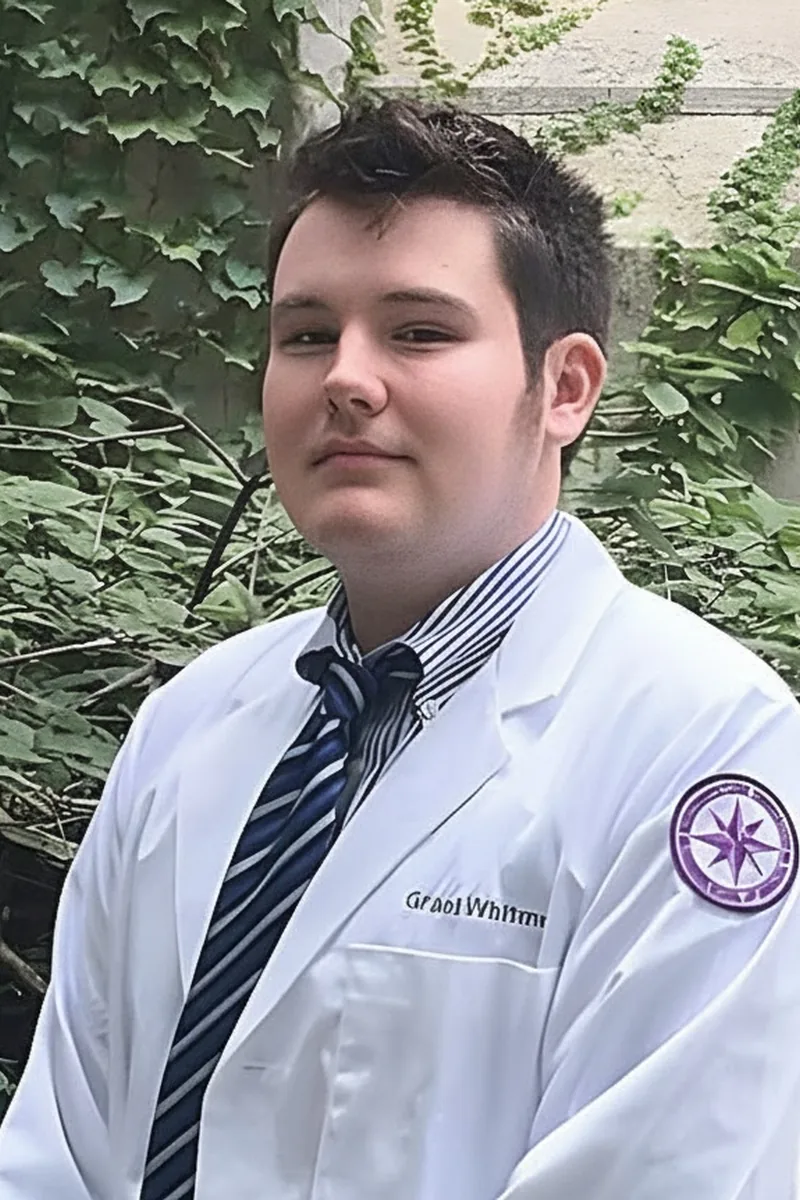
Medical school with a focus on infectious diseases means Grant thinks about biochemistry in terms of host-pathogen interactions — how bacteria hijack metabolic machinery, why certain enzyme targets make effective drug sites, and what happens to energy metabolism during sepsis. His biochemistry degree and MD training let him teach topics like amino acid pathways and enzyme inhibition by connecting each mechanism to the microbiology that brings it to life.
Enzyme kinetics, metabolic pathways, protein structure — biochemistry demands that students hold molecular-level details and big-picture biological function in their heads simultaneously. Gabe studied neuroscience and behavior as an undergraduate, which meant living in biochemistry coursework and understanding how molecular interactions drive everything from cellular respiration to neurotransmitter signaling. He breaks down dense pathway diagrams into cause-and-effect chains that are far easier to retain.
Enzyme kinetics, metabolic pathways, and protein structure all clicked for Kurt during his Physician Assistant training, where biochemistry wasn't abstract — it was the basis for understanding drug interactions and disease mechanisms. He teaches concepts like Michaelis-Menten kinetics and the citric acid cycle by anchoring them in clinical examples that make the material stick. His 5.0 rating speaks to how well that approach lands with students.
Enzyme kinetics, metabolic pathways, protein folding — Connor digs into biochemistry with the depth his biomedical sciences master's from Loyola Chicago demanded. He connects molecular-level details to physiological outcomes, so a student learning about Michaelis-Menten kinetics also understands what it means when a drug is a competitive inhibitor in a clinical context.
Claire's chemistry degree and incoming medical school training at the University of Illinois College of Medicine mean she's worked through biochemistry from both the bench and the clinical side — enzyme mechanisms, metabolic regulation, and the molecular logic connecting organic chemistry to living systems. She breaks down dense pathways like the citric acid cycle or amino acid catabolism by mapping each step back to the underlying reaction chemistry, so students can reconstruct a pathway from principles instead of flashcards. Rated 5.0 by students.
Enzyme kinetics, metabolic pathways, and protein structure all demand a student who can think across chemistry and biology simultaneously — which is exactly what Aleeza's biology degree and MCAT preparation trained her to do. She unpacks topics like Michaelis-Menten kinetics and amino acid chemistry by tying molecular details to the bigger biological picture. Students studying for upper-level biochemistry exams or the MCAT get someone who recently mastered this material herself.
Physical chemistry PhD work at UC Berkeley means Jacob spent years quantifying the thermodynamic and kinetic principles that govern every biochemical process — from enzyme catalysis rates to the free energy changes driving metabolic pathways forward. He teaches biochemistry by unpacking the physical chemistry underneath it, so concepts like Michaelis-Menten kinetics or the energetics of oxidative phosphorylation feel like derivable logic rather than formulas to memorize. Rated 4.9 by students.
I am a current student at Washington University in St. Louis, and have been tutoring for the last four years. While I most commonly worked with younger students in the beginning, I gradually took on an influx of older students as my teaching style developed. Because of this, I have experience teaching students from all ages and backgrounds. With my youngest learner ever being 4 years old and my oldest in her 50's, I wholeheartedly believe anyone can learn. I have the experience and desire adapt to each student's unique style of learning in any subject they need; from learning ABCs to multi-variable calculus, I have experience in it all.
I am a junior at the University of Wisconsin--Madison, working toward Bachelor of Science degrees in Biology and Spanish, as well as a Certificate in Leadership. I have volunteered as a tutor of high school students through Centro Hispano and junior high students through Mentoring Positives in Madison, Wisconsin. While I tutor a broad range of subjects, I am most passionate about biology, chemistry, and math, as well as the MCAT exam. I place a high emphasis on content comprehension in preparation for standardized tests, as well as in other coursework. I also enjoy teaching Spanish, in which I am proficient. I lived in Seville, Spain during the fall of 2014, and I believe that repeated conversation practice is one of the best ways to learn a language. I also enjoy watching and playing a variety of sports, especially football and basketball, and when given the opportunity, I love to travel.
Zachary earned both his BS in Biology and a master's in Molecular Biology, which means he's traced biochemical pathways from two different altitudes — the broad cellular view and the granular molecular detail. That dual training comes through when he unpacks topics like lipid metabolism or allosteric enzyme regulation, building each concept from its chemical logic so the bigger metabolic map starts to make sense on its own.
Studying organismal physiology at Drexel meant Steven spent serious time with enzyme kinetics, metabolic pathways, and protein structure-function relationships — the core of any biochemistry course. He unpacks topics like the citric acid cycle and amino acid chemistry by tying each reaction back to its biological purpose, which makes the dense material easier to retain.
Having served as an undergraduate teaching assistant for introductory biochemistry at Cornell, Josef knows exactly which concepts — cofactor roles, enzyme regulation, the interplay between metabolic pathways — trip students up for the first time. He teaches by showing how biochemistry synthesizes organic chemistry, cell biology, and thermodynamics into a single coherent story, so each pathway feels like a logical extension rather than a separate thing to memorize. Rated 5.0 by students.
Having worked in biochemical laboratories alongside his dual bachelor's degrees — including one in biochemistry — and his architecture studies at Columbia, Andrew brings a rare structural intuition to topics like protein folding and macromolecular assembly. He teaches metabolic pathways by building them up from their organic chemistry foundations, so students see each reaction as a logical next step rather than an isolated arrow on a diagram. Rated 4.9 by students.
Few tutors can teach biochemistry from the perspective of someone who lived it at the graduate level. Dennis holds a Masters in Chemical and Physical Biology from Vanderbilt and an undergraduate degree in Biochemistry, so topics like enzyme kinetics, metabolic regulation, and protein structure are second nature. He walks through reaction mechanisms and pathway logic in a way that builds real understanding rather than rote memorization.
Enzyme kinetics, metabolic pathways, protein folding — biochemistry sits at the intersection of biology and chemistry, and Natasha lives at exactly that intersection as a chemical and biomolecular engineering graduate student at MIT. She unpacks reaction mechanisms and molecular interactions by encouraging students to talk through each step out loud, turning dense pathway diagrams into narratives that actually stick.
Four years of medical school means Jordan has cycled through biochemistry multiple times — first mastering it for premed coursework, then again for the MCAT, and again for USMLE Step 1 — each pass deepening his grasp of how pathways like the urea cycle and oxidative phosphorylation connect to clinical medicine. That layered repetition lets him teach metabolic integration the way it actually gets tested: not as isolated reactions, but as interconnected systems where disrupting one enzyme cascades through the whole picture. Rated 5.0 by students.
Enzyme kinetics, metabolic pathways, and protein structure sit right at the intersection of Aimee's two degrees — chemical engineering and biosystems engineering. She unpacks topics like Michaelis-Menten kinetics and amino acid chemistry by tying them to the biomedical research context she works in at Georgia Tech, making dense material feel purposeful.
Northwestern's neuroscience program required Amira to internalize biochemistry from the pre-med side — amino acid properties, metabolic pathway regulation, and the molecular signaling that bridges chemistry and biology. She breaks down dense topics like enzyme kinetics and oxidative metabolism by linking each mechanism back to the physiological system it serves, turning abstract reaction chains into something students can reason through rather than memorize.
Over a year of tutoring organic chemistry through UT Austin's Engineering Student Services gave Felipe a deep fluency with the reaction mechanisms that underpin biochemistry — the nucleophilic attacks in metabolic intermediates, the carbonyl chemistry driving the citric acid cycle, and the functional group transformations that distinguish one pathway step from the next. As a biomedical engineering major on the pre-med track, he's currently synthesizing this material across his own coursework, which means he knows exactly which mechanistic details professors test and which shortcuts actually hold up under pressure.
Earning a BS in Biochemistry from Boston College and then completing a PhD in molecular biology means Monika has spent years immersed in enzyme kinetics, metabolic pathways, and protein structure-function relationships. She tackles tough topics like the citric acid cycle and Michaelis-Menten kinetics by connecting each reaction to its biological purpose, turning rote memorization into logical storytelling.
Enzyme kinetics, metabolic pathways, amino acid structures — biochemistry asks students to hold an enormous amount of detail in their heads while still thinking mechanistically. Emily's pre-med coursework and global health studies at Cornell gave her a deep familiarity with how biological molecules behave at the chemical level, and she teaches students to see the logic connecting protein structure to function rather than treating each pathway as an isolated list.
Testimonials
Because the right Biochemistry tutor makes all the difference.
Average Session Rating – Based on 3.4M Learner Ratings
Practice Biochemistry
Free practice tests, flashcards, and AI tutoring for Biochemistry
Nearby Biochemistry Tutors
Other Chicago Tutors
Related Science Tutors in Chicago
Frequently Asked Questions
Biochemistry is the study of chemical processes within living organisms—how molecules like proteins, lipids, and carbohydrates interact to sustain life. It bridges chemistry and biology, helping you understand everything from how your cells produce energy to how medications work at the molecular level. For students in Chicago, mastering biochemistry opens doors to careers in medicine, pharmaceutical research, biotechnology, and environmental science.
Many students struggle with visualizing abstract molecular structures and understanding how microscopic chemical reactions connect to real-world biological processes. Balancing complex equations, memorizing metabolic pathways, and grasping the logic behind enzyme kinetics are common pain points. Biochemistry requires both deep conceptual understanding and the ability to apply that knowledge to problem-solving—tutoring helps you move beyond memorization to truly understand the 'why' behind biochemical reactions.
Your first session focuses on understanding your current level, identifying specific challenges, and establishing learning goals. A tutor will assess whether you're struggling with foundational chemistry concepts, visualization of molecular structures, metabolic pathways, or exam preparation. From there, you'll develop a personalized plan that targets your weak areas while building confidence in the concepts you've already mastered.
Yes. Tutors can help you understand the scientific method, design experiments, interpret lab results, and connect your hands-on work to the theoretical concepts you're learning in class. Whether you're struggling to understand why a protocol works a certain way or need help analyzing data and drawing conclusions, personalized instruction helps you develop stronger scientific reasoning skills alongside your technical knowledge.
Strategic memorization is necessary, but it shouldn't be your only study method. Understanding the logic of how pathways work—why certain molecules are produced, how enzymes catalyze reactions, and what conditions affect rates—helps information stick much longer than rote memorization. Expert tutors teach you frameworks and connections that make pathways easier to remember and apply, transforming biochemistry from a list of facts into an interconnected system you can reason through.
Personalized tutoring focuses on your specific weak areas rather than generic review. Tutors use practice problems, exam-style questions, and targeted explanations to build both speed and accuracy. If you're preparing for the MCAT or a college biochemistry exam, tutors help you master the content while developing test-taking strategies and confidence—research shows that 1-on-1 instruction significantly improves performance on standardized assessments.
Varsity Tutors connects you with tutors who have strong backgrounds in biochemistry, chemistry, or related sciences—many hold advanced degrees and have professional experience in research, healthcare, or industry. Each tutor is vetted for subject expertise and teaching ability, ensuring you learn from someone who not only understands the material deeply but can explain complex concepts clearly.
Chicago has excellent science museums, university research facilities, and library systems that offer additional learning opportunities. Many Chicago-area universities also host public lectures on biochemistry and life sciences. Personalized tutoring works best alongside these resources—a tutor can help you make sense of complex material and connect what you're learning in class to real-world applications you encounter in your community.
Let’s find your perfect tutor
Answer a few quick questions. We’ll recommend the right plan and match you with a top 5% tutor.