Award-Winning Microbiology Tutors
serving Chicago, IL
Award-Winning
Microbiology
Tutors in Chicago
Private 1-on-1 tutoring, weekly live classes for academic support, test prep & enrichment, practice tests and diagnostics, and more to elevate grades and test scores.
Based on 3.4M Learner Ratings
UniversitiesSchools & Universities
DeliveredHours Delivered
ProficiencyGrowth in Proficiency
Who needs tutoring?
No obligation. Takes ~1 minute.
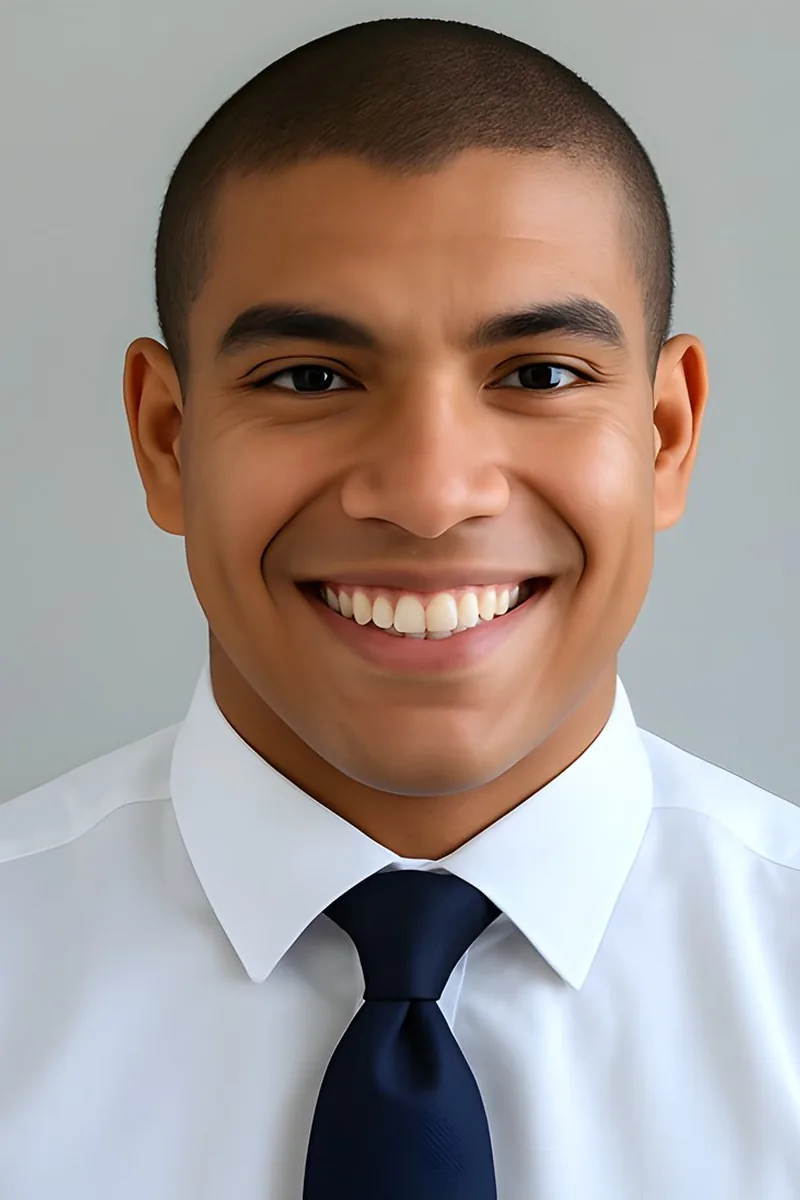
Neuroscience training at the undergraduate level means Jhonatan spent significant time with the microbial world — understanding how pathogens cross the blood-brain barrier, how CNS infections progress, and how the gut microbiome communicates with neural tissue. He teaches microbial physiology and host interactions by anchoring them to these neuroimmune connections, giving students a narrative thread through what can otherwise feel like an overwhelming catalog of organisms. Rated 5.0 by students.
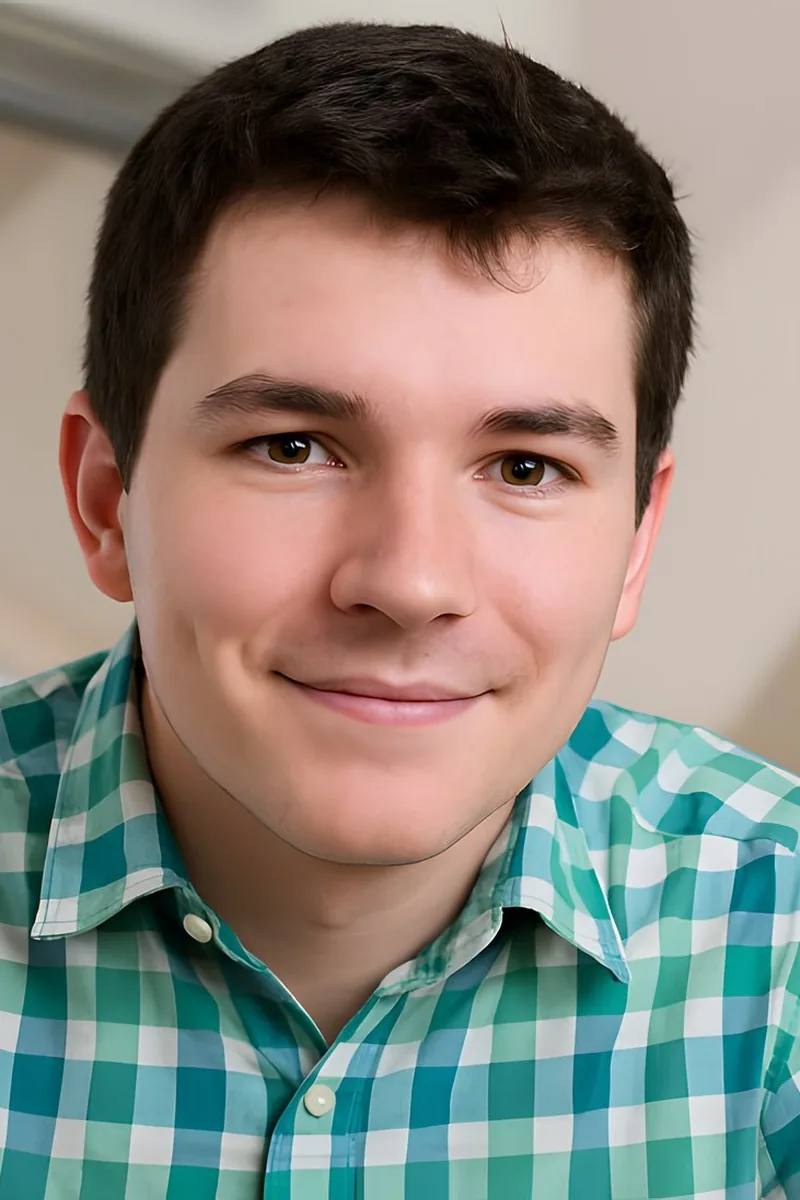
Richard's PhD research at Northwestern is in microbiology, which means he's not teaching this subject from a textbook — he's living it. He digs into topics like bacterial pathogenesis, microbial genetics, and host-immune interactions with the kind of detail that comes from years at the bench. Students preparing for exams or struggling with lab reports get someone who can connect microscopic mechanisms to the bigger public health picture.
Few tutors have a dedicated microbiology credential — Felix earned an Associate in Science specifically in microbiology and taught biology at the university level as a TA. He digs into bacterial morphology, staining techniques, metabolic pathways, and microbial genetics with the kind of detail that lecture halls often gloss over. Whether it's understanding biofilm formation or interpreting antibiotic susceptibility results, he connects lab concepts to the underlying theory.
Grant's career goal is academic infectious disease medicine, which means microbiology isn't just a subject he teaches — it's the science he's building a career around. He walks through bacterial pathogenesis, immune evasion strategies, and antimicrobial mechanisms with the clinical detail that makes organisms and their behaviors memorable instead of just another list to cram.
Studying political science at the University of Chicago while also tutoring across cell biology, molecular biology, and chemistry gave Masooma an unusual cross-disciplinary lens on microbiology — she connects microbial processes like cell membrane function and pathogen classification back to the molecular and chemical principles that explain them. Her 34 ACT and 4.9 rating from students speak to how effectively she breaks down dense material into steps that actually make sense.
Maxine's Master of Engineering in Biotechnology at Northwestern put her deep into microbial systems — from bacterial growth kinetics to cell signaling pathways and lab techniques like gram staining and culture preparation. She unpacks complex topics like microbial metabolism and pathogenesis by tying them back to the underlying chemistry, which makes the material easier to retain.
Matthew studied microbiology, immunology, and molecular genetics at the undergraduate level, so he isn't teaching from a textbook summary — he learned this material in depth. He digs into bacterial physiology, viral replication cycles, and host-pathogen interactions by posing clinical and research scenarios that make students reason through mechanisms. Rated 4.9 by students, he's especially strong on connecting molecular-level processes to observable microbial behavior.
Gram staining protocols, bacterial growth curves, pathogenicity mechanisms — microbiology demands that students toggle between memorization-heavy content and quantitative lab skills. Ian's biological sciences training gave him hands-on experience with these topics, and he unpacks microbial concepts by tying structure to function so the vocabulary sticks.
Studying biological sciences at Marquette, Ellen digs into microbiology daily — bacterial metabolism, gene regulation, host-pathogen interactions, and the lab techniques used to study them. She breaks down complex processes like the lytic cycle or quorum sensing into clear, sequential steps that are easier to retain for exams.
Understanding the 'why' behind microbial behavior — why certain bacteria thrive in anaerobic environments, why Gram staining differentiates cell wall structures, why specific pathogens evade immune responses — requires the kind of biology-and-chemistry crossover that Ellen built at Oberlin through her bio major and chem minor. She teaches microbiology by connecting molecular-level details like metabolic pathways and membrane composition back to the observable behaviors they produce, so students can reason through unfamiliar organisms instead of relying on rote memorization. Rated 5.0 by students.
From bacterial cell wall structures to viral replication cycles, Kurt's PA education required him to know microbiology at a clinical depth — which pathogens cause which infections, how antibiotic resistance develops, and why gram staining matters. He teaches the subject by connecting each organism and mechanism to a real-world scenario, so students aren't just memorizing genus names in a vacuum.
Testimonials
Because the right Microbiology tutor makes all the difference.
Average Session Rating – Based on 3.4M Learner Ratings
Nearby Microbiology Tutors
Other Chicago Tutors
Related Science Tutors in Chicago
Frequently Asked Questions
Microbiology courses generally cover the structure and function of microorganisms—bacteria, viruses, fungi, and protists—along with their identification, growth, and control. You'll typically study cell biology at the microscopic level, metabolic pathways, genetics, and how microorganisms interact with hosts and environments. Many courses also include laboratory work focusing on culturing techniques, staining procedures, and identifying unknown organisms. At the college level, you may dive deeper into immunology, pathogenesis, epidemiology, and applied microbiology in fields like medicine, food safety, or environmental science.
Many microbiology concepts—like bacterial flagella movement, viral replication, or antibiotic resistance mechanisms—are difficult to visualize without expert guidance. Tutors help by using diagrams, animations, physical models, and step-by-step explanations to make abstract processes concrete. They can also connect what you observe under the microscope in lab to the underlying biology, helping you move beyond memorization to genuine understanding. For students in Chicago working through complex topics like biofilm formation or quorum sensing, personalized tutoring bridges the gap between textbook descriptions and real molecular events.
Memorization might get you names of pathogens or steps in a process, but understanding means knowing why those steps matter and how changing conditions would alter outcomes. For example, memorizing that bacteria divide by binary fission is surface-level; understanding the growth phases, generation time, and factors affecting reproduction helps you predict bacterial behavior in real scenarios. True comprehension also means you can apply concepts to new situations—like predicting how antibiotics might fail or why certain sterilization methods work. Tutors help develop this deeper scientific thinking by asking probing questions and guiding you through problem-solving rather than just drilling facts.
Microbiology labs are where theory becomes tangible—you culture organisms, prepare slides, observe structures, and test hypotheses hands-on. However, labs can feel disconnected from lecture material if you're not clear on the underlying principles. A tutor can help you understand what you're observing under the microscope, why certain protocols matter, and how lab results relate to the biological concepts in your course. This connection is especially valuable for topics like gram staining (understanding cell wall differences), susceptibility testing (how antibiotics actually work), and identifying unknown organisms using biochemical tests. For students in Chicago taking rigorous microbiology courses, this bridge between bench work and conceptual knowledge deepens both your lab skills and your scientific reasoning.
Students often struggle with balancing chemical equations in metabolic pathways, converting between different measurement scales (like colony-forming units or viral titers), and keeping track of complex life cycles—especially for parasites and fungi. Many also find it challenging to move from memorizing disease names to understanding disease mechanisms and epidemiology. Tutoring addresses these pain points by breaking down multistep processes into manageable pieces, providing practice with unit conversions in microbiology contexts, and using real-world examples to anchor abstract concepts. Expert tutors can also help you develop a systematic approach to identifying unknown organisms or diagnosing infections, building both your content knowledge and your problem-solving confidence.
Varsity Tutors connects you with expert tutors who have deep knowledge in microbiology and understand how to teach it effectively. When you reach out, you can specify your course level (high school AP, college introductory, advanced microbiology, or clinical microbiology), your specific challenges, and your learning goals. Tutors can customize sessions around your curriculum, upcoming exams, lab reports, or conceptual weak spots. Whether you're preparing for a microbiology exam, working through challenging lab concepts, or building your understanding before a more advanced course, you'll get matched with someone who can meet your needs.
Yes. Personalized 1-on-1 instruction is particularly effective for exam preparation because tutors can identify your specific gaps, focus on high-yield topics, and provide targeted practice with realistic questions. For AP Microbiology or college-level placement exams, tutors help you master content while also developing test-taking strategies—like managing time, interpreting microscopy images, analyzing experimental data, and applying concepts to unfamiliar scenarios. They can also provide feedback on lab practicals and free-response questions. With Chicago's strong academic environment, connecting with a tutor early allows time to build mastery rather than cramming, leading to more confident, successful exam performance.
Let’s find your perfect tutor
Answer a few quick questions. We’ll recommend the right plan and match you with a top 5% tutor.