Award-Winning Writing Tutors
serving Lincoln, NE
Writing
Tutors in Lincoln
Private 1-on-1 tutoring, weekly live classes for academic support, test prep & enrichment, practice tests and diagnostics, and more to elevate grades and test scores.
Based on 3.4M Learner Ratings
UniversitiesSchools & Universities
DeliveredHours Delivered
ProficiencyGrowth in Proficiency
Who needs tutoring?
No obligation. Takes ~1 minute.

Strong writing starts with having something specific to say — Rachel's first move is always getting a student to articulate their argument before touching a single paragraph. Her daily work as a college writing tutor means she's coached students through everything from five-paragraph essays to research papers, building confidence in drafting, organizing evidence, and revising with purpose.
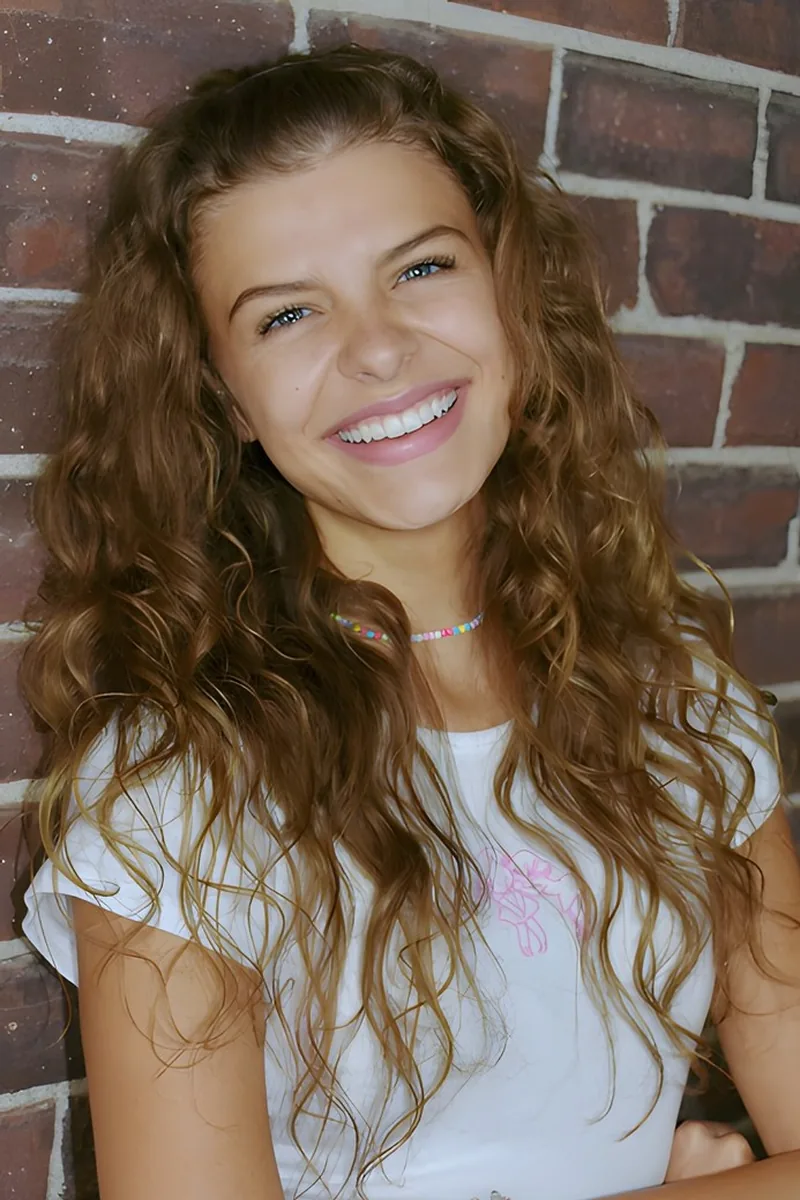
I'm a Music Industry major at the University of Southern California (USC) in Los Angeles with minors in Songwriting and Theatre. I am a National Merit Scholar, which is based on my standardized test scores, involvement in extracurriculars, and volunteer work. I have experience tutoring in a variety of subjects as part of National Honor Society. Since I recently scored highly on the ACT and PSAT, I have confidence in my ability to help students make advancements in their standardized test scores. I'm also passionate about music theory and have recently excelled in an upper-level music theory class in the USC Thornton School of Music. In my spare time I love playing guitar, songwriting, acting in theatre productions, biking, and studying at coffee shops. I will ensure a learning experience that is enjoyable and productive!
Blank-page paralysis is real, and Aaron tackles it by teaching students to separate drafting from editing — getting ideas down first, then shaping them into something precise. His experience writing across disciplines, from lab reports in biochemistry to analytical essays in the humanities, means he can adapt his coaching to whatever genre a student is working in. He holds a 5.0 client rating.
As a Ph.D. student who writes extensively for academic journals and coursework, James treats writing as a craft built on revision, not inspiration. He walks through the full process — brainstorming a thesis, organizing evidence, finding a voice that fits the assignment — so students leave with a repeatable method, not just a finished paper.
I am currently studying chemical engineering at the University of Michigan. I have always helped out my fellow students with schoolwork, and I have tutored in the National Honor Society for three years. My tutoring strengths include my abilities to stay calm, be patient, and offer different perspectives on the learning process. I do not just help my students learn the material, but I also teach them how to learn it. I tutor math and test prep courses. Outside of school and tutoring, I play the piano. I have played classical piano for 13 years and jazz piano for 7.
I am my strongest and best self when helping others. As an enthusiastic, passionate, and dependable teacher, I am consistently working to share and engage with the material I love.
I am also a teaching assistant for one of the psychology professors, and I help students in introduction to psychology learn concepts and prep for exams.
I'm working towards a degree in computer science, but I've thought about switching that over to mathematics-well because I love math. Outside of school subjects; I play video games, do cross country, and like watching documentaries and superhero films.
I am an undergraduate student attending Grinnell College in Iowa to pursue a B.A. in Computer Science. I grew up in Minnesota, and now I am staying in Omaha. I like traveling, meeting new people, and learning everything that I can.
"Finding the right words for thoughts" is how Galen describes what years of studying philosophy and English taught him, and it's the core of what he brings to writing instruction. Whether a student is building a persuasive argument or a personal narrative, he digs into sentence-level clarity — showing how word choice and syntax shape whether a reader actually follows your thinking.
Strong writing isn't about flowery language — it's about knowing what you're arguing and proving it sentence by sentence. Parag's political science training at Northwestern means he lives in thesis-driven essays, and he teaches students how to outline a clear claim, select evidence that actually supports it, and write conclusions that do more than restate the introduction.
Sherry's dual background in linguistics and psychology — both from the University of Chicago — gives her an unusual lens on writing: she understands how sentences work structurally and how readers process them cognitively. She teaches students to sharpen thesis statements, tighten paragraph transitions, and revise with purpose, whether they're drafting a personal essay or an academic research paper. Rated 5.0 by students.
Most writing problems aren't really about grammar; they're about a writer not yet knowing what they're trying to say. Lauren starts by untangling the idea — asking students to articulate their argument out loud before committing it to paper — then teaches them to organize paragraphs around claims and evidence. It's an approach rooted in her own graduate-level research writing.
Henry's senior thesis at Harvard on John Dewey's philosophy of education required building a sustained, evidence-based argument across dozens of pages — a process that sharpened his instinct for what makes writing persuasive versus merely correct. He teaches students to outline with a clear claim in mind, develop paragraphs around specific evidence, and revise with an ear for voice and rhythm.
Clear writing is really clear thinking made visible, and Emily's entire career — philosophy at Northwestern, then law — has been built on that principle. She teaches students to outline an argument before drafting, choose precise language over impressive-sounding filler, and revise by asking what each paragraph actually proves.
Strong writing starts with a clear claim and evidence that actually supports it — skills Richard hones daily as a Government concentrator at Harvard. He breaks down the writing process into manageable steps, from outlining an argument to refining sentence-level style, so students learn to produce polished drafts independently rather than relying on vague inspiration.
Whether the assignment is a persuasive essay, a research paper, or a reflective narrative, Emily teaches students to build an argument from the ground up: claim, evidence, analysis, structure. Her Yale training spanned lab reports in cellular biology and literary essays in French, so she's comfortable coaching writing across genres and disciplines. Rated 5.0 by students.
Strong writing starts with a clear argument, not a perfect first sentence. Connor teaches students to outline their central claim and supporting evidence before drafting, then revise in layers — structure first, then paragraph cohesion, then word choice. His graduate work in biomedical sciences demanded precise, concise prose, and he brings that same discipline to academic essays, research papers, and creative assignments alike.
Strong writing is really rewriting — and Meghan learned that through two journalism degrees at Northwestern and daily practice at a New York magazine. She teaches students to draft with a clear argument, revise for structure and evidence, and edit for voice, moving a piece from rough idea to polished final draft without losing what made it theirs.
Clear writing starts with clear thinking, and Garrett treats every writing session as an exercise in organizing ideas before polishing prose. Whether a student is drafting a persuasive essay or a research paper, he teaches them to build an argument with a specific claim, logical evidence, and deliberate transitions — skills that transfer to every class. His own love of writing and reading keeps his feedback grounded in what actually makes sentences compelling.
Every writing problem is really a thinking problem — a muddled thesis usually means the idea isn't clear yet. Solange walks students through the full arc from brainstorming to polished draft, teaching them to outline arguments, vary sentence structure, and revise with purpose. Her sociology training at Harvard made her especially sharp at building evidence-based written arguments.
Testimonials
Because the right Writing tutor makes all the difference.
Average Session Rating – Based on 3.4M Learner Ratings
Nearby Writing Tutors
Other Lincoln Tutors
Related English Tutors in Lincoln
Frequently Asked Questions
Varsity Tutors matches Lincoln students with expert Writing tutors for 1-on-1 instruction. We pair each student with a tutor based on their specific needs, learning style, and goals.
Whether you need homework help, exam prep, or want to get ahead, our Writing tutors are ready to help.
Common challenges include gaps from earlier material, difficulty with specific concepts, and trouble applying learning to new problems. These issues can snowball quickly in Writing.
A tutor identifies where you're stuck, fills in gaps, and provides targeted practice. The 1-on-1 format means you get help exactly where you need it.
Tutors work with your student's actual coursework—homework assignments, class notes, and upcoming tests. This keeps tutoring directly relevant to what's happening in the classroom.
When you share information about your student's school and curriculum, we can match you with a tutor who has relevant experience.
All tutors complete background checks, credential verification, and teaching evaluation. Many of our Writing tutors hold advanced degrees or have years of teaching experience.
You can review tutor profiles to find someone with the right background for your student's level and needs.
Many students see improved grades within a few weeks, along with better understanding of Writing concepts and more confidence tackling challenging material.
Tutors track progress and adjust their approach to ensure continued improvement.
Most students benefit from 1-2 sessions per week. More frequent sessions help if your student is significantly behind or has an important exam coming up.
Your tutor can recommend a schedule based on your student's specific situation and goals.
Tutoring is purchased in packages of hours, with rates varying by tutor experience. Varsity Tutors offers several options to fit different budgets and needs.
You can discuss pricing during your consultation to find what works best.
Your tutor will assess where your student is, discuss goals, and start working on priority areas. Most students bring current homework or upcoming test material to focus on.
By the end, you'll have a clear sense of how the tutor can help and a plan for moving forward.
Let’s find your perfect tutor
Answer a few quick questions. We’ll recommend the right plan and match you with a top 5% tutor.