Award-Winning Science Tutors
serving Green Bay, WI
Science
Tutors in Green Bay
Private 1-on-1 tutoring, weekly live classes for academic support, test prep & enrichment, practice tests and diagnostics, and more to elevate grades and test scores.
Based on 3.4M Learner Ratings
UniversitiesSchools & Universities
DeliveredHours Delivered
ProficiencyGrowth in Proficiency
Who needs tutoring?
No obligation. Takes ~1 minute.
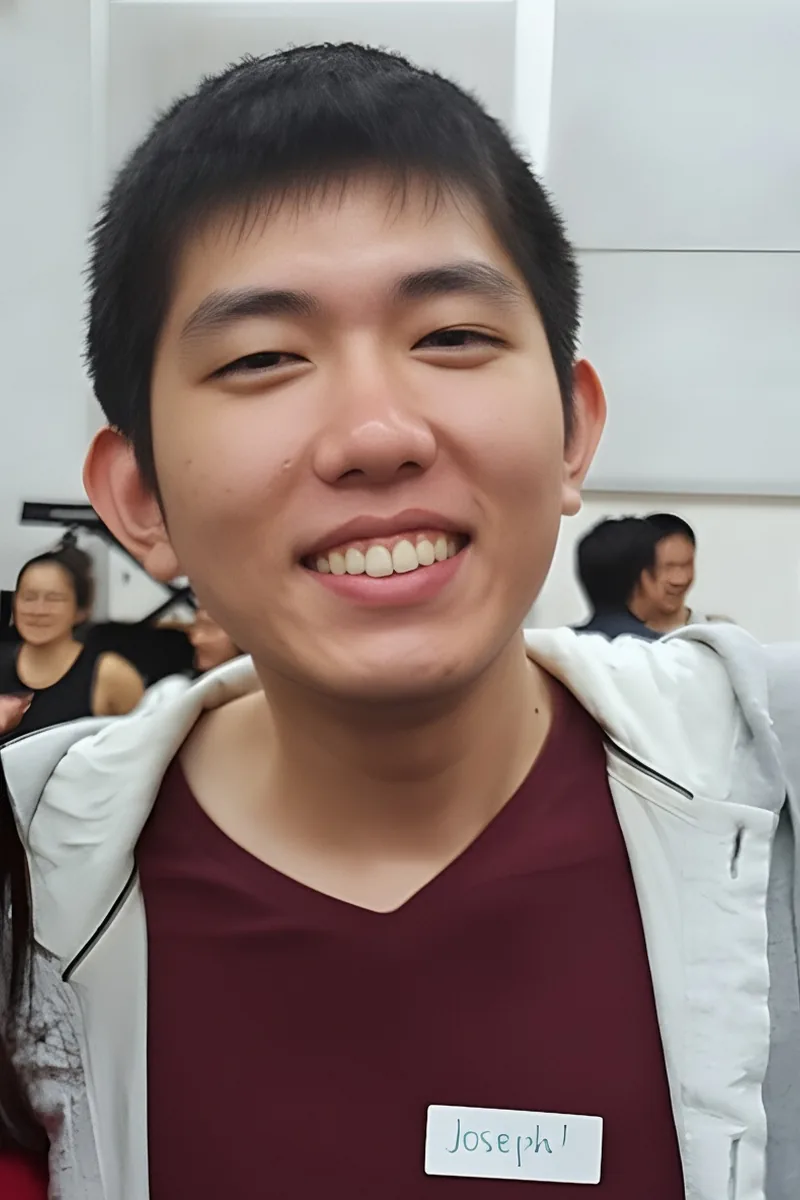
Biology was Joseph's undergraduate focus at UCLA, and his public health master's at Yale keeps him immersed in how scientific concepts apply to real problems like disease transmission and environmental health. He unpacks topics like the scientific method, cell structure, and ecosystems by connecting them to questions students encounter outside the classroom.
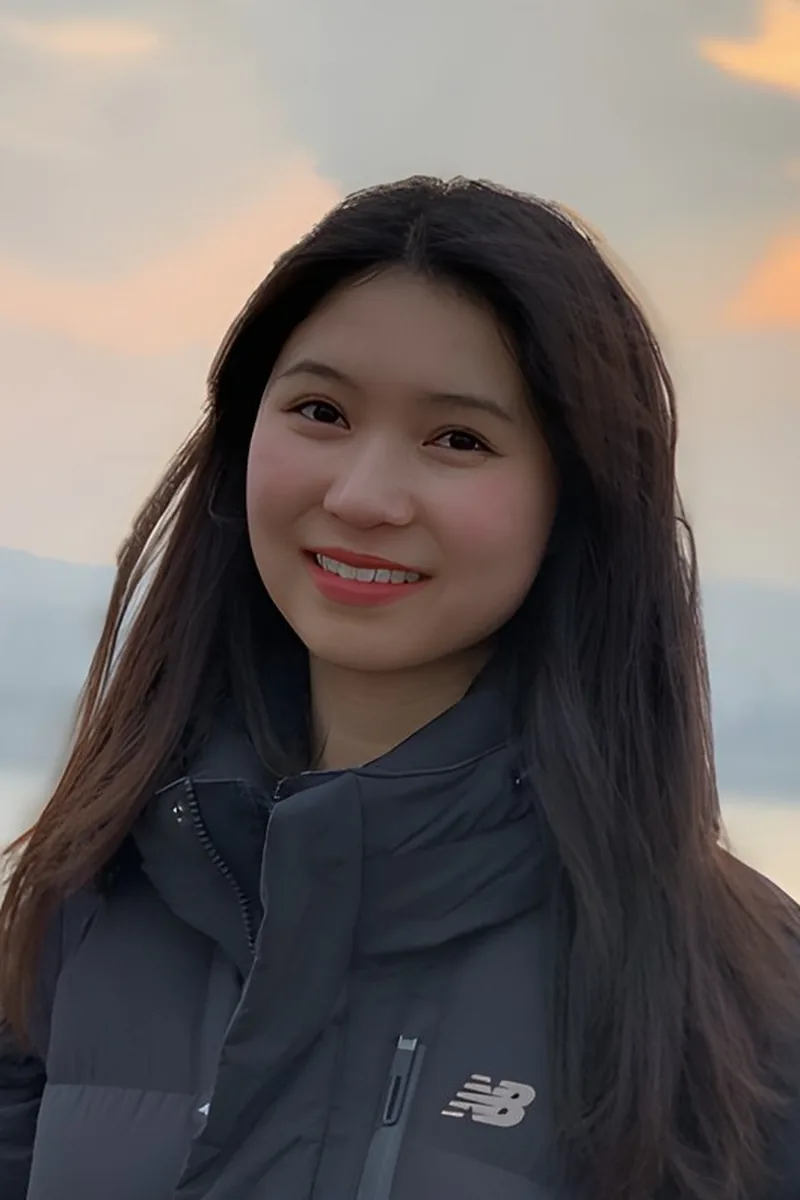
Competition math sharpened Tracy's ability to think quantitatively under pressure, and that same skill set — reading data, spotting patterns, testing whether an answer actually makes sense — is exactly what science coursework asks students to do with experiments and observations. Her economics training adds a layer of comfort with graphs, variables, and interpreting what numbers mean in context, which covers the analytical side of science that pure memorization misses. Rated 4.9 by students.
Amber teaches across chemistry and physics — from balancing redox equations to breaking down kinematics problems — and her 35 ACT confirms she can tackle science content at a high level. Her approach connects scientific reasoning to real-world examples, making abstract concepts like energy conservation or stoichiometry click. Rated 5.0 by students.
Quinn's political science background means he spent years evaluating polling data, dissecting research methodologies, and building evidence-based arguments — skills that overlap heavily with how science asks students to interpret experiments and draw conclusions from data. His 35 ACT confirms he can handle the quantitative and analytical demands of science material, and his 5.0 rating from students suggests he makes those connections stick.
A statistics degree from the University of Chicago means Samuel spent years doing exactly what science courses ask students to do — designing studies, interpreting data, and distinguishing meaningful results from noise. He brings that quantitative backbone to topics like experimental design and graphing, while his 35 ACT confirms he can handle the reading-heavy side of science just as comfortably.
A computer science degree from Stanford means Elyse spends her days doing science in practice — forming hypotheses about why code breaks, isolating variables through systematic debugging, and testing solutions against expected outputs. That same experimental loop translates naturally when she teaches students to design controlled experiments, interpret data sets, or trace cause-and-effect in biology and physical science. Her 35 ACT and 5.0 rating confirm she delivers on the quantitative and analytical sides alike.
Patrick's dual degrees in English Literature and Linguistics from the University of Chicago might not scream science, but linguistics is fundamentally a science — building hypotheses about language structure, testing them against data, and revising models when the evidence doesn't fit. That same cycle of observation, prediction, and analysis is exactly what students need when tackling the scientific method, classifying phenomena, or interpreting experimental results. His 35 ACT confirms he can handle the quantitative and data-reading demands that science coursework throws at students.
A medical student with a UCLA biology degree and years of chemistry and physics tutoring, Abrahim lives in the sciences daily. He unpacks topics like energy transfer, heredity, or chemical reactions by tying them to real phenomena — how a vaccine triggers an immune response, or why ice floats — so the material sticks beyond the test. His 5.0 rating speaks to how well that approach lands.
A psychology and neuroscience background rooted in pre-med coursework means Alex can explain everything from cell biology and chemical reactions to human body systems with real clinical context. Whether a student is tackling the scientific method for the first time or digging into photosynthesis and genetics, Alex connects abstract concepts to how they play out in the human body — something that tends to make science click. Rated 5.0 by students.
Maura approaches science the way she approaches a new script: by asking questions until the underlying logic clicks. She's especially effective at walking students through how to read diagrams, interpret lab results, and connect vocabulary terms to the bigger concepts they represent.
A PhD in Urban Education gave Alia years of practice with research design, data collection, and statistical analysis — the same core skills students need when they're learning to set up experiments, interpret results, and draw evidence-based conclusions in science class. Her 25 years teaching across K-12 and university levels means she knows how to adjust explanations of concepts like the scientific method or energy systems depending on whether she's working with a fifth grader or a high schooler. Rated 5.0 by students.
The quantitative rigor of Sophie's Applied Math degree at Brown translates directly to science tutoring, especially when students hit calculation-heavy topics like stoichiometry, kinematics, or data interpretation. She walks through the underlying math step by step, so students stop second-guessing their setup and start trusting their problem-solving process.
Currently pursuing a doctorate studying tiger ecology at UW-Madison, Karann lives science daily — building population models, analyzing field data, and connecting biology to physics and chemistry in ways textbooks rarely capture. Whether a student is wrestling with the scientific method, energy transfer, or ecosystems, she teaches them to think like a working scientist rather than just memorize vocabulary.
Mechanical engineering sits at the intersection of physics, chemistry, and applied math, so Matt tackles science concepts by connecting them to real-world systems — how thermodynamics governs an engine, or why Newton's third law matters in structural design. His minors in biomedical engineering and mathematics give him unusual range across both life and physical sciences.
Megan's statistics training at Washington University in St. Louis gave her deep experience with experimental design, data analysis, and interpreting scientific results — the exact skills that show up in middle and high school science when students need to read graphs, evaluate hypotheses, or understand variables in a lab report. Her psychology coursework also means she's comfortable explaining biological and behavioral science concepts.
Alexander's political science training built exactly the kind of evidence-evaluation skills that science coursework rewards — reading data carefully, distinguishing strong claims from weak ones, and constructing logical arguments from observations. His 35 ACT confirms he can handle the quantitative and graph-interpretation demands that trip up many students, and his 4.8 rating suggests he makes the material stick.
Few science tutors bring Elizabeth's range: a math degree from Johns Hopkins, a biology degree from San Francisco State, a medical degree, and seven years teaching high school science. She unpacks topics across biology, chemistry, and general science by grounding abstract ideas — like energy transfer or chemical bonding — in concrete examples students can visualize and explain back in their own words.
Cornell's physics program demands fluency across mechanics, electromagnetism, thermodynamics, and modern physics, so Joel engages with scientific reasoning at a rigorous level every day. He connects equations back to physical intuition — explaining what a formula actually describes before diving into how to use it.
A math and stats major at Carleton College with a perfect 36 ACT, Thomas brings genuine quantitative muscle to science — particularly the graphing, measurement, and data analysis that underpin lab work and experimental design. He's the tutor to call when a student can follow the biology or chemistry concepts but freezes at calculating concentrations, interpreting a scatter plot, or converting units mid-problem.
Having taught comparative religion and communications at UW-Madison, Sarah knows how to take dense, unfamiliar material and make it accessible — a skill that carries over when students need to grasp scientific classification systems, trace cause-and-effect in natural processes, or make sense of technical vocabulary built from Latin and Greek roots. Her graduate work in Asian languages and cultures required rigorous research methods, and she brings that same emphasis on careful observation and evidence-based reasoning to science topics.
A mechanical engineering degree naturally spans physics, chemistry, and materials science, so Neil approaches science tutoring with an engineer's instinct for connecting principles across disciplines. Whether a student is puzzling over force diagrams, energy conservation, or basic chemical reactions, he ties each concept back to concrete, real-world examples that make the logic stick.
Nupur's physics background means she doesn't just explain scientific concepts — she demonstrates how observation, measurement, and evidence fit together into a coherent picture. She's especially strong at breaking down topics like chemical reactions, energy transfer, and the scientific method into language students can grab onto and use.
A psychology degree is essentially a science degree in disguise — Alexis spent her undergraduate training learning experimental design, statistical analysis, and how to evaluate whether results actually support a hypothesis. That foundation means she can walk students through the scientific method as someone who's used it firsthand, from controlling variables to interpreting data. Rated 5.0 by students.
Not every science tutor thinks about how a student learns before diving into content — Elise does. Her Special Education training sharpens her ability to adapt explanations of concepts like the scientific method, ecosystems, or states of matter to match how each student processes information, whether that's through diagrams, hands-on models, or structured note-taking.
Elizabeth's math and computer science degree means she's comfortable with the quantitative backbone of science — unit conversions, graphing data, calculating rates of change — that trips up students who otherwise understand the concepts. Her software development career also reinforces the same systematic debugging mindset that works well for tracing cause-and-effect in lab experiments and figuring out where a hypothesis went wrong.
At LearningRx, James taught cognitive skills alongside academic content — which means he's used to showing students how to actually process and retain scientific information, not just re-read it before a test. His economic policy minor involved interpreting data sets and understanding cause-and-effect relationships, skills he now applies to teaching topics like graphing experimental results and tracing how variables interact. Holds a 5.0 rating.
Two physics degrees and a master's in atmospheric and space sciences mean Richard can teach science as a unified way of thinking — observation, hypothesis, quantitative reasoning — rather than a collection of disconnected facts. Whether a student needs to understand energy conservation, wave behavior, or thermodynamic processes, he connects each concept back to real physical phenomena.
Running experiments in a business program means Maddy knows her way around hypothesis testing, data collection, and drawing conclusions from numbers — the same core skills science courses assess when students have to interpret graphs or explain experimental outcomes. Her ACT score of 33 confirms she can handle the analytical reading and quantitative reasoning that science material demands, and her 5.0 rating suggests she makes those connections stick.
A microbiology PhD student who's spent years at the lab bench, Madeline explains scientific concepts by grounding them in real experiments — how cells actually divide, what happens when you culture bacteria, why ecosystems respond to change the way they do. She makes the scientific method feel like a natural way of asking questions rather than a list of steps to memorize.
Dylan's biology degree gives him a genuine research-level understanding of scientific concepts, from cellular respiration pathways to ecological dynamics. He teaches students to read experiments the way scientists do — identifying variables, controls, and what the data actually supports — which builds skills that transfer across chemistry, physics, and bio coursework alike.
Lexy approaches science the way she approaches language: by making sure students understand the vocabulary and logic before tackling bigger concepts. Her structured study methods are particularly useful for students who need to organize information across topics like the scientific method, ecosystems, or basic chemistry.
Studying neuroscience at Tulane means Abhinav lives inside biology, chemistry, and research methodology every day. He unpacks scientific concepts — cell structure, chemical reactions, experimental design — by connecting them to real examples rather than leaving them as abstract textbook definitions. That hands-on perspective makes him a natural fit for students building their science foundations in middle or high school.
Reading-heavy science assignments — pulling key information from a textbook passage, interpreting a diagram's labels, or explaining an observation in writing — play to Andrew's strengths as someone trained in close reading and analytical writing through his Japanese Studies degree at the college level. He treats science vocabulary the way he'd treat unfamiliar kanji: breaking terms into meaningful parts so students can decode new words on their own instead of relying on flashcards.
A physics degree covers an enormous swath of science — mechanics, thermodynamics, electromagnetism, wave behavior, atomic structure — and Michael uses that breadth to tackle general science topics with real depth. He explains concepts by building them from first principles, so students understand *why* a formula works before they ever plug in numbers.
Jacob's Communication master's program at Illinois State involves research design, survey methodology, and statistical analysis — skills that overlap heavily with the scientific method students are expected to master in general science courses. He teaches the logic behind hypothesis formation and data interpretation by drawing on his own experience running studies, which makes abstract concepts like variables and controls feel concrete. His 33 ACT and 4.9 rating speak to both his analytical ability and his clarity as a tutor.
I am excited about the opportunity to apply my skills and experience for Varsity Tutors. In addition to my Bachelor of Arts in Spanish, I also have six years of experience teaching Spanish to middle school students.
Jonas approaches science the way he approaches a difficult text: by slowing down, identifying the key variables, and building an argument from evidence. His background in Classical Greek — a discipline rooted in early scientific and philosophical inquiry — gives him a unique lens for teaching students how to think systematically about hypotheses and experimental design.
While science isn't her graduate specialty, Sophie brings structured analytical thinking and strong reading comprehension to the subject — two skills that matter enormously when students need to interpret data, understand experimental design, or parse dense textbook passages. She's a good fit for students who struggle more with the reading and reasoning side of science than the math.
Working daily with English language learners on communication skills means Mary is constantly translating complex ideas into clear, accessible language — exactly what students need when science vocabulary and dense textbook explanations start to feel overwhelming. Her speech-language pathology training also gives her a unique angle on the scientific method, since her graduate work at Marquette involved analyzing clinical data, forming evidence-based conclusions, and understanding biological systems like anatomy and neurology. A 34 ACT confirms she's comfortable with the quantitative and reasoning demands of science coursework, too.
A physical therapy degree requires deep coursework in anatomy, physiology, and biomechanics, so Cornelia teaches science with the confidence of someone who's applied it clinically. She's especially effective at walking through body systems, force and motion concepts, and the kind of data interpretation that trips students up on exams.
Testimonials
Because the right Science tutor makes all the difference.
Average Session Rating – Based on 3.4M Learner Ratings
Practice Science
Free practice tests, flashcards, and AI tutoring for Science
Nearby Science Tutors
Other Green Bay Tutors
Related Science Tutors in Green Bay
Frequently Asked Questions
Varsity Tutors matches Green Bay students with expert Science tutors for 1-on-1 instruction. We pair each student with a tutor based on their specific needs, learning style, and goals.
Whether you need homework help, exam prep, or want to get ahead, our Science tutors are ready to help.
Common challenges include gaps from earlier material, difficulty with specific concepts, and trouble applying learning to new problems. These issues can snowball quickly in Science.
A tutor identifies where you're stuck, fills in gaps, and provides targeted practice. The 1-on-1 format means you get help exactly where you need it.
Tutors work with your student's actual coursework—homework assignments, class notes, and upcoming tests. This keeps tutoring directly relevant to what's happening in the classroom.
When you share information about your student's school and curriculum, we can match you with a tutor who has relevant experience.
All tutors complete background checks, credential verification, and teaching evaluation. Many of our Science tutors hold advanced degrees or have years of teaching experience.
You can review tutor profiles to find someone with the right background for your student's level and needs.
Many students see improved grades within a few weeks, along with better understanding of Science concepts and more confidence tackling challenging material.
Tutors track progress and adjust their approach to ensure continued improvement.
Most students benefit from 1-2 sessions per week. More frequent sessions help if your student is significantly behind or has an important exam coming up.
Your tutor can recommend a schedule based on your student's specific situation and goals.
Tutoring is purchased in packages of hours, with rates varying by tutor experience. Varsity Tutors offers several options to fit different budgets and needs.
You can discuss pricing during your consultation to find what works best.
Your tutor will assess where your student is, discuss goals, and start working on priority areas. Most students bring current homework or upcoming test material to focus on.
By the end, you'll have a clear sense of how the tutor can help and a plan for moving forward.
Let’s find your perfect tutor
Answer a few quick questions. We’ll recommend the right plan and match you with a top 5% tutor.