Award-Winning Essay Editing Tutors
serving Green Bay, WI
Essay Editing
Tutors in Green Bay
Private 1-on-1 tutoring, weekly live classes for academic support, test prep & enrichment, practice tests and diagnostics, and more to elevate grades and test scores.
Based on 3.4M Learner Ratings
UniversitiesSchools & Universities
DeliveredHours Delivered
ProficiencyGrowth in Proficiency
Who needs tutoring?
No obligation. Takes ~1 minute.
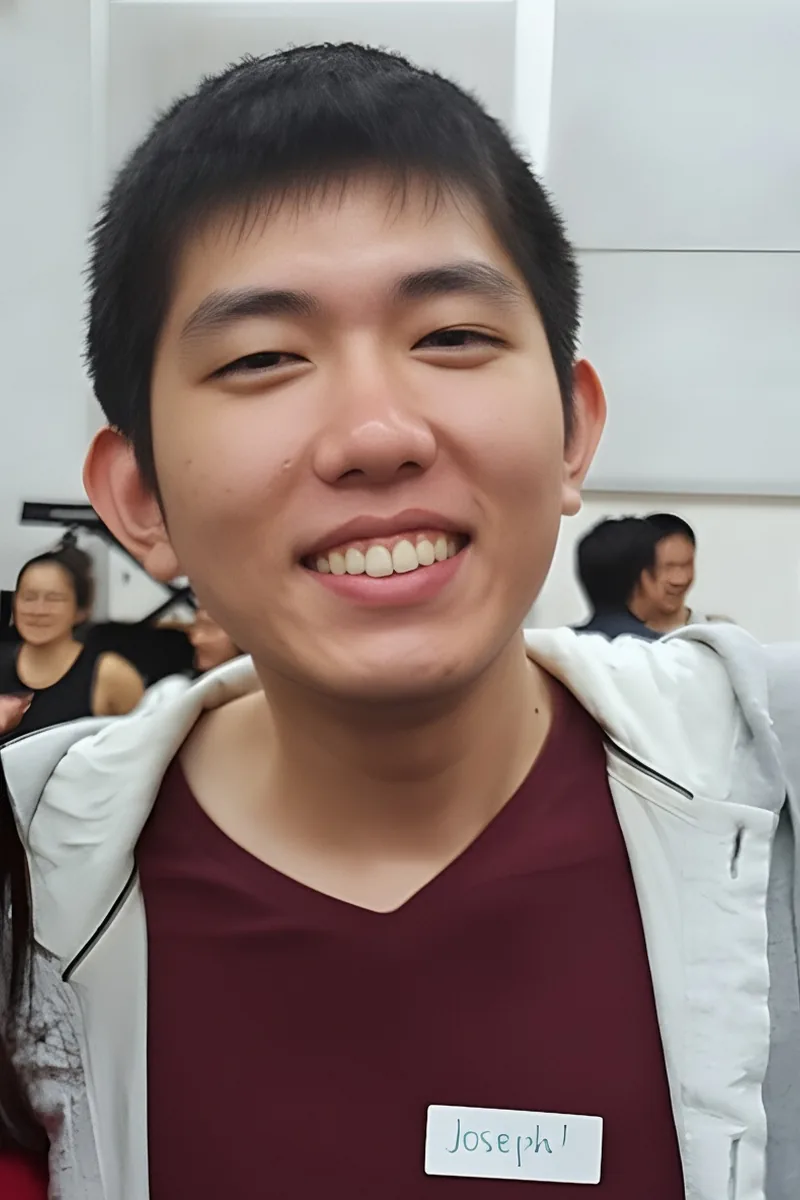
Good editing isn't just catching comma splices — it's rethinking whether each paragraph actually earns its place in the piece. Joseph approaches essay editing by first identifying the core argument, then tightening every sentence around it, a skill he sharpened through years of writing research papers and graduate-level public health analyses at Yale.
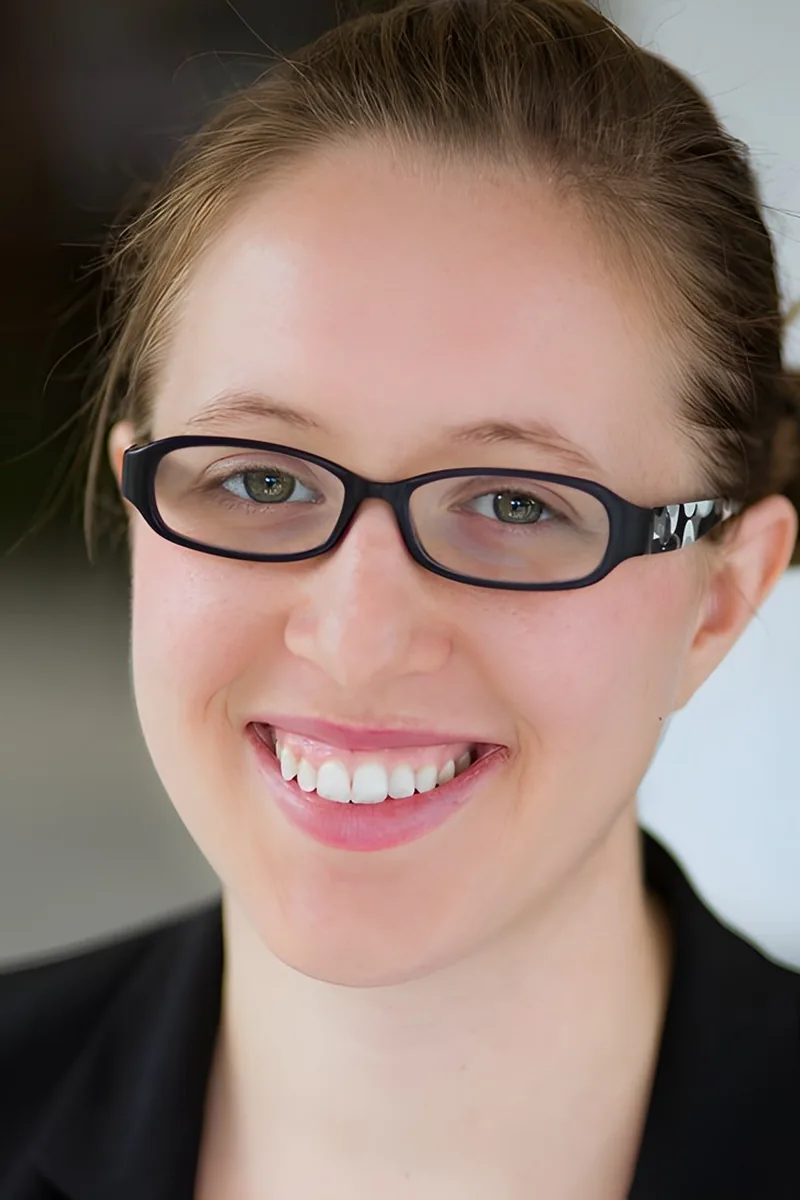
Good essay editing goes beyond circling grammar mistakes — it means restructuring an argument so the thesis actually drives every paragraph. Amber approaches revision in layers: first the architecture of the argument, then paragraph-level transitions and evidence integration, and finally sentence-level clarity and style. Her theater background makes her especially attuned to voice and rhythm in student writing.
Good editing goes beyond fixing commas — it means tightening arguments, cutting filler, and making sure every paragraph earns its place. Tracy applies the same precision she uses in quantitative work to sentence-level clarity and overall essay structure, whether the piece is a college application supplement or a research paper.
Good essay editing goes beyond fixing comma splices — it means asking whether each paragraph actually earns its place in the argument. Elyse approaches revision structurally first, checking that the thesis threads through every body paragraph, before tightening sentence-level clarity and grammar. Her background writing analytical papers in both computer science and American Studies at Stanford gives her range across academic disciplines.
Good essay editing goes beyond fixing commas — it means interrogating whether each paragraph earns its place and whether the argument actually progresses from one point to the next. Quinn reads drafts at the structural level first, flagging weak transitions, unsupported claims, and buried thesis statements, then moves to sentence-level clarity and grammar. His 5.0 rating speaks to how much students value that layered approach.
Effective editing goes beyond catching typos — it means rethinking paragraph transitions, tightening argument structure, and cutting the sentences a writer loves but the essay doesn't need. Patrick approaches each draft diagnostically, identifying whether the core issue is organizational, stylistic, or mechanical before diving into line-level revisions. His experience editing academic, professional, and personal writing gives him a flexible eye for different genres and audiences.
A strong essay needs more than correct grammar — it needs an argument that builds logically and lands with clarity. Samuel, who studied statistics and philosophy at the University of Chicago, approaches editing by zeroing in on thesis structure, paragraph-level transitions, and whether each sentence actually earns its place. Rated 4.9 by students.
Strong scientific writing — grant proposals, lab reports, research summaries — trained Abrahim to edit with precision, and he applies that same rigor to essays across disciplines. He zeroes in on argument structure, thesis clarity, and paragraph-level transitions, then walks through revisions so the student understands why each change strengthens the piece. Rated 5.0 by students.
Editing is where Alia's two specialties collide: her English literature training sharpens language at the sentence level, while her education PhD taught her how to build an argument that holds up under scrutiny. She walks through drafts looking at everything from thesis clarity and paragraph transitions to comma splices and word choice.
Years of writing research papers and graduate-level application essays have given Alex a sharp eye for argument structure, clarity, and flow. She digs into drafts at the paragraph level — tightening thesis statements, cutting redundancy, and strengthening transitions — so the final product reads as one cohesive piece rather than a patchwork of ideas.
Editing is more than fixing typos — it's hearing where a sentence stumbles and knowing how to smooth it out. Maura's writing center experience trained her ear for awkward transitions, weak thesis statements, and arguments that drift off-track, and she walks students through revisions so they learn to catch those issues on their own next time.
Good essay editing goes beyond fixing commas — it's about tightening arguments, cutting filler, and making sure every paragraph earns its place. Sophie approaches revision structurally, examining whether a thesis actually drives the paper and whether evidence is doing real analytical work or just sitting there as summary. Her 1570 SAT and experience across multiple writing-intensive subjects at Brown make her a sharp, detail-oriented editor.
Good editing isn't about fixing commas; it's about figuring out what a draft is actually trying to say and then cutting everything that doesn't serve that purpose. Karann's experience writing scientific papers and grant proposals sharpened her ability to restructure arguments, tighten prose, and flag where a reader's attention drifts.
Good editing isn't about catching comma splices — it's about recognizing when an argument loses its thread or a paragraph buries its strongest point. Matt's years of volunteer tutoring with adult learners sharpened his ability to read a draft from the audience's perspective and pinpoint exactly where clarity breaks down. He walks through revision as a structured process: logic first, then flow, then mechanics.
Good editing isn't just catching comma splices — it's restructuring an argument so each paragraph earns its place. Megan approaches essay revision with the analytical precision of her math background, identifying where logic gaps or weak transitions undermine an otherwise solid draft. She's particularly effective at tightening thesis statements and making evidence do more work within each body paragraph.
Editing an essay is more than fixing commas — Elizabeth teaches students to evaluate their own argument's logic, tighten paragraph transitions, and cut the filler that weakens a strong point. Her background in both scientific writing and personal narrative gives her a sharp eye for clarity and structure across academic papers, application essays, and research assignments.
Editing an essay isn't just about fixing commas; it's about asking whether each paragraph earns its place and whether the argument actually moves forward. Alexander digs into structure, transitions, and clarity of claim before touching sentence-level polish. Rated 4.8 by students, he's particularly effective at turning rough drafts into pieces that say something specific and say it well.
Strong essays don't just need better grammar — they need sharper arguments and clearer structure. Joel breaks the editing process into layers: first tightening the thesis and logic, then reworking paragraph transitions, and finally polishing sentence-level clarity. His writing background and analytical training at Cornell make him effective at diagnosing exactly where a draft loses its reader.
Editing an essay well means more than catching typos — it means diagnosing whether the argument actually tracks from paragraph to paragraph. Thomas reads drafts with an analytical eye sharpened by his math and CS training at Carleton, flagging weak transitions, unsupported claims, and sentences that bury their point. He's particularly effective at tightening structure without flattening a student's voice.
Good editing goes beyond fixing commas; it means reworking a paragraph so the argument actually lands. Neil reads student drafts with an engineer's eye for structure — identifying where the logic breaks down, where a claim needs evidence, and where cutting a sentence makes the whole piece stronger. His teaching background at Purdue gave him years of practice giving feedback that students can immediately apply.
Good editing is more than catching typos — it's learning to read your own writing with fresh eyes and ask whether each paragraph earns its place. Elise teaches students a layered revision process: first structure and argument, then clarity and flow, then grammar and mechanics. Her BFA background in studio critique means she knows how to give honest, specific feedback that strengthens the work without overwriting the student's voice.
Editing an essay is more than fixing commas — it's about tightening argument structure, cutting filler, and making sure every paragraph earns its place. Elizabeth reads drafts with a programmer's eye for logic, flagging where claims lack support or where transitions break down, then walks students through revisions so they internalize the process for next time.
Good essay editing goes beyond fixing commas — it means tightening an argument, cutting filler, and making sure every paragraph earns its place. Richard brings the precision of his math and science training to structural revision, teaching students to outline backwards from a finished draft so they can see where their logic breaks down.
Editing isn't just about catching comma splices — it's about seeing where an argument loses its thread or where a paragraph buries its strongest point. Nupur's law background trained her to read drafts with that structural eye, and she marks up essays at every level: thesis clarity, paragraph transitions, sentence rhythm, and word choice. Students leave sessions understanding not just what to fix but why the revision is stronger.
Strong essays don't just need proofreading — they need structural attention to thesis clarity, paragraph transitions, and whether the evidence actually supports the argument. James edits with that bigger picture in mind, teaching students to spot weak logic and vague claims in their own drafts. His 5.0 rating speaks to how well that approach lands.
Good editing goes beyond catching comma splices — it means tightening an argument, cutting redundancy, and making sure every paragraph earns its place. Maddy reads drafts with a structural eye first, checking that the thesis actually drives each section, before moving into sentence-level clarity and grammar. She's rated 5.0 by students who appreciate feedback that's direct without being discouraging.
Good essay editing goes beyond fixing commas — it means tightening arguments, cutting filler, and making sure each paragraph does real work. Sarah's university-level writing instruction at UW-Madison trained her to diagnose structural problems quickly, and she teaches students to revise their own drafts with a critical eye so the skill transfers to every future paper.
Good editing isn't just fixing errors — it's learning to read your own work as a stranger would. Alexis walks through drafts paragraph by paragraph, teaching students to spot weak thesis statements, tighten transitions, and cut filler that dilutes their argument. Her approach builds a revision instinct students carry into every future paper.
Good editing isn't just fixing commas — it's learning to read your own writing the way a stranger would. Abhinav breaks the revision process into layers: first structure and argument, then paragraph transitions, then sentence-level clarity and grammar. His science background makes him especially sharp at tightening logic and eliminating vague claims.
Good editing isn't just fixing commas — it's restructuring an argument so each paragraph earns its place. Dylan reads drafts with an eye for logical flow, cutting filler and tightening transitions so the writer's actual point comes through clearly. He's especially effective with academic and application essays where precision matters.
Editing her own research papers and grant proposals has made Madeline sharp at identifying where an argument loses focus or where a paragraph needs restructuring. She reads student essays with that same critical eye, pinpointing vague thesis statements, weak transitions, and places where evidence doesn't quite support the claim — then showing exactly how to fix each one.
Professional translation is essentially high-stakes editing: every word has to earn its place, and tone must survive the transition from draft to final version. Lexy applies that same precision to essay editing, targeting issues like argument flow, sentence-level clarity, and the difference between a paragraph that merely states a point and one that proves it.
Good editing goes beyond fixing comma splices. Andrew walks students through their drafts at three levels — argument and structure first, then paragraph-level flow, then sentence-level clarity — so they learn to self-edit long after the session ends. His background as a writer means he can spot where an essay loses its reader and show exactly how to fix it.
I am excited about the opportunity to apply my skills and experience for Varsity Tutors. In addition to my Bachelor of Arts in Spanish, I also have six years of experience teaching Spanish to middle school students.
Most students know their essay "needs work" but can't pinpoint why a paragraph feels off or where an argument loses momentum. Jacob's approach to editing zeroes in on structural problems first — thesis clarity, paragraph-level logic, transitions — before tackling sentence-level polish. His graduate teaching assistant role means he's marked up hundreds of student papers and knows exactly which revision moves create the biggest improvement.
Good essay editing isn't just fixing commas — it's restructuring an argument so each paragraph earns its place. Michael's background in analytical writing across physics and the humanities gives him a sharp eye for logical flow, and he walks students through revision as a process of tightening claims and cutting what doesn't serve the thesis.
Editing is more than catching typos — it's rethinking whether each paragraph earns its place in the argument. Sophie's daily work as a graduate TA involves giving detailed, line-level feedback on undergraduate papers, so she's practiced at diagnosing issues with thesis clarity, paragraph transitions, and evidence integration. She walks students through revisions so they learn to self-edit, not just accept corrections.
Good editing goes beyond fixing commas — it means rethinking structure, tightening arguments, and cutting what doesn't serve the piece. Shona approaches essay revision analytically, treating each paragraph like a unit that needs a clear purpose and logical connection to the next. Her background spans math, education policy writing, and creative interests, so she adapts her feedback to academic papers, personal statements, and everything in between.
Self-described grammar stickler Cornelia digs into essays at the sentence level — tightening thesis statements, restructuring paragraphs for logical flow, and catching the comma splices and pronoun-reference errors that weaken otherwise strong arguments. She's especially effective at teaching students to revise their own work, so the editing skills transfer to the next paper.
Editing an essay well means more than catching comma splices — it means seeing where an argument loses its thread or where a paragraph buries its strongest point. Jonas's literary training gives him a sharp eye for structure at every level, from thesis clarity down to sentence rhythm. He walks through each revision with an explanation of why a change works, so the next draft improves before he ever sees it.
Testimonials
Because the right Essay Editing tutor makes all the difference.
Average Session Rating – Based on 3.4M Learner Ratings
Nearby Essay Editing Tutors
Other Green Bay Tutors
Related English Tutors in Green Bay
Frequently Asked Questions
Varsity Tutors matches Green Bay students with expert Essay Editing tutors for 1-on-1 instruction. We pair each student with a tutor based on their specific needs, learning style, and goals.
Whether you need homework help, exam prep, or want to get ahead, our Essay Editing tutors are ready to help.
Common challenges include gaps from earlier material, difficulty with specific concepts, and trouble applying learning to new problems. These issues can snowball quickly in Essay Editing.
A tutor identifies where you're stuck, fills in gaps, and provides targeted practice. The 1-on-1 format means you get help exactly where you need it.
Tutors work with your student's actual coursework—homework assignments, class notes, and upcoming tests. This keeps tutoring directly relevant to what's happening in the classroom.
When you share information about your student's school and curriculum, we can match you with a tutor who has relevant experience.
All tutors complete background checks, credential verification, and teaching evaluation. Many of our Essay Editing tutors hold advanced degrees or have years of teaching experience.
You can review tutor profiles to find someone with the right background for your student's level and needs.
Many students see improved grades within a few weeks, along with better understanding of Essay Editing concepts and more confidence tackling challenging material.
Tutors track progress and adjust their approach to ensure continued improvement.
Most students benefit from 1-2 sessions per week. More frequent sessions help if your student is significantly behind or has an important exam coming up.
Your tutor can recommend a schedule based on your student's specific situation and goals.
Tutoring is purchased in packages of hours, with rates varying by tutor experience. Varsity Tutors offers several options to fit different budgets and needs.
You can discuss pricing during your consultation to find what works best.
Your tutor will assess where your student is, discuss goals, and start working on priority areas. Most students bring current homework or upcoming test material to focus on.
By the end, you'll have a clear sense of how the tutor can help and a plan for moving forward.
Let’s find your perfect tutor
Answer a few quick questions. We’ll recommend the right plan and match you with a top 5% tutor.